
1. Indoor Water Features
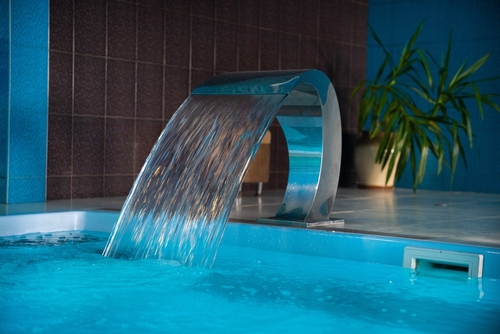
A small indoor fountain or wall waterfall can feel serene and luxurious at first. But after a few months, the constant trickling sound can get on your nerves. The water needs frequent cleaning to prevent algae and mineral buildup. It’s more maintenance than most people anticipate.
Humidity from indoor water features can also affect flooring and furniture. The pumps are prone to clogging, and they consume more electricity than you’d think. What was meant to bring tranquility often brings noise and upkeep. Many homeowners quietly retire them after the novelty wears off.
2. Marble Countertops
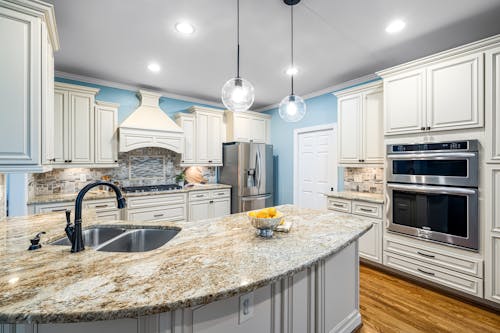
At first glance, marble screams elegance and luxury. But after a few months of cooking and entertaining, you’ll realize it’s one of the most high-maintenance materials you can choose. Marble stains easily from things like wine, lemon juice, or even water, and it scratches faster than you’d expect. What felt like an upscale design choice quickly turns into a source of anxiety every time someone sets down a glass.
Many homeowners end up wishing they’d gone with quartz or granite, which look similar but require far less upkeep. Constant sealing and polishing can make marble feel more like a chore than a luxury. Over time, the etching and dull spots make the counters appear older than they are. The reality doesn’t match the showroom shine you first fell in love with.
3. High-Gloss Kitchen Cabinets
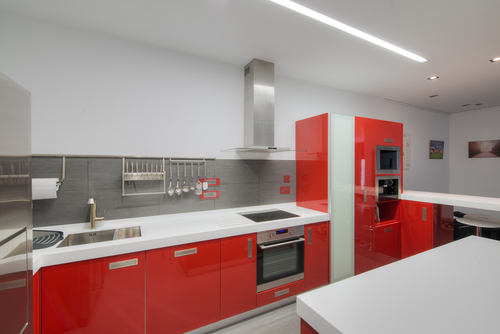
Those glossy, reflective cabinets feel ultra-modern and stylish at first. Unfortunately, they show every fingerprint, smudge, and splash of grease. Unless you’re cleaning them daily, they quickly lose that showroom perfection. Even minor scratches stand out like neon signs under lighting.
In practice, matte finishes age much better and hide wear and tear. The high-gloss look that once felt glamorous can make a kitchen seem dated within a few years. It’s a perfect example of how form can completely overpower function. Most homeowners eventually swap them out for something easier to live with.
4. Freestanding Bathtubs
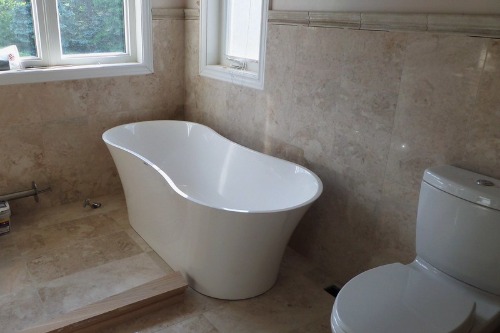
Freestanding tubs photograph beautifully and give a bathroom that luxury-hotel vibe. But they’re often uncomfortable, hard to clean around, and take forever to fill. Without nearby shelving, you’ll constantly reach awkwardly for soap or shampoo. And if your water heater isn’t massive, you might never get a full, hot soak.
Over time, many people stop using them entirely because they’re just not practical for everyday bathing. They also require extra floor reinforcement because of their weight when full. The aesthetic payoff rarely matches the inconvenience. What looked like a centerpiece becomes an expensive dust collector.
5. Open Shelving in Kitchens
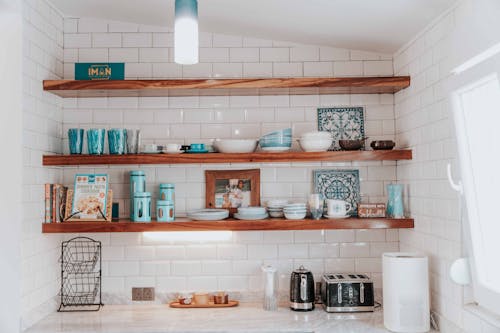
Open shelves are a design darling on Instagram, offering that “curated” and airy look. But living with them means constantly managing clutter and wiping off dust and grease. Unless every plate and cup you own is photo-worthy, it’s hard to keep things looking intentional instead of messy. The constant upkeep kills the carefree aesthetic it promised.
Even with regular cleaning, open shelves expose everything to kitchen odors and oil splatters. Many homeowners end up reinstalling cabinets for a cleaner look. The charm fades fast when practicality sets in. It’s one of those trends that’s better in a magazine than in real life.
6. Floor-to-Ceiling Windows
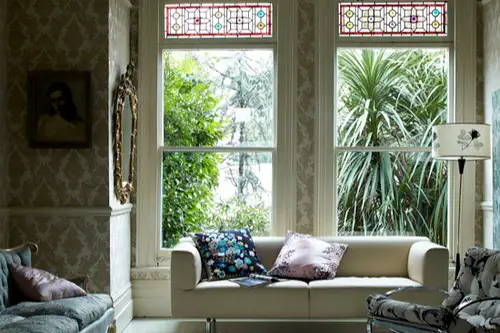
These windows are breathtaking when you move in, flooding your space with natural light and scenic views. But they’re energy nightmares, letting heat escape in winter and flooding rooms with sun in summer. The result is higher utility bills and rooms that are uncomfortable at certain times of day. Cleaning them—especially on upper floors—is another constant battle.
Privacy is another overlooked issue; suddenly, your beautiful view works both ways. Unless you invest in motorized shades or expensive window treatments, you’ll feel exposed. The novelty of open views wears off when you’re battling glare on your TV or furniture fading from sunlight. Over time, practicality wins over aesthetics here too.
7. Vessel Sinks
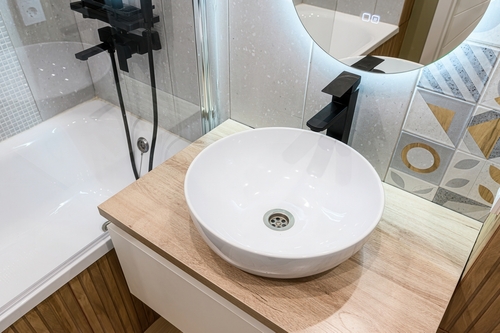
Those raised, bowl-style sinks add instant drama to a bathroom design. But they’re incredibly impractical for daily use. They splash more than traditional sinks, especially when washing your hands or face. The higher rim also makes them awkward for kids or shorter adults.
Cleaning around and under them is also more tedious, as grime builds up in the crevices. And because they sit above the counter, they can crack more easily if bumped. What feels “spa-like” in theory often just creates frustration in practice. Most people who install them once don’t make that mistake twice.
8. Smart Mirrors and Touchscreen Appliances
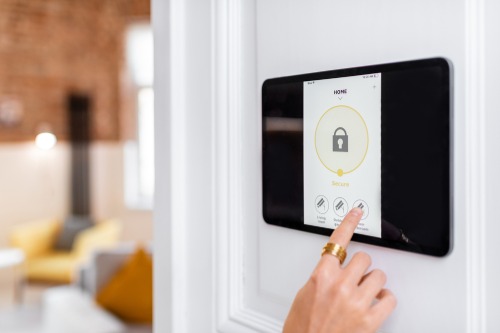
Technology has made its way into every corner of modern homes, including bathrooms and kitchens. But smart mirrors that display the weather or touch-controlled ovens often age poorly. Software updates stop, screens glitch, and eventually, they become more of a novelty than a tool. They’re also expensive to repair or replace when the tech fails.
Instead of simplifying life, these devices often add one more thing that can go wrong. A mirror that stops responding or a fridge touchscreen that freezes just feels ridiculous. What was meant to signal sophistication ends up feeling gimmicky. Sometimes, the “dumb” version just works better.
9. Statement Chandeliers
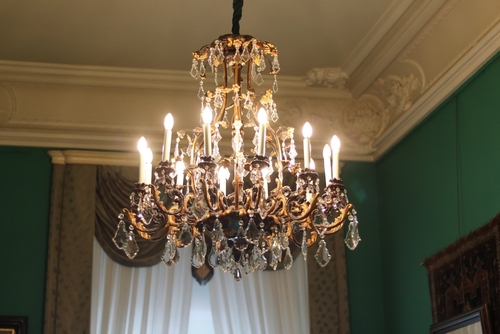
A dramatic chandelier can set the tone for a grand entryway or dining room. But once you’ve lived with it a while, you realize how much dust and cobwebs those intricate designs collect. Cleaning them is a full workout, especially if they hang from high ceilings. The constant upkeep undermines the effortless luxury they’re supposed to convey.
They’re also easy to overpower a space with—what feels elegant can quickly veer into gaudy. Changing light bulbs becomes an ordeal involving ladders and nerves. Subtler lighting options end up feeling more timeless and livable. It’s a lesson in how less really can be more.
10. Built-In Coffee Bars
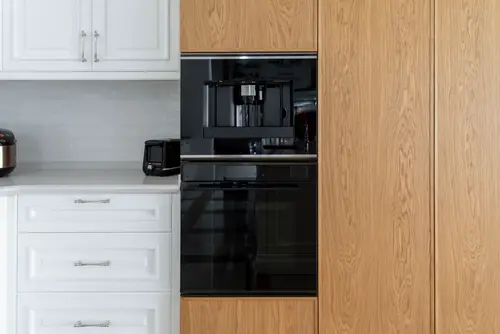
A built-in coffee bar feels like the ultimate indulgence for caffeine lovers. But once you start using it daily, you realize how much space it consumes and how easily it gets messy. Coffee grounds, splashes, and cluttered accessories make it look chaotic fast. And cleaning up spills near electrical outlets isn’t exactly fun.
Over time, most people revert to using a simple countertop machine instead. The cabinetry and fixtures just become extra surfaces to maintain. What seemed like a lifestyle upgrade often turns into wasted square footage. The idea feels luxe, but the reality is just impractical.
11. Wall-Mounted Toilets
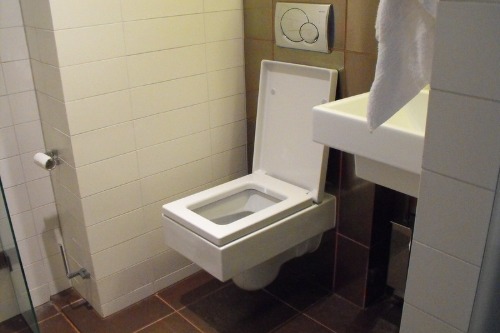
They look ultra-modern and save a few inches of space, which appeals to design-conscious homeowners. But once installed, maintenance can be a nightmare. Accessing the hidden plumbing usually means opening up the wall. That sleek, seamless look hides a lot of hassle.
When something goes wrong, repairs are both expensive and messy. Standard floor-mounted toilets might not be as glamorous, but they’re infinitely easier to service. In day-to-day use, you don’t notice the difference enough to justify the trouble. It’s one of those designs that’s great for showrooms, not real homes.
12. Open Showers
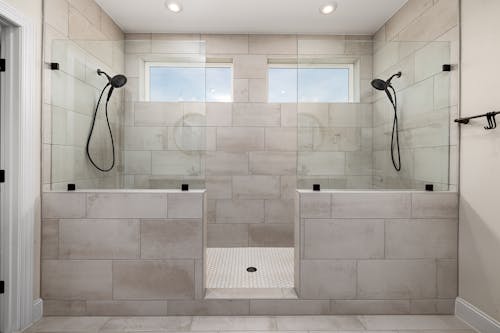
Walk-in, doorless showers look sleek in hotel bathrooms and luxury listings. But when you actually live with one, you realize just how impractical they can be. They’re drafty, water splashes everywhere, and maintaining the surrounding floors becomes a daily task. The openness that once looked chic often ends up feeling cold and messy.
Without a proper barrier, mold and mildew can spread faster because of all the excess moisture. Many homeowners regret losing the warmth and privacy that a glass door or curtain provides. You’ll find yourself constantly wiping down walls and floors to prevent damage. What looked like a spa experience becomes more of a maintenance headache.
13. All-White Interiors
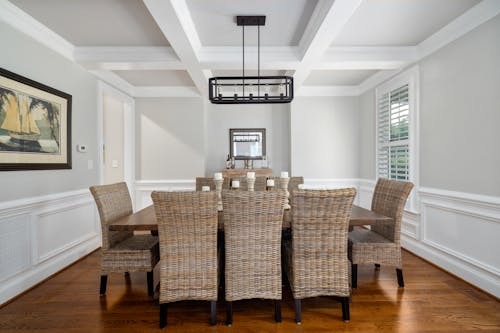
Nothing says “luxury” like a pristine, all-white home. But after a few weeks of living in one, reality sets in—white shows everything. Every smudge, spill, and scuff stands out, and keeping it clean becomes a part-time job. The minimalist dream turns into a constant cleaning cycle.
White also tends to make spaces feel sterile rather than cozy. Over time, many people add color or texture just to make their home feel lived-in. It’s the classic case of form over function. What looks timeless in photos rarely feels comfortable day to day.
This post 13 Luxury Home Features That End Up Feeling Cheap Once You Live With Them was first published on Greenhouse Black.
