
1. The Thermostat
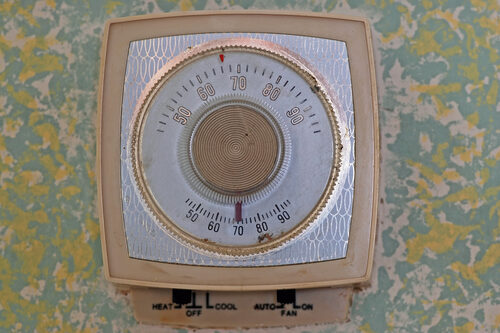
Once upon a time, thermostats were simple dials—you just turned the knob until your house felt right. They didn’t track your habits, connect to Wi-Fi, or send push notifications about “optimal energy savings.” The simplicity meant anyone could use them without an instruction manual. Now, smart thermostats like Nest learn your schedule, but sometimes they outsmart you—turning off the heat because you sat too still on the couch.
The reason they worked so well originally was their direct control and predictability. Mechanical thermostats operated on a bimetallic strip that expanded or contracted with temperature, triggering your furnace with almost no delay. They rarely crashed or required software updates. Today’s models are powerful but prone to misreading human comfort for inefficiency.
2. The Doorbell
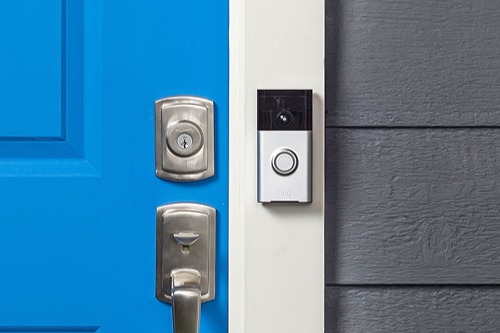
The first electric doorbells, dating back to the late 1800s, were simple circuits that made a satisfying ding-dong. You pressed a button, someone inside heard it, and that was that. Fast forward to today’s smart doorbells with cameras, microphones, and cloud subscriptions. They’re impressive, but also data-hungry, hackable, and often delayed by buffering.
The original design worked because it was immediate and private. It didn’t rely on an app or internet connection—it just rang. Now, instead of hearing your visitor instantly, you might get a notification after they’ve already walked away. Convenience somehow evolved into a customer-service ticket for your own front door.
3. The Light Switch
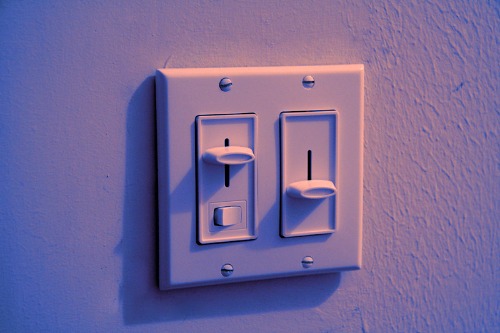
A simple flick of the switch used to mean instant light. No Wi-Fi pairing, no voice assistant errors, no firmware updates. Today, smart bulbs and switches can be dimmed, colored, and automated—but sometimes they refuse to turn on unless your router’s behaving. We’ve turned illumination into a tech support issue.
Old light switches worked so well because they were purely mechanical. Electricity flowed or didn’t, and you were in control every time. They were cheap, safe, and universal. Smart systems might be cool, but there’s something unbeatable about the satisfying click of a good old toggle.
4. The Coffee Maker

Early drip coffee machines did one thing—made coffee when you poured in water and added grounds. You flipped a switch and smelled the magic happen. Today’s models can sync with your phone, brew schedules, and even tell you when to descale. But the more features they add, the more things can go wrong.
The original charm was reliability. Even without smart features, the heat plate and simple drip mechanism worked every morning without fail. Now, a Wi-Fi hiccup can delay your caffeine fix. Sometimes all we really need is hot water and gravity.
5. The Radio
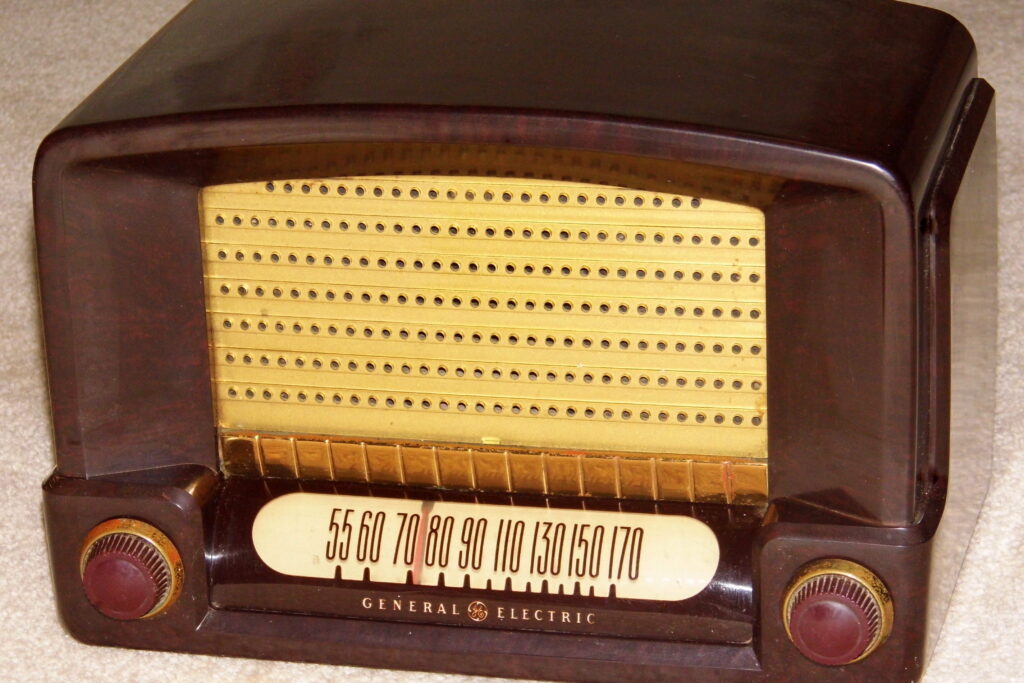
Once, the radio was a miracle of simplicity—turn the dial, find a station, and enjoy. There were no logins, no buffering, and no “region restrictions.” Today’s streaming services offer infinite options, but they also bury you in algorithms, ads, and data collection. It’s easy to forget how freeing simplicity once felt.
Analog radios worked because they were self-contained and dependable. The tuning knob gave you direct access to sound waves, not servers. You didn’t need a subscription to catch the weather or your favorite show. Now, convenience comes with complexity—and sometimes a monthly bill.
6. The Alarm Clock

Mechanical alarm clocks used gears and bells to wake you, no Bluetooth needed. You wound them up and trusted they’d ring. Modern digital versions can play playlists, simulate sunrise, and read you the news—but also fail silently when the app crashes. A missed alarm now feels more like a software bug than human error.
They originally worked so well because they were tangible and trustworthy. The spring mechanism couldn’t lose Wi-Fi or power out mid-snooze. You were literally in control of time in your hands. Now, we’ve outsourced that trust to code.
7. The Vacuum Cleaner
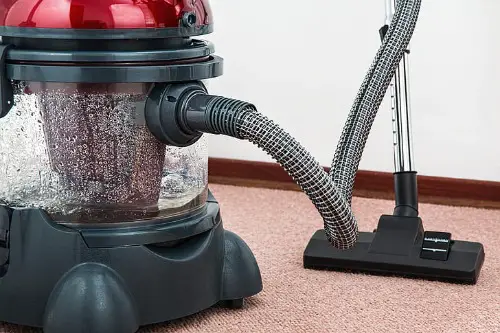
When the first upright vacuums appeared, their only job was suction—and they did it well. You plugged them in, cleaned, and felt productive. Then came cordless, robot, and smart vacuums with sensors, cameras, and app integrations. Sometimes, though, they get stuck under furniture and send digital cries for help.
The classic vacuum succeeded because it was powerful, repairable, and direct. You didn’t need to troubleshoot firmware just to clean a rug. It worked on any surface and obeyed your command instantly. Complexity has turned a once-satisfying chore into an update cycle.
8. The Refrigerator
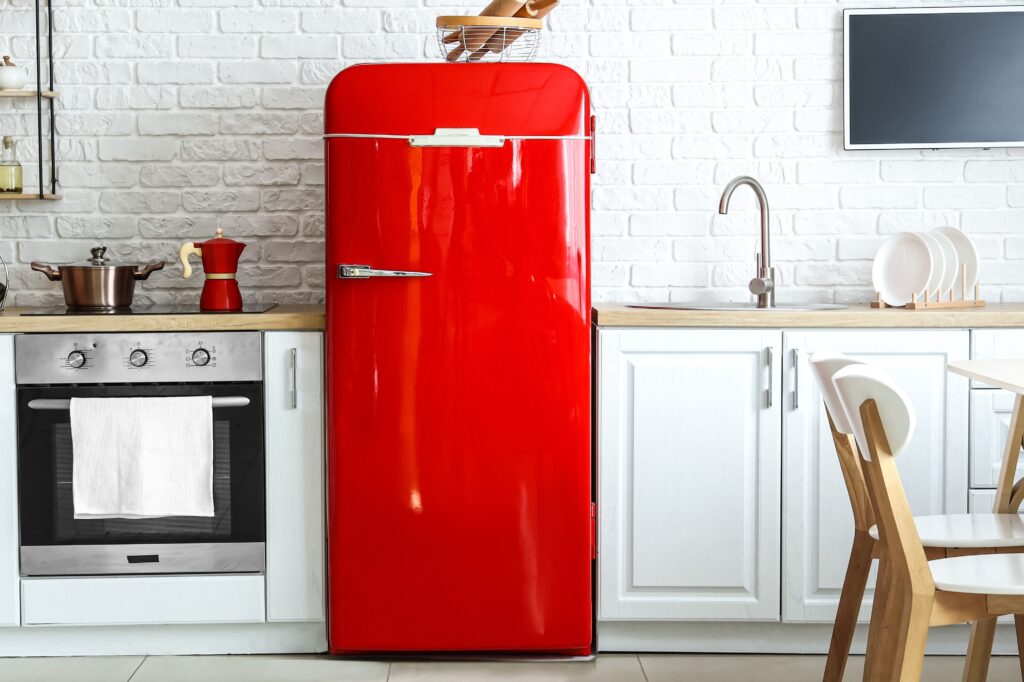
Early refrigerators were mechanical marvels—compressor, coolant, cold air, done. They lasted for decades and rarely needed attention. Now, “smart fridges” have touchscreens, cameras, and recipe apps, but they also require software updates and can be hacked. Some even stop cooling properly if the electronics fail.
The beauty of older models was dependability. They used fewer parts and no operating system, so maintenance was easy. The goal was simply to keep food cold, not to livestream it to your phone. Modern convenience added bells and whistles—but at the cost of resilience.
9. The Washing Machine
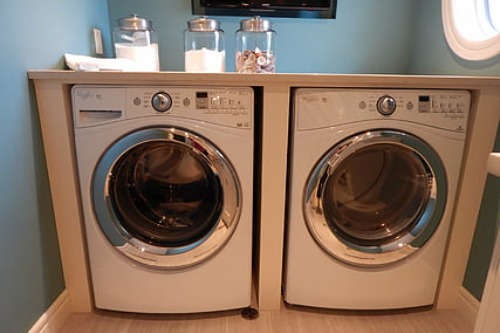
Early electric washers simplified laundry forever—fill, agitate, rinse, spin. You could fix most issues with a wrench. Today’s smart washers diagnose themselves, connect to Wi-Fi, and adjust water levels using sensors. Unfortunately, they also break more often and are harder to repair.
The original versions worked because they prioritized function over finesse. They were sturdy, mechanical, and predictable. If it filled and spun, it worked. Now, error codes and cloud connectivity often stand between you and clean clothes.
10. The Television
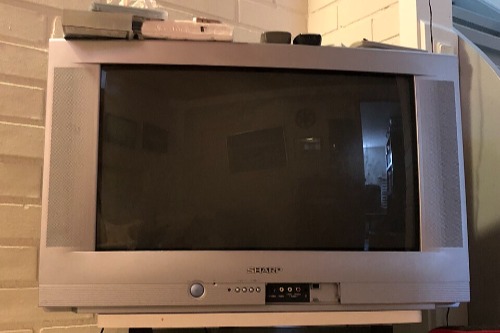
Once, you turned on the TV and flipped channels. That was it—no logins, updates, or terms of service. Now, smart TVs come with endless apps, ads, and privacy concerns. Sometimes, they take longer to boot than an old tube set.
The analog TV’s simplicity made it universally usable. It wasn’t tracking you or recommending shows—it just displayed them. Picture quality might’ve been lower, but it was effortless entertainment. The “smart” era somehow made watching TV more complicated than it needed to be.
11. The Telephone

Rotary phones were slow to dial, but they worked every time. There were no dropped calls, dead batteries, or endless notifications. Today’s smartphones do everything—text, stream, navigate—but also tether us to constant distraction. The humble landline never begged for attention.
The original phone succeeded because it was purpose-built. Sound quality was steady, and connections were private. You used it to talk, and then you hung up. Now, a “simple call” often starts with finding which app to use.
12. The Blender

Old blenders had one switch: on or off. They pulverized whatever you threw in without any fuss. Today’s models have touchscreens, pre-programmed settings, and Bluetooth tracking for smoothies. But when a circuit board fails, your margarita plans go with it.
The simplicity worked because the mechanism was straightforward—motor, blade, jar. You could clean and fix it easily. Newer ones are feature-rich but less durable. Sometimes a little overengineering dulls the original brilliance.
13. The Door Lock
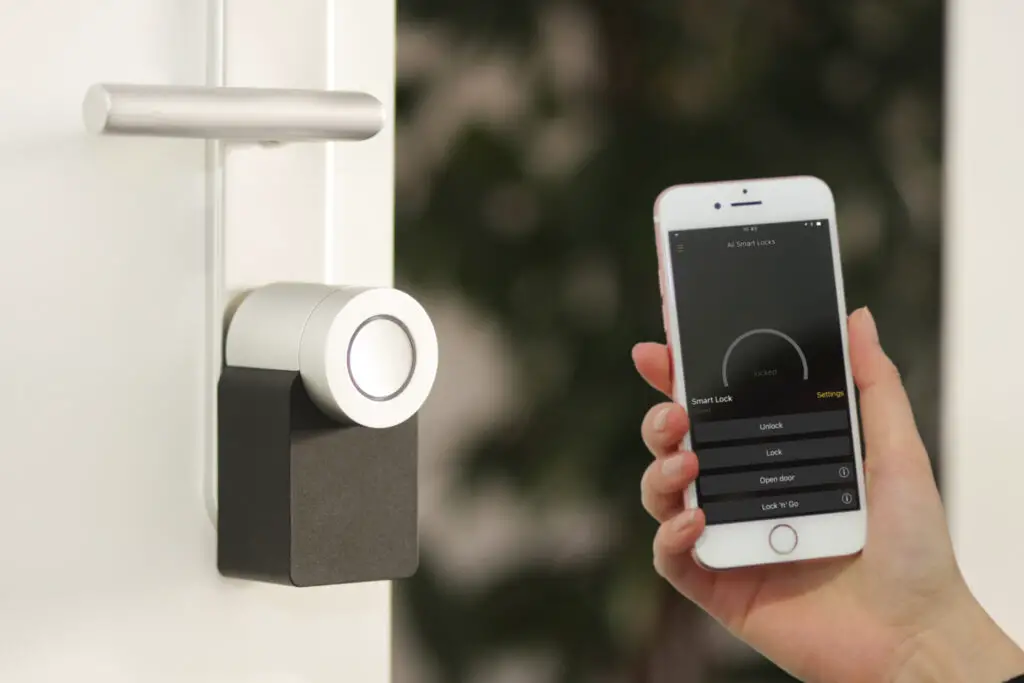
For centuries, a metal key and lock kept homes safe. Mechanical locks were dependable and didn’t need batteries. Smart locks now offer remote control and access codes—but can fail when power dies or Wi-Fi drops. A physical key never needed a firmware patch.
The old lock worked because it was physical proof of security. It didn’t share your access logs or depend on encryption keys. You knew instantly whether your door was locked. Technology made it smarter, but also less certain.
14. The Bicycle
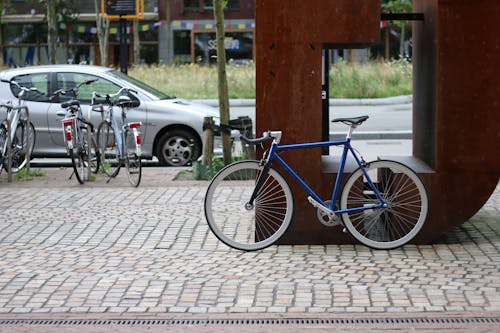
The classic bike turned human energy into motion—simple, elegant, and nearly indestructible. Then came e-bikes with batteries, motors, GPS, and apps. They’re convenient but come with charging needs, software updates, and theft risks. Sometimes, all you want is to pedal and feel the wind.
Bicycles worked so well because they embodied pure efficiency. Every part had a clear purpose and could be repaired by hand. They offered freedom without reliance on tech infrastructure. In trying to “improve” them, we’ve made them just a little less free.
15. The Pencil

The humble pencil was once the definition of perfect simplicity. A bit of graphite, a wooden shell, and an eraser—that was all it took to capture ideas. You could write anywhere, anytime, without worrying about charge levels or syncing your work to the cloud. Now, digital styluses and note apps try to replicate that feeling with Bluetooth pairing, pressure sensors, and calibration screens.
The beauty of the pencil was its permanence through imperfection. Mistakes could be erased with a twist of the wrist, not a software update. You didn’t need to log in to use it or worry about data loss. In trying to digitize it, we’ve turned effortless creativity into an ecosystem of settings.
16. The Map

Paper maps once guided travelers across cities and continents without fail. They never ran out of battery, lost signal, or tried to sell you nearby coffee shops. You unfolded them, traced a route, and set off—no algorithms, no recalculations. Today’s navigation apps might speak to you, but they also track you.
Old maps worked because they were self-contained records of the world. They didn’t guess where you wanted to go or reroute you mid-journey. You could see the big picture and understand context in a single glance. The trade-off for convenience was losing that quiet sense of direction.
17. The Notebook
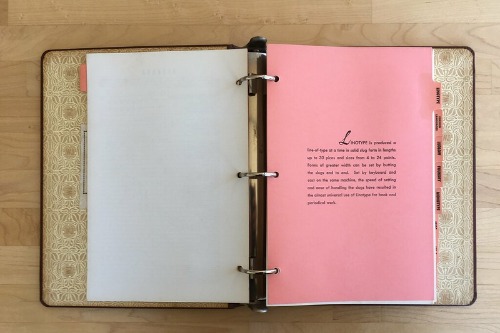
Before cloud storage, the notebook was the personal archive of thoughts and dreams. It didn’t crash, need updates, or prompt you to subscribe for extra pages. People trusted it with secrets, sketches, and stories without worrying about privacy policies. Now, digital notebooks require passwords, backups, and sync permissions.
The original worked so well because it combined function and intimacy. Ink or pencil gave a tactile permanence that apps can’t mimic. Each page showed time and effort, not just text on a screen. Simplicity once made memory feel personal—now, it feels like data entry.
18. The Flashlight
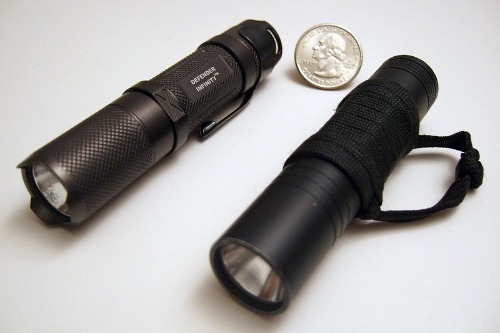
Early flashlights had one purpose: to shine light when it was dark. You clicked the switch, and it worked—no apps, no modes, no strobe features you didn’t ask for. Modern “tactical” lights come with USB ports, multiple brightness levels, and lockout settings that confuse more than they help. Sometimes, you just need to see what’s in front of you.
They worked because they focused on reliability over gimmicks. A couple of batteries and a bulb created dependable light. They were rugged, replaceable, and always ready when needed. Today’s models may be brighter, but they’ve dimmed the meaning of simple trust.
19. The Toothbrush

The classic toothbrush was a masterpiece of minimal design—bristles, handle, done. You didn’t need an app to count strokes or remind you to floss. Now, electric and smart toothbrushes monitor your brushing technique and send progress reports to your phone. Clean teeth somehow became a connected experience.
The old toothbrush worked because it was effortless and effective. You replaced it when worn and moved on with your life. It didn’t depend on charging docks or Bluetooth signals. What was once daily hygiene has turned into data-driven dentistry.
20. The Can Opener
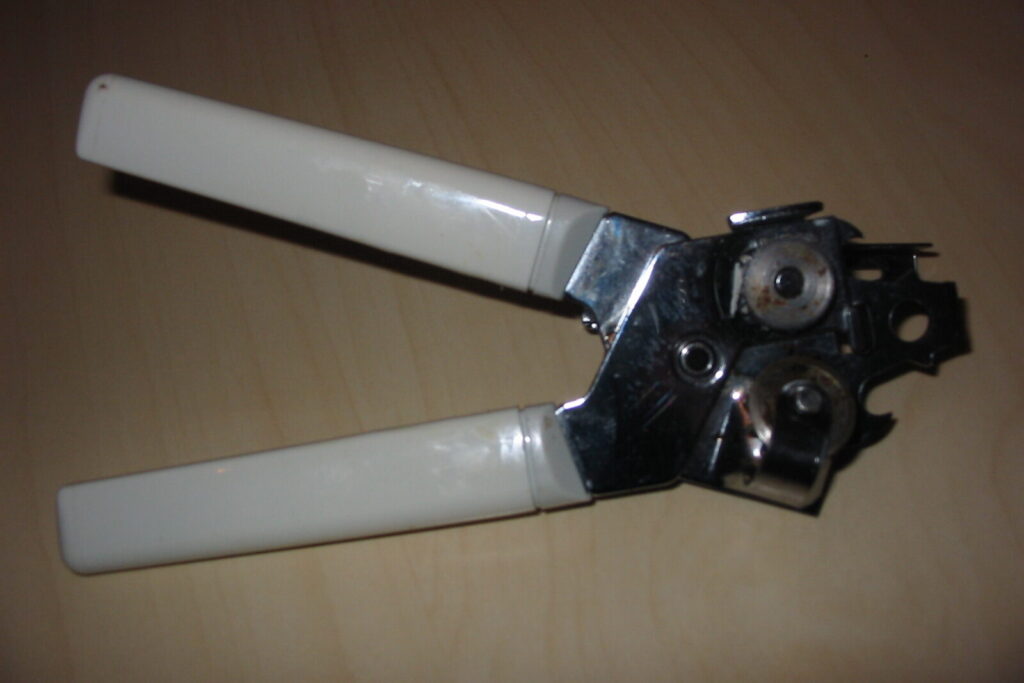
For decades, the can opener was a simple lever and blade—one twist and dinner was served. It didn’t require batteries or calibration, and it lasted for years. Modern electric versions promise ease but jam, slip, or stall mid-can. Something designed for simplicity has been automated into inconvenience.
The manual can opener worked because it embodied mechanical honesty. A straightforward design met a straightforward need. It relied on your hand, not a motor. In automating the process, we somehow made opening food harder than eating it.
21. The Watch
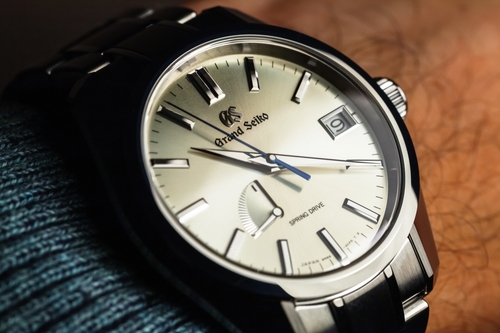
Watches once told time—nothing more, nothing less. A glance at your wrist connected you to the present moment. Now, smartwatches track steps, sleep, stress, and even notify you of emails you’re trying to ignore. They’ve turned timekeeping into a constant stream of alerts.
Classic watches worked because they were timeless—pun intended. They ran on gears or a battery and rarely failed. You wore them for function and form, not feedback. Today’s versions might be smarter, but they’ve forgotten how to simply tell the time.
This post 21 Simple Technologies That Worked So Well We Had to Overcomplicate Them was first published on Greenhouse Black.
