
1. The Handkerchief
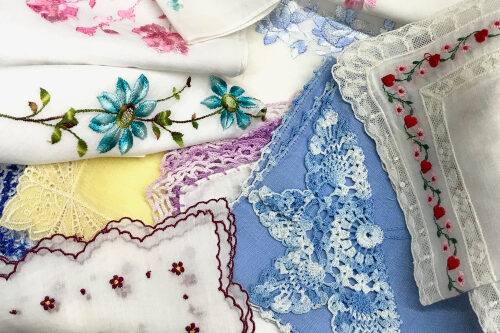
Before tissues came in neat little plastic packs, a handkerchief was a small square of care you kept close. Usually made of cotton or linen, it was washed, folded, and reused for years. People embroidered initials or lace edges, turning a practical item into something personal. Giving someone your handkerchief wasn’t just polite—it was an intimate gesture of affection and concern.
In many families, handkerchiefs were given as coming-of-age gifts or keepsakes, stitched with love by mothers or grandmothers. They carried a sense of dignity and preparedness—because you never knew when someone might need one. Unlike disposable tissues, they aged gracefully, softening with every wash. They were a symbol of quiet thoughtfulness that stayed in your pocket, not your trash can.
2. The Sewing Kit
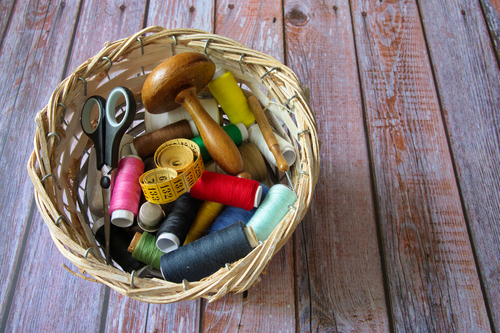
Before fast fashion and cheap replacements, sewing kits were household essentials. A needle, a few spools of thread, and maybe some buttons could keep clothes in circulation for years. Every household had one, and often, the same kit was passed down through generations. Repairing a tear instead of tossing a shirt was an act of care—for your things and for the people who wore them.
Mending wasn’t just about thrift; it was a way to show love. A mother sewing a child’s ripped knee or a partner fixing a missing button was doing more than maintenance—they were keeping someone comfortable and proud in what they wore. Those small repairs carried the quiet message, “You’re worth the effort.” Today, we call it sustainability, but then, it was simply responsibility.
3. The Fountain Pen
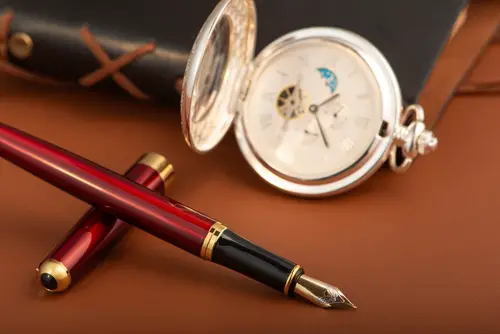
A fountain pen wasn’t just a writing tool—it was an heirloom, something to refill, clean, and treasure. Before disposable ballpoints, people cared for their pens like instruments, choosing ink colors and refilling them carefully. The weight of a pen in your hand mattered, and so did the words it helped you write. Owning one meant you valued permanence in an increasingly fleeting world.
Many people received fountain pens as graduation gifts or tokens of achievement. A pen could mark the transition to adulthood or a new chapter of life. The ink stains on your fingers were proof of creation, not carelessness. A well-used fountain pen was a symbol of thoughtfulness, not clutter.
4. The Cast-Iron Skillet
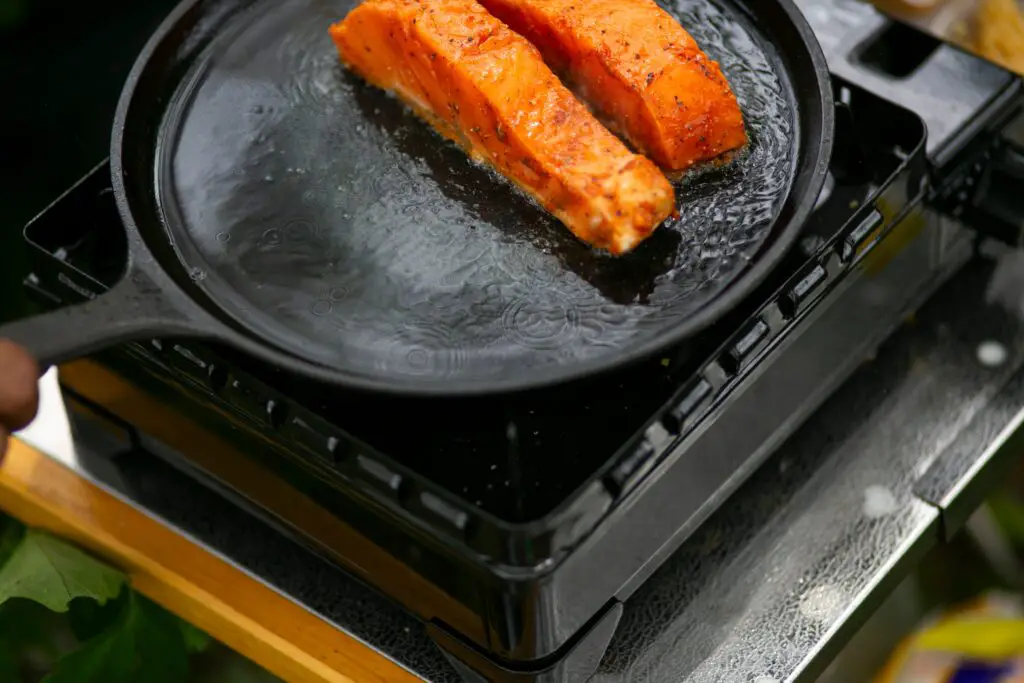
Long before nonstick pans lined supermarket shelves, a cast-iron skillet was the heart of the kitchen. It was seasoned over time, absorbing flavors and memories with every meal. You didn’t just wash it—you tended to it, protecting its surface like a living thing. Its blackened sheen told the story of countless breakfasts and family dinners.
A well-seasoned skillet was often passed down, its surface holding traces of generations before. Cooking in it connected you to your roots, to the people who first taught you how. Food didn’t just come from the pan—it came from the care that maintained it. A cast-iron skillet didn’t just cook; it remembered.
5. The Porcelain Teacup
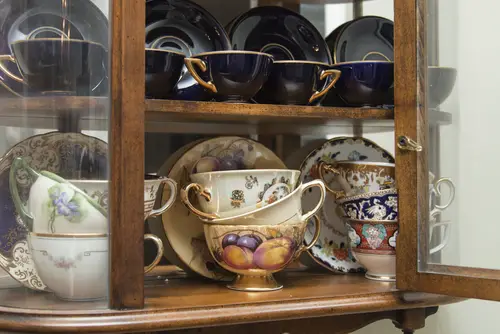
Delicate but durable, the porcelain teacup was once the centerpiece of connection. Families would gather over tea, each cup part of a set too precious to discard. Chips were mended with care, not reasons to replace. Pouring tea became an act of comfort—steady hands offering warmth in both senses.
Many households kept a “good set” just for guests, polished and proudly displayed. Those teacups often outlasted their owners, a reminder of shared moments and good manners. They were fragile, yes, but also enduring. In a world before paper cups, care came in porcelain.
6. The Wool Blanket
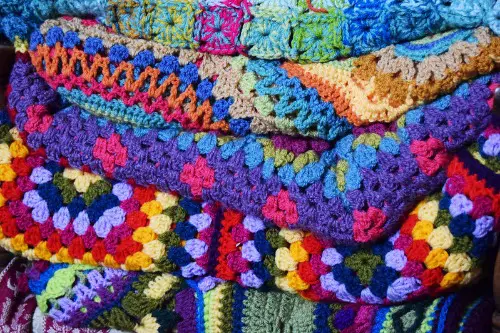
Before polyester throws and fleece, a wool blanket meant warmth that lasted decades. It was heavy, sometimes scratchy, but it carried the reassuring weight of dependability. Many were handwoven or gifted at weddings, meant to last a lifetime. You didn’t just buy a new one—you mended and kept it close through winters and moves.
Wool blankets weren’t just practical—they were emotional anchors. They were the blankets tucked around children, spread over sickbeds, or laid out for picnics. Over time, they softened and shaped to the people who used them. To wrap yourself in one was to feel the warmth of everyone who had before.
7. The Family Bible

The family Bible wasn’t just a book; it was a family archive. Births, deaths, and marriages were recorded in its margins. Its pages bore pressed flowers, old photographs, and fingerprints from generations of use. It sat on tables not just for prayer but for memory.
To open it was to open history—your history. The act of keeping it safe was as sacred as its words. Even for those who weren’t religious, it symbolized continuity and reverence for the past. It was care in its most literal form: the preservation of legacy.
8. The Ceramic Mixing Bowl
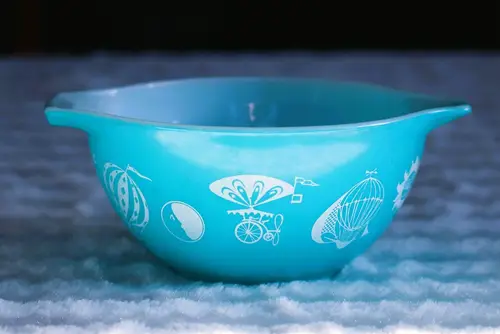
A ceramic mixing bowl used to be one of the most trusted tools in a kitchen. Heavy, simple, and endlessly reusable, it saw countless batches of bread dough and Sunday dinners. Its surface might have cracks, but that only made it more familiar. It was the silent witness to love baked into food.
When families baked together, the bowl wasn’t just a vessel—it was a ritual object. Everyone knew the sound of a wooden spoon scraping its sides. Its durability meant it was always there, ready for the next occasion. You didn’t replace it; you passed it down with recipes and memories.
9. The Pocket Watch
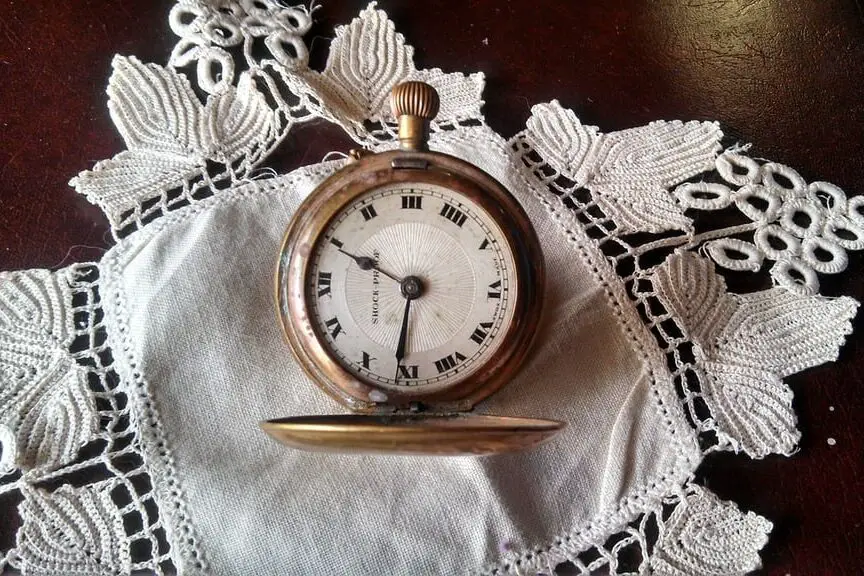
Before smartphones and disposable fashion, a pocket watch was a lifelong companion. Made of brass or silver, it ticked faithfully for decades, often handed from father to son. To own one was to be entrusted with precision and care. You wound it daily, a small ritual of respect for time itself.
A pocket watch was both practical and sentimental, engraved with initials or dates that meant something. Its steady rhythm was comforting—a reminder of order in a chaotic world. When it stopped, you didn’t throw it away; you took it to be repaired. It wasn’t just timekeeping—it was trust.
10. The Leather Shoes
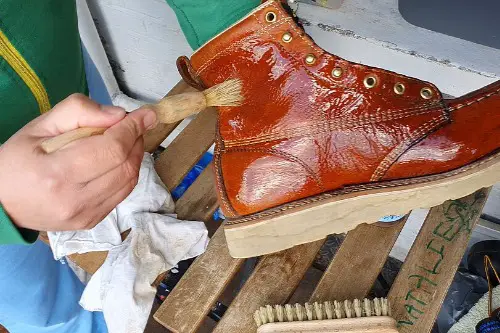
Good leather shoes once symbolized pride in how you carried yourself. You didn’t buy them to discard—you polished, resoled, and maintained them for years. The creases in the leather were as personal as fingerprints. Caring for them wasn’t vanity; it was self-respect.
Cobblers were as essential as barbers, restoring shoes to new life. A well-worn pair told stories of long walks and hard work. You didn’t think of shoes as fashion—they were commitment. They represented the belief that longevity was worth the effort.
11. The Wooden Hairbrush
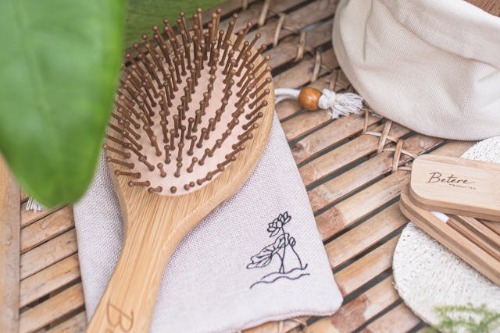
A wooden hairbrush with natural bristles was a daily comfort item, often gifted or inherited. It wasn’t just for grooming—it was part of a self-care ritual passed down through generations. The sound of bristles through hair was rhythmic, grounding, even affectionate. Brushing someone’s hair was a tender act, not a chore.
Unlike plastic brushes, these were made to last and be repaired. Handles smoothed over time, carrying the oils and touch of their owners. Some people even engraved initials on the backs. A wooden brush aged with you—it became as personal as your reflection.
12. The Refillable Lighter
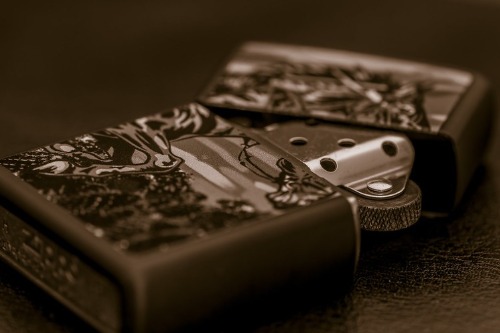
Before disposable lighters filled landfills, refillable ones like Zippos were prized possessions. Made of metal and built to last, they carried weight both literally and emotionally. You could replace the flint, refill the fuel, and keep using it for decades. The click of a Zippo lid became its own small ritual of reliability.
They were often engraved, gifted, or personalized—symbols of friendship, love, or service. Soldiers carried them during wars; travelers kept them for company. A lighter like that wasn’t just about fire—it was about continuity. To maintain it was to honor its dependability.
13. The Writing Desk
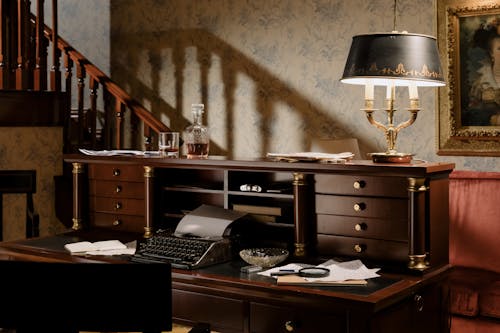
The writing desk used to be where people kept their lives organized—letters, bills, secrets, and dreams. Each drawer had a purpose, and every scuff told a story. Sitting down to write meant slowing down, thinking carefully, and caring about your words. It was where attention itself was practiced.
Desks were often passed through generations, becoming family anchors. They carried the marks of different hands, different lives, all working toward meaning. The act of keeping correspondence was deeply human. A desk wasn’t just furniture—it was a quiet partner in reflection.
14. The Clothesline
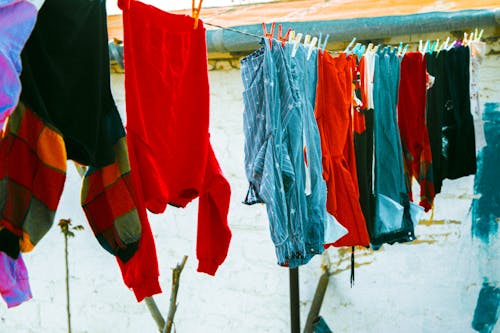
Before electric dryers, clotheslines turned backyards into places of quiet routine. Freshly washed clothes flapping in the breeze wasn’t just practical—it was beautiful. Hanging laundry took time, patience, and an eye for balance. The smell of sun-dried fabric was its own kind of reward.
Clotheslines represented respect for both the earth and one’s belongings. They made you part of the natural rhythm—weather, daylight, and wind all mattered. Neighbors chatted over shared fences while pinning sheets. It was community disguised as chores.
15. The Enamel Pitcher
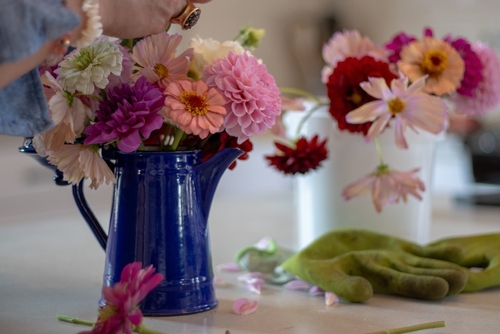
An enamel pitcher, chipped and sturdy, was a fixture in homes before plastic jugs took over. It held water, milk, or wildflowers—whatever the day required. Its charm came from being both useful and beautiful. A few chips weren’t flaws; they were signs of life.
Families used them daily, washing them carefully and setting them out like small altars of routine. The enamel kept things cool in summer and carried warmth in winter. It wasn’t disposable—it adapted. A pitcher like that didn’t just hold liquids; it held care made visible.
This post 15 Simple Objects That Represented Care Before Everything Was Disposable was first published on Greenhouse Black.
