
1. Don’t Disturb Wildlife
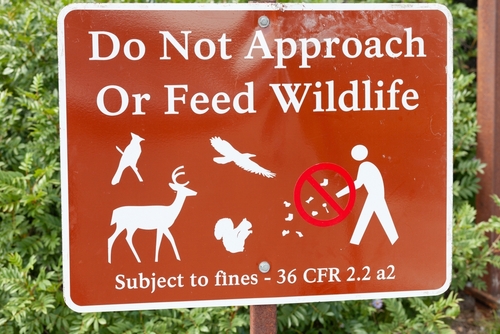
Wildlife is the highlight of camping, but it deserves distance. Feeding or approaching animals can make them dependent on humans and dangerous. Even seemingly harmless birds or raccoons can become aggressive when fed. Observing quietly keeps both you and the animals safe.
It’s also about conservation — animals need their natural behavior preserved. Human interaction can disrupt migration patterns, breeding, and feeding. Take photos, not snacks, to enjoy wildlife responsibly. Respecting the creatures around you is part of being a good camper.
2. Keep Noise to a Minimum
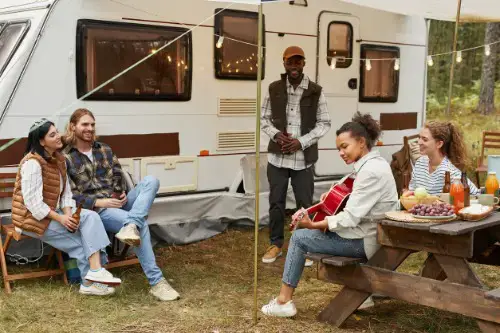
Campgrounds are meant for peace and relaxation, not a concert or party. Loud music, yelling, or revving engines can disturb both people and wildlife. Some campgrounds even have specific quiet hours for a reason. Respecting noise levels helps everyone enjoy their time outdoors without stress.
Nighttime is especially important — wildlife is more active, and humans are trying to sleep. A speaker that’s too loud can travel much farther than you realize in a forest. Remember, just because you’re having fun doesn’t mean everyone around you wants the same soundtrack. Being mindful about volume keeps the camping vibe positive.
3. Keep Your Pets Under Control
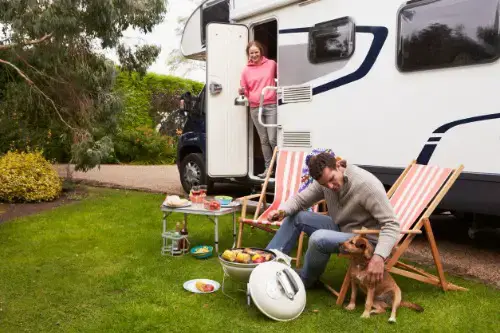
Furry friends are welcome at many campgrounds, but uncontrolled pets can be a big problem. Dogs running off-leash can scare wildlife, other campers, and even other dogs. Campground rules often require pets to be on a leash or within your site. Following this simple rule keeps everyone, including your pet, safe.
Cleaning up after your pet is just as important as keeping it on a leash. Pet waste can spread disease and pollute water sources. Bringing your own waste bags and disposing of them properly shows respect for the environment. Responsible pet ownership makes sure your campsite is a pleasant place for everyone.
4. Stick to Designated Fire Pits
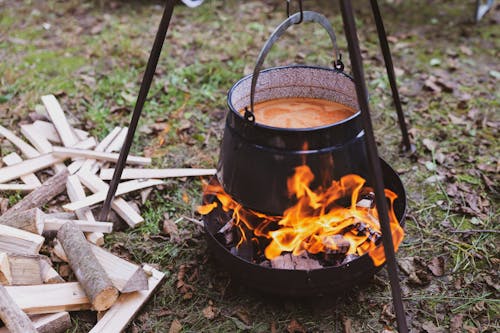
Starting a fire anywhere sounds fun, but it’s risky and often illegal. Fire pits are there to contain heat, sparks, and ash safely. Straying from the designated area can lead to wildfires, which are devastating and prevent future camping. Using only approved fire areas is about safety, not convenience.
It’s also easier to clean up after yourself if you stick to the pit. Uncontrolled fires can scorch vegetation and leave permanent marks. Many campgrounds even provide firewood to reduce the risk of introducing pests. Respecting fire regulations keeps both people and nature safe.
5. Respect Check-In and Check-Out Times
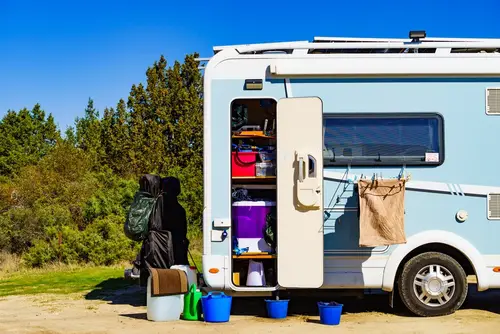
Check-in and check-out times exist for a reason: scheduling, cleaning, and planning. Arriving too early can interfere with the previous camper’s departure, and staying late can block the next guest. Staff rely on these windows to maintain order. Following the schedule keeps things running smoothly for everyone.
It also prevents unnecessary conflicts or awkward conversations. Campgrounds can get busy, and timing is everything during peak season. Being on time respects both the staff and fellow campers. Think of it as simple courtesy — you’d want the same respect when you arrive.
6. Keep Campsites Spacious
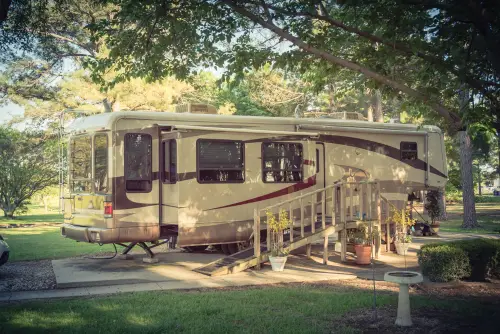
Parking too close to neighbors or spreading gear over shared space creates tension. Each site is designed with enough room for privacy and comfort. Crowding can lead to disputes over space, and nobody enjoys feeling boxed in. Respecting boundaries keeps the campground experience relaxing for everyone.
It also matters for safety and fire regulations. Keeping tents, grills, and chairs within your allotted area reduces fire hazards and trip risks. Campgrounds are often designed with buffer zones for a reason. Sticking to your space ensures a stress-free stay.
7. Keep Your Campsite Clean
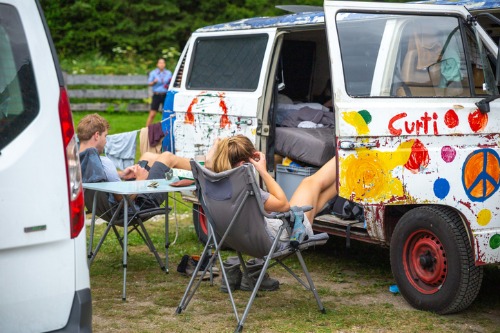
Nobody wants to arrive at a campsite that looks like a trash dump. Leaving garbage or food scraps behind can attract wildlife, which is dangerous for both animals and campers. It also leaves a negative impression on the next person who uses the site. A simple habit like packing out all trash ensures the site stays enjoyable for everyone.
Even small things matter, like wiping down picnic tables or sweeping out the fire pit. Campsites are often in delicate ecosystems, and litter can harm plants and soil. It’s also courteous — campers behind you will notice if you leave things tidy. Taking a few extra minutes to clean up goes a long way in protecting nature.
8. Keep Bathroom Etiquette in Mind
Bathrooms may not be glamorous, but using them responsibly matters. Flushing toilet paper, keeping stalls clean, and washing hands helps prevent disease. Overstuffed trash cans or messes can ruin the experience for the next camper. Small actions like this make a big difference in shared spaces.
If a campground has composting toilets or vault toilets, follow the specific instructions. They’re designed to protect the environment and handle waste properly. Using bathroom facilities correctly shows consideration for both nature and fellow campers. Nobody wants to clean up after someone else’s mess.
9. Avoid Cutting Down Trees or Plants
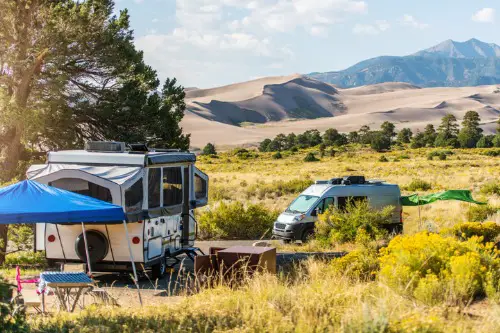
Some campers think snipping branches or gathering firewood is harmless, but it’s not. Dead wood can sometimes be essential habitat or help prevent soil erosion. Live plants are even more important — removing them disrupts the ecosystem. Leave nature intact so future campers can enjoy it too.
Collecting wood is often illegal in national or state parks. Most campgrounds provide wood for fire pits to prevent overharvesting. Taking things from the environment can also reduce biodiversity. Appreciate natural beauty without taking it home with you.
10. Respect Campground Rules
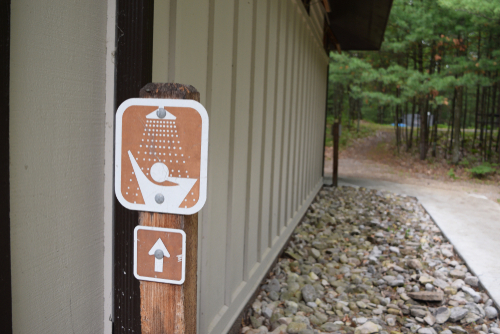
Every campground has its own set of rules, and ignoring them can cause problems. From quiet hours to pet policies, these rules exist for safety and fairness. Following them ensures everyone has a positive experience. Rules aren’t just bureaucracy — they’re common sense for shared spaces.
Breaking rules can also put others at risk. Fires, wildlife interactions, or overcrowding can get dangerous if regulations are ignored. Learning and adhering to the guidelines shows respect for both staff and nature. Treat it like a roadmap to a smooth and fun camping trip.
11. Keep Vehicles on Designated Roads
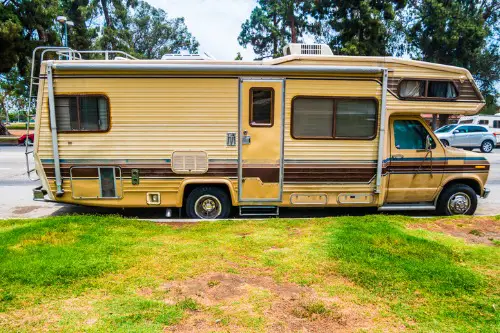
Driving or parking off-road can damage soil, plants, and animal habitats. Even a single tire track can erode the area and create lasting scars. Sticking to the roads protects the environment and keeps trails safe for everyone. Vehicles are convenient, but they come with responsibility.
It also prevents accidents — uneven terrain, hidden roots, or sudden drops can be dangerous. Campgrounds are planned with safety in mind, and off-roading risks more than just the ground. Following the designated paths is simple, but it preserves the area for years.
12. Be Friendly, But Respect Privacy
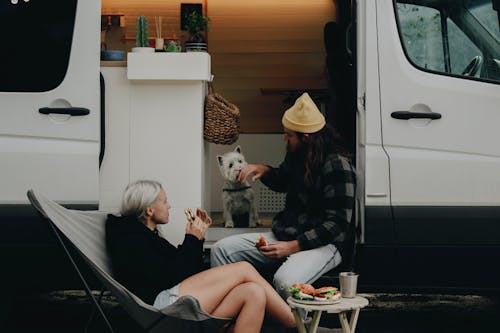
Camping is social, but it doesn’t mean imposing on others. Saying hello or sharing a smile is fine, but don’t assume people want company. Some campers are there to escape noise and interaction. Recognizing boundaries keeps everyone comfortable and happy.
It’s also about mutual respect — people enjoy a friendly environment without feeling crowded. Asking before borrowing supplies, chatting, or walking through someone’s area shows consideration. Simple manners can make a campground feel welcoming rather than stressful.
This post 12 Campground Etiquette Rules Everyone’s Ignoring — But Shouldn’t Be was first published on Greenhouse Black.
