
1. Granite Countertops
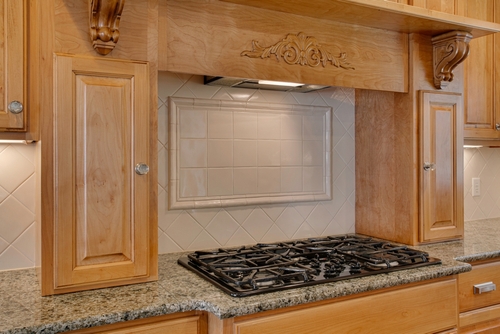
Granite used to be the gold standard of kitchen luxury, but homeowners are moving on. The heavy stone requires sealing, can crack under stress, and feels a bit dated next to newer materials. Quartz and sintered stone have taken over, offering similar looks with less upkeep and more consistent color. Designers now see granite as a “2000s trend” rather than a timeless choice.
Part of granite’s decline is about practicality—quartz never needs sealing and resists stains better. There’s also a sustainability angle since quarrying and shipping granite slabs has a big carbon footprint. Meanwhile, homeowners are favoring lighter, brighter kitchens, and granite’s busy speckled patterns don’t always fit that aesthetic. It’s not gone, but it’s definitely not the showpiece it once was.
2. Hardwood Flooring
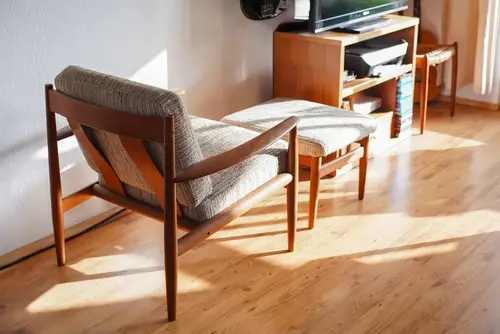
For decades, hardwood floors were the dream—but tastes and budgets are shifting. Real wood is expensive, prone to scratching, and not great with moisture. Homeowners are switching to engineered wood, luxury vinyl plank, and even bamboo for similar warmth with more durability. Many can’t justify the price when lookalikes perform better and are easier to maintain.
Another reason? Sustainability. Cutting down slow-growing hardwoods like oak or maple isn’t exactly eco-friendly. Engineered alternatives use less wood and more recycled materials, appealing to buyers who care about environmental impact. Solid hardwood will always have a niche, but it’s losing ground fast in new builds.
3. Carpet in Living Spaces
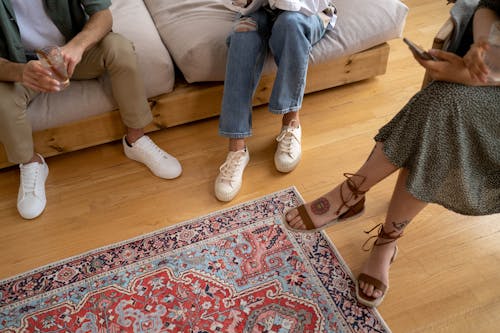
Wall-to-wall carpet was once a symbol of comfort and coziness, but it’s becoming rare outside bedrooms. People are realizing how easily it traps allergens, odors, and dirt. Hardwood and vinyl options are easier to clean and fit today’s preference for minimal, low-maintenance interiors. Carpeting just doesn’t hold up as well to modern lifestyles and pets.
Another shift is aesthetic—open-concept homes with natural light and cleaner lines clash with the look of heavy carpet. Rugs are the new compromise, offering softness without the hassle of full coverage. And with so many affordable hard flooring options now, wall-to-wall carpet feels outdated. Even luxury homes rarely include it beyond upstairs bedrooms.
4. Laminate Countertops

Laminate counters once dominated kitchens for their affordability, but they’re slowly disappearing from mid-range builds. The problem is perception—no matter how realistic the design, laminate still feels cheaper than stone or composite. It also scratches easily and can peel or bubble over time. Today’s homeowners see it as a “starter home” feature, not something long-term.
Quartz, concrete, and solid-surface options have become far more accessible in price. These materials last longer and look more upscale, even in smaller spaces. Builders now market durability and resale value, and laminate doesn’t win on either front. It’s still around for budget remodels, but it’s no longer the default.
5. Popcorn Ceilings
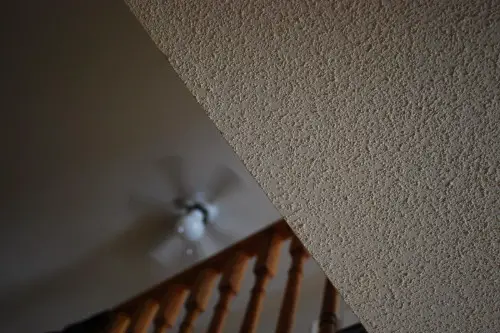
The textured “popcorn” ceiling had its heyday in the 1970s and 80s, but homeowners are over it. It was originally used to hide imperfections and dampen sound, but now it just screams “dated.” The bumpy surface collects dust and is nearly impossible to clean. Most buyers factor in removal costs when they see it in a listing.
Smooth or lightly textured ceilings are now the standard. They make rooms feel taller, brighter, and more modern. While popcorn was once considered practical, new soundproofing materials make it unnecessary. Contractors rarely apply it anymore unless specifically requested—which is almost never.
6. Vinyl Siding
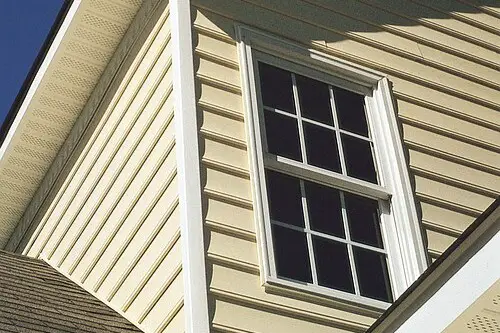
Vinyl siding became wildly popular for its low cost and easy installation, but it’s losing ground to fiber cement and engineered wood. Homeowners are realizing that vinyl can warp, fade, and crack over time. It also struggles to achieve the natural look today’s buyers want. Curb appeal matters more than ever, and vinyl doesn’t quite deliver.
Newer alternatives like Hardie Board and LP SmartSide are tougher, more realistic, and longer-lasting. They resist fire and insects better too, which appeals to homeowners in harsher climates. Vinyl isn’t disappearing overnight, but builders in mid- to high-end markets are moving away from it. The “cheap plastic look” stigma is hard to shake.
7. Ceramic Tile in Kitchens
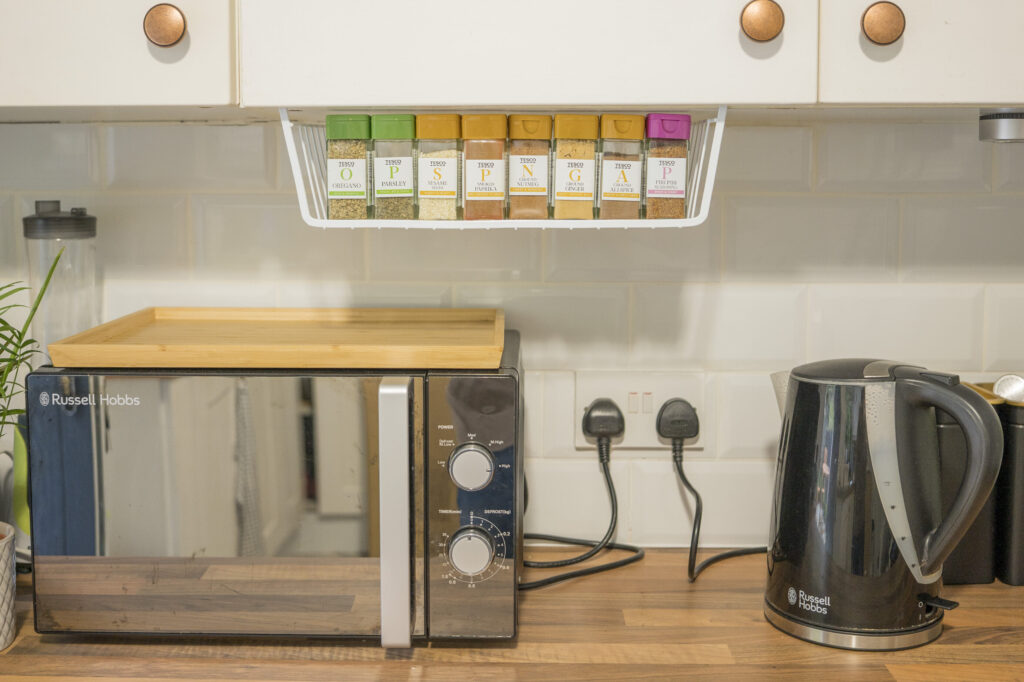
Ceramic tile floors were once standard in kitchens, but they’re losing traction to vinyl and composite options. Tiles can chip, grout lines stain, and standing on them for long periods is uncomfortable. Cleaning all those seams just isn’t appealing to busy homeowners anymore. LVP and large-format porcelain alternatives give the same look with less hassle.
Design trends have shifted toward seamless, continuous flooring across spaces. That’s hard to achieve with tile transitions. Plus, radiant heating systems pair better with engineered materials than with rigid ceramic. Builders now reserve ceramic mostly for bathrooms and backsplashes, not full kitchens.
8. Formica Cabinets
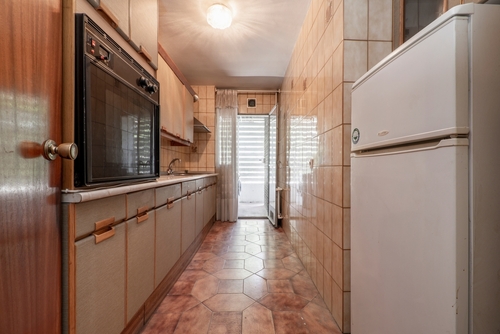
Once considered stylish and futuristic, Formica cabinets are another casualty of evolving taste. The glossy laminate finish shows wear and peeling over time. People now prefer the natural texture of wood veneers or matte painted finishes. Even in retro-inspired spaces, Formica tends to look more nostalgic than modern.
As open kitchens became the norm, cabinetry needed to look and feel more like furniture. That made synthetic laminates feel cheap and outdated. Thermofoil and melamine offer better durability and finishes for a similar price point. Designers are now prioritizing tactile quality, which Formica just can’t provide.
9. Marble Bathrooms
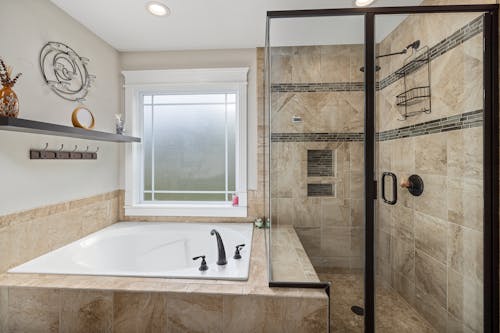
It sounds luxurious, but real marble is falling out of favor in bathrooms. It’s porous, stains easily, and requires regular sealing to prevent etching. Homeowners who’ve lived with it often regret the upkeep. Porcelain and quartz that mimic marble’s look are winning out because they’re nearly maintenance-free.
There’s also the cost factor—true marble is pricey to install and maintain. Builders can achieve the same high-end aesthetic with less expensive, more durable materials. The move toward “effortless luxury” makes marble feel impractical for everyday use. It’s still admired, but less often chosen.
10. Shiplap Walls
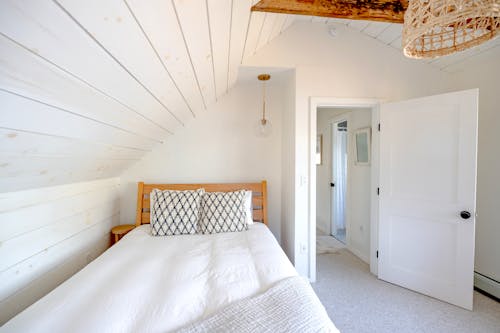
Shiplap had its farmhouse-chic moment, largely thanks to TV design shows. But as every builder and DIYer embraced it, the trend became oversaturated. Homeowners are now craving sleeker, more timeless wall treatments. Shiplap feels too tied to a specific era and style.
In modern interiors, people are leaning toward limewash, panel molding, or textured plaster instead. These give depth without the rustic vibe that shiplap demands. It’s not “out” yet, but it’s definitely moved into the “use sparingly” category. Designers now see it as a stylistic accent, not a default.
11. Fluorescent Lighting

Fluorescent tubes once dominated kitchens, garages, and offices, but LED lighting has completely eclipsed them. The old fixtures flicker, hum, and cast a harsh blue-white light. LEDs offer better energy efficiency, longer life spans, and customizable color temperatures. It’s hard to justify fluorescent bulbs when LEDs are cheaper long-term.
Even commercial spaces are replacing fluorescents to improve comfort and design appeal. Homeowners, too, are swapping out outdated fixtures for recessed or under-cabinet LEDs. The shift is as much about aesthetics as it is about efficiency. Fluorescent lighting just feels cold and old-school by comparison.
12. Brick Fireplaces
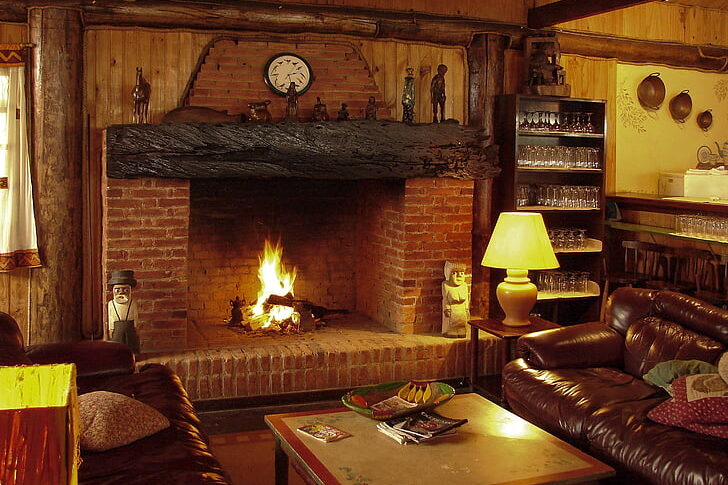
Brick fireplaces used to be a home’s cozy centerpiece, but they’re increasingly being redesigned or covered. The bulky look doesn’t suit today’s open layouts or minimalist designs. Homeowners are painting over brick, installing sleek surrounds, or replacing them with electric inserts. The trend now leans toward cleaner lines and lighter tones.
It’s not that brick is bad—it’s just visually heavy. Gas and electric fireplaces are easier to install, maintain, and style around. They offer instant ambiance without the mess or chimney maintenance. Brick has its charm, but modern homes are choosing function and flexibility over nostalgia.
13. Linoleum Flooring
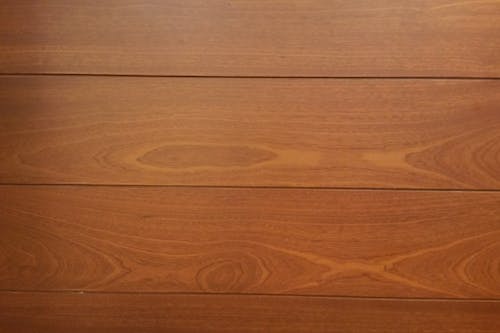
Linoleum once reigned supreme in kitchens and hallways for its durability and affordability, but its shine has worn off. While it was once prized for its resilience and colorful patterns, linoleum stains and dulls more easily than today’s materials. Modern vinyl and luxury vinyl tile offer the same retro charm with far less maintenance. Homeowners now view linoleum as a relic of mid-century practicality rather than a modern design choice.
Its decline isn’t just about looks—it’s also about expectations. Homeowners today demand flooring that’s waterproof, scratch-resistant, and easy to install, and linoleum struggles on those fronts. Even though it’s made from natural ingredients like linseed oil and cork, it can’t compete with engineered composites in performance. It still appears in vintage remodels, but rarely in new construction.
14. Acoustic Ceiling Tiles
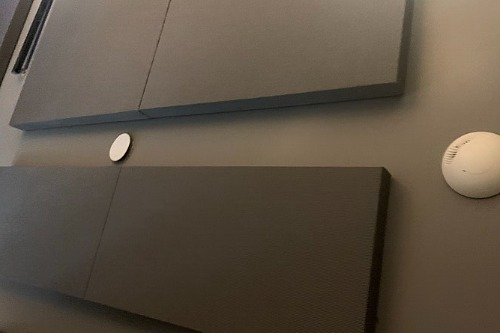
Common in basements and offices, acoustic ceiling tiles are losing their appeal in residential design. They were once an easy fix for hiding ductwork and dampening noise, but they make rooms feel dated and low. The visible grid lines and textured panels clash with today’s preference for smooth, open ceilings. Even remodelers who keep drop ceilings are swapping out the tiles for sleeker, modern alternatives.
Homeowners also realize how hard these tiles are to clean or replace without disrupting the whole grid. They can yellow, warp, or absorb odors over time, diminishing their once-practical charm. New soundproofing drywall and acoustic panels achieve the same effect without compromising aesthetics. The humble drop ceiling is quietly being retired from modern homes.
15. Brass Fixtures
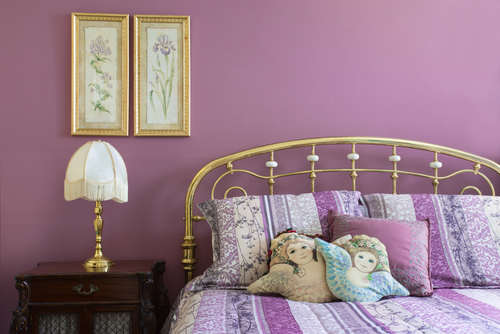
Once a hallmark of 1980s and 90s luxury, shiny brass fixtures are slipping out of favor again. The bright gold hue can feel overly formal and heavy in contemporary interiors. Homeowners now prefer muted metals like brushed nickel, matte black, or aged bronze. Brass hasn’t disappeared completely—but the polished variety certainly has.
This shift is about subtlety and versatility. The new generation of fixtures leans toward finishes that blend seamlessly across rooms rather than dominate them. Designers view reflective brass as too high-maintenance and too specific for flexible styling. Its bold gleam has given way to understated metallic warmth.
16. Stucco Exteriors
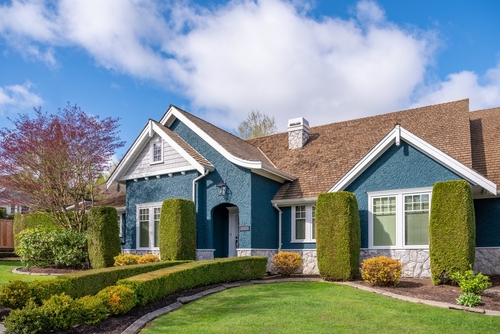
Stucco once defined upscale suburban homes, especially in warm climates, but it’s falling out of favor. The textured finish cracks easily, stains from water, and requires constant patching. In wetter regions, it can even trap moisture and lead to structural issues. Fiber cement, composite siding, and smooth masonry now offer more durability and better curb appeal.
Part of stucco’s decline is about changing style preferences. Homeowners are moving toward cleaner, flatter façades that align with modern and transitional designs. The once-chic Mediterranean look now feels overly regional and maintenance-heavy. While still common in older neighborhoods, stucco is rarely a top pick for new builds.
17. Terrazzo Flooring
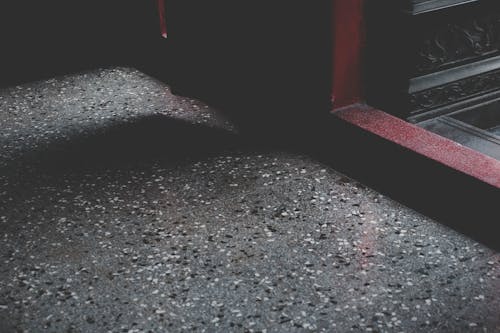
Terrazzo had a stylish resurgence a few years ago, but its second wave is already receding. The composite material looks unique but comes with a steep price tag and tricky installation. It’s also cold and slippery underfoot, which makes it less appealing for homes compared to commercial spaces. Homeowners who loved the aesthetic are now choosing terrazzo-look porcelain tiles instead.
Maintenance is another factor in its quiet exit. Real terrazzo requires sealing, polishing, and care to keep it from dulling or cracking. Alternatives capture the same speckled charm with far fewer headaches. The statement floors of yesterday are being replaced by practical, low-maintenance options that still feel modern.
18. Solid Wood Doors
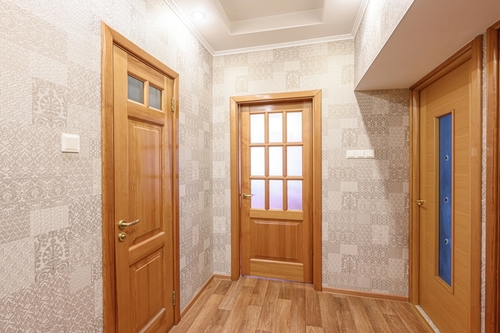
Solid wood interior doors once symbolized quality craftsmanship, but they’re giving way to engineered options. Real wood can warp, swell, and crack with humidity, making it a maintenance challenge. Engineered doors with MDF cores or composite veneers are lighter, more stable, and far more affordable. To most buyers, they look virtually identical once painted or stained.
The shift isn’t just economic—it’s environmental too. Solid wood doors require more lumber, while engineered versions use recycled materials and less waste. Builders love the ease of installation and uniformity that composites provide. The era of heavy oak or mahogany doors is being replaced by smarter, lighter design.
19. Laminate Flooring
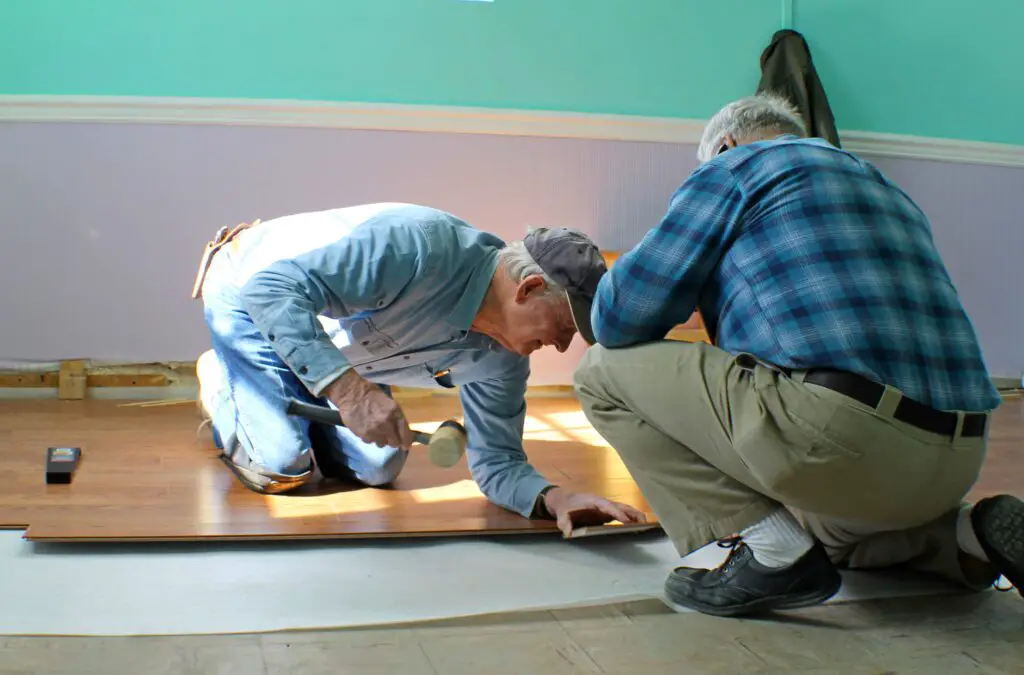
Laminate flooring was once the ultimate hardwood alternative, but it’s being eclipsed by luxury vinyl plank. While laminate offered realism at a lower cost, it doesn’t handle moisture well and can swell or peel if exposed to water. Vinyl plank, on the other hand, is waterproof and more comfortable underfoot. Homeowners are finding it hard to justify laminate when vinyl performs better for a similar price.
Even aesthetics play a role in its decline. The newest vinyl options mimic wood grain so convincingly that laminate no longer holds the advantage. Plus, its hollow sound underfoot gives away its budget roots. What was once a breakthrough in affordable flooring is quietly being left behind.
This post 19 House Materials That Are Quietly Being Phased Out was first published on Greenhouse Black.
