
1. Magnolia
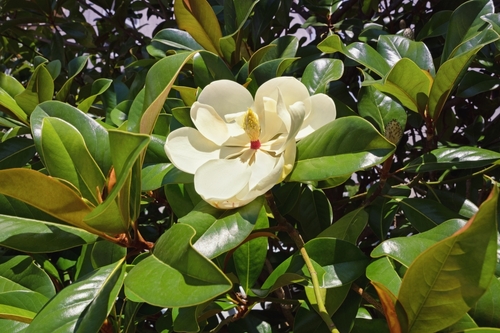
Magnolias are stunning but tricky to plant near homes. Their roots are thick and strong, capable of displacing soil as they expand. While they’re not as invasive as willow or poplar roots, they still exert steady pressure underground. That can lead to small foundation shifts or cracks after several years of growth.
Magnolia roots also tend to rise close to the surface. This makes them more likely to affect walkways and driveways, which can eventually translate into foundation stress. The larger the magnolia, the wider the root zone becomes. They’re best planted as statement trees far from your house.
2. Willow
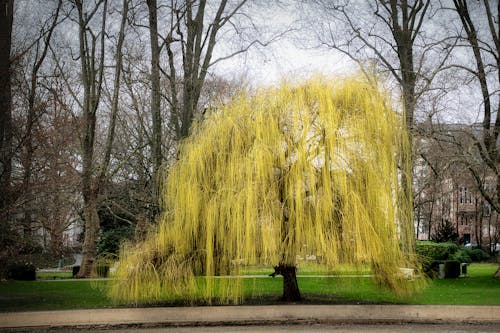
Willows, especially weeping willows, are some of the thirstiest trees around. Their roots can travel two to three times the height of the tree in search of water. That’s bad news if you have any underground pipes, septic systems, or foundation cracks within reach. They’ll find and exploit any source of moisture, even from small leaks in a basement wall.
These roots don’t just push soil aside; they can displace it, changing how water drains around your house. That can make the soil expand and contract unevenly, putting pressure on your foundation. The result? Cracks, leaks, and long-term settling issues. Plant willows at least 50 feet away from any structures if you want to admire their beauty without the headaches.
3. Oak
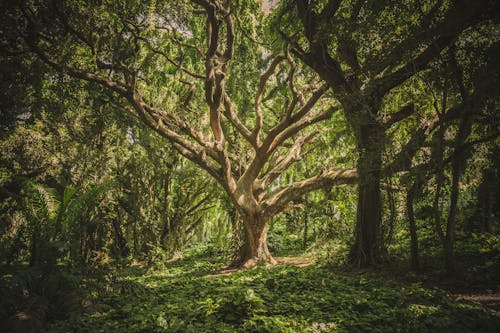
Oaks are majestic, but their size and longevity come with a price. They develop deep, strong root systems that can stretch out nearly as far as the tree is tall. While oaks don’t have the shallow invasiveness of some trees, their massive roots can still shift soil and destabilize nearby structures over decades. It’s a slow process — but one that can cause serious problems down the line.
Clay-heavy soil is especially vulnerable to oak roots. As these roots absorb moisture, the soil shrinks and expands, stressing the foundation. Cracks may start small and widen over the years as the tree grows. If you’re planting an oak, give it a generous buffer — 30 to 40 feet minimum.
4. Poplar
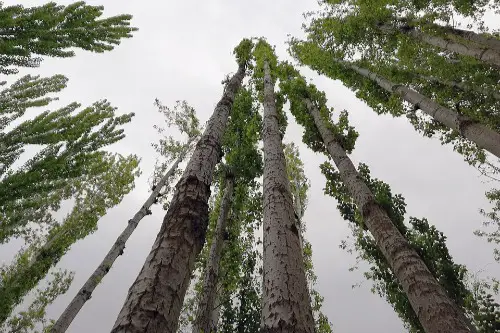
Poplars are fast-growing trees that often appeal to homeowners who want quick shade. Unfortunately, that speed comes with weak wood and a sprawling root network that aggressively hunts for moisture. Poplar roots can extend more than 100 feet, and they’re known for intruding into plumbing and foundation spaces. Even if the tree looks harmless at first, its roots can quietly do damage underground.
Because poplars have shallow roots, they easily lift driveways, patios, and walkways. Over time, this uneven pressure can lead to shifting soil around your home’s base. That’s when cracks and leaks tend to appear in basements. It’s best to keep these trees at a safe distance — ideally planted on the edge of your property, not near your house.
5. Ash
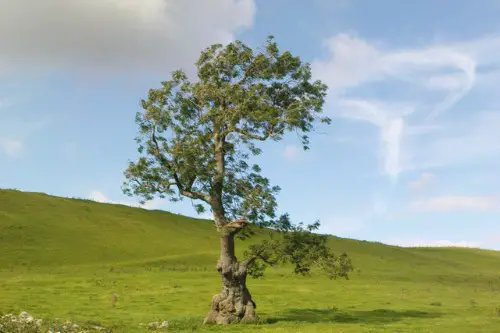
Ash trees are beautiful and provide excellent shade, but they also have dense, fibrous roots that spread wide. In urban and suburban areas, their roots tend to invade lawns, pipes, and foundations as they chase water sources. They’re not as aggressive as willows, but they can still cause plenty of trouble in compacted soil. Once an ash root finds a crack in your foundation, it can slowly widen it over time.
The other problem with ash trees is their size. Mature ashes can grow over 60 feet tall, which means their roots reach nearly as far. The combination of size and density puts stress on nearby structures. If you already have one close to your home, make sure it’s trimmed and monitored regularly.
6. Elm
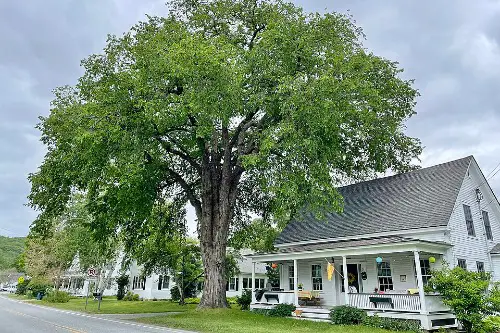
Elms, particularly American elms, have expansive root systems that thrive in moist soil. Their roots can grow horizontally for more than 100 feet, making them one of the more invasive species when it comes to foundations. Because they grow fast, they can alter the soil’s structure around a house before you even notice. The real danger is how they can lift sidewalks and cause uneven settling beneath your foundation.
If your home sits on clay or loam, elms can be especially problematic. Their roots absorb a lot of moisture, creating soil shrinkage in dry weather and swelling during wet seasons. That constant movement stresses the concrete below your home. Unless you’ve got lots of yard space, elms are better admired from a distance.
7. Eucalyptus
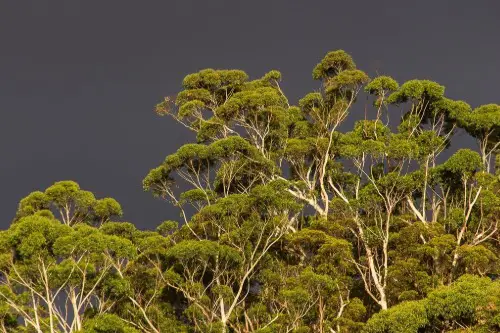
Eucalyptus trees are prized for their fragrance and beauty, but their roots can be surprisingly destructive. They’re designed to find water deep underground, meaning they’ll exploit any weak spot near foundations or sewer lines. In dry climates, their roots will aggressively search for moisture, even if that means pushing through cracks. Left unchecked, they can destabilize the soil directly beneath your house.
Another issue with eucalyptus trees is their rapid growth. The faster the tree grows, the quicker its roots spread, often extending twice the height of the tree. Over time, this creates uneven ground pressure that can lead to foundation shifts. If you must plant one, keep it far from buildings and regularly prune it.
8. Sycamore
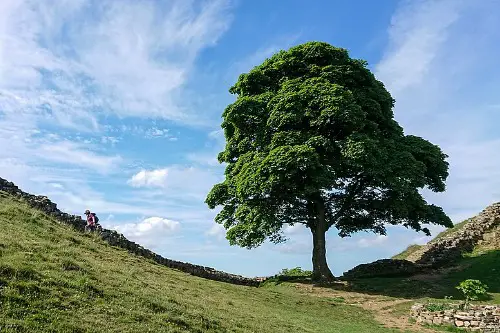
Sycamores are among the most water-hungry trees, which makes them risky near any structure. Their roots are large, thick, and tend to move toward moisture pockets underground. That means your home’s footing or drain tiles can quickly become a target. Once these roots expand, they can heave concrete and create serious cracks.
Because sycamores grow so tall, their roots also spread wide to stabilize them. Unfortunately, that puts them in direct conflict with sidewalks and foundations. They’re a classic example of a beautiful tree that belongs in open parks, not small yards. If planted too close, they’ll inevitably find your home’s weakest spot.
9. Sweetgum
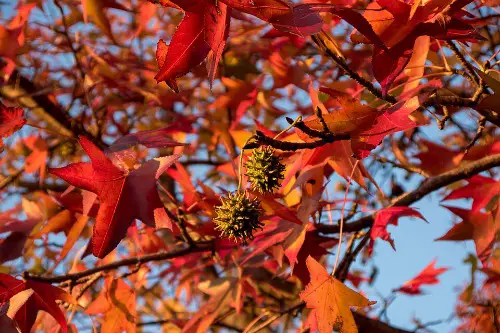
Sweetgum trees are attractive with their star-shaped leaves and colorful fall display, but their roots are notoriously shallow and far-reaching. These roots love to travel just below the surface, often lifting sidewalks and driveways. The same force can push against your foundation, especially in areas with compacted or poorly drained soil. Over time, even small root pressure can create uneven stress on your home’s base.
They also drop spiky seed pods that make lawn care tricky. But the bigger concern is their root behavior — constantly expanding outward in search of air and water. This can shift soil levels unevenly, which may lead to foundation settling. Unless you have a large property, sweetgum trees are best avoided near buildings.
10. Cottonwood
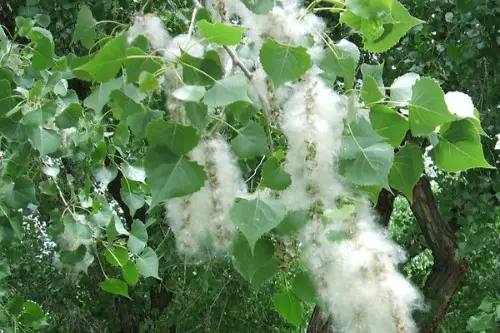
Cottonwoods are fast-growing and massive, with root systems to match. They need a lot of water, and their roots will go wherever they can find it — even under your foundation. They’re especially dangerous if you have older clay pipes or small foundation cracks, which can quickly widen under root pressure. It’s not uncommon for cottonwood roots to invade sewer lines and cause costly plumbing repairs.
Their roots can also dry out the soil near your home. This causes the ground to shrink and settle unevenly, especially during drought conditions. Once that happens, cracks start forming in walls or basement floors. If you love cottonwoods, plant them at least 50 to 75 feet from your home.
11. Boxelder
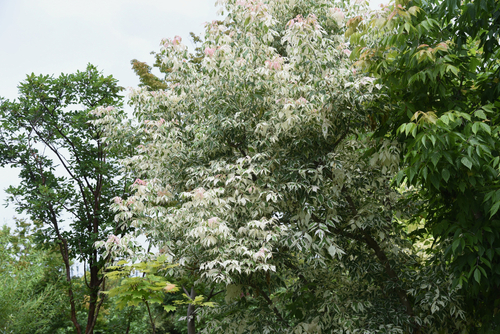
Boxelders might look harmless, but their root systems spread aggressively. They’re technically a type of maple, and they share the same tendency to chase water sources. These roots can creep into foundations, sidewalks, and even septic tanks if they’re close enough. Because boxelders grow fast, the problem can escalate in just a few years.
Another issue is that boxelders often sprout multiple trunks, which means their root base expands in multiple directions. That adds uneven stress to the surrounding soil. Over time, the shifting can lead to foundation cracks and misaligned slabs. For urban areas, this tree is better left off the planting list.
12. Birch
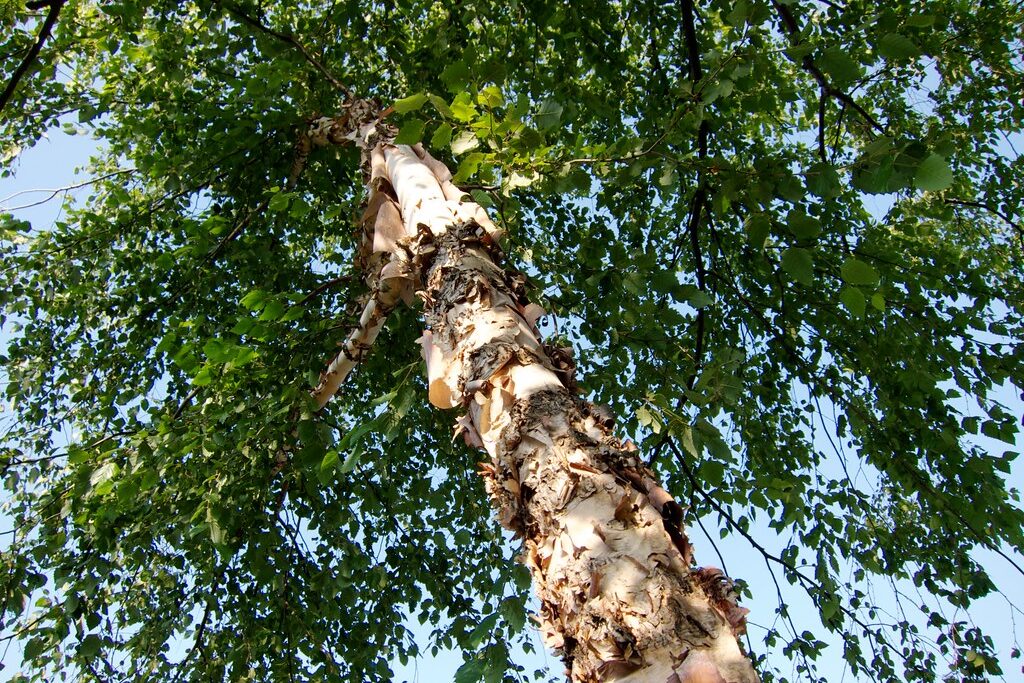
Birch trees prefer moist soil, so their roots naturally seek out water near foundations or underground pipes. Their roots are shallow and fibrous, making them more likely to push through weak soil barriers. They don’t grow as large as some other species, but they can still cause cracking and uneven ground pressure. The real issue is their constant search for moisture in dry climates.
Once birch roots find a consistent water source near a foundation, they’ll continue to expand that direction. This can lead to soil compaction and drainage problems over time. You might notice pooling water or minor settling before visible cracks appear. To prevent issues, keep birches at least 30 feet from any structure.
13. Silver Maple
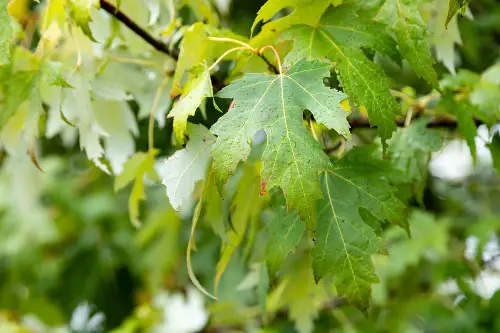
Silver maples grow fast and wide, which sounds great until their roots start seeking water near your foundation. Their root systems are shallow but extremely aggressive, spreading far beyond the tree’s canopy. They’re notorious for cracking sidewalks and driveways because the roots naturally follow moisture lines — including those around your home’s footing. Even if the tree is 20 feet away, its roots can still snake their way to your basement walls.
Homeowners often underestimate how invasive these roots can be. Once they reach your foundation, they can slip into small cracks and widen them over time. This can lead to leaks, uneven settling, or even structural damage in older homes. If you’ve got a silver maple near your house, it’s wise to have a certified arborist inspect it before the damage creeps in.
14. Norway Maple
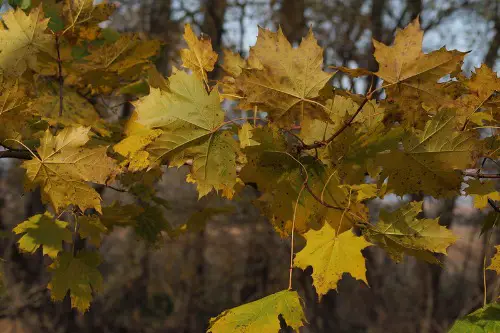
Norway maples are popular for their dense shade, but their roots are among the most aggressive of any landscape tree. They grow just below the surface, lifting lawns, driveways, and patios in the process. These roots also compete fiercely for water, pulling moisture from the soil around your foundation. As the ground dries and shifts, the foundation can crack or settle unevenly.
What makes Norway maples especially sneaky is how quietly they spread. You might not see visible surface roots until the damage has already started underground. Their ability to thrive in almost any soil type only makes them more problematic. If you value your foundation, this is one tree to admire from a distance, not your front yard.
This post 14 Common Trees That Damage Foundations Before You Realize It was first published on Greenhouse Black.
