
1. Skipping Soil Tests
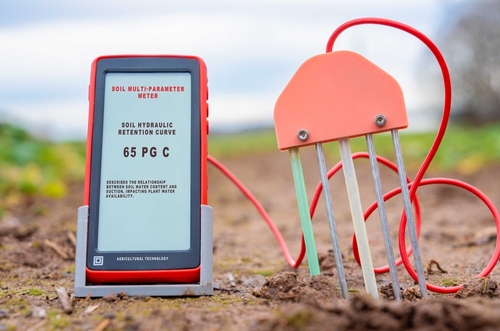
A lot of homeowners fertilize blindly, which can waste both time and money. Soil pH and nutrient balance vary widely, and guessing may result in applying the wrong products. Too much fertilizer can burn the lawn or encourage weed growth. Without a test, you’re essentially throwing money at an uncertain problem.
Testing your soil helps you apply exactly what your grass needs. Correcting pH and nutrient deficiencies prevents unnecessary treatments. You’ll spend less on products and see better results. It’s a small step with big financial and aesthetic payoffs.
2. Mowing Too Short

Cutting your grass too short may make it look neat, but it actually weakens the lawn. Short blades stress the roots and expose soil, making it easier for weeds and pests to take over. You’ll end up needing extra fertilizer and water just to keep it alive. Over time, this habit drains money and energy without giving the results you want.
Grass needs height to shade its own soil and retain moisture naturally. By keeping blades at about three inches, you reduce water usage and protect the roots. The lawn also becomes more resilient to drought and foot traffic. It’s a simple change that saves money while keeping your yard healthy.
3. Overwatering

Many people assume daily watering keeps lawns lush, but it often harms grass instead. Frequent shallow watering prevents deep root growth, leaving plants dependent on constant moisture. That means higher water bills and a fragile lawn. Over time, overwatering can even promote disease in your grass.
Deep, infrequent watering encourages strong roots that can access moisture themselves. This reduces the frequency you need to water and strengthens the lawn against dry spells. You’ll also see less runoff, which saves water and prevents nutrient loss. It’s a money-saving strategy that actually improves lawn health.
4. Using the Wrong Fertilizer
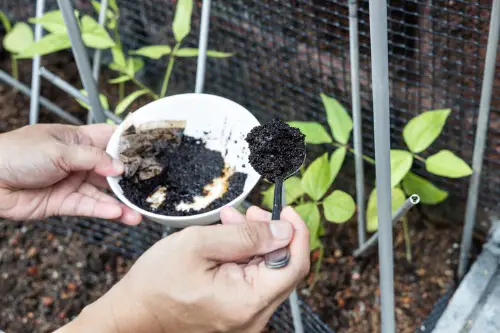
Choosing a fertilizer without considering your grass type or season can backfire. For instance, a nitrogen-heavy mix in the fall can damage cool-season grasses. Applying the wrong product not only wastes money but may require extra corrective treatments. Your lawn may look worse despite your effort and expense.
Using a fertilizer formulated for your specific grass type and time of year ensures nutrients are absorbed efficiently. This keeps the lawn healthy and reduces the need for repeated applications. You get more value from every bag you buy. Correct timing and formulation are key to avoiding waste.
5. Ignoring Weed Prevention

Letting weeds establish costs more than preemptive care. Weeds compete with grass for nutrients and water, often requiring expensive spot treatments. They also make your lawn look unkempt, which may push you to overfertilize. That adds to both expense and maintenance time.
Preventing weeds early with proper mowing, fertilizing, and selective herbicides is far cheaper. Healthy, dense grass naturally crowds out most weeds. A little proactive care keeps your lawn looking full and green. Investing in prevention saves money long-term.
6. Neglecting Aeration

Compacted soil chokes grass roots and prevents nutrients from being absorbed. Skipping aeration leads to patchy, weak lawns that need extra fertilizer and water. It also encourages runoff and poor drainage, which can damage plants. Over time, the lawn’s overall health suffers.
Aerating at least once a year helps roots access air, water, and nutrients. It reduces the need for extra watering and fertilizing. Lawns respond with stronger growth and better resilience. Aeration is a low-cost way to prevent ongoing problems.
7. Mowing With Dull Blades
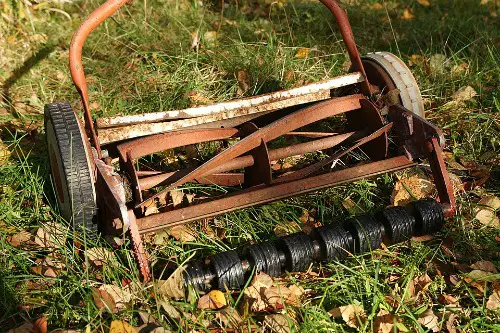
Dull mower blades tear grass rather than cut it cleanly. This causes brown tips and opens the lawn to disease. You may feel the need to water or fertilize more to correct damage. Replacing or sharpening blades is cheap compared to repeated corrective care.
A clean cut heals quickly and encourages thicker growth. Your lawn looks healthier with less effort. It also reduces stress on the grass, which means fewer weeds. Regular maintenance on your mower saves money indirectly every season.
8. Ignoring Seasonal Fertilization
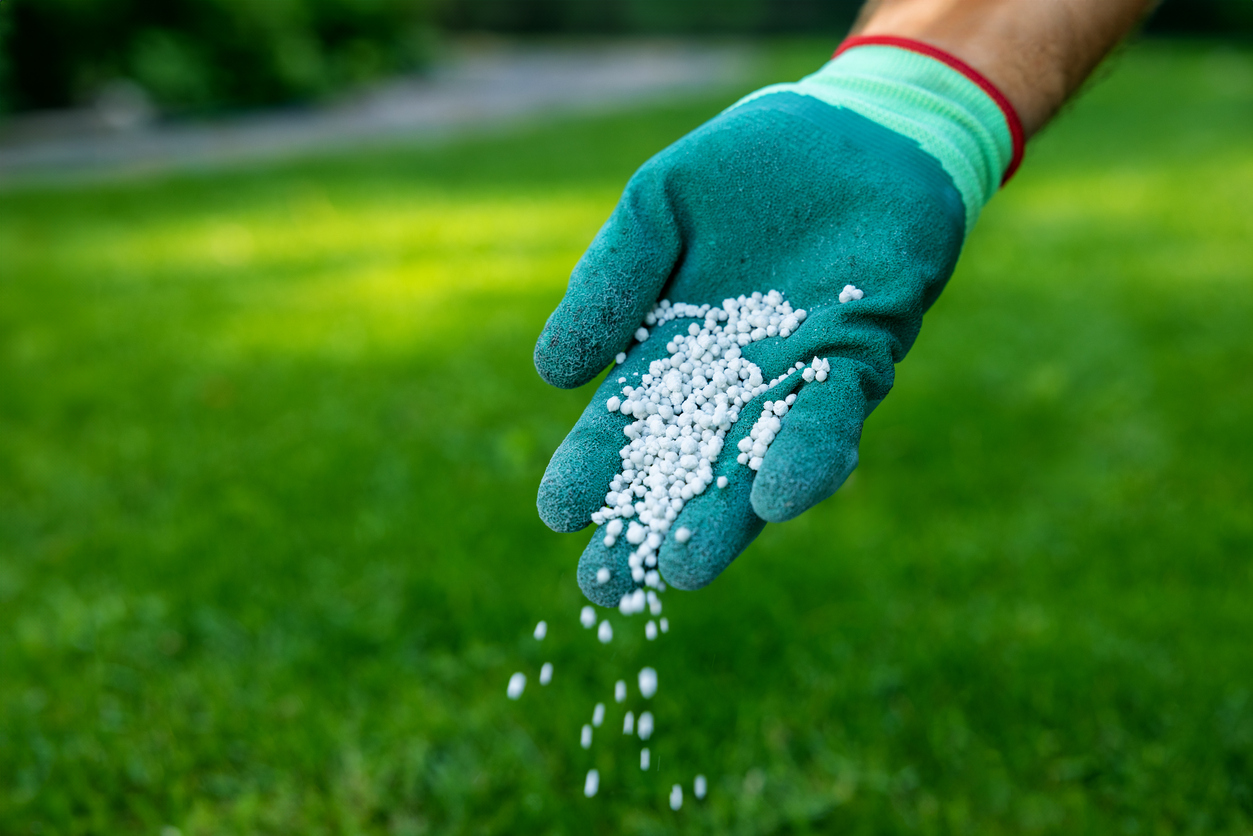
Grass has different nutrient needs depending on the season. Applying the same fertilizer year-round wastes money and may harm the lawn. Too much nitrogen in the fall or too little in spring can stunt growth. Misaligned fertilization leads to patchy, weak lawns requiring costly remedies.
Following a seasonal fertilization schedule ensures your lawn gets exactly what it needs. This promotes strong roots, lush growth, and disease resistance. You’ll use fewer products overall. Timing your feedings correctly maximizes both health and savings.
9. Skipping Mulching
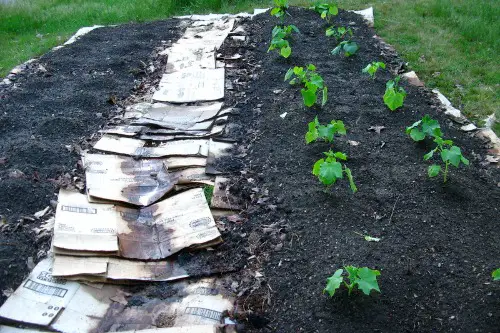
Bagging every grass clippings seems tidy, but it removes natural fertilizer. Clippings are rich in nutrients that return to the soil if left behind. Throwing them away forces you to spend more on synthetic fertilizers. Mulching is a free way to feed your lawn naturally.
Leaving clippings also helps retain soil moisture, reducing watering needs. They break down quickly and blend seamlessly into your yard. Your lawn grows thicker without additional cost. It’s an effortless trick that saves money and time.
10. Using Too Much Pesticide
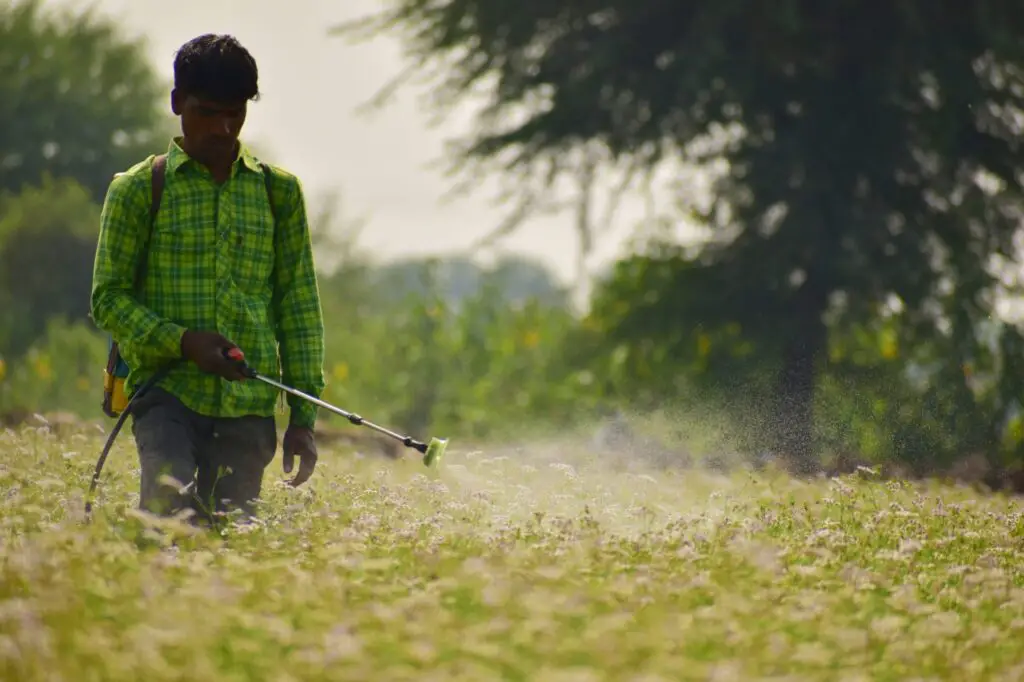
Overusing chemicals doesn’t make problems vanish faster. Excess pesticides can harm beneficial insects, create resistant weeds or pests, and damage grass. You end up needing more treatments to fix the damage. It’s a cycle that wastes money and effort.
Spot-treating only where needed protects the lawn and reduces costs. Integrated pest management practices target problems efficiently. This method balances results with environmental responsibility. Careful application saves both your wallet and your lawn.
11. Mowing When Wet

Cutting wet grass seems harmless but actually causes problems. Wet blades tear the grass instead of cutting cleanly, leaving ragged edges that stress the lawn. You may also spread disease from one area to another. These issues can lead to extra fertilizer, reseeding, or repair costs.
Waiting until the lawn dries allows a cleaner cut and less compaction. It also prevents mower clogging and uneven cuts. Grass recovers faster and stays healthier overall. Patience when mowing reduces hidden costs.
12. Over-Seeding Excessively

Seeding too often or in the wrong conditions can backfire. Grass may fail to establish, wasting seed and money. Overcrowding can also cause disease and poor root development. This leads to repeated attempts, doubling your expenses.
Seeding only when necessary and under optimal conditions ensures success. Healthy grass fills in naturally over time. You’ll save seed, water, and labor. Strategic seeding keeps both lawn and budget intact.
13. Neglecting Edging
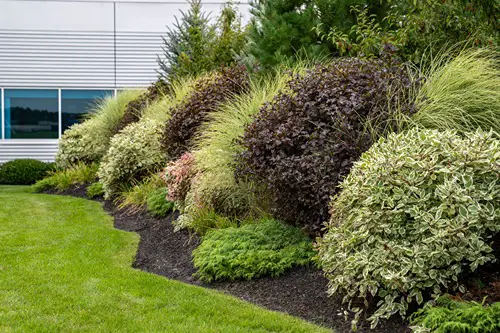
Ignoring edges makes a lawn look sloppy, even if the grass itself is healthy. Overgrown edges can hide weeds, trap debris, and make maintenance harder. You might spend extra on weed control or trimming later. Unkempt borders subtly signal neglect.
Regular edging keeps your lawn looking sharp with minimal effort. It prevents weeds from spreading into flower beds or walkways. Simple trims create a polished appearance without extra costs. A well-defined edge is low-cost but high-impact.
14. Relying on Cheap Equipment
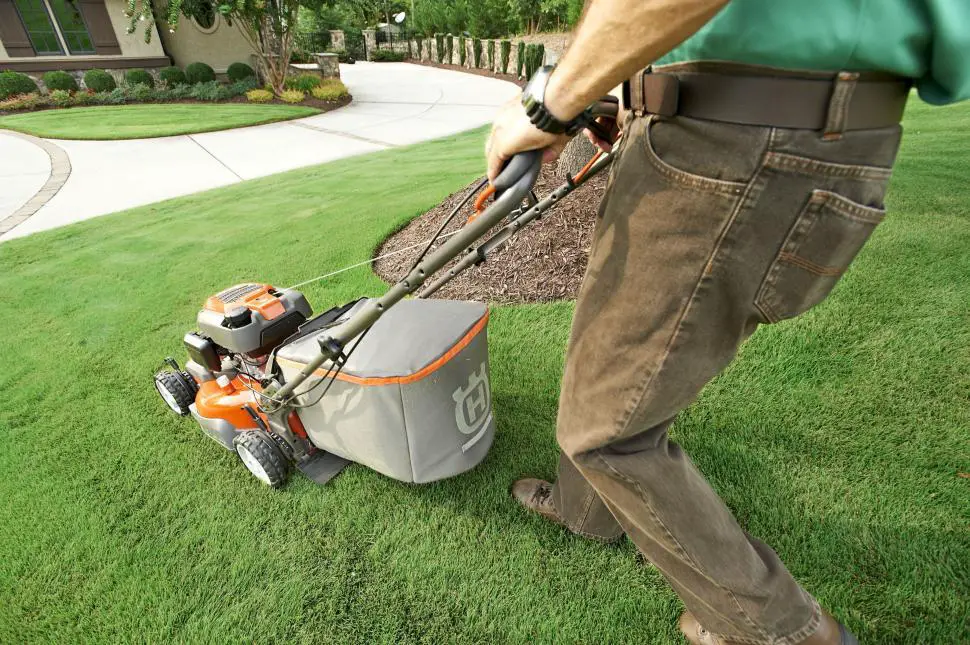
Buying the cheapest mower or tools may save money upfront, but they often break or underperform. Inefficient equipment can tear the lawn, miss patches, and require more labor. Repairs or replacements cost more over time. Poor equipment also makes routine tasks harder, discouraging proper maintenance.
Investing in reliable tools ensures cleaner cuts and faster work. High-quality equipment lasts longer and reduces hidden repair costs. It also helps you maintain a healthier, more attractive lawn. Spending a bit more upfront avoids repeated expenses later.
This post 14 Lawn Care Habits That Waste Money and Signal Neglect was first published on Greenhouse Black.
