
1. Backyard Tiny Homes
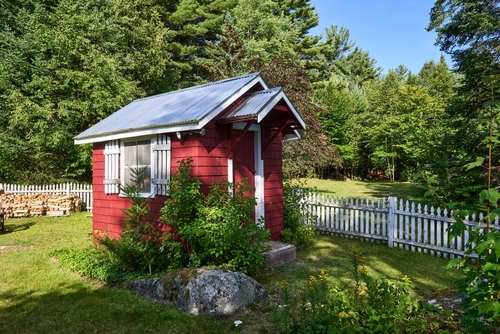
Tiny homes on residential lots have become trendy, but zoning codes haven’t always caught up. Many municipalities classify them as illegal secondary dwellings if the property isn’t zoned for multiple residences. Even when they’re used as guesthouses or offices, the presence of plumbing or a kitchen can make them technically noncompliant. Homeowners sometimes skirt the law by labeling them as “sheds” or “studios.”
The confusion arises because state laws differ on what counts as a dwelling unit. In California, ADUs are legal under statewide law, but in parts of New England or the Midwest, they’re still banned in single-family zones. That inconsistency puts homeowners in a legal gray zone that depends more on local enforcement than clear rules. It’s one reason why some tiny homes are built on wheels—to dodge permanent structure regulations.
2. Hidden Basement Apartments
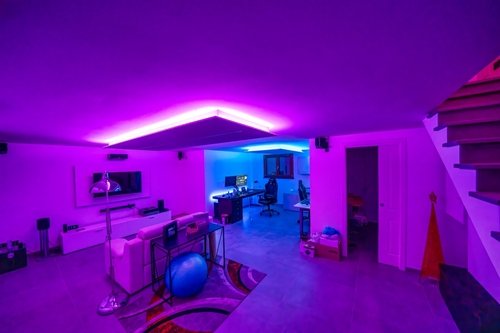
Basement apartments sound like a great way to make some extra income, but in many states, they can be technically illegal if not properly zoned or permitted. Requirements for minimum ceiling height, natural light, and egress windows are often strict. Homeowners who finish a basement and quietly rent it out can find themselves in violation of both building and fire codes. The gray area? Some jurisdictions allow “in-law suites” that meet code but prohibit independent rental units.
Adding a kitchenette, locking the internal door, and listing it on short-term rental sites can tip the scale from family-friendly to forbidden. Enforcement varies wildly by city, which is why many owners fly under the radar for years. It’s a fine line between a legitimate accessory dwelling unit (ADU) and an illegal apartment. The legality often depends on the exact definition of “separate living space” in local ordinances.
3. Converted Garages
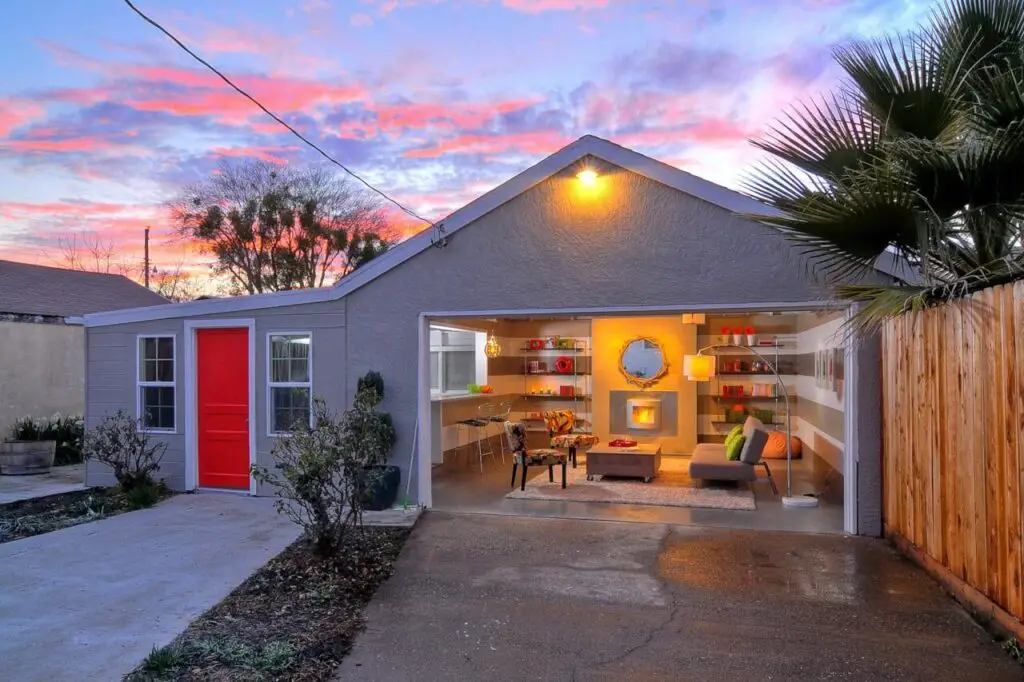
Turning your garage into a family room or rental space feels like a smart use of space, but it’s often not as simple as drywall and flooring. Most local codes require at least one covered parking space per home, and removing it can violate zoning laws. In some areas, you can apply for a variance—but without it, the space could be deemed illegal living quarters. This becomes a big issue when selling or refinancing the home.
The legal murkiness increases when plumbing or gas lines are added. A garage-turned-studio may pass casual inspection but fail under formal scrutiny. Cities like Los Angeles and Austin have begun cracking down on these unpermitted conversions. Homeowners often don’t realize that what’s fine in the eyes of their neighbors isn’t fine in the eyes of the code inspector.
4. Historic Home Window Replacements
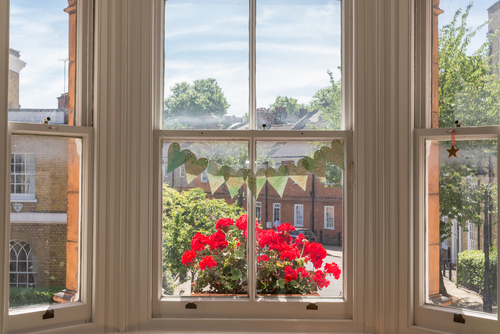
Replacing drafty old windows can make sense financially, but in designated historic districts, it can also break preservation laws. Many local commissions require homeowners to maintain the historic façade—including original window style, material, and pane design. Installing modern vinyl or double-pane replacements without approval can lead to fines or mandatory restoration. The tricky part is that rules vary even block by block.
Some homeowners claim they didn’t know their house was in a historic overlay zone. Others replace the windows first and seek forgiveness later—a gamble that doesn’t always pay off. Even minor design tweaks like grid patterns can violate strict guidelines. What feels like an upgrade to one person can look like a crime against heritage to a preservation officer.
5. Over-the-Top Outdoor Lighting
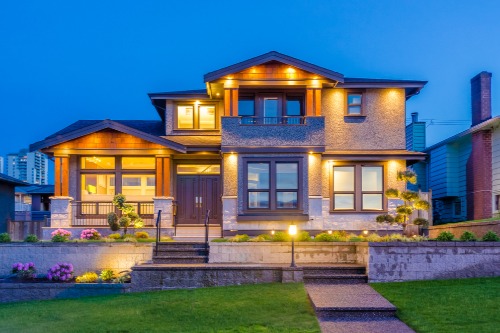
Excessive landscape lighting or architectural uplighting can push a home into code violation territory. Many municipalities enforce “dark sky” ordinances to reduce light pollution and protect neighbors’ privacy. Lights that shine upward or spill into neighboring yards can lead to citations, especially in suburban and rural areas. The line between tastefully lit and illegally bright is often subjective.
Even motion-activated floodlights can run afoul of these rules if aimed improperly. The problem is that enforcement often depends on complaints, not inspections. So one annoyed neighbor can suddenly turn your ambient glow into a legal headache. It’s a case where good design sense and local law are surprisingly intertwined.
6. Roof Deck Additions

Adding a roof deck sounds like a dream—sunset views, extra living space—but it can easily cross legal boundaries. Many building codes restrict additional load-bearing structures or require special permits for rooftop use. If the deck alters the home’s height profile or privacy lines, zoning boards can step in. Even handrail height and wind resistance specs come into play.
The biggest gray area is often privacy. A deck that overlooks another yard can trigger neighbor complaints and zoning disputes. In historic or dense neighborhoods, roof decks can even violate view corridor regulations. It’s the kind of feature that looks amazing in real estate photos but can become a regulatory nightmare later.
7. Decorative Fences and Stone Walls

A charming white fence or stone wall seems harmless, but height limits and setback rules can make them technically illegal. Many towns limit front yard fences to three or four feet to preserve sight lines and “neighborhood character.” If you build higher or closer to the street, you might face a removal order. Materials can matter, too—some historic districts ban vinyl or chain link entirely.
The confusion often comes from overlapping property lines and unclear surveys. Homeowners sometimes build “just inside the line,” only to find out later it’s city right-of-way. Once installed, even small encroachments can lead to costly disputes. What looks like curb appeal might actually be a boundary violation in disguise.
8. Converted Attics Without Egress
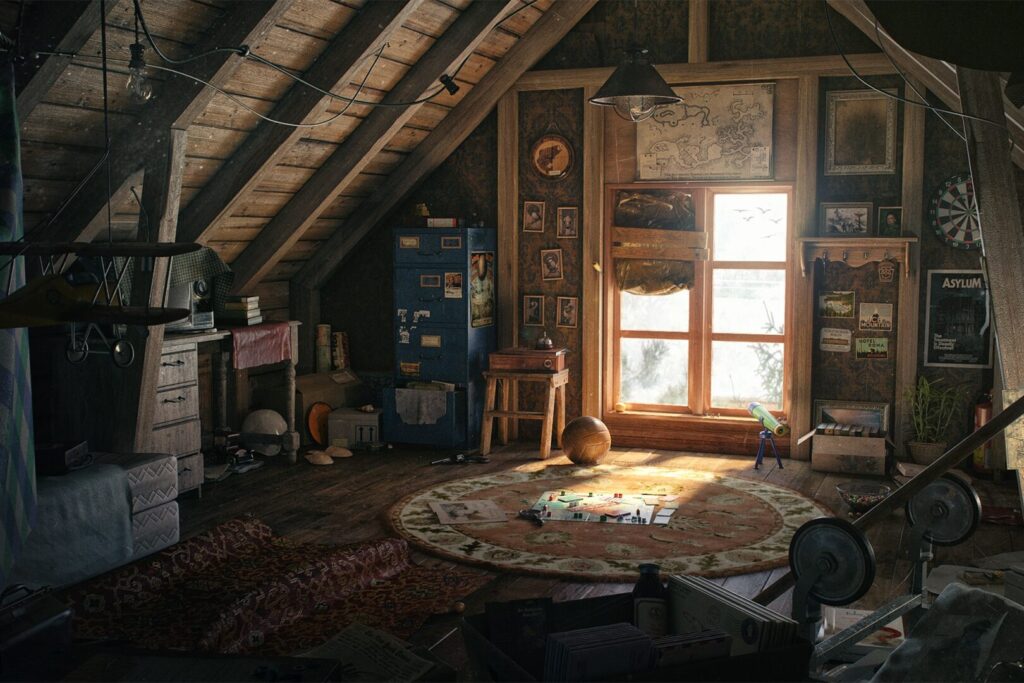
Finishing an attic into a bedroom or office can add value, but it can also break building codes if not done safely. Most states require a legal bedroom to have two exits, one of which must lead directly outside. Many old homes have small dormer windows that don’t meet that standard. The result? A cozy space that’s technically uninhabitable.
This often flies under the radar until the house is sold or rented out. Appraisers and inspectors will flag a “nonconforming” bedroom, potentially lowering the property’s value. Homeowners think of it as creative use of space; the code sees a safety hazard. It’s one of the most common gray zones in older American homes.
9. Treehouse Structures

Treehouses sound innocent enough, but once they get too big—or too close to a property line—they can become illegal structures. Many towns set limits on height, distance from fences, and use of utilities. Add electricity or plumbing, and you’re suddenly in building permit territory. Some municipalities even classify them as “accessory buildings.”
Parents often claim ignorance or treat the structure as temporary play equipment. But building inspectors don’t always see it that way, especially if it has stairs, walls, or a roof. The gray zone lies in the intent—fun backyard project or unpermitted construction? Either way, it’s a surprisingly common code violation cloaked in nostalgia.
10. Front Yard Parking Pads

Paving over your front yard for extra parking might seem convenient, but it often breaks zoning laws. Many cities restrict impervious surface coverage to manage stormwater runoff. Others ban front yard parking entirely to preserve neighborhood aesthetics. Without a permit, a concrete pad can lead to hefty fines.
Homeowners sometimes try to get around the rules with gravel or pavers, calling it a “temporary surface.” But many local codes define any vehicle parking area as permanent if it’s regularly used. Enforcement usually starts with a neighbor complaint. What begins as a practical improvement can turn into a bureaucratic battle over drainage and design.
11. Solar Panels in Historic Zones
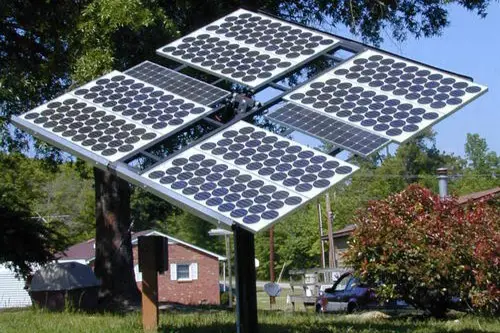
Solar panels are a hallmark of eco-friendly design, but they’re not always legal on older homes. In designated historic districts, visible panels can violate preservation guidelines. Homeowners often assume sustainability exemptions apply—but not always. Some boards only allow rear-facing or hidden installations.
This creates a frustrating tension between green energy goals and heritage protection. A panel visible from the street can trigger formal review or denial. Even color and mounting style can come under scrutiny. The result is a home that’s environmentally smart but legally questionable.
12. DIY Electrical Upgrades
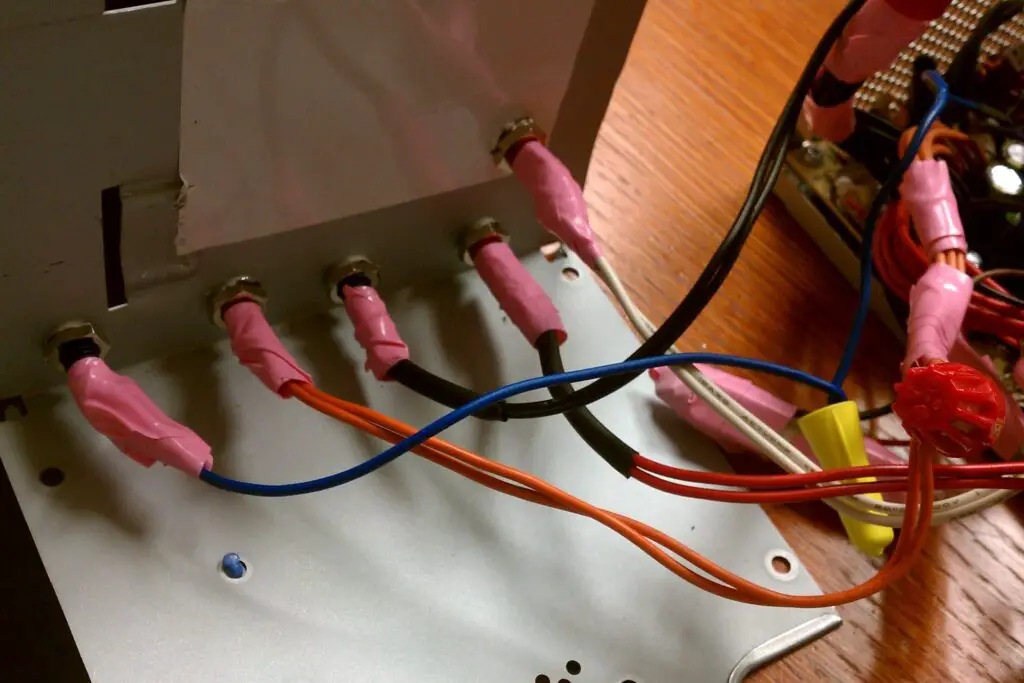
Swapping out light fixtures or adding outlets might seem simple, but in most states, electrical work requires a permit. Homeowners often do small upgrades without realizing they’re technically violating code. Improper grounding, overloaded circuits, or noncompliant wiring can all create safety hazards. Inspectors tend to flag these during sales or renovations.
The gray zone exists because minor work is rarely inspected unless something goes wrong. Some states allow homeowners to do their own wiring—but only after passing a test or applying for a homeowner’s permit. Without that paper trail, even well-done work is legally suspect. It’s a reminder that sometimes “handy” and “lawful” don’t overlap.
This post 12 Design Details That Turn a Classic Home into a Legal Gray Zone was first published on Greenhouse Black.
