
1. Gas Stoves and Furnaces

With more states and cities cracking down on natural gas hookups, gas-powered appliances are on their way out. Building codes in places like California and New York are already phasing them out for new construction. Within a decade, national regulations could follow, citing public health and climate concerns. Expect future homes to rely exclusively on electric induction and heat pump systems.
For homeowners, this means saying goodbye to that cozy blue flame and hello to cleaner—but often pricier—retrofits. Builders will likely face tighter emissions caps and incentives to electrify everything. Critics argue it limits choice, but policymakers see it as essential to meeting climate goals. The transition may sting at first, but the infrastructure is already shifting toward all-electric living.
2. Asphalt Driveways
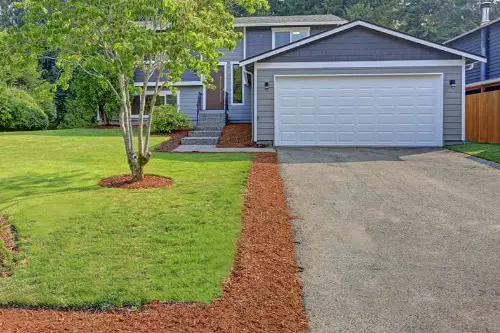
Traditional asphalt driveways might soon be banned due to their high carbon footprint and heat absorption. These surfaces contribute heavily to the “urban heat island” effect and stormwater runoff problems. Several U.S. cities are already encouraging permeable pavers or recycled materials instead. As climate adaptation becomes more urgent, expect stricter building codes to follow.
Homeowners may soon need to choose porous or “cool” pavement alternatives that reflect sunlight and absorb water. It’s part of a broader trend toward climate-resilient infrastructure. Insurance and local zoning boards are starting to reward eco-friendly surface choices. What was once a routine driveway repave could become a small act of environmental reform.
3. Single-Pane Windows

Single-pane glass doesn’t stand a chance in the age of energy efficiency. States are steadily tightening requirements for insulation and thermal performance in new builds. Within a decade, it’ll likely be illegal to install single-pane windows anywhere in the U.S. under standard residential codes. Double or triple glazing will become the new normal.
That’s good news for homeowners tired of drafty winters and noisy streets. The upfront cost is higher, but the energy savings will quickly offset it. Builders already find it difficult to source single-pane models as manufacturers pivot to efficient designs. Expect these outdated panes to go the way of lead paint—technically legal to keep, but impossible to install.
4. Wood-Burning Fireplaces
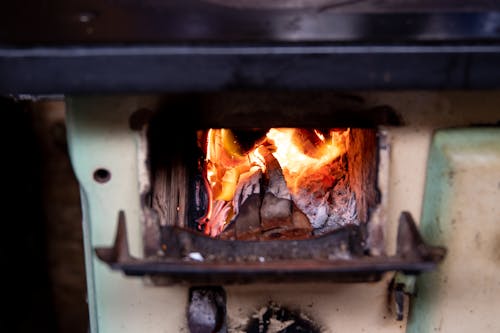
Cozy as they are, wood-burning fireplaces are becoming an environmental headache. Air quality boards in several states are already restricting their use due to particulate pollution. Within ten years, most new construction will likely forbid them entirely, except for decorative electric replicas. Cities like Denver and Salt Lake City already issue “no-burn” days when pollution spikes.
The shift to cleaner heating alternatives is about protecting lungs as much as the planet. Gas and electric inserts offer similar aesthetics without the smoke. Some rural exemptions may linger, but urban and suburban areas will phase out open combustion fast. It’s a cultural shift as much as a regulatory one—nostalgia losing to necessity.
5. Black Roof Shingles
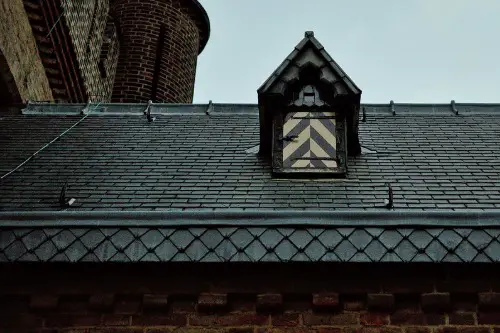
Dark, heat-absorbing shingles are falling out of favor as temperatures rise. They contribute significantly to indoor cooling costs and regional heat stress. Expect new building codes to require “cool roofs” that reflect more sunlight and reduce energy consumption. California and Florida have already started tightening standards.
Manufacturers are adapting by producing lighter, reflective shingles and solar-integrated tiles. Future regulations may go even further, banning certain colors or materials outright. While homeowners once chose roofs for looks, future buyers will think in kilowatt-hours and reflectivity ratings. It’s a small design shift with huge climate implications.
6. Non-Recyclable Vinyl Siding
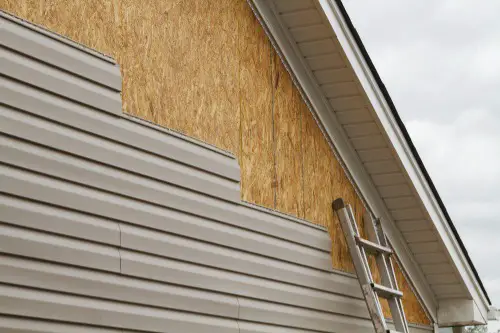
Vinyl siding has long been a cheap, durable favorite—but it’s also a plastic pollution problem. As the U.S. grapples with recycling crises and PFAS chemical bans, vinyl’s future looks dim. Some localities are already limiting its use in favor of fiber cement or recycled composites. Within a decade, expect building codes to outlaw it for environmental reasons.
Alternative materials will dominate, offering better fire resistance and lower environmental impact. Builders may face transitional costs, but consumers increasingly prefer sustainable exteriors anyway. Expect a rise in natural finishes like wood composites that meet stricter green building certifications. Vinyl might soon join the list of “was affordable, now forbidden” materials.
7. Fossil-Fuel Generators
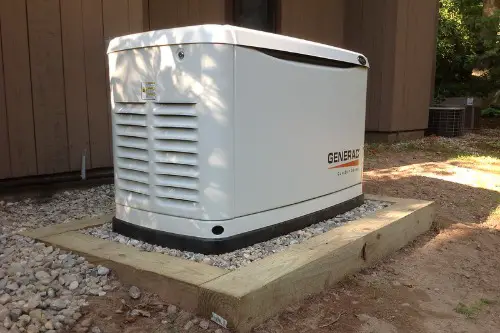
Gas and diesel backup generators are under growing scrutiny for emissions and noise. As battery technology improves, states are likely to phase them out for residential use. California already has plans to restrict portable gas generators by 2035, and others are watching closely. Solar-plus-battery systems will replace them as cleaner, quieter backups.
That means your future power outage might be solved silently by stored energy instead of roaring engines. Builders are already pre-wiring homes for solar and battery setups. Regulations may soon treat fossil generators like two-stroke engines—too dirty to justify. It’s a classic example of technology outpacing tradition.
8. Turf Lawns

The suburban lawn, once a symbol of the American dream, is turning into a water-wasting nightmare. Drought-prone states like Nevada and Arizona have already begun banning “nonfunctional turf.” Federal incentives for xeriscaping and native plants could make grass lawns nearly obsolete in a decade. Expect more bans as water shortages worsen.
Artificial turf won’t escape scrutiny either, thanks to microplastic concerns. The future yard will be drought-tolerant, pollinator-friendly, and low-maintenance. Neighborhood associations are slowly shifting their rules to reflect this new normal. The green carpet era is ending—replaced by landscapes that actually make ecological sense.
9. Non-Electric Water Heaters
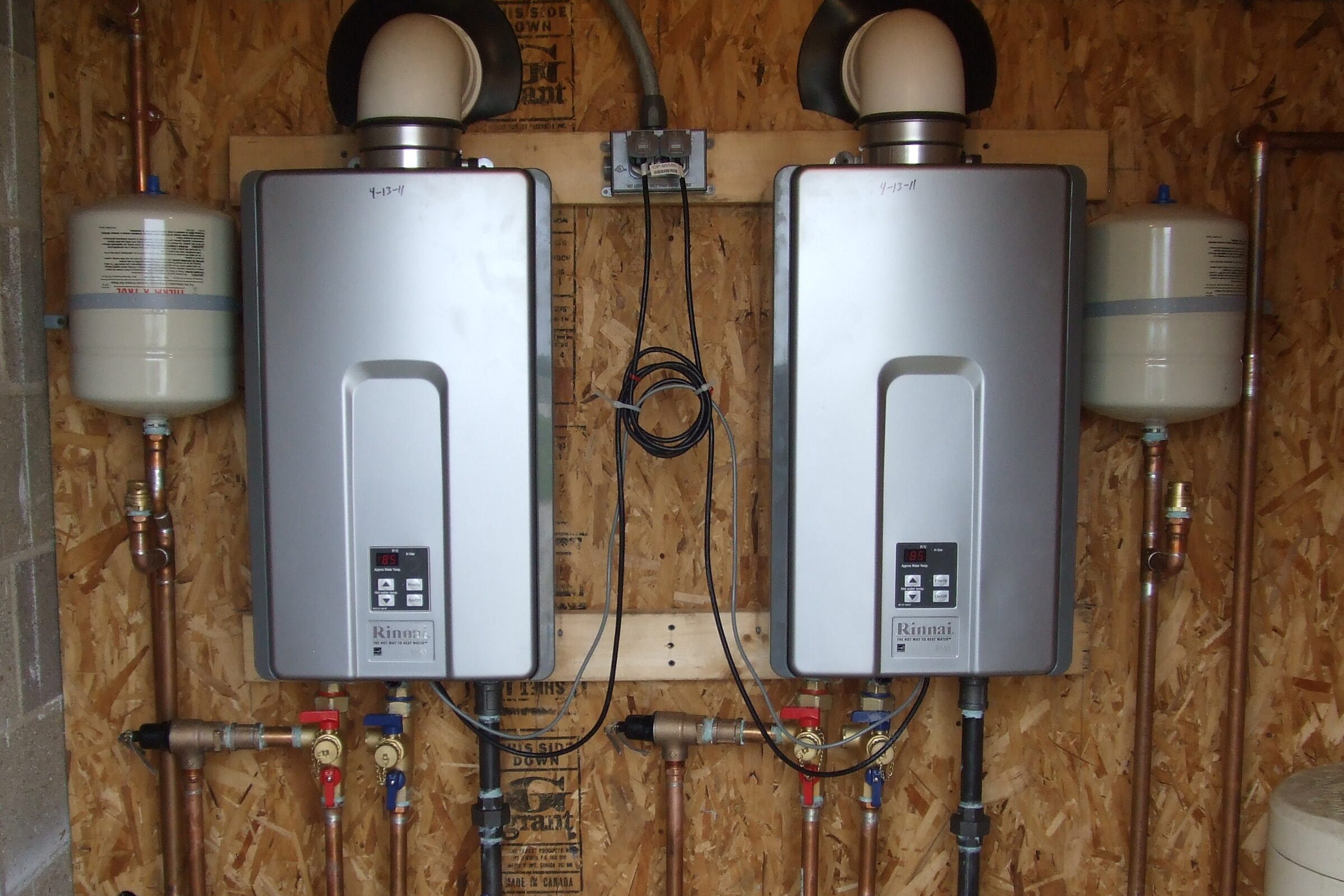
Gas water heaters are efficient but emit carbon dioxide and methane. Electrification incentives are pushing consumers toward heat pump models instead. Some states are already requiring electric options in new construction starting this decade. Within ten years, expect federal energy standards to effectively outlaw gas-only water heaters.
Homeowners may grumble about upfront costs, but long-term energy savings and rebates sweeten the deal. Builders will likely standardize on heat pump systems, integrating them with smart home controls. It’s another step toward fully electric living spaces. Like incandescent bulbs before them, gas heaters are headed for retirement.
10. Non-Accessible Home Designs
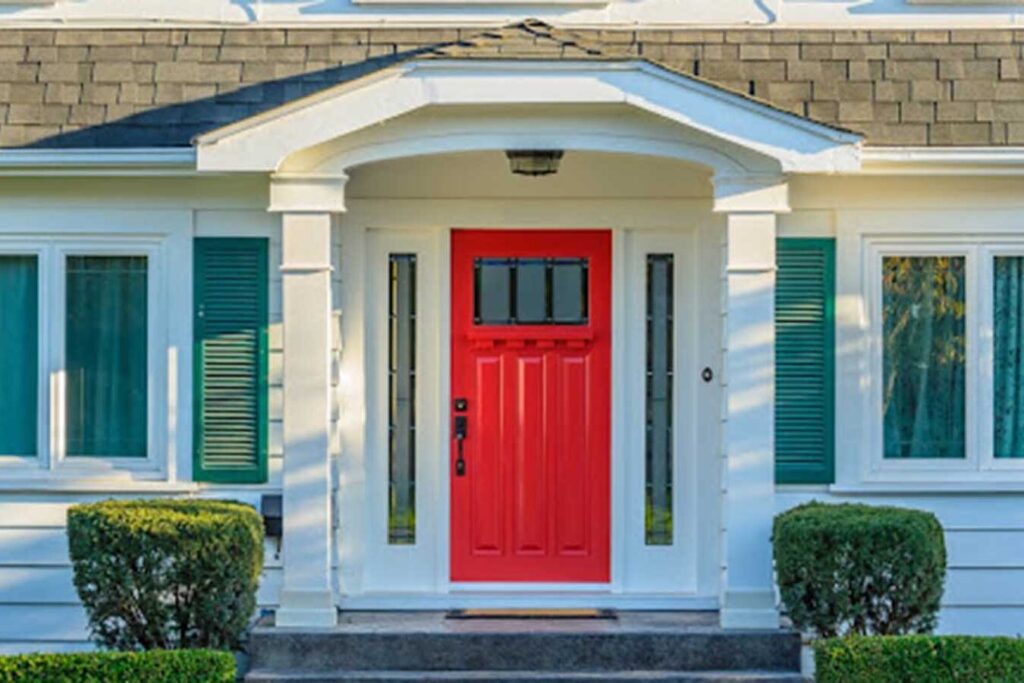
Accessibility standards are expanding beyond public buildings. Aging populations and inclusive design movements are driving new “visitability” mandates. Within a decade, expect national codes requiring wider doorways, step-free entries, and reinforced bathroom walls for grab bars. It’s part of a push to make homes livable for all ages and abilities.
Builders are already incorporating universal design as a selling point, not just a regulation. Retrofitting older homes will still be tough, but new builds won’t get a pass. The result will be more adaptable, safer homes for everyone. Accessibility will shift from a niche concern to a baseline expectation.
11. Private Wells and Septic Systems in Suburbs
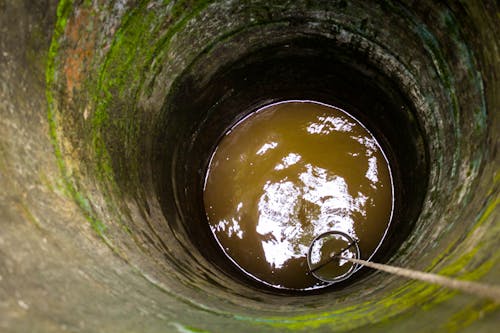
As groundwater contamination and drought worsen, private wells are facing tougher scrutiny. Suburban expansion has pushed many into shared water infrastructure instead. In the next decade, stricter public health codes could outlaw new private wells and septic systems in dense areas. States like California and North Carolina are already moving that direction.
Centralized systems allow for better monitoring and water conservation. Homeowners may resist losing independence, but the tradeoff is cleaner, safer water. Builders will adapt by connecting new developments to municipal systems by default. The days of “off-the-grid” suburban plumbing are likely numbered.
12. Detached Garages Without EV Infrastructure
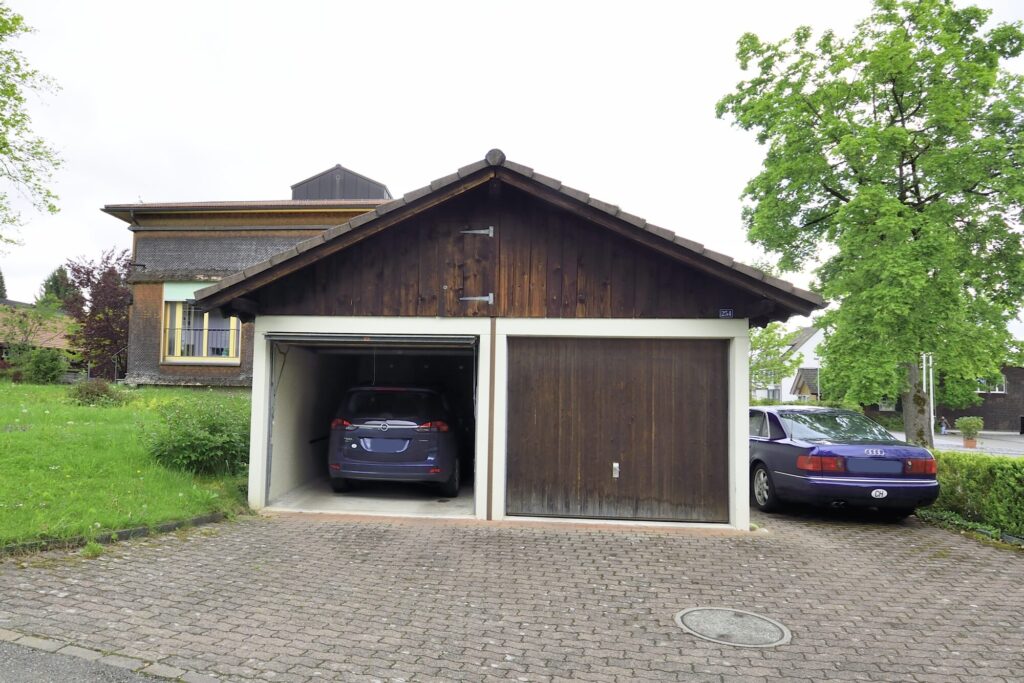
Detached garages might seem harmless, but they represent a missed opportunity in the electric vehicle age. As EV adoption accelerates, new codes will require integrated charging capabilities. Detached structures without wiring access or EV conduits could soon be banned from new construction. It’s about preparing the grid for millions of future chargers.
Homebuilders are already including 240-volt outlets as standard features. Even retrofit-ready wiring may soon become mandatory. Detached garages that can’t support charging will fall behind both market and policy trends. In the next decade, an “EV-ready” home will be as standard as one with internet hookups.
13. Smart-home systems without privacy & security safeguards

As homes become ecosystems of cameras, microphones, and always-on sensors, regulators are moving to stop deployments that collect or leak personal data. Within a decade, new building rules may ban installing smart-home hubs and device networks that don’t meet strict on-site data controls and encryption standards. Lawmakers will cite consumer protection, surveillance risk, and the exponential growth of home-based IoT attack surfaces. Builders and landlords will be required to certify device inventories and privacy-by-design before occupancy.
That will change how developers spec “smart” packages for buyers and renters. Instead of cheap, cloud-first bundles, compliance will favor local processing, opt-in telemetry, and audited firmware. Companies that refuse to adapt could see their devices barred from new construction entirely. Homebuyers will expect a security label the way they expect an energy rating.
14. Combustible exterior cladding and insulated panels
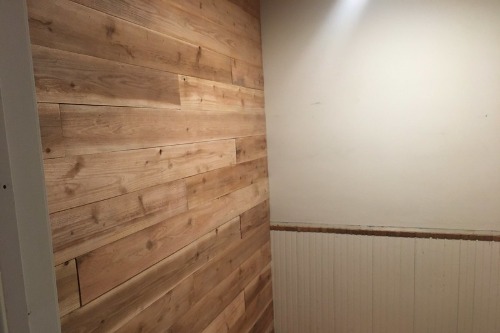
The use of lightweight but highly combustible façade panels is already under scrutiny after high-profile fires exposed danger in modern cladding systems. Within ten years, building codes are likely to prohibit certain composite cladding assemblies and insulation types that fail rigorous fire spread and smoke-toxicity tests. Jurisdictions will demand non-combustible or fire-resistive exterior systems on multi-story and high-occupancy buildings. Insurance carriers will also refuse coverage for risky cladding, creating a de facto ban beyond code.
That will force retrofits on existing buildings and change product lines across the industry. Architects and builders will favor certified mineral-based panels, terracotta, or treated masonry systems instead of cheap composites. Project budgets and timelines will need to account for these safer materials. The tradeoff is higher upfront cost for dramatically lower life-safety risk.
15. Accessory dwelling units (ADUs) that aren’t energy- and accessibility-compliant
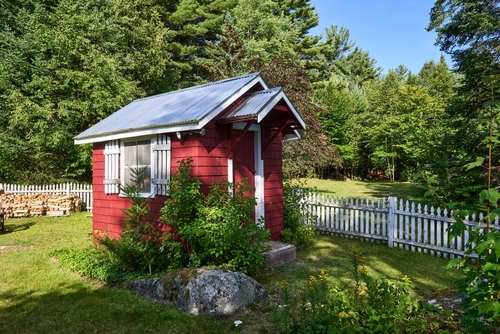
ADUs and tiny-home add-ons boomed as housing supply fixes, but regulators are shifting from “any ADU” to “sustainable and inclusive ADU.” Expect codes to ban new ADUs that don’t meet minimum energy-efficiency metrics, all-electric requirements, and basic accessibility standards. The goal will be to avoid creating a second, inefficient dwelling on a lot or one inaccessible to older or disabled residents. Incentives for retrofits will disappear if units fail to meet the new baseline.
For homeowners and builders, that means ADU design will standardize around heat-pump HVAC, high-performance envelope, and step-free entries. Permit offices will require energy models and an accessibility checklist as part of application packs. Low-quality DIY units will become illegal to rent or sell in many places. The policy shift will steer small-scale housing toward resilience and equity rather than quick cheap additions.
16. Indoor pools and large spas without energy recovery and water-reuse systems
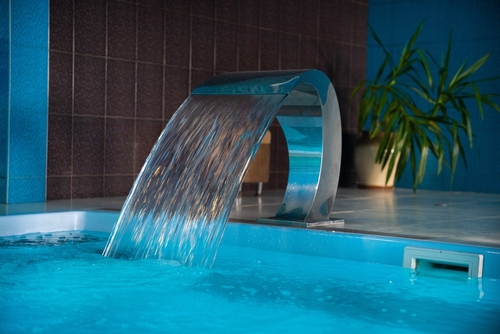
Indoor pools and large residential spas are extraordinarily energy- and water-intensive, especially when ventilation and dehumidification are neglected. Future codes will likely prohibit installing new indoor aquatic additions unless they incorporate heat-recovery ventilation, efficient pool pumps, and greywater recycling for makeup water. Municipalities will justify bans on the basis of strained utility capacity, embodied carbon, and public health (mold and chemical exposure). New builds will need lifecycle calculations showing low operational impact before approval.
That revision will make private indoor pools a luxury that must clear a sustainability bar. Builders will integrate solar thermal or heat-pump pool heaters, covers, and closed-loop water treatment to qualify. Homeowners used to adding pools on a whim will find permitting much stricter and more technical. The result will be fewer wasteful installations and more emphasis on shared community aquatic facilities.
17. Outdoor fossil-fuel fire features and permanent tiki-torch installations
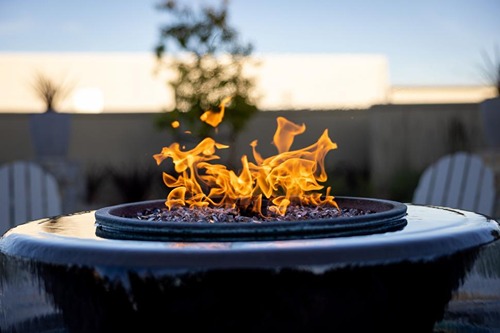
Outdoor fire pits, permanent gas torches, and decorative fossil-fuel flame features are under increasing health and climate scrutiny due to particulate and methane emissions. Building codes could outlaw permanently plumbed gas fire features in new residential landscaping within a decade, especially in dense neighborhoods. Regulators will treat these amenities like other combustion sources, restricting them where cleaner electric or ethanol alternatives exist. Patio aesthetics will have to adapt to smokeless, low-emission options.
Landscapers and spec builders will shift toward electric flame simulators, closed-loop biofuel systems, or truly decorative fixtures that produce no combustion byproducts. Municipal ordinances may also ban decorative open flames in wildfire-prone zones. Homeowners seeking the “campfire” vibe will move to portable, certified electric units or community fire gardens with strict controls. The cultural association of fire with hospitality will be preserved, but the emissions won’t.
18. Private helipads and personal aviation pads in residential zones
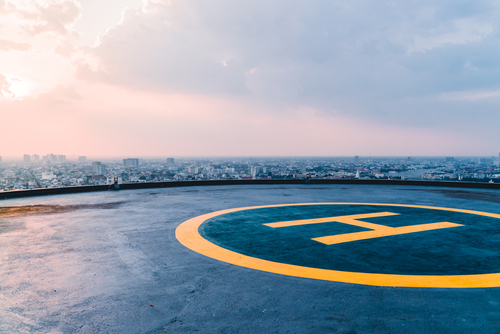
As urban density climbs and noise and safety concerns intensify, local governments are likely to ban private helipads and personal aviation pads within residential and mixed-use zones. The combination of noise, emissions, accident risk, and inequitable land use makes privately owned flight pads a prime target for prohibition. Even small VTOL/air taxi infrastructure will face strict siting and environmental review before being allowed near homes. Expect national and local aviation-adjacent regulations to tighten around where personal aviation touches down.
For homeowners who once saw a rooftop pad as a status symbol, the legal landscape will change that calculus. Developers will be steered toward centralized vertiport infrastructure in industrial or commercial districts rather than ad-hoc residential pads. Insurance and airspace authorities will add more red tape, reducing private installations to rare exceptions. The future of personal flight in cities will be shared and regulated, not individualized and ad-hoc.
19. Unregulated short-term rental conversions and internal “micro-inn” additions
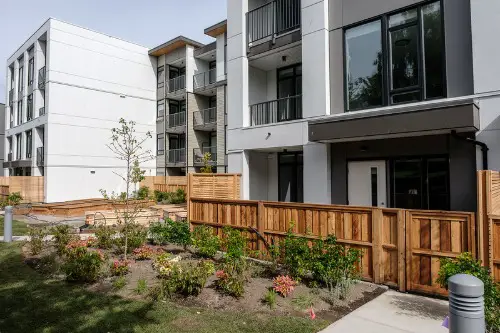
Converting parts of single-family homes into multiple short-term rental units—kitchenette partitions, extra entrances, or interior knockouts—has proliferated without consistent safety or zoning oversight. Within a decade, many jurisdictions will ban converting dwellings into unregulated multi-occupancy short-term rentals without full code compliance, separate egress, and safety systems. Policymakers will cite neighborhood character, fire safety, and housing-supply impacts as reasons to outlaw these partial conversions. Permit processes will demand clear use classification before any such internal remodel is approved.
That change will push homeowners either to fully legalize a conversion with full inspections and upgrades or to keep homes strictly single-family. Platforms and municipalities may require proof of safe, code-compliant construction before a listing is allowed. DIY subdivides that ignore ventilation, fire separation, or plumbing capacity will be forced to revert or face fines. The upshot: ad-hoc, profit-driven interior conversions will face the same scrutiny as new multi-family construction.
This post 19 Common Building Additions That Will Be Illegal Within a Decade was first published on Greenhouse Black.
