
1. Old Refrigerators
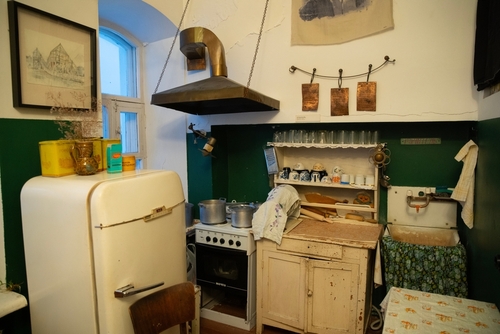
That extra fridge in the garage might be doing more harm than good. Older models, especially those built before the mid-2000s, are notoriously inefficient compared to today’s Energy Star-rated ones. They often have worn seals and outdated compressors that cause them to run constantly, using far more electricity than you realize. Even if it’s just keeping drinks cold, it can quietly add hundreds to your annual energy bill.
Replacing or retiring it can make a noticeable difference. Modern fridges use roughly half the energy of older ones thanks to better insulation and smarter temperature control. If you really need an extra, opt for a smaller, newer unit designed for secondary use. You’ll notice the savings on your next utility statement.
2. Phantom Power from Electronics
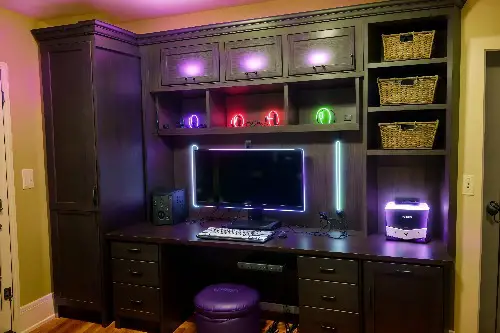
Even when your TV, gaming console, or coffee maker is “off,” they often keep drawing power. This is called phantom or standby energy use, and it can account for up to 10% of a home’s total electricity consumption. Chargers left plugged in, smart speakers waiting for a voice command, and cable boxes on standby are all quiet culprits. You don’t notice them because the drain is small per device—but it adds up fast.
A simple fix is to plug clusters of electronics into power strips and switch them off when not in use. You can also use smart plugs that automatically cut power during idle times. This small change can save both energy and wear on your electronics. It’s one of those habits that pays off more than you’d expect.
3. Inefficient Lighting
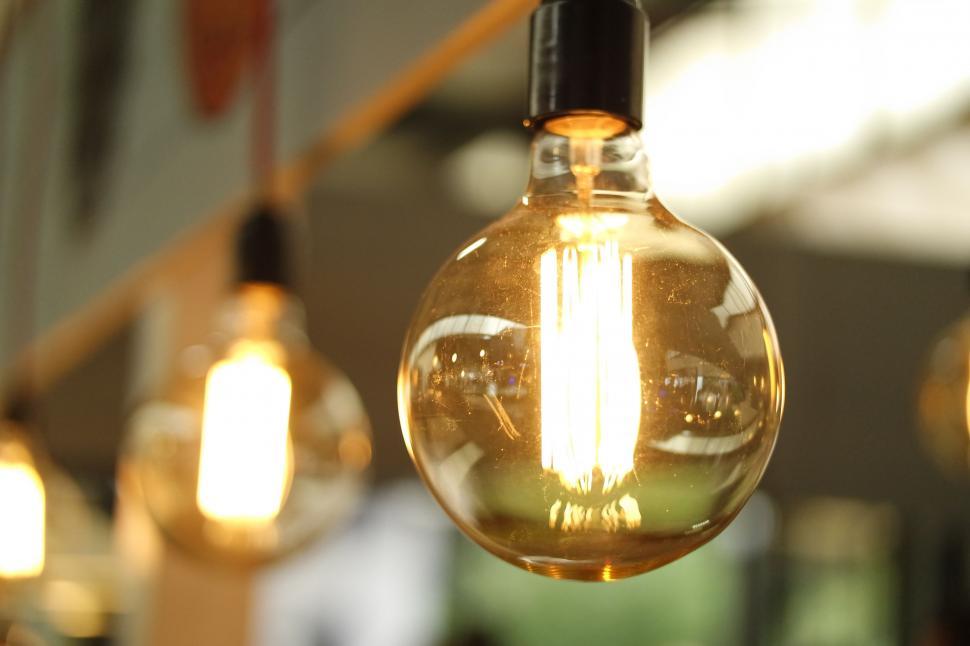
Still using old incandescent or halogen bulbs? They waste most of their energy as heat instead of light, making them one of the sneakiest drains in a home. Even compact fluorescents (CFLs) can’t match the efficiency or lifespan of LEDs. Over time, those outdated bulbs are quietly burning through your energy budget.
Switching to LEDs can slash lighting energy use by up to 75%. They also last years longer, which means fewer replacements and less waste. The color quality has improved drastically, too, so your rooms can look just as cozy or bright as before. It’s one of the easiest upgrades for instant impact.
4. Poorly Sealed Windows and Doors

You might not feel a draft, but that doesn’t mean your windows and doors are sealed tight. Tiny gaps and worn weatherstripping let conditioned air escape and outdoor air creep in. This forces your heating and cooling system to work harder year-round. The effect is gradual, so it often goes unnoticed until you see higher utility bills.
A quick inspection and some caulking or new seals can make a big difference. Energy-efficient window film or insulated curtains can add another layer of protection. If your windows are very old, upgrading to double-pane or low-E glass could cut heating and cooling costs significantly. It’s a fix that pays you back in both comfort and savings.
5. Old or Dirty HVAC Filters
A clogged air filter doesn’t just trap dust—it chokes your HVAC system. When air can’t flow freely, the system has to run longer to reach the desired temperature. That means higher energy use and more strain on the motor. Over time, it shortens the life of your unit and quietly drains your wallet.
Replacing filters every one to three months, depending on usage and season, keeps things efficient. High-quality pleated filters catch more particles without restricting airflow. It’s an inexpensive habit that can cut heating and cooling costs by up to 15%. Your lungs—and your energy bill—will thank you.
6. Water Heater Temperature Set Too High
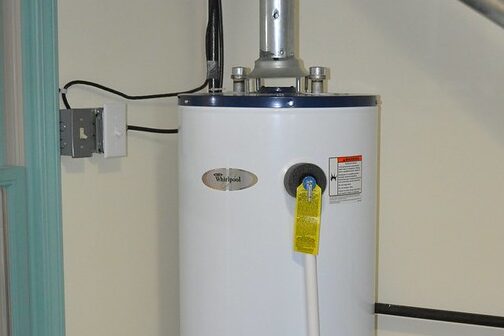
Most water heaters are set higher than necessary—often 140°F by default. At that temperature, the tank constantly reheats water you may never use. The extra heat not only wastes energy but also accelerates mineral buildup inside the tank. It’s a quiet, consistent drain that adds up over time.
Lowering the setting to 120°F is safe for most households and significantly reduces standby heat loss. You’ll still get plenty of hot water for showers and dishes. Insulating the tank and nearby pipes helps even more by preventing heat from escaping. It’s an easy, one-time tweak that saves energy every single day.
7. Leaky Ductwork
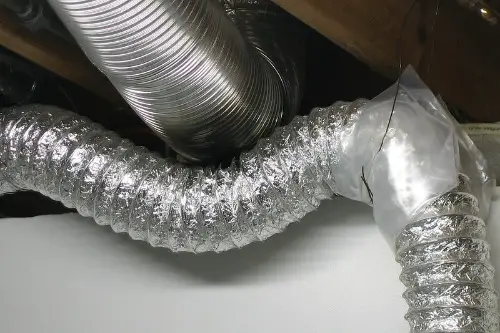
If your home has forced-air heating or cooling, those ducts might be stealing conditioned air before it ever reaches your rooms. Small leaks or gaps in joints can cause 20–30% of the system’s air to be lost. You’ll notice uneven temperatures, but most people just assume it’s normal. Meanwhile, the system keeps working overtime to make up for the loss.
A professional inspection and sealing can restore efficiency quickly. Duct tape isn’t the right solution—use mastic sealant or metal-backed tape instead. Once sealed, your home will heat and cool more evenly. That’s less energy wasted and more comfort for everyone.
8. Uninsulated Attic or Basement
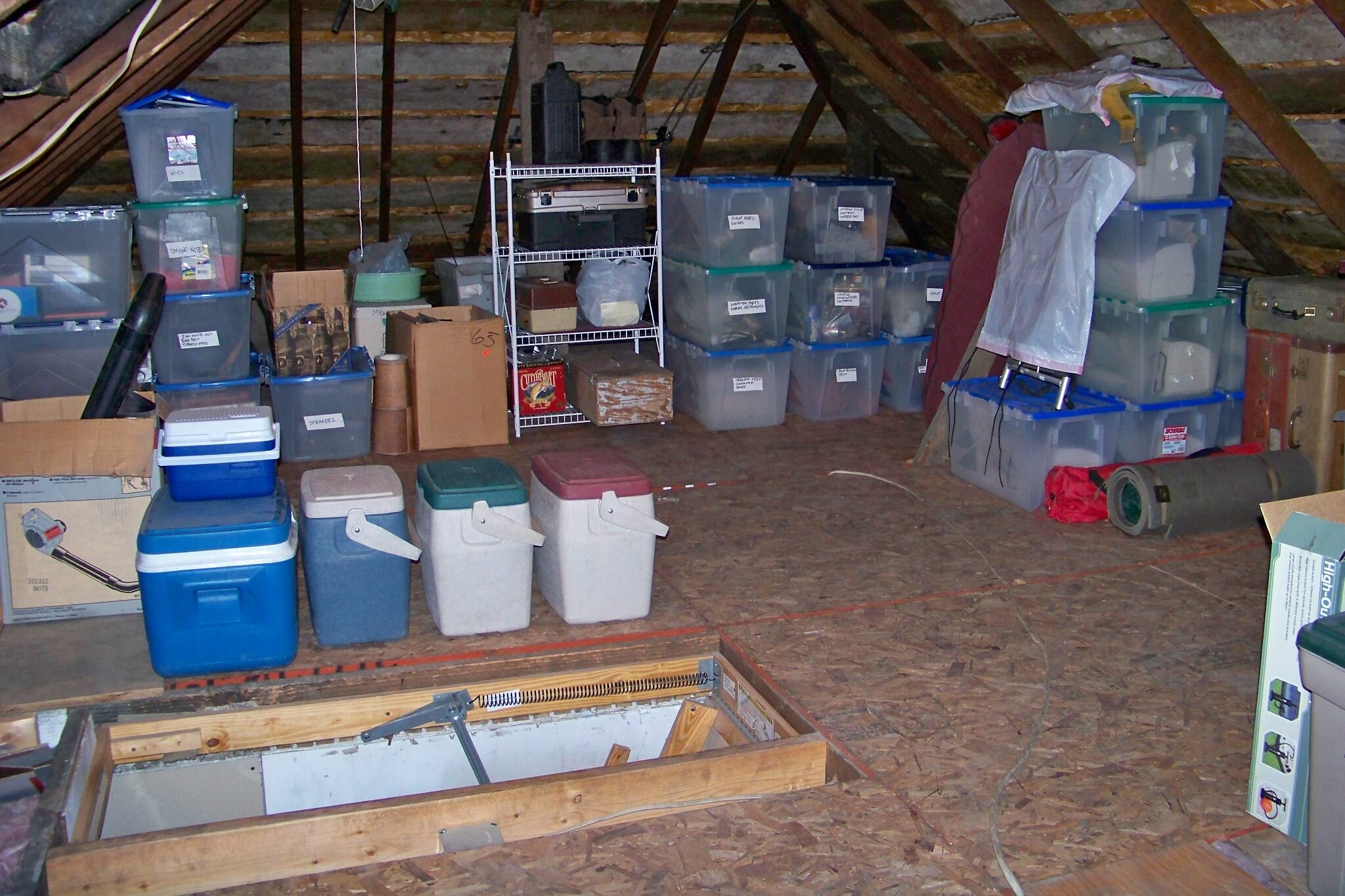
Heat loves to escape upward, and an under-insulated attic is like leaving a window cracked open all winter. The same goes for basements and crawl spaces, which can siphon away warmth in the colder months. Poor insulation forces your HVAC system to work overtime, even when the thermostat hasn’t changed. The result is steady energy loss that’s easy to overlook.
Adding or upgrading insulation can cut heating and cooling costs dramatically. Fiberglass batts, cellulose, or spray foam each have advantages depending on your home’s layout. It’s not glamorous work, but it’s one of the most effective energy fixes available. Once done, you’ll feel the difference almost immediately.
9. Always-On Exhaust Fans
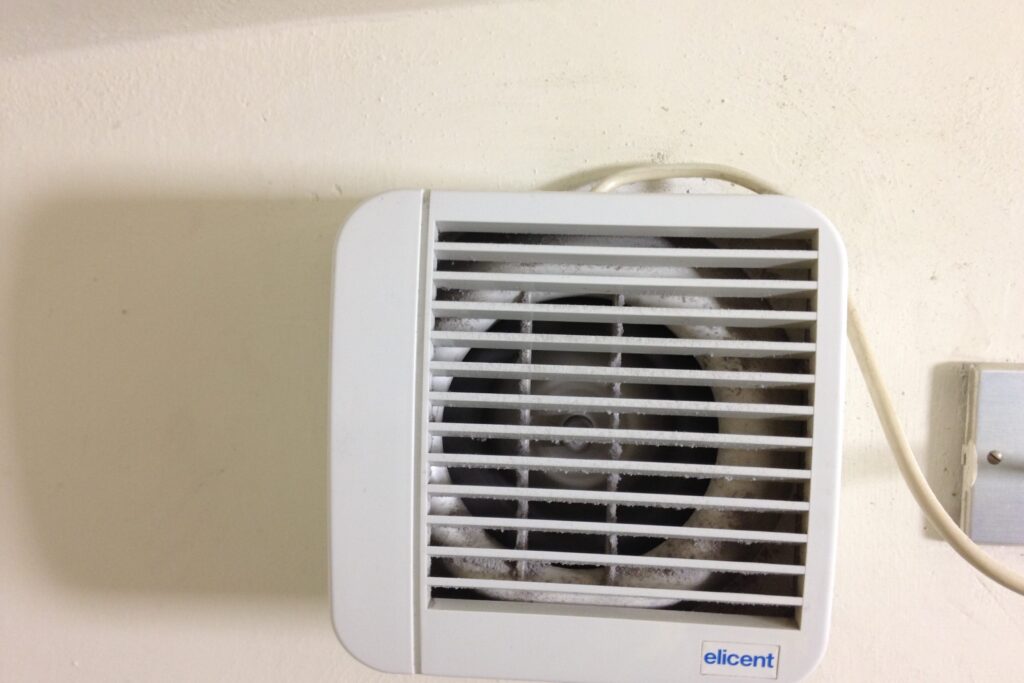
Bathroom or kitchen fans are great for clearing moisture and odors—but not for running nonstop. Many homeowners forget to turn them off, or have them wired to stay on longer than necessary. These fans pull conditioned air out of the house and replace it with unconditioned air from outside. That means your heating or cooling system has to work harder to rebalance the temperature.
Using a timer switch or humidity sensor can solve this quietly wasteful problem. Fans only need to run about 15–20 minutes after a shower or while cooking. Turning them off promptly preserves comfort and saves energy. It’s a tiny change with surprisingly big returns.
10. Unused Rooms with Open Vents
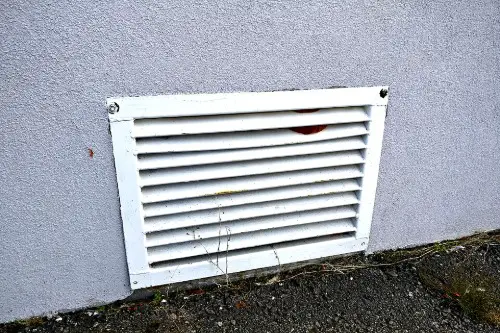
It seems logical to heat or cool every room evenly, but empty spaces don’t need the same treatment. When vents remain open in unused rooms, your system circulates air there unnecessarily. That wastes both energy and money while reducing airflow where it’s actually needed. It’s an easy oversight in bigger homes or those with guest rooms.
Closing vents in little-used areas helps direct conditioned air where it matters most. Just don’t close too many—your system still needs enough open vents to maintain proper pressure. Pair this with a programmable thermostat for best results. The goal is comfort where you live, not everywhere all the time.
11. Outdated Thermostat Settings
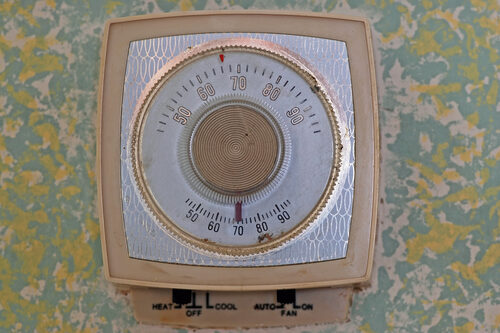
If you’re still using a manual thermostat, chances are it’s not optimized for your routine. Leaving it set the same all day means heating or cooling when no one’s home. That steady, unnecessary operation drains energy quietly but consistently. It’s one of the simplest inefficiencies to fix.
Upgrading to a programmable or smart thermostat allows you to automate adjustments. You can set it to ease off while you’re away and ramp up before you return. Some models even learn your habits over time. This small bit of tech pays for itself quickly in reduced energy use.
12. Inefficient Washer and Dryer Use
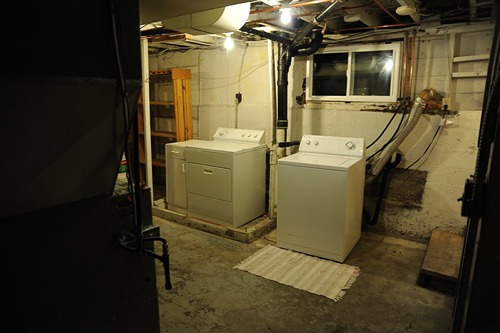
Laundry day might be more wasteful than you think. Using hot water for every load consumes a lot of energy, especially if your water heater is electric. Overloading the dryer—or running multiple small loads—forces it to run longer. Even lint buildup in the filter can reduce efficiency by restricting airflow.
Switching to cold-water cycles for most washes saves energy without sacrificing cleanliness. Regularly cleaning the lint trap and dryer vent keeps the machine working efficiently. Air-drying clothes when possible can cut electricity use even further. It’s a simple way to lighten your home’s hidden energy load.
This post 12 House Features That Quietly Drain Energy Without Anyone Noticing was first published on Greenhouse Black.
