
1. Peeling Deck Paint
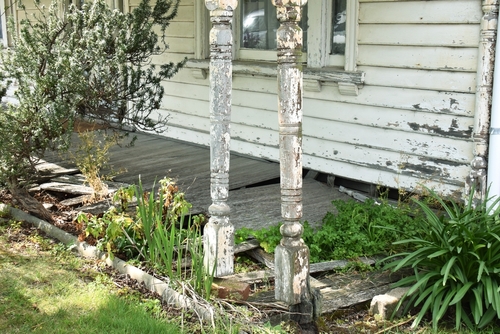
A weathered deck might seem minor, but flaking paint or splintering boards draw attention fast. Buyers see it as another repair job waiting for them. It also suggests the home hasn’t been prepped properly for sale. A fresh coat of paint or stain can make the entire outdoor area feel refreshed and inviting.
Peeling paint may also indicate moisture damage or rot beneath the surface. Buyers who spot that might start wondering about the condition of the roof or siding. Even if the deck is structurally sound, the visual neglect hurts first impressions. A little sanding and refinishing go a long way in restoring buyer confidence.
2. Overgrown Hedges and Shrubs
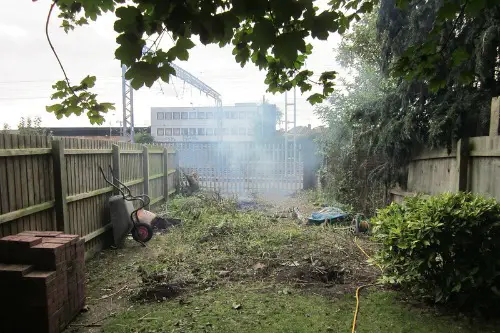
An untamed garden might seem like an easy fix, but to buyers, it signals neglect. Overgrown plants can make a yard feel smaller and even hide the home’s architectural features. It suggests that maintenance might be a problem throughout the property, not just outside. Trimmed hedges and neat flower beds instantly communicate care and attention to detail.
While some buyers enjoy gardening, most are looking for a move-in-ready home. Seeing a jungle of overgrowth can feel overwhelming before they even step inside. It raises doubts about what else might need work. Keeping plants tidy helps your home feel loved and manageable.
3. Excessive Garden Ornaments
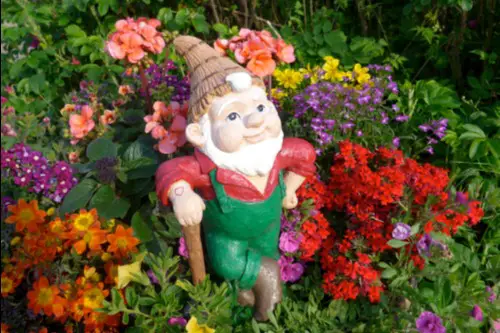
A few decorative pieces can add personality, but too many make a garden feel cluttered. Buyers might find it hard to see the space itself when every corner is filled with gnomes, statues, or quirky signs. It can also make the yard feel dated or overly personalized. Simplicity helps buyers imagine their own style in the space.
Ornaments also signal ongoing upkeep, since they collect dust, fade in sunlight, and can break easily. Too many mismatched items can make even a well-maintained garden look chaotic. Removing most decorations before selling lets the plants and design shine through. Think of it as garden staging — less is more.
4. Fountains That Don’t Work
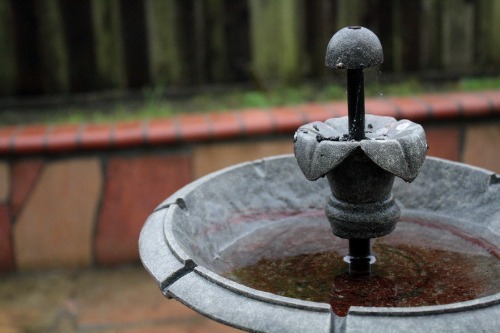
A fountain can be a beautiful focal point — when it’s running properly. But stagnant water, algae buildup, or a broken pump sends a strong message that maintenance has been neglected. Buyers often assume if the outdoor features aren’t cared for, the same might be true inside. A quiet, murky fountain can go from charming to depressing fast.
It’s not just aesthetics either — standing water attracts mosquitoes and other pests. Replacing or repairing the pump shows buyers the home is well-kept. Even removing a nonfunctional fountain entirely can make a better impression than leaving it to decay. Functioning water features signal calm and care; broken ones say “work needed.”
5. Dead or Dying Plants

Wilted or brown plants instantly drag down curb appeal. They make the space look unloved and can imply poor soil or irrigation issues. For buyers, a healthy garden symbolizes a healthy home. Even a small area of dead foliage can color their overall impression.
Replacing dead plants with hardy, low-maintenance options shows thoughtfulness and care. It also reassures buyers that the garden is easy to maintain. A few well-chosen plants are better than a patch of struggling ones. Buyers respond positively to signs of vitality and balance in the landscape.
6. Artificial Grass
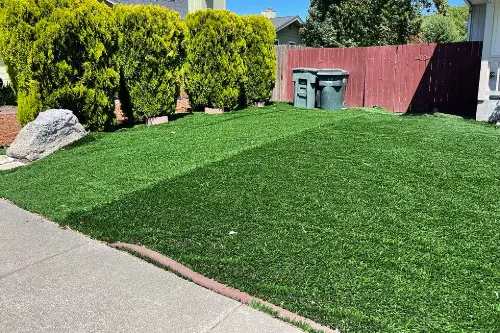
Artificial turf can look pristine, but it’s often a red flag for eco-conscious buyers. It can trap heat, prevent natural drainage, and eventually break down into microplastics. Many homeowners also dislike the idea of walking on something that feels synthetic in an otherwise natural setting. Plus, the environmental impact of manufacturing and disposing of it can turn buyers off.
Even though it’s marketed as low-maintenance, fake grass still requires cleaning and can develop odors. It also limits biodiversity, since insects and small wildlife can’t thrive in it. Buyers who value sustainability or enjoy gardening may see it as an environmental downgrade. Natural grass or drought-tolerant landscaping usually makes a better impression.
7. Too Many Potted Plants
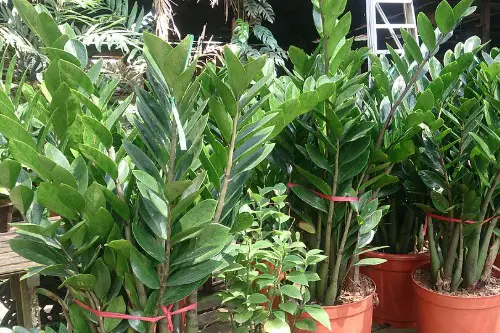
Container gardens can add charm, but too many pots crowd walkways and make spaces feel smaller. Buyers may also assume the garden requires constant watering and rearranging. A clutter of mismatched containers distracts from the overall design. The goal is to show off space, not stuff.
Too many pots can also make cleaning and mowing difficult, signaling high upkeep. If buyers have kids or pets, they might worry about tripping hazards. Editing down to a few well-placed planters gives a cleaner, more intentional look. It helps the garden feel serene and easy to manage.
8. Neglected Lawn Edges
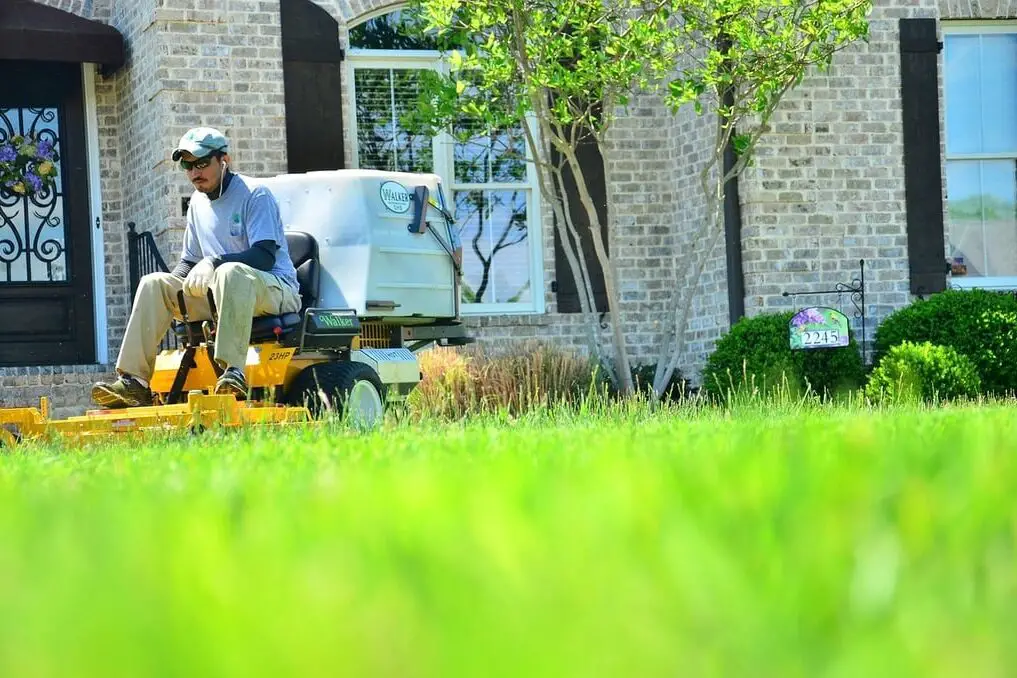
Crisp, clean lawn edges make a huge difference in how tidy a garden looks. When grass creeps over paths or flower beds, the whole space appears unkempt. Buyers notice these little details more than sellers realize. It’s one of those “small jobs with big impact” maintenance tasks.
Untrimmed edges also hint that other routine care might be lacking. A quick edging pass can transform the appearance of an entire yard. It frames the lawn, highlights the landscaping, and sends a subtle message of order. Buyers associate neatness outside with responsibility inside.
9. Faded Outdoor Furniture

Old, sun-bleached patio furniture can make an otherwise nice garden feel dated. Even if the yard is beautiful, worn furnishings distract from its appeal. It signals that the space hasn’t been updated or cared for recently. Buyers want to picture themselves relaxing there — not replacing everything.
You don’t necessarily need new furniture; clean, repaint, or re-stain what you have. Neutral tones help potential buyers imagine their own style in the space. Cushions should look fresh and inviting, not moldy or faded. Simple, comfortable pieces always photograph and show better.
10. Poor Outdoor Lighting
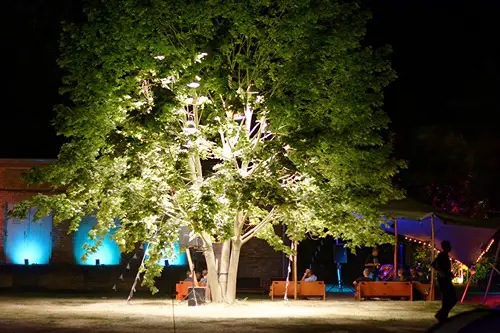
A poorly lit garden can feel unsafe or unwelcoming in the evening. Buyers walking through at dusk may notice dark corners or tripping hazards. It also limits the home’s curb appeal at night. Good lighting shows off landscaping and extends the usability of outdoor areas.
Overly bright or harsh lighting, however, can be just as off-putting. Buyers prefer soft, warm illumination that feels natural. Replacing outdated fixtures with solar or LED options is an easy upgrade. It signals both energy efficiency and thoughtful design.
11. Aggressive Thorny Plants
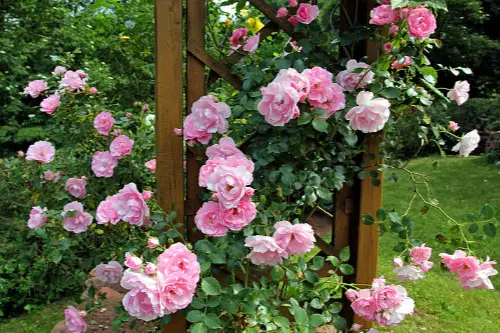
Roses and other spiky shrubs can look beautiful, but they send mixed signals to buyers. If they’re near paths, entryways, or play areas, they suggest danger or hassle. Parents and pet owners in particular might see them as a problem. Buyers want a space that feels welcoming, not defensive.
Thorny plants also complicate maintenance, since pruning can literally be painful. Replacing them with soft-textured, native shrubs makes the yard feel friendlier. You can still achieve a lush look without the hazards. A garden that feels safe and approachable appeals to the widest audience.
12. Garden Sheds in Disrepair
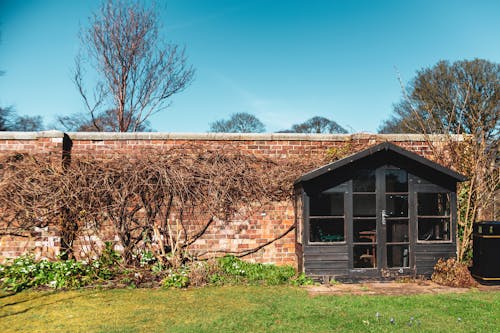
A shed can be a great selling point — if it looks sturdy and useful. A leaning or rusted one, however, becomes an eyesore. Buyers might worry about structural issues, pests, or moisture damage. It quickly turns from “extra storage” into “extra problem.”
A quick cleanup and coat of paint can make a huge difference. Clearing clutter inside also helps buyers visualize potential uses. If the shed is truly beyond saving, removing it can actually improve the overall impression. A neat, empty corner is always better than a crumbling structure.
13. Outdated Garden Borders
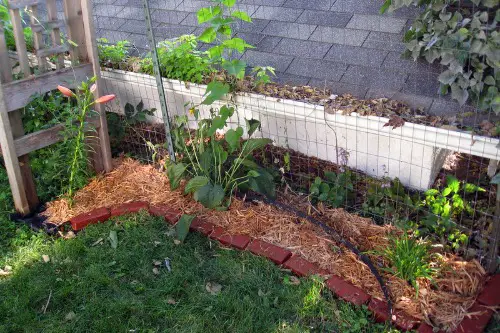
Old concrete or plastic edging can make a garden look stuck in another decade. Cracked or faded borders distract from the plants and suggest the landscaping hasn’t been refreshed in years. Buyers notice these subtle cues, especially if the rest of the home feels updated. Modern, natural materials like stone or metal look cleaner and more timeless.
Replacing outdated borders is an affordable way to modernize the garden. It’s a small project that has a surprisingly big visual payoff. The updated look also ties the garden design to the home’s overall aesthetic. Buyers interpret cohesive design as attention to detail and pride of ownership.
14. Overly Personal Garden Decor
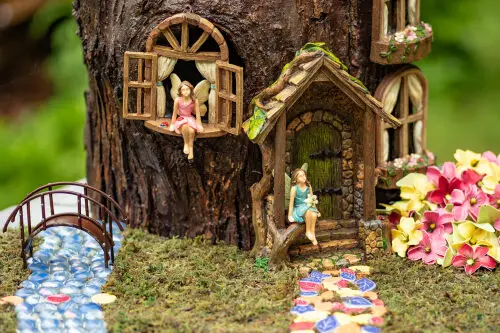
Signs with family names, sports team logos, or quirky sayings might make you smile, but they alienate buyers. They send the message that this is your space, not one they can imagine as theirs. Buyers need a blank canvas to picture their own life there. Personalized décor can make that difficult.
Before listing, tuck away anything that feels overly specific or sentimental. Keep the focus on the natural elements — plants, layout, and atmosphere. A neutral, welcoming space connects emotionally with more potential buyers. Think of it as creating a stage, not telling your story.
This post 14 Garden Features That Send the Wrong Message to Buyers was first published on Greenhouse Black.
