
1. Walnut sideboards and credenzas
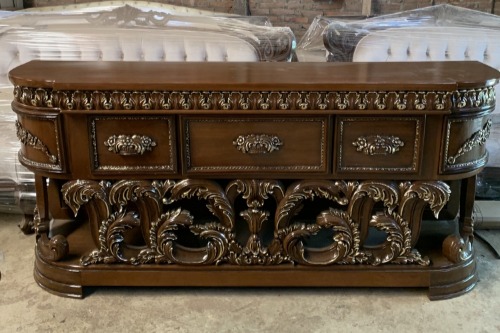
Walnut-toned sideboards and credenzas from the mid-century period are increasingly showing up in auction results with stronger bids than a few years ago. Because they combine practicality (lots of storage) with desirable materials (walnut) and a clean aesthetic, they appeal both to design-minded homeowners and collectors. With many of the top mid-century pieces already in good homes, well-preserved walnut sideboards offer one of the more accessible entry-points into rising value furniture. When you see a listing that mentions original finish, solid walnut rather than veneer, and minimal wear—those are the ones that are often driving the uptick in value.
In short: less flashy than a designer lounge chair, but very much in demand. The trend reports show that genuine mid-century pieces with quality materials are holding up and improving in value because newer buyers are treating them like “invest-in-the-look” rather than just décor. If you’re researching this category, check for maker’s label, original hardware, and condition of the finish. Those factors really separate the ones that are moving up in value from the ones that are stagnant.
2. Sculptural lounge chairs
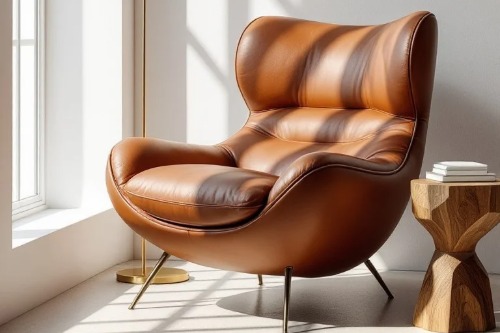
Lounge chairs with sculptural form—think organic curves, reclined forms, standout silhouettes—are among the pieces being bid up more this year. Demand is rising because interiors are shifting: buyers want one standout piece rather than a matched-set, so a lounge chair that looks like art works well both visually and investment-wise. Auction and design-market commentary show that chairs by major designers (and even lesser-known ones with strong design) are seeing heightened attention. The key is authenticity, condition and that “wow” factor — the easier to photograph it, the more likely it draws competitive bidding.
For fact-checking: look into recent auction results for designer lounge chairs, note how condition and provenance affect final hammer prices. The pieces that had original upholstery (or high-quality period-correct) tend to command better results. Because the supply of pristine examples is shrinking, the well-kept ones are becoming more valuable. It’s a “quiet” jump rather than headlines everywhere—but real.
3. Pedestal dining tables
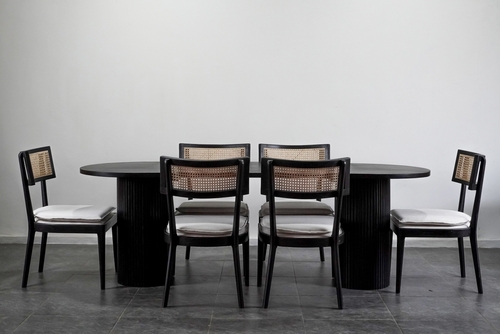
Pedestal dining tables (single central support rather than four legs) from mid-century design are gaining more interest and value this year. These tables often combine elegant form, generous size and useful function (dining today is still important) which makes them appealing both for living use and as collectible design objects. Because open-plan homes favour tables that don’t visually “fragment” the space, these have aesthetic advantage too. Auction results are showing more bids on such tables in good condition and from reputable makers/design schools.
If you’re looking into this category, check for original finish (often walnut, teak or rosewood), and whether the pedestal base is the original. Repair or alteration tends to reduce value. Also size matters: tables that can seat 6–8 are more desirable today. These factors contribute to the upward trend in value.
4. Statement lighting fixtures
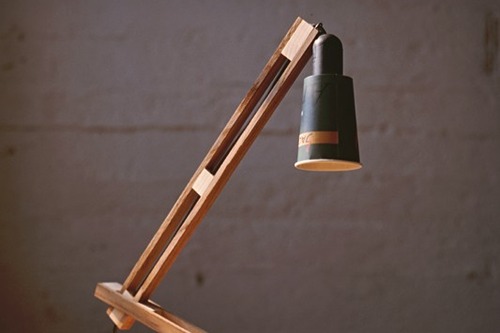
Large lighting pieces—pendants, chandeliers, sculptural floor lamps—from the mid-century era are quietly ticking up in value at auction this year. Why? Because lighting is now seen not just as functional but as collectible design: it hangs in plain view and becomes part of the room’s character. Market commentary says that lighting with strong silhouette, original components (shades, wiring, mounts) and good provenance are increasingly sought after. As mid-century interior design becomes more mainstream, the lighting that matches that aesthetic naturally benefits.
For your research: Focus on lamps or pendants that still have original parts, or are clearly labelled with a known manufacturer or designer. Those without labels or with heavy non-period re-wiring often lag in value. Also check how many similar pieces exist: rarity adds value. These lighting pieces are among the mid-century categories seeing the upward value movement.
5. Teak bedroom dressers and chests
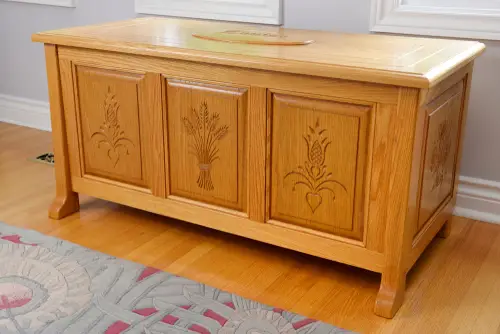
Mid-century bedroom furniture in teak (dressers, chests) is showing a more significant upward trajectory in auction value this year compared to generic pieces. Teak was a premium material in the era and remains highly desirable; when the design is clean and the condition good, there’s a double appeal of authenticity + aesthetics. Collectors and designers alike want pieces that show genuine mid-century provenance rather than “just vintage”. Auction-industry commentary indicates that solid-teak dressers with minimal damage or good restoration are commanding higher bids than similar furniture in lesser materials.
When you fact-check: Look for solid-teak construction rather than veneer; check drawers slide well, hardware is original and the finish is appropriate. Also, location matters: pieces from Scandinavian makers often out-perform generic exports. This is a less flashy category than iconic chairs but still showing value momentum.
6. Modular sofas (mid-century era)
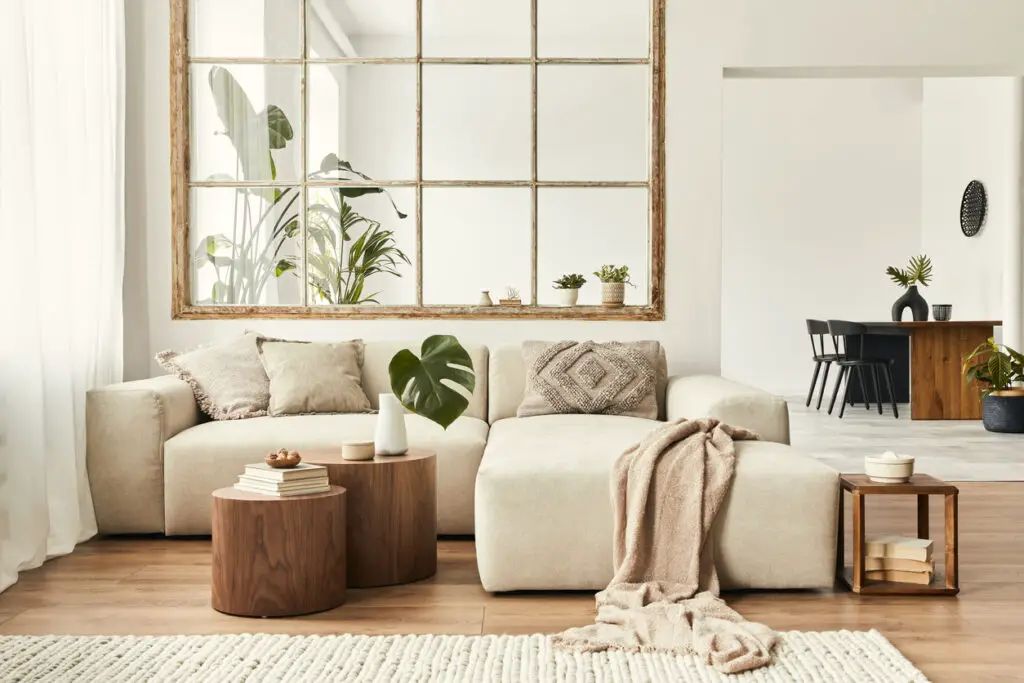
Modular sofas (pieces you can rearrange) from the mid-century era are rising in appeal and auction value this year, thanks to the flexibility they offer and the design provenance they carry. As living spaces become more fluid (open plan, multi-purpose), buyers like furniture that can adapt, and a quality mid-century modular sofa checks that box. Auction and market commentary suggest that well-preserved examples from the 1960s/70s with period-correct upholstery and good structure are fetching stronger bids. These pieces are less common than standard sofas from the era, which adds to supply pressure.
For research: Look for maker’s label, original upholstery (or well documented reupholstery), and modular pieces where all segments are intact. Missing modules or heavy damage will reduce value significantly. The value jump here might be quieter but consistent.
7. Sculptural coffee tables
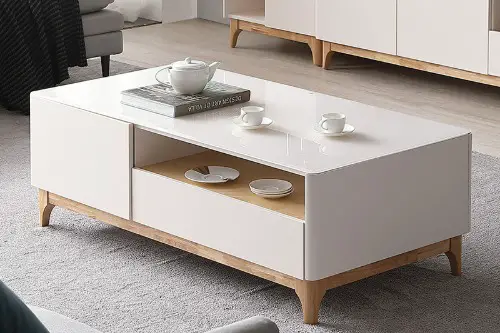
Coffee tables that are mid-century in origin and exhibit sculptural form (organic shapes, unusual bases, quality materials) have seen meaningful value increases at auction this year. These pieces often serve as focal points in interiors, so design-aware buyers are willing to pay for originality and condition. From market guides: the category of “good mid-century coffee table” is cited as a profitable area due to scarcity of high-quality examples. With more people investing in fewer pieces with stronger design pedigree, coffee tables that check all the boxes climb in value.
When investigating, check for original top (glass, wood or stone), base condition, maker’s label or recognizable design language, and whether the piece has been heavily altered. The ones that look like museum-quality furniture are the ones getting the serious bids. This makes it a strong entry on the list.
8. Mid-century lounge chairs in leather
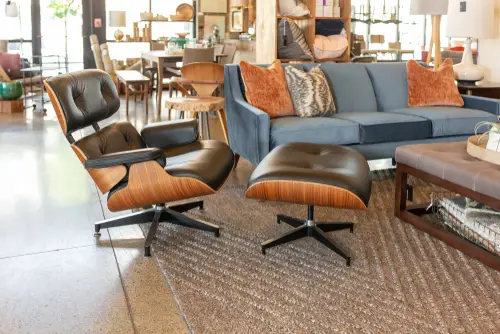
Leather lounge chairs from the mid-century era are showing stronger market performance than before: thanks to durability, timeless appeal, and crossover between design and comfort. Leather ages well, and when the structure is original and upholstery good, these chairs hit the sweet spot of “usable + collectible”. Auction commentary indicates buyers are more confident spending on mid-century leather pieces when provenance is known. The market’s shift toward “living with great design” rather than storing it also boosts these items.
When checking this category: verify manufacturer label, authenticity of design, condition of leather (cracks/repairs matter), and originality of frame. The best examples are the ones seeing the value uptick. That makes leather lounge chairs a clear candidate here.
9. Pipe-leg dining chairs
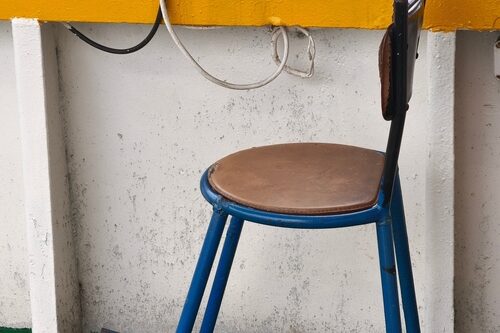
Dining chairs from the mid-century era with pipe-leg frames (metal tubing) or minimalist wood construction are gaining value quietly this year. These chairs often reflect the era’s experimentations and now appeal to buyers seeking authentic period seating rather than modern reproductions. Because many chairs were mass produced and poorly cared for, well preserved ones with original finish and upholstery are now rarer than you might expect. Auction-market commentary shows that smaller, functional seating pieces are catching up in value because collectors recognise that not everything can be a massive statement piece; seating that works and looks period is valued.
For investigation: focus on original chairs rather than sets that have been re-upholstered poorly, check for corrosion/rust in metal frames if applicable, confirm original seat/back and finish. These details matter more than the broad “mid-century” label when it comes to value. That’s why this kind of item made the list.
10. Rosewood cabinets and storage units
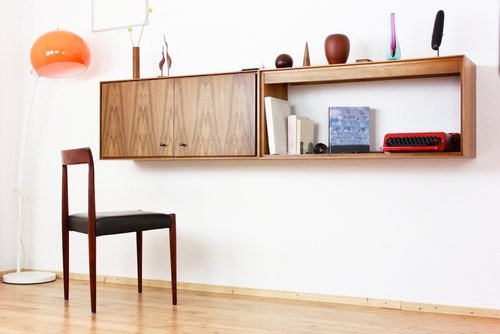
Storage units and cabinets in rosewood from the mid-century era are seeing noticeable upticks in auction value this year. Rosewood was a luxury material at the time and remains so, which gives these pieces a material-driven advantage. Combined with good design (flat fronts, minimal hardware, elegant proportions) they tick the boxes for both design enthusiasts and investors. Market commentary emphasises that high-quality materials plus sound period design = rising value, and rosewood furniture fits that formula well.
When fact-checking: verify that the rosewood veneer is original, that the piece is structurally sound, hardware is original, and finish is consistent with period. Modified pieces or poor veneer repair will reduce value. Given how strong the material reputation is, these storage units are quietly performing well in auctions.
11. Iconic designer chairs
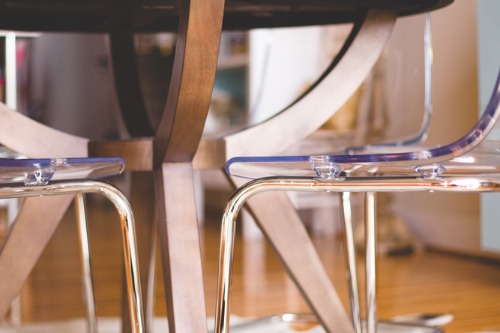
Iconic chairs from the mid-century era continues to show value growth. Chairs that are connected to recognized designer names and manufacturers carry a premium, and this year that premium has become more evident in auction performance. The reason: design-savvy buyers are willing to pay more for authenticity and provenance, and auction houses are featuring these pieces more prominently in design-focused sales. The market data shows increases in average price for chair lots from certain brands/designers in 2025 compared to past years.
For verifying: look for maker mark, design archive reference, condition, and provenance. A generic mid-century chair is nice; an “iconic designer” mid-century chair is on a different tier and that tier is moving up. That difference makes this category worthy of mention.
12. Metal-framed shelving units
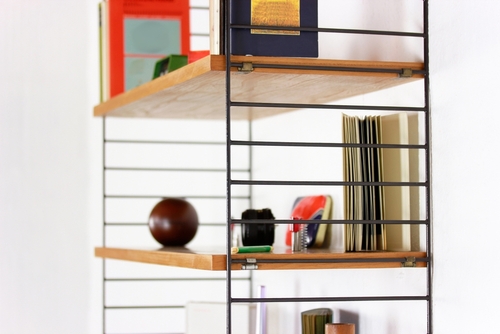
Mid-century shelving or display units with metal frames (often tubular steel) are shipping higher at auction this year than a few years ago. These pieces combine industrial materials with elegant design, which resonates with contemporary buyers who like that “factory-meets-home” aesthetic. Because metal-framed furniture often ages less gracefully than wood, well-preserved examples are now rarer — which means the surviving ones are climbing in value. Market trend reports mention increased interest in tactile, well‐constructed vintage furniture that still looks good today.
For research: inspect frame integrity (no major rust or warping), verify original shelving and hardware, and confirm period finish. Also, documentation or maker’s mark helps. These shelving units are a niche but showing strong value momentum.
13. Sculptural pendant lamps
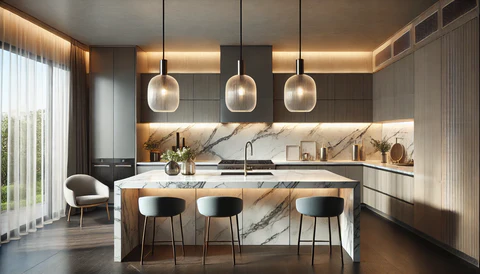
Beyond functional lighting, sculptural pendant lamps from the mid-century era are quietly showing value increases at auction this year. These pieces are attractive because they serve as focal points in a room and therefore appeal to both design purists and interior decorators. With fewer high-quality originals already in circulation, the ones in good condition attract competition. Market commentary indicates that lighting pieces with strong design, good condition and correct provenance are rising in value.
When checking this category: verify original wiring or professional re-wiring documented, shade and socket condition, design attribution (maker/designer), and suitability for today’s installation standards. These details separate the rising-value lamps from the run-of-the-mill vintage. Hence its place on the list.
14. Side tables with biomorphic/organic forms
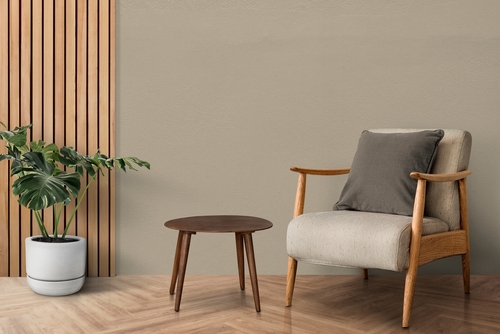
Side tables shaped with organic or biomorphic forms (rather than strict rectilinear) from the mid-century era have seen a rise in appeal and auction value this year. Many design-trend reports point to interest in curves, soft edges and “living quality” furniture over rigid modernist lines. These side tables tick that aesthetic box and simultaneously offer practicality (small footprint) which makes them accessible for many buyers. Because they’re smaller pieces, they often serve as first design purchases, and the market for them is heating up accordingly.
When fact-checking: look for original design attribution or maker, finish in good shape, no major repairs or warping, and appealing proportions. Many side tables were produced in large numbers and abused over time, so the well-preserved ones stand out. Their increasing auction value is subtle, yes — but real.
15. Teak dining sets
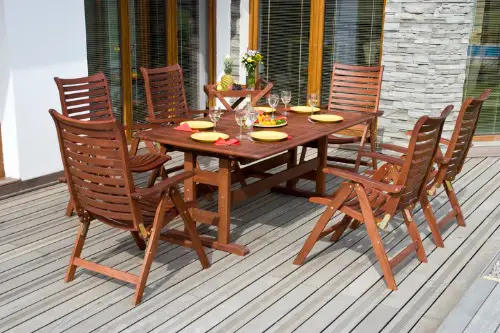
Complete or partial dining sets in teak from the mid-century era are seeing meaningful value increases this year. Dining furniture arguably gets more “wear and tear” than other pieces, so sets in good condition are rarer than you might expect. Because mid-century teak sets combine design heritage, material quality and function (people still sit down to dine), they appeal strongly to buyers. Auction market commentary emphasises that solid teak furniture from the era, especially well-maintained sets, are featured more in design-focused sales and are achieving better results.
When researching: check that all chairs match, that the table top has minimal damage, that finish is appropriate (patina good, major damage not), and that the set is complete or clearly defined. Sets with missing pieces or heavy damage lag even if they’re desirable style-wise. Because of this, the sets that are good are getting more valuable.
This post 15 Mid-Century Pieces That Quietly Doubled in Auction Value This Year was first published on Greenhouse Black.
