
1. High-Gloss Cabinets
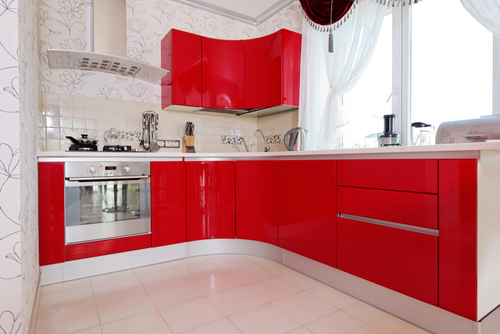
High-gloss kitchen cabinets look sleek and modern when first installed, reflecting light beautifully and making small spaces feel bigger. But over time, they show every single fingerprint, smudge, and scratch. Even with constant cleaning, they tend to lose their shine and develop dull patches. Plus, as trends shift toward more natural, matte finishes, that ultra-glossy look can start to feel a little dated.
The problem isn’t just aesthetic—maintenance can be a nightmare. Minor abrasions or chips are almost impossible to fix without replacing whole panels. Many homeowners eventually regret not opting for a satin or semi-matte option that hides wear better. What once looked high-end can quickly become high-maintenance.
2. Vessel Sinks
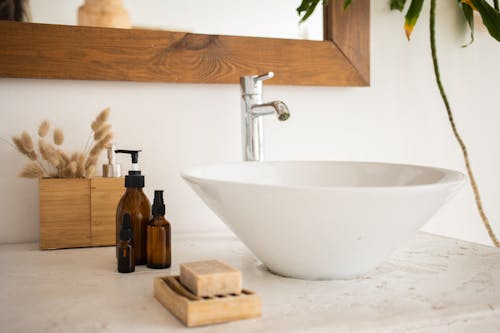
At first glance, vessel sinks have that boutique-hotel charm and instantly elevate a bathroom’s style. But they’re notorious for being impractical in daily use. Water splashes everywhere, and cleaning around the base can be frustrating. Over time, the constant wiping and scrubbing dulls both the sink and the countertop.
They also tend to go out of fashion quickly. Vessel sinks were the height of modern bathroom design in the 2000s, but they’re already being replaced by undermount or integrated sinks that feel cleaner and more streamlined. Their bulky silhouette doesn’t age gracefully in minimalist trends. What felt luxurious a few years ago can suddenly look like a throwback.
3. Barn Doors
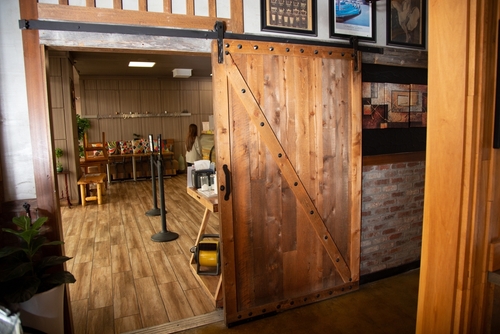
Barn doors have had a massive moment thanks to the farmhouse aesthetic, but that trend is already cooling off. They do make a visual statement, and they’re great space-savers in tight areas. However, they don’t seal rooms well—sound and smell easily pass through. Over time, their exposed hardware can creak, rust, or feel out of place in more contemporary interiors.
The design also limits privacy, which becomes a problem in bedrooms or bathrooms. Many homeowners eventually wish they’d gone with a standard hinged or pocket door for functionality. And as industrial farmhouse decor fades, barn doors can look oddly heavy and rustic. It’s a classic case of a trend that burned too bright and too fast.
4. Marble Countertops
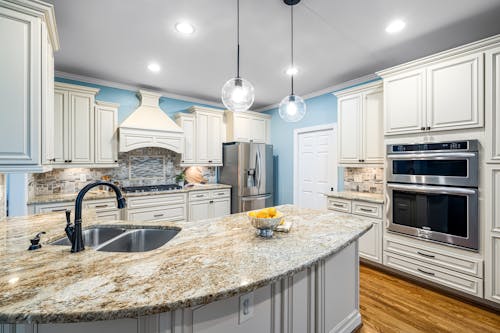
Marble has an undeniable air of luxury, but it’s one of the most high-maintenance materials you can install. It’s porous, which means it stains easily from wine, coffee, or even water rings. It also scratches and etches quickly, leaving your expensive surface looking worn long before it should. Even sealing it regularly can only do so much.
Over time, those imperfections can make your kitchen or bathroom look tired instead of timeless. Alternatives like quartz or porcelain now mimic marble beautifully with far less upkeep. Many homeowners who loved marble’s look end up regretting its fragility. It’s the epitome of “looks rich, ages rough.”
5. All-White Interiors
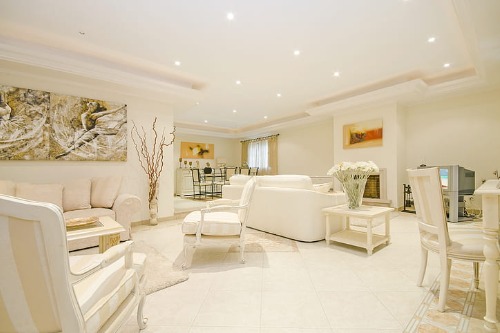
An all-white home looks crisp, clean, and Instagram-ready—at first. But anyone who’s lived with white-on-white decor knows it’s incredibly hard to keep that way. Scuffs, dust, and discoloration from sunlight or everyday wear show up almost immediately. Before long, your pristine space looks dingy instead of dazzling.
White trends also come and go in cycles. Right now, warmer, more natural tones are making a comeback, which makes pure white rooms feel sterile and cold. Touch-ups and constant cleaning become endless chores. What starts out chic often ends up exhausting.
6. Open Shelving in Kitchens
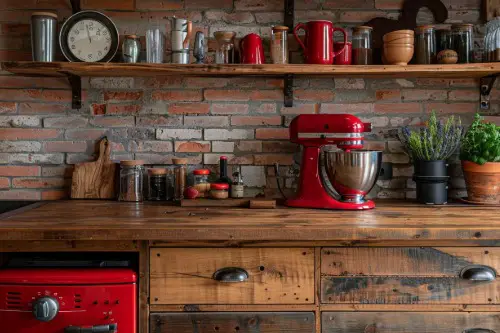
Open shelving is beautiful when perfectly styled, showing off matching dishes and glassware. But in real life, it’s hard to maintain that Pinterest-perfect look. Dust and grease build up fast, especially near cooking areas. Unless you’re cleaning constantly, your “display” can quickly start looking cluttered and grimy.
There’s also a practicality issue—most people need hidden storage more than decorative shelves. Over time, the trend can make a kitchen feel chaotic instead of curated. Even interior designers now advise moderation, mixing open shelves with closed cabinetry. It’s a design choice that’s high-impact but short-lived in function and appeal.
7. Shiplap Walls
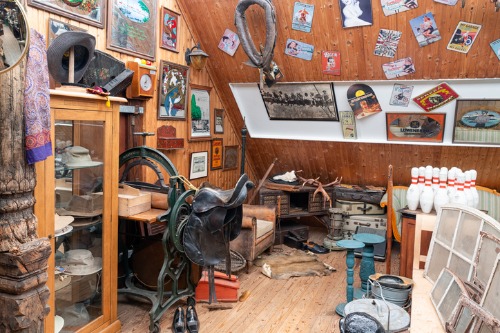
Once the poster child of farmhouse chic, shiplap walls brought texture and charm to countless living rooms and bathrooms. But the trend has been overdone, and what once felt cozy now feels cliché. The horizontal lines can also visually shorten walls, making rooms feel smaller. And maintaining clean grooves is surprisingly time-consuming.
As styles move toward smoother, minimalist finishes, shiplap is starting to feel dated. Repainting or removing it later can be a major project. Many homeowners now prefer plaster or limewash for subtle texture without the “country” vibe. What was once a signature statement is quickly aging out of style.
8. Gray Everything
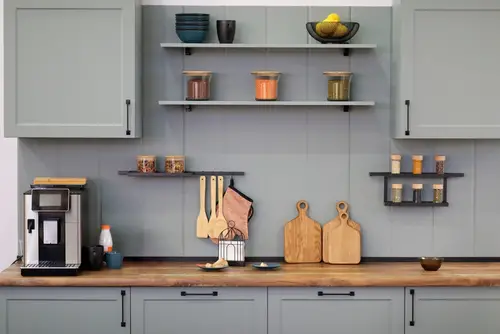
Gray dominated interior design for nearly a decade, making homes look polished and modern. But now, it’s starting to feel cold and lifeless compared to today’s warmer palettes. Over time, even slight discoloration or fading in paint and flooring becomes noticeable. Entire gray interiors can end up feeling flat and uninspired.
It’s also a trend that photographs better than it lives. In person, gray can make a space feel gloomy—especially in rooms without natural light. Designers are moving toward earth tones and creamy neutrals that feel more inviting. So that once-luxurious gray-on-gray look is already showing its age.
9. Floating Vanities
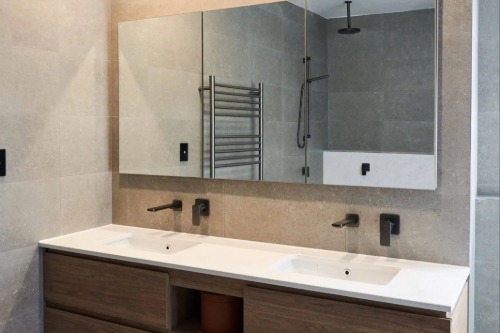
Floating vanities look sleek and create the illusion of more space. But they’re less durable than traditional ones and can sag or loosen over time, especially if improperly installed. The space underneath also collects dust and hair that’s tricky to clean. What looked minimalist can quickly feel like a maintenance hassle.
They also tend to show every scuff on the wall behind them, especially in busy bathrooms. As moisture and cleaning products take their toll, that “floating” aesthetic loses its magic. Many homeowners find themselves wishing for sturdier, full-sized storage instead. It’s a case where practicality beats sleek design in the long run.
10. Statement Light Fixtures
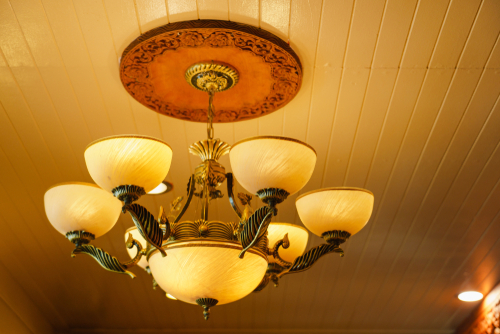
Oversized chandeliers and sculptural lighting can absolutely transform a space—but they also date a home faster than almost anything else. What feels trendy today often looks over-the-top tomorrow. Large fixtures are expensive to replace and difficult to clean. And if your ceilings aren’t high enough, they can overwhelm the room.
Even worse, styles change fast in lighting design. Brass globes, geometric pendants, and Sputnik-inspired pieces all had their moment. But when that moment passes, your “showstopper” becomes a visual anchor from a bygone trend. Sometimes understated really does age better.
11. Designer Tiles with Bold Patterns
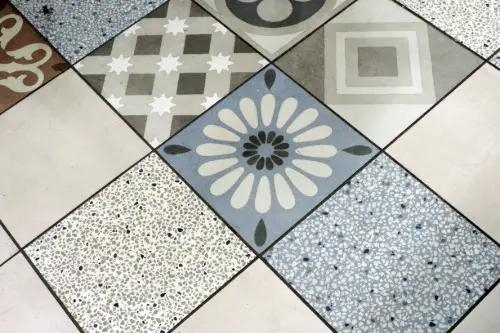
Patterned tiles bring personality and flair to kitchens and bathrooms, but they’re also highly trend-sensitive. Once a design floods social media, it quickly becomes overexposed. After a few years, what looked bold and stylish can feel chaotic or dated. And replacing tile isn’t exactly a weekend project.
Grout maintenance is another issue—dirt builds up and dulls the patterns faster than expected. Neutral or classic options tend to hold up better over time. Homeowners often wish they’d chosen a timeless base and saved the patterns for accents. It’s proof that even beautiful design can age badly when it’s too specific.
12. Built-In Tech Features
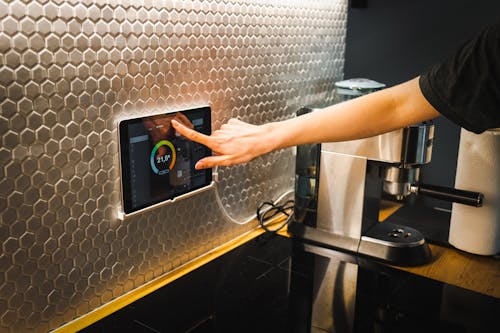
Smart mirrors, touchscreen fridges, and voice-controlled lighting sound futuristic—but technology evolves too fast for these upgrades to last. Within a few years, software updates stop, interfaces lag, or newer models make your expensive system look ancient. Repairs are costly, and integration can be a nightmare. What felt innovative soon becomes outdated clutter.
Design-wise, these features also lock you into a certain aesthetic. When tech components break or age, they’re harder to replace than standard fixtures. Even luxury homes are moving toward simpler, modular systems instead. Sometimes the smartest design is the one that doesn’t rely on constant upgrades.
13. Dark Matte Finishes
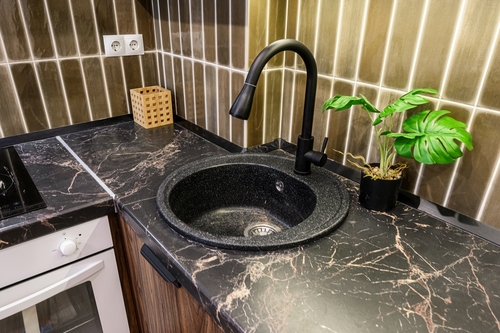
Dark matte finishes—on walls, cabinetry, or fixtures—ooze sophistication at first. They hide fingerprints better than gloss, but they scuff and chip easily. Cleaning them without leaving marks is surprisingly difficult. And while they look stunning under ideal lighting, they can make small or dim spaces feel cave-like.
As trends shift back toward lighter, more reflective materials, these dark tones can feel heavy and outdated. Even high-end homes are trading matte black for brushed metal or soft neutrals. Over time, the finish can lose its depth and start looking uneven. What once screamed luxury ends up whispering wear and tear.
This post 13 Renovation Choices That Look High-End but Age Terribly Fast was first published on Greenhouse Black.
