
1. Skyrocketing Campground Fees
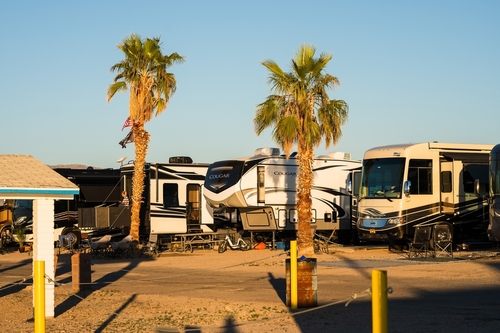
What used to be a cheap way to park your RV has become a major monthly expense. Many private campgrounds now charge between $50 and $100 a night, and even state parks have increased their rates. With so many people embracing van life, long-term spots are harder to find and often come with waitlists. If you’re on the road full-time, that adds up to rent-level costs pretty fast.
Even if you manage to snag a monthly rate, those can still run $800 to $1,500 in popular areas. Campgrounds also tack on fees for things like electricity, Wi-Fi, or dumping tanks. Seasonal pricing means your costs can double during peak months. What sounds like freedom can start feeling like a pricey lease on wheels.
2. Constant Maintenance and Repairs
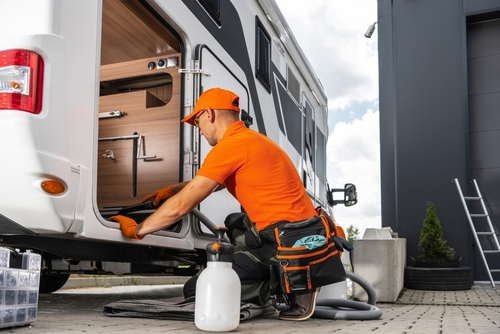
RVs are basically homes that go through an earthquake every time you hit a pothole. That kind of wear and tear means something is always breaking. From roof leaks to failing slide-outs and busted water heaters, repairs can easily run into the thousands. Even with warranties, labor costs and downtime can wipe out your travel budget.
You also can’t just pop into a regular mechanic for most issues. RV-specific technicians charge premium rates and are often booked weeks out. Many full-timers find themselves stranded while waiting for parts or service. The dream of “freedom to roam” quickly turns into “waiting on backorder.”
3. Fuel Costs That Fluctuate Wildly
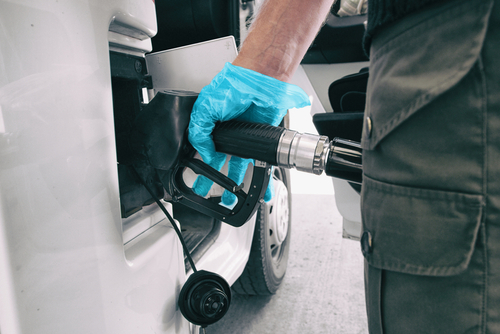
RVs are gas guzzlers, plain and simple. Depending on your rig, you might get anywhere from 6 to 12 miles per gallon. When gas prices spike, every trip feels like a luxury you can’t afford. Long drives across the country can cost hundreds just in fuel.
Even if you plan your route carefully, the sheer size of most rigs means you’ll spend significantly more than someone driving a car. Diesel rigs can be slightly more efficient, but diesel prices often rise faster. Add in generator fuel, and your “cheap travel lifestyle” gets expensive quick. For many full-timers, high fuel costs are what finally park their rigs for good.
4. Insurance Isn’t Cheap or Simple

You can’t just buy a regular car or home insurance policy and call it a day. Full-time RV insurance covers both your vehicle and your living space, which means higher premiums. Depending on coverage and rig value, you could easily pay $1,000 to $3,000 per year. And that’s before factoring in roadside assistance plans.
Many insurers also require you to maintain a permanent mailing address, which complicates things if you’re truly nomadic. Some states charge higher rates based on where you register the RV. Add in health insurance if you’re self-employed, and your “low-cost lifestyle” starts to look a lot less minimal. Insurance is one of those hidden costs that can’t be ignored.
5. Depreciation Hits Hard
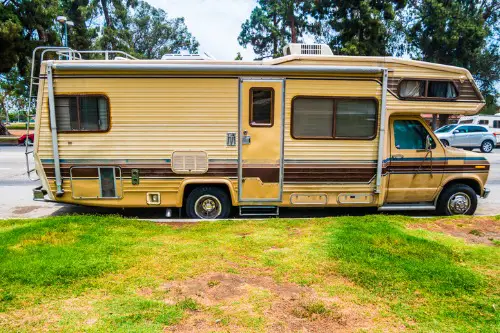
RVs lose value fast—faster than most cars. In just five years, a new RV can lose 40–60% of its value. That’s a serious blow if you ever need to sell or trade it in. Many full-timers underestimate how much money they’ll never get back.
Unlike real estate, your RV isn’t an appreciating asset. Even keeping it in top shape can’t fight depreciation caused by mileage and wear. Once your warranty expires, expensive repairs only make things worse. It’s a tough reality for anyone treating their rig as an investment.
6. Internet and Connectivity Struggles
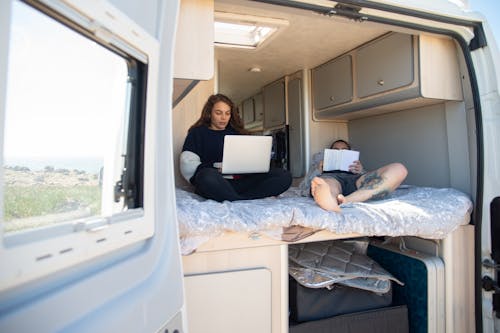
Working remotely sounds easy until you realize Wi-Fi in campgrounds is notoriously bad. Most full-timers end up paying for multiple data plans, hotspots, or signal boosters to stay connected. Between subscriptions, hardware, and overage fees, that can run $200 or more per month. And even then, service can be unreliable in rural areas.
If your income depends on staying online, you’re stuck paying whatever it takes to maintain coverage. Streaming or video calls can eat through data limits fast. Many RVers end up parking near towns just to catch a decent signal. Connectivity isn’t a luxury—it’s a hidden tax on digital freedom.
7. Propane and Utility Costs

Propane fuels your stove, fridge, and heater—but the cost adds up fast in cold weather. Filling a 20-pound tank can run $20 to $30, and larger tanks cost even more. If you’re stationary for long stretches, you might refill weekly during winter months. It’s one of those little things that quietly drains your budget.
Electricity isn’t always included at campgrounds, either. Some charge per kilowatt-hour, which can add $50 to $200 to your monthly expenses. Solar setups can help, but they’re pricey to install and don’t work everywhere. Living off-grid often means trading one kind of bill for another.
8. Storage Fees for Seasonal Gear and Belongings
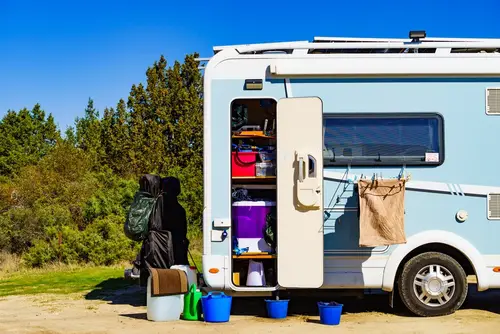
Even in a “tiny home,” people need stuff—bikes, tools, or extra clothes. Most rigs simply don’t have space for everything, especially if you travel full-time. Many RVers end up renting storage units to hold overflow items. Those can cost $50 to $200 per month depending on size and location.
It’s an expense few people factor in when budgeting for RV life. You’ll also spend extra gas and time retrieving things from storage when needed. Downsizing sounds romantic until you realize how much “essential” gear doesn’t fit. Minimalism can quickly come with a monthly invoice.
9. Unexpected Health Costs on the Road

Without a stable address, finding healthcare can be tricky. Many full-timers rely on urgent care centers or telehealth services, which can be more expensive than regular visits. Some states require you to return “home” for insurance-covered care, which isn’t always practical. Add in prescription refills and travel-related injuries, and the costs start piling up.
Even staying healthy is harder when you’re always moving. Limited access to gyms, fresh food, or stable routines can impact wellness over time. Medical emergencies on the road can also mean out-of-network bills. Health costs can become one of the most unpredictable—and devastating—budget busters.
10. Registration and Licensing
RVs are expensive to register, and fees vary wildly by state. Some full-timers choose their domicile states carefully, but even then, costs can rise each year. Large rigs or motorhomes often have higher registration rates than towables. Add in inspections, emissions checks, or driver’s license renewals, and the bureaucracy adds up.
If you cross state lines often, it gets more complicated. Some states have time limits before you’re required to register locally. That can lead to unexpected fines or penalties if you overstay. What seems like a one-time cost turns into an ongoing administrative headache.
11. Limited Access to Affordable Groceries

Remote locations often mean limited shopping options. Without big-box stores nearby, you’re stuck paying small-town prices for everyday groceries. Many RVers try to stock up when passing through cities, but that requires extra storage space. Perishables are especially tricky with limited fridge capacity.
Eating out becomes tempting but quickly drains your funds. Even simple meals on the road can cost double what they would at home. Some resort towns near campgrounds have inflated prices across the board. The “freedom” to move often means sacrificing affordable food access.
12. Hidden Membership and Subscription Fees
To save money, many RVers join discount clubs like Thousand Trails, Good Sam, or Passport America. While these can reduce nightly rates, the memberships themselves aren’t cheap. Annual fees range from $50 to over $1,000, depending on the program. And some require additional upgrades or zone passes to get real benefits.
If you belong to several programs, the costs stack up quickly. Then there are streaming services, GPS subscriptions, and navigation apps that keep you connected. Before you know it, you’re managing a dozen small charges each month. “Budget travel” often depends on an expensive patchwork of memberships.
13. Breakdown Logistics and Towing Fees
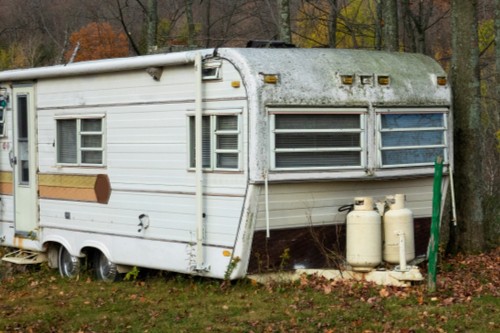
When your rig breaks down, towing isn’t as simple as calling AAA. RVs require specialized tow trucks that can cost hundreds—sometimes over $1,000—depending on distance. If you’re far from a repair shop, that cost can double. Even premium roadside plans have limits that catch people off guard.
Breakdowns also mean hotel stays while your RV’s in the shop. That’s another $100 to $200 a night, plus meals out. Being stranded turns into a chain reaction of unexpected expenses. It’s not just the repair—it’s everything that happens while you’re waiting.
14. The Emotional Cost of Constant Uncertainty

While not financial on paper, the mental toll of unpredictability has real-world consequences. Constantly moving, planning, and budgeting wears people down. Many full-timers eventually spend more just to feel stable—staying longer in one spot or booking nicer parks. It’s a quiet, creeping cost that sneaks up over time.
That emotional fatigue often leads to burnout, which can derail even the best financial plan. When stress levels rise, people spend impulsively to feel comfortable or secure. Small indulgences become coping mechanisms that add up. Freedom isn’t free when it comes at the expense of peace of mind.
This post 14 Hidden Costs That Make Full-Time RV Living Unsustainable was first published on Greenhouse Black.
