
1. Sunrooms Without Proper Foundations

That airy sunroom might seem like an easy add-on, but too many are built on simple slabs or even decks without frost-protected foundations. Over time, those structures shift, crack, or separate from the main house. Codes usually require the same foundation depth as the rest of the home, especially in cold climates. Skipping that step means the structure isn’t considered “habitable space” by inspectors.
When it’s time to sell or remodel, that sunroom often gets classified as a porch instead of living space. That lowers your square footage and resale value. It can also complicate heating, cooling, and moisture control. What felt like an affordable addition becomes a never-ending repair project.
2. Finished Basements Without Proper Egress
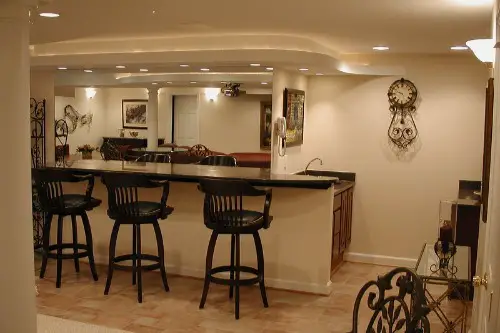
Finishing a basement can add tons of usable space, but skipping a proper egress window is a big mistake. Building codes require a safe exit in case of fire, and those tiny hopper windows just don’t cut it. Homeowners often assume a basement bedroom doesn’t need one because it’s “just for guests.” Years later, that oversight can mean expensive retrofitting—or a failed home inspection.
Even worse, older basements without egress may not meet modern safety codes if you try to sell or refinance. Local authorities often require digging out a window well and installing a larger window to comply. That’s not a quick or cheap fix. A project meant to add value ends up creating a major liability instead.
3. Room Additions Without Upgrading the Electrical Panel
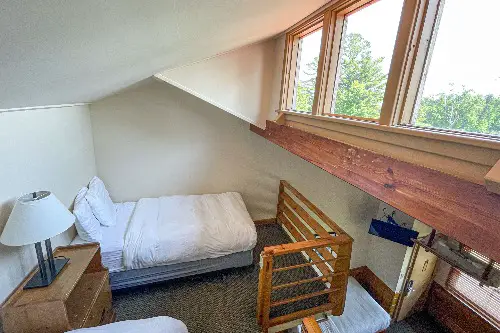
Adding a new room sounds simple until you realize your electrical panel is already maxed out. Overloaded circuits can trip breakers or cause unsafe wiring workarounds. Many homeowners or handymen just “tie into” existing circuits to save money. The result is often a spaghetti mess that violates modern electrical codes.
When codes update, older wiring setups often fall short of safety standards. If your panel is still rated for 100 amps while your home’s needs have doubled, inspectors will notice. Upgrading can mean rewiring or even trenching for a new service line. It’s the kind of problem that hides quietly until you try to sell—or the lights start flickering.
4. Garage Conversions Without Insulation or Venting
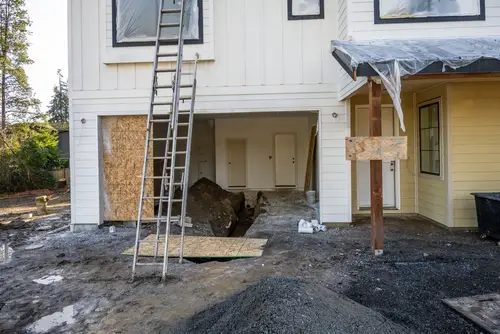
Turning a garage into a bedroom or office can be tempting, but skipping proper insulation or ventilation breaks multiple codes. Garages aren’t built to the same energy or fire standards as living areas. Many homeowners just drywall over concrete walls and call it done. Years later, that shortcut leads to mold, heat loss, and even fire hazards.
Inspectors often require walls, ceilings, and floors to meet strict insulation values. They also demand proper separation from potential fuel sources like car exhaust or water heaters. If those aren’t addressed, a conversion can’t be legally recognized as livable space. It’s a common headache for buyers who inherit these “DIY bedrooms.”
5. Decks Without Proper Footings or Fasteners
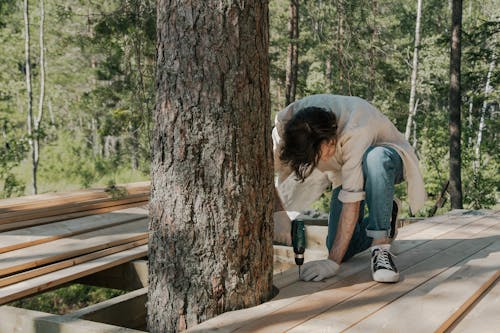
A deck that looks solid can still be a code disaster waiting to happen. Many are built with undersized footings or nails instead of proper bolts where the deck meets the house. These shortcuts lead to structural failures that local codes explicitly forbid. Inspectors now look for specific hardware like lag screws and metal brackets for a reason.
Over time, moisture and weight amplify any weak spots. Without correct anchoring, the deck can literally pull away from the house. Fixing it later means rebuilding large sections or tearing it down entirely. That summer project can easily turn into a full reconstruction years later.
6. Attic Bedrooms Without Adequate Ceiling Height
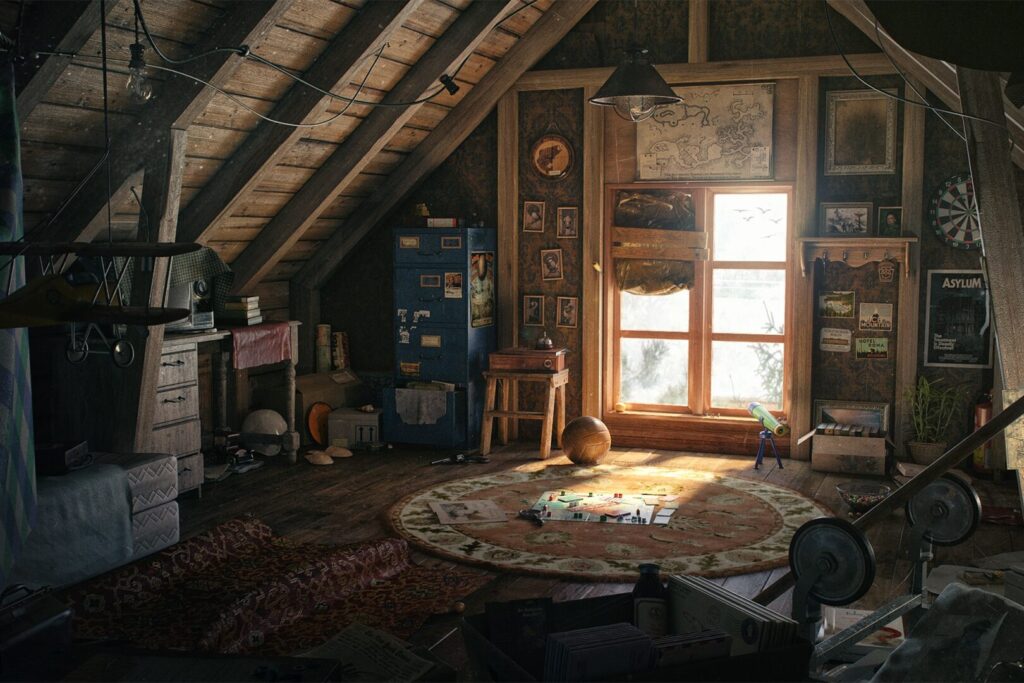
Converting an attic into a bedroom can seem like a clever way to add space, but code minimums for ceiling height are strict. Many attics just don’t meet the required seven-foot clearance across enough of the floor area. Homeowners sometimes squeeze in low ceilings or slanted walls that feel cozy but don’t pass inspection. The space might look great on Instagram, but it’s technically uninhabitable.
If you ever try to get a permit after the fact, that missing height becomes a deal-breaker. Cutting into rafters or raising the roofline to fix it is wildly expensive. Plus, many older attic floors weren’t designed to handle the load of furniture and people. What started as a clever conversion becomes a code nightmare when it’s time to legalize it.
7. Bathrooms Without Proper Ventilation

Adding a bathroom sounds straightforward until you realize venting isn’t optional. Building codes require exhaust fans or operable windows to prevent moisture buildup. Without them, mold and mildew start to form in hidden corners. Homeowners often skip venting to save money or avoid running ductwork through the roof.
Over time, that trapped humidity damages drywall, paint, and framing. Inspectors can spot signs of poor ventilation easily—like peeling finishes or soft ceilings. Retrofitting a fan later means opening up walls or ceilings. That’s an expensive fix for something that should’ve been done on day one.
8. Open Floor Plans Without Structural Support
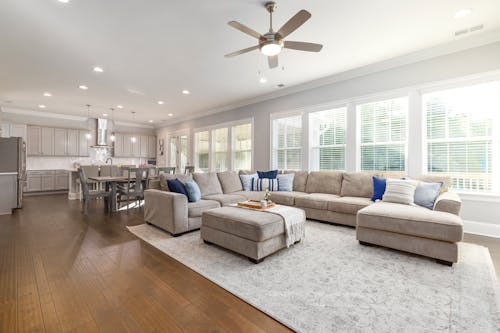
Knocking down walls to create an open concept is one of the most common DIY code traps. Many interior walls are load-bearing, even if they don’t look it. Removing them without installing a properly sized beam violates structural codes and compromises the home’s stability. You might not see problems immediately, but sagging ceilings and cracked drywall often show up years later.
When the structure finally shifts, repairs can run into tens of thousands of dollars. Inspectors also demand engineer-approved plans for any structural changes. That missing paperwork can stall sales and renovations alike. It’s one of those “cheap” upgrades that costs more than it saves.
9. Improperly Installed Gas Lines for Additions
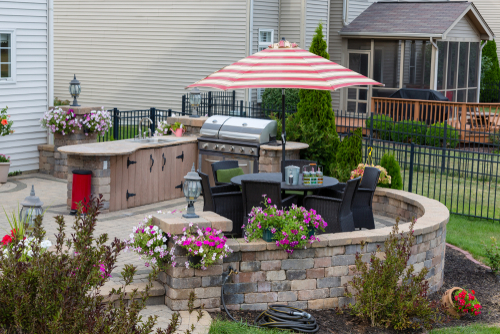
Adding a second kitchen, outdoor grill, or gas fireplace might sound simple, but gas lines have strict installation rules. Homeowners sometimes use flexible connectors or undersized piping not rated for permanent use. Those mistakes can cause leaks, pressure drops, or even explosions. Gas work always requires a permit and inspection for a reason.
When you go to sell or upgrade appliances, inspectors will flag any unapproved work. Modern codes also require shutoff valves and bonding for safety. Fixing bad gas lines later often means opening walls and rerouting everything. It’s the kind of hidden hazard that makes insurance adjusters nervous.
10. Enclosed Porches Without Proper HVAC Integration
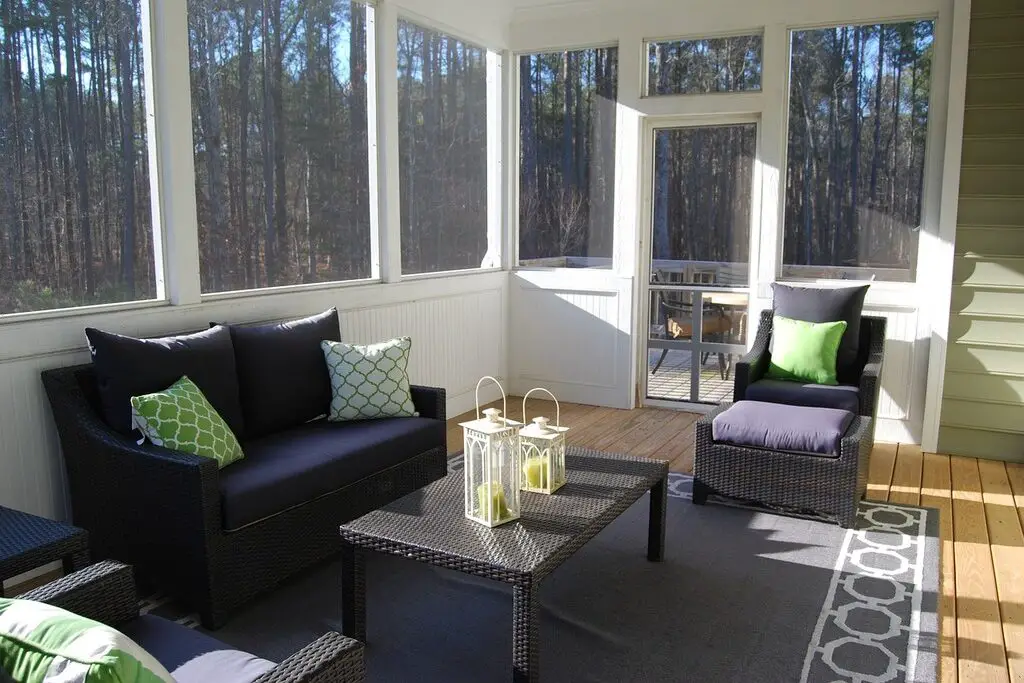
Turning a porch into a year-round space often means running HVAC ducts out there—but that’s rarely code-compliant without proper insulation and sealing. HVAC systems are designed for specific load capacities, and adding extra square footage throws that balance off. Many homeowners just extend vents without resizing the system. The result is uneven heating and higher energy bills.
Inspectors can also flag unpermitted ductwork or lack of vapor barriers. Moisture trapped in poorly sealed spaces leads to mold or rot. Fixing it means tearing out finishes to correct airflow and insulation. It’s a common “shortcut” that leads to major comfort and compliance issues later.
11. DIY Plumbing Additions
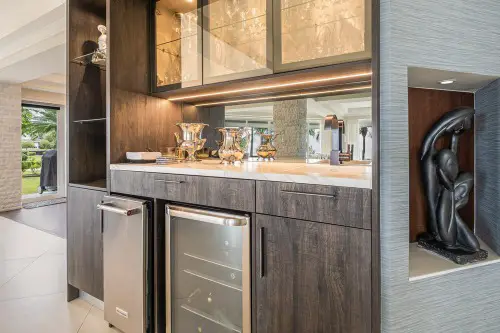
Adding a wet bar, laundry area, or half bath often seems like a weekend project, but plumbing codes are precise for a reason. Improper venting, wrong pipe slopes, or illegal connections to existing drains can cause leaks and sewer gas issues. Many DIYers skip permits because “it’s just one sink.” That small mistake can snowball into huge water damage down the line.
When selling, home inspectors can easily spot nonstandard plumbing fittings or missing cleanouts. Correcting them can mean opening floors and walls. It’s also common for insurance claims to be denied if damage traces back to unpermitted work. In plumbing, shortcuts are always expensive eventually.
12. Noncompliant Stair Additions
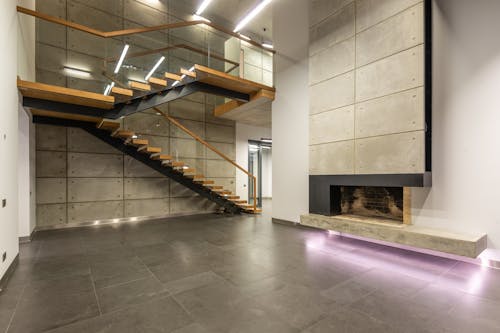
Adding stairs to a new attic, basement, or deck seems simple, but stair codes are among the strictest in construction. The rise, run, and headroom must all fall within specific measurements for safety. DIY stairs often end up too steep or too narrow. They might work fine daily, but they fail inspection immediately.
Stairs that don’t meet code can’t legally connect “habitable” spaces. That means your new bedroom or loft might not even count in your home’s official square footage. Fixing stairs later means tearing out framing and reconfiguring the structure. It’s one of those hidden costs that bites hard when you least expect it.
13. Unpermitted Additions Altogether
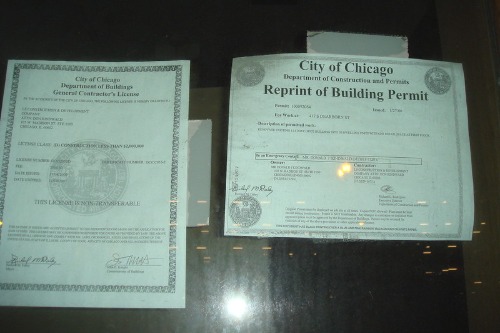
Finally, the biggest code nightmare of all: adding space without a permit. It might feel like a way to save time and money, but unpermitted work becomes a legal and financial trap. Appraisers can’t count unpermitted square footage, and cities can demand you tear it down or bring it up to current code. That’s a nightmare if the work doesn’t meet today’s stricter standards.
When you try to sell, buyers and lenders almost always uncover the truth through records or appraisals. Bringing an old addition up to code can involve electrical, plumbing, insulation, and structural overhauls. Sometimes, the fix costs more than the original project. In the end, skipping the permit is rarely worth the long-term pain.
This post 13 Home Additions That Create Code Nightmares Years Later was first published on Greenhouse Black.
