
1. Flying State Flags at Every Campsite
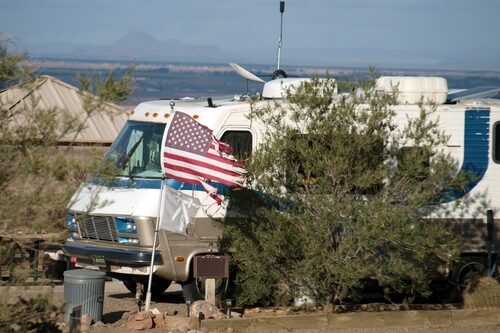
It used to be that every RV site had a flagpole showing off where campers came from — a proud tradition that helped spark friendly conversations. Today, many campgrounds discourage tall flagpoles due to safety concerns and visual clutter. Plus, as RV parks get more crowded, there’s simply less space to stake out big displays. Instead, people are connecting through apps or campground events rather than by reading each other’s flags.
The shift isn’t just about rules — it’s about changing priorities. Modern campers often want a more natural, minimalist setup that blends into the landscape. Some newer RVers also prefer privacy over broadcasting their hometown. It’s a small example of how the RV community is evolving from loud-and-proud to laid-back-and-connected.
2. Running Generators All Day
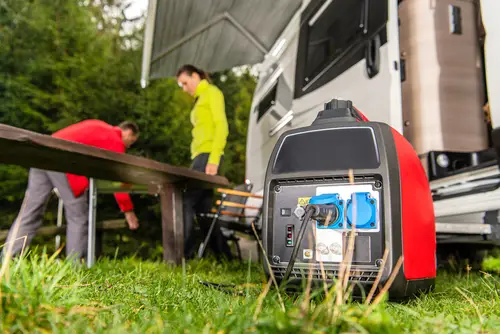
A decade ago, hearing the hum of generators was part of the campground soundtrack. But as solar panels and lithium batteries become standard, that noise is fading fast. Many RV parks have also introduced quiet hours or outright bans on generator use to protect the peaceful atmosphere. Campers are adapting with tech that’s cleaner, quieter, and more efficient.
The shift to renewable power isn’t just about convenience — it’s about culture. Campers increasingly care about sustainability and want to leave a smaller footprint. Using solar setups also makes boondocking easier, since you can stay off-grid without disturbing nature or your neighbors. The once-constant buzz of engines is giving way to the quiet hum of modern efficiency.
3. Decorating Sites with String Lights and Lawn Ornaments
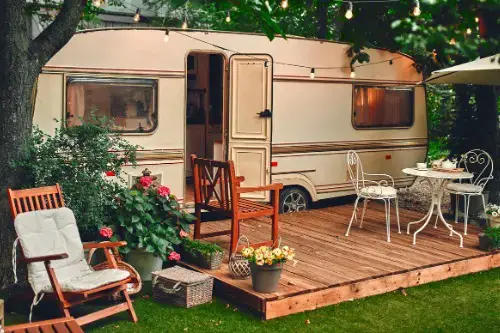
Once upon a time, over-the-top campsite decorations were a badge of pride. From flamingos to twinkling lights, these displays made sites feel like mini fairgrounds. But with power restrictions and new campground aesthetic rules, those glowing setups are losing favor. Today’s campers are keeping things simple and focusing on natural ambiance instead.
It’s partly about practicality — setting up elaborate decor takes time and storage space that many full-timers don’t have. Campgrounds are also trying to reduce light pollution for stargazing and wildlife. A few subtle solar lanterns are in; big plastic inflatables are out. The shift reflects a broader move toward mindful, minimalist camping experiences.
4. Paper Maps and Brochures

Every seasoned RVer once had a glovebox full of maps and campground directories. But GPS and RV-specific travel apps have made those bulky paper guides nearly obsolete. Real-time updates on closures, fuel stops, and reviews make digital tools more accurate and convenient. As a result, campground check-ins rarely involve handing out printed materials anymore.
This change is saving trees and simplifying logistics. Some parks even have QR codes at check-in stations instead of printed maps. Tech-savvy RVers appreciate the instant info, though a few still keep paper maps for backup in no-service zones. The balance between old-school reliability and modern convenience defines today’s travel habits.
5. Rigid Check-In Rituals
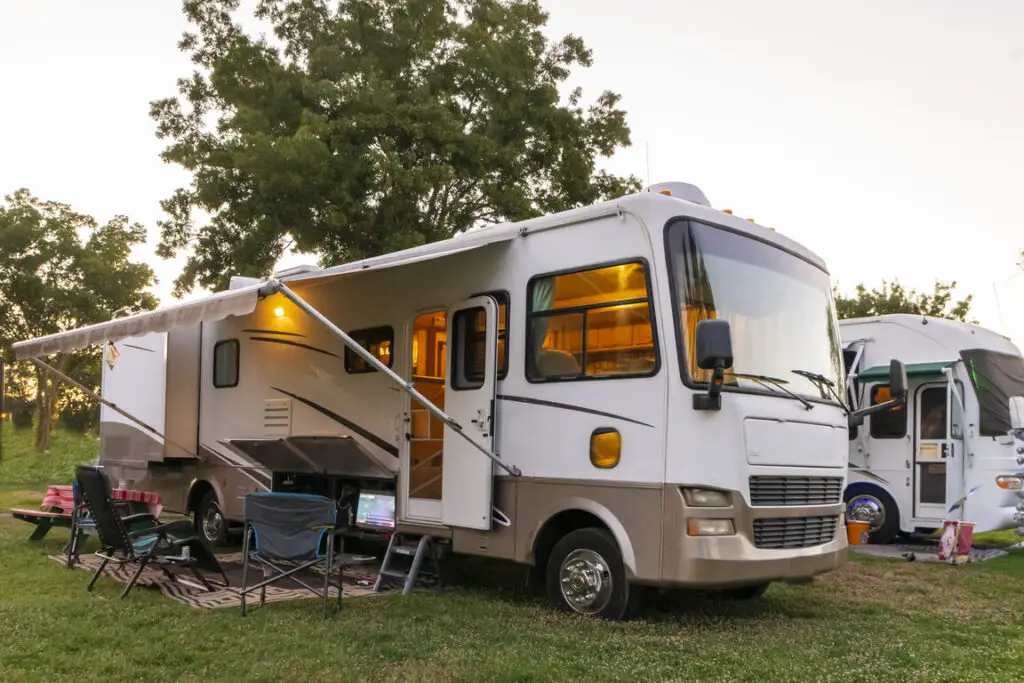
It wasn’t long ago that RVers had to show up by 5 p.m. sharp to avoid losing their spot. Now, with online reservations and self-check-in systems, those strict rules are easing. Many parks have installed automated gates or digital kiosks that let campers check in on their own schedule. This flexibility has made spontaneous travel more accessible.
The shift caters to how people travel today — less rigid and more tech-driven. Campground hosts still exist, but their role is now more about community and less about paperwork. Late arrivals can settle in quietly without waking the whole park. The digital age has streamlined even the simplest camping traditions.
6. Saving Spots for Friends
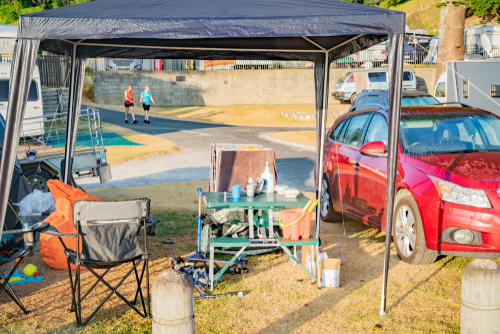
It used to be common to rope off extra sites for a caravan of friends coming later. These days, most parks won’t allow that — reservations are too competitive, and occupancy rules are stricter. With the boom in RV travel, holding spots just isn’t fair to others looking for a space. So now, group camping requires advance coordination instead of improvised saving.
This change reflects how demand has reshaped campground culture. Sites book up months ahead, so the “save-a-spot” tradition just doesn’t fit the modern system. Group campsites or rally areas are the new go-to for traveling parties. It’s less spontaneous, but far more organized and equitable for everyone.
7. Relying on Cash-Only Campground Payments
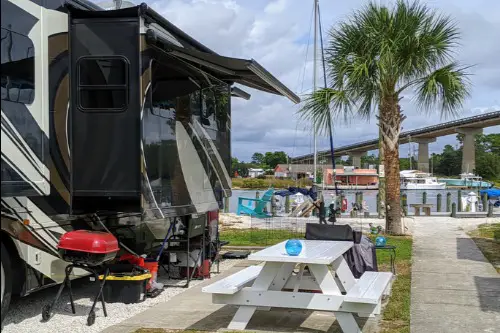
Cash once ruled campground transactions, from site fees to firewood. But with contactless payment systems and campground apps, physical money is fading fast. Most parks now use online booking portals, and even small independent campgrounds have mobile readers. It’s faster, safer, and easier to track for both campers and owners.
The pandemic accelerated this transition by pushing for touch-free systems. Campers have embraced the convenience of prepaying before they arrive. It also reduces misunderstandings about rates or cancellations. The old “cash in an envelope” system is becoming a nostalgic relic.
8. Potluck Dinners with the Whole Campground
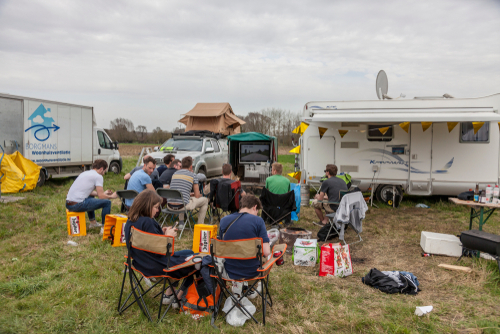
Community potlucks were once a highlight of RV life — everyone brought a dish, and friendships formed over casserole. But health concerns and busier travel schedules have made these events less common. Campgrounds now favor organized, catered events or food truck nights instead. It’s still social, but in a more structured and sanitary way.
The decline isn’t about unfriendly campers — it’s about practicality. With more full-timers working remotely, people don’t always have time for communal cooking. Plus, dietary restrictions and hygiene standards have made shared meals trickier to manage. The spirit of community remains, but the form it takes has evolved.
9. Printing Membership Stickers on RV Windows
Campers once showed off every club they belonged to with a collage of stickers on their rig. Escapees, Good Sam, KOA — those logos told a story. But modern RVers often prefer a cleaner aesthetic or worry about privacy and resale value. Membership verification is now handled digitally, making the stickers unnecessary.
It’s part of the broader digital migration in RV culture. Loyalty programs track discounts through apps or license plates instead of windshield clutter. New RV designs also discourage exterior stickers because of finish damage. What was once a point of pride now feels a bit dated.
10. Washing RVs at the Campground

It used to be fine to give your rig a good scrub wherever you parked. Now, most campgrounds prohibit washing to conserve water and avoid runoff pollution. Instead, travelers use designated wash stations or waterless cleaning products. It’s a reflection of growing environmental awareness within the RV community.
Modern RVers understand that sustainability isn’t just a buzzword — it’s part of responsible travel. Parks want to protect local ecosystems and reduce maintenance costs. As a result, that Saturday wash tradition has quietly faded. Eco-friendly wipes and portable sprayers are the new normal.
11. Using Two-Way Radios for Caravaning
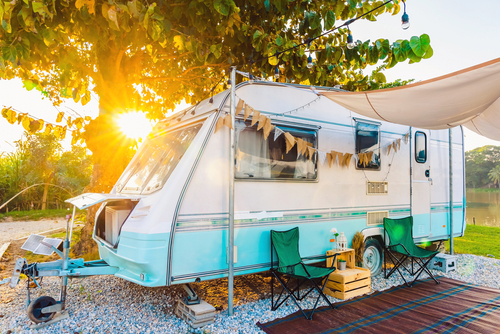
Before smartphones, CB radios and walkie-talkies were essential for keeping a caravan together. They provided instant updates on turns, stops, or trouble. But with GPS tracking and group chat apps, that kind of analog communication is disappearing. Few new RVers even bother installing CB systems anymore.
The change is driven by convenience and reliability. Cellular coverage is much broader, and communication apps offer richer features. Plus, fewer travelers are part of large caravans these days — small groups and solo trips dominate. The old “breaker, breaker” chatter is mostly nostalgia now.
12. Leaving Porch Lights On Overnight
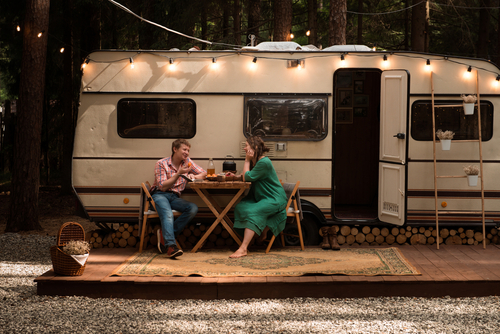
For decades, a glowing porch light was the universal “we’re home” sign in campgrounds. But light pollution awareness has changed that custom. Campers are turning lights off or using motion sensors to protect dark skies and wildlife. Some parks now even request that exterior lights stay off after quiet hours.
This trend also reflects changing tech — LED lights and solar fixtures make illumination smarter and more targeted. Campers appreciate better visibility without blinding neighbors. Stargazing has become a popular nighttime activity, making dark surroundings more desirable. The glow of the porch light is dimming, but for good reason.
13. Keeping a Big Collection of Campground Souvenir Mugs

Collecting mugs or patches from every stop was once a rite of passage for RV travelers. But as minimalist living takes hold, many are ditching the clutter. Space in an RV is precious, and travelers now document memories through digital photos or social media instead. The physical mementos just don’t fit the mobile lifestyle anymore.
This doesn’t mean sentimentality is gone — it’s just evolving. Many RVers still commemorate special places, but through digital scrapbooks or lightweight keepsakes. It’s part of a move toward traveling lighter and living simpler. The spirit of collecting remains, even if the shelves are empty.
14. Relying on Campground Bulletin Boards for News
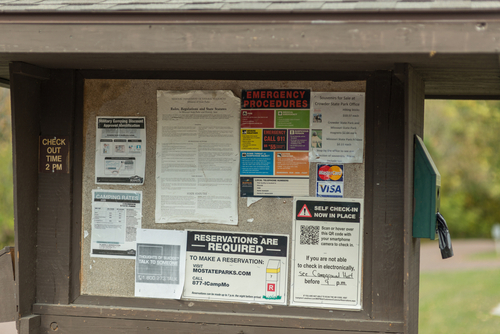
Every RV park once had a corkboard full of announcements, local tips, and lost-and-found notes. But now, that info lives on campground apps, social media pages, or text alerts. Digital tools keep campers updated in real time, making bulletin boards mostly decorative. Some parks still keep one for nostalgia, but it’s rarely checked.
The change highlights how connected the RV world has become. Wi-Fi and smartphones have replaced the need to walk to the office for news. It’s faster and keeps everyone informed no matter where they’re parked. The humble bulletin board has officially gone digital.
15. Hanging Welcome Signs with Family Names
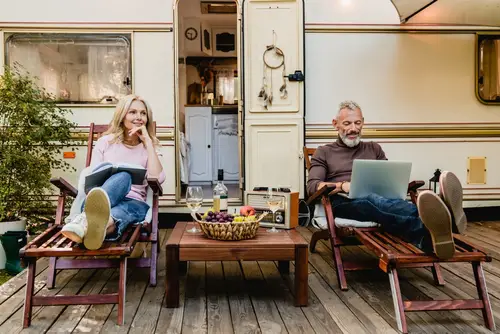
Personalized wooden signs once marked many RV sites like front porches on wheels. They added charm and made it easy for friends to find the right rig. Today, many campers skip them to avoid clutter and unwanted attention. Minimal setups are quicker to assemble and easier to break down.
Privacy concerns also play a role in this shift. Displaying names can feel too revealing in busy or unfamiliar parks. Modern RVers often prefer anonymity and low-profile campsites. The welcome mat mentality is quietly giving way to a simpler approach.
16. Hosting Loud Happy Hours Outside the Rig
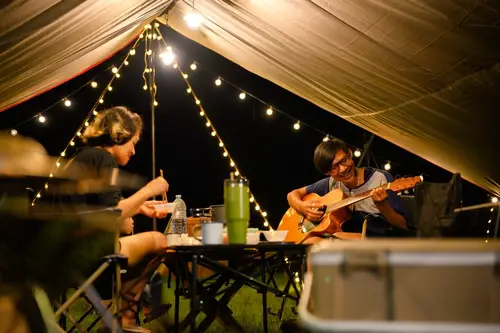
Afternoon happy hours used to spill into shared campground spaces with music and laughter. While social, they often blurred into noisy evenings that affected nearby campers. Modern campgrounds enforce stricter quiet-hour policies to keep things peaceful. Socializing still happens, just with more volume awareness.
Many RVers now keep gatherings smaller or move them indoors. Headphones, fire pit chats, and scheduled events help balance fun and respect. The culture has shifted toward coexistence rather than takeover. Loud spontaneity is being replaced by mindful community.
17. Carrying Printed RV Club Handbooks
Thick membership handbooks were once essential reading for serious RV travelers. They listed parks, benefits, and discount rules in detail. Now, apps and websites update that information instantly. Carrying heavy books feels unnecessary in a digital-first lifestyle.
RV clubs themselves encourage online access for accuracy. Benefits can change quickly, and printed guides age fast. Campers appreciate lighter storage and real-time updates. The bookshelf in the RV is shrinking along with these manuals.
18. Using Campground Pay Phones
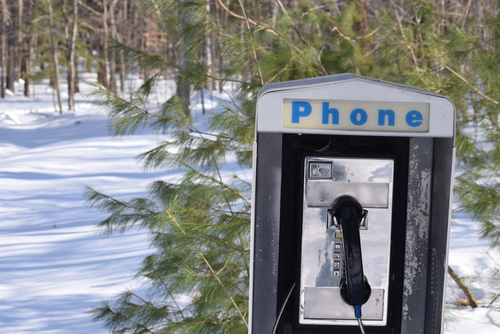
Campground pay phones were once a reassuring backup for travelers on the road. They offered a way to call home or handle emergencies. Today, they’re mostly gone or disconnected. Cell phones and Wi-Fi have made them redundant.
Even remote parks now prioritize cellular boosters over pay phones. Campers expect connectivity as a basic amenity. The idea of carrying coins for a call feels antiquated. Pay phones have faded into campground history.
19. Overpacking Full Matching Dish Sets

Matching dishware once made RV kitchens feel more like home. Plates, bowls, and mugs filled cabinets from end to end. Modern RVers favor lightweight, stackable, and multipurpose items instead. Space efficiency matters more than visual cohesion.
Breakage during travel also influenced this change. Silicone, metal, and melamine options are more practical. Campers want fewer items that do more jobs. The perfectly matched cupboard is being replaced by smart minimalism.
20. Setting Up Outdoor Carpets Wall to Wall

Large outdoor rugs used to define campsite living areas. They kept dirt out and made sites feel cozy. But many parks now restrict their size due to grass damage and pests. Smaller mats are preferred and often required.
Campers also want faster setup and teardown. Wrestling with oversized carpets doesn’t fit quick-stop travel styles. Simple door mats get the job done with less hassle. The sprawling campsite living room is shrinking.
21. Leaving Windows Covered with Reflective Foil
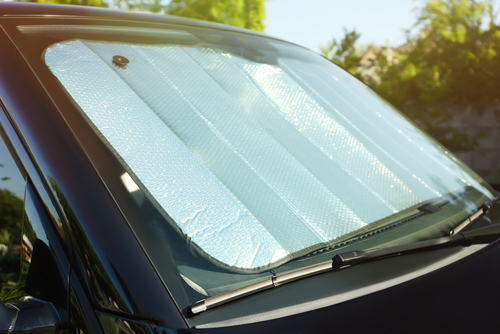
Reflective foil insulation once covered many RV windows in hot weather. It was effective but visually jarring to neighbors. Newer rigs use better insulation, tinted glass, and vent fans. Campgrounds increasingly discourage reflective coverings for aesthetic reasons.
Interior thermal shades offer a cleaner solution. They manage temperature without altering the exterior look. RVers want comfort without standing out. The foil-lined window era is slowly disappearing.
22. Keeping Printed Logbooks of Every Trip
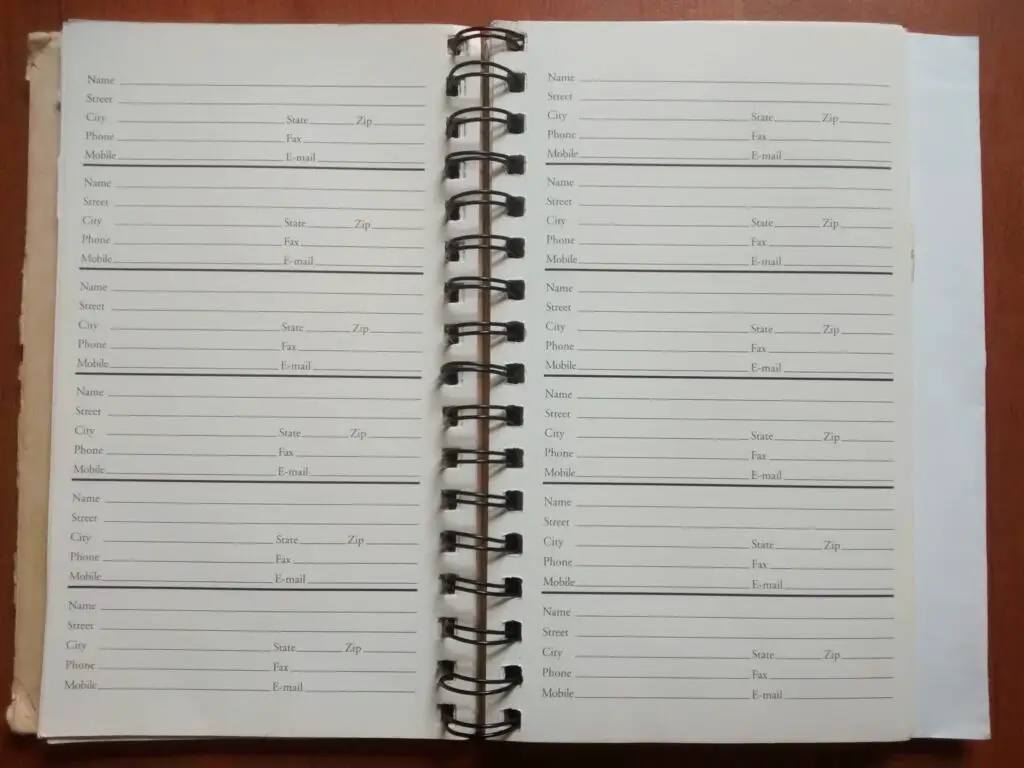
Handwritten travel logs once documented mileage, fuel stops, and campground stays. They were personal records and practical references. Today, apps automatically track routes and expenses. Digital logs are easier to search and share.
Some RVers still enjoy journaling, but fewer rely on paper. Cloud backups provide peace of mind if devices are lost. Technology has simplified record keeping dramatically. The spiral-bound logbook is becoming optional rather than essential.
23. Depending on Campground Cable TV
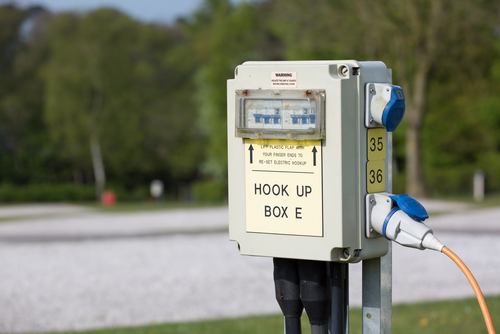
Cable hookups were once a major selling point for RV parks. Travelers relied on them for news and entertainment. Streaming services and mobile hotspots have changed viewing habits. Many RVers don’t even connect the cable anymore.
Parks are reallocating resources toward better Wi-Fi. On-demand content fits flexible schedules better than channel lineups. Campers watch what they want, when they want. Traditional campground cable is quietly fading out.
24. Carrying Separate GPS Units Just for RVs
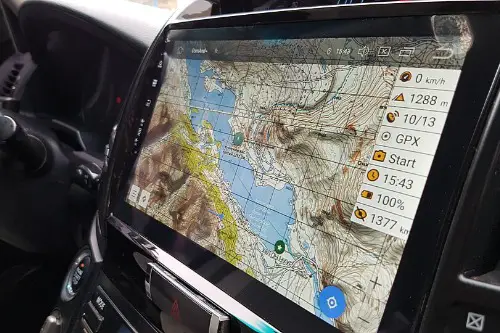
Dedicated GPS units were once crucial for avoiding low bridges and tight roads. They offered peace of mind for large rigs. Now, smartphone apps provide the same features with frequent updates. Carrying extra devices feels redundant.
Phones integrate navigation with weather, traffic, and reviews. Updates happen automatically without new hardware. RVers prefer fewer gadgets to manage. Standalone GPS units are losing their place on dashboards.
25. Decorating Interiors with Heavy Knick-knacks
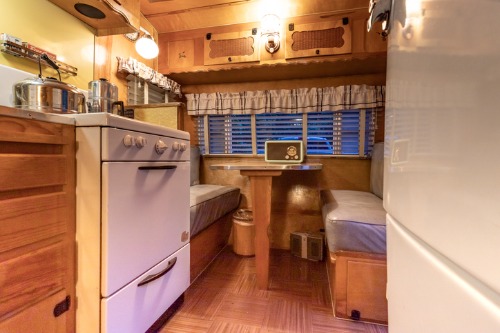
Shelves full of figurines once made RV interiors feel homey. Over time, they became a nuisance during travel. Items shifted, broke, or required constant securing. Modern interiors lean toward clean lines and fewer loose objects.
Lightweight decor and wall-mounted accents are more practical. Campers want less prep before hitting the road. The goal is stress-free mobility. Fragile collections are being left behind.
26. Following Strict Seasonal Travel Windows

Many RVers once followed rigid seasonal migration patterns. Summer meant north, winter meant south, without much variation. Remote work and flexible schedules have loosened those rules. Campers now travel based on preference, not tradition.
Crowd avoidance and weather apps support spontaneous decisions. Shoulder seasons are more popular than ever. RV life is less predictable and more personalized. Old migration routines are no longer mandatory.
27. Treating Campground Hosts as Authority Figures
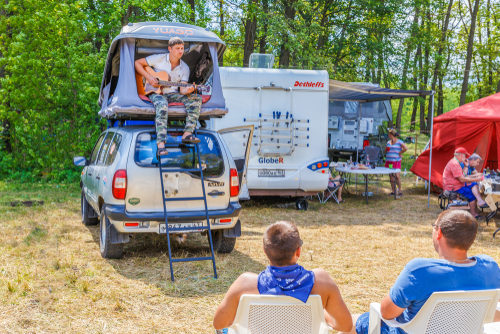
Campground hosts were once seen primarily as rule enforcers. They checked compliance and handled complaints. Today, hosts often act as guides, connectors, and problem solvers. The relationship feels more collaborative than hierarchical.
Modern campgrounds emphasize hospitality over policing. Hosts help with local tips, events, and tech issues. Campers respond better to friendliness than strict oversight. The dynamic has evolved along with RV culture itself.
This post 27 Outdated RV Customs That Are Fading Fast in Modern Campgrounds was first published on Greenhouse Black.
