
1. Collapsible Dish Drying Racks
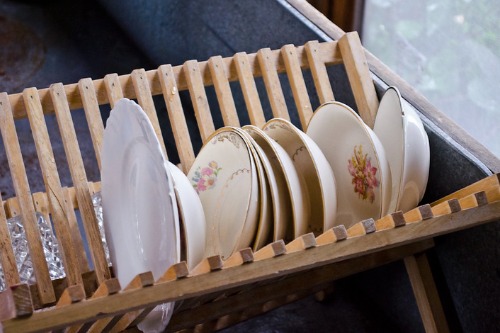
Many RVers swear these looked like a genius space-saver—until they actually used one. The silicone often warps after a few months of hot water and use, making it impossible to fold neatly again. The drying area is usually too small for more than a couple of plates, which means you end up stacking wet dishes anyway. Most veterans now prefer a compact microfiber mat that dries quickly and rolls up easily.
They also point out that collapsible racks tend to trap water in their folds, leading to mold or a lingering musty smell. Since RV kitchens don’t have great airflow, that can become a hygiene issue fast. When you’re on the road, the last thing you want is to spend time scrubbing out mildew. It’s one of those “looked great online” purchases that just doesn’t hold up in the wild.
2. Disposable Grill Mats

At first glance, disposable grill mats sound perfect—grill without the cleanup! But RVers found that they don’t distribute heat evenly, and food ends up sticking to the mat anyway. The cheap ones tend to melt or curl at the edges if the grill gets too hot, which can even release unhealthy fumes. That’s not ideal when you’re trying to enjoy a simple outdoor meal.
Instead, most long-term travelers recommend reusable nonstick mats or cast-iron grates. Those options can handle higher heat and last much longer, saving money in the long run. Disposable mats also create unnecessary waste—something many RV owners try to minimize. Once you’ve gone through a few boxes of them, you realize the hassle outweighs the convenience.
3. Over-the-Sink Cutting Boards

This clever-sounding gadget promises extra counter space, but the reality often disappoints. The boards tend to slide around when you chop, making them unsafe to use with sharp knives. Many RV sinks aren’t perfectly level or standard-sized, so the boards rarely fit properly. It ends up being more of a balancing act than a practical prep area.
Veteran RVers often replace these with small, sturdy bamboo boards that fit snugly on a counter or table. They’re lighter, easier to clean, and don’t risk damaging your sink edges. Since RV kitchens are tight, reliability trumps clever design every time. You quickly learn that “multi-functional” doesn’t always mean “user-friendly.”
4. Cheap Folding Chairs

Budget folding chairs might seem fine for weekend trips, but they wear out quickly under real use. The fabric often tears, and the frames bend after a few campfire nights. Worse, they rarely provide back support, making long evenings outside uncomfortable. Many RVers say they’ve gone through multiple cheap sets before realizing it’s worth paying for quality.
Durable models with steel frames and breathable mesh are far better for everyday travel. They last for years and take up roughly the same storage space. Plus, comfort matters when you spend much of your time outdoors. Once you’ve sat in a well-made camp chair, there’s no going back.
5. Plug-In Air Fresheners
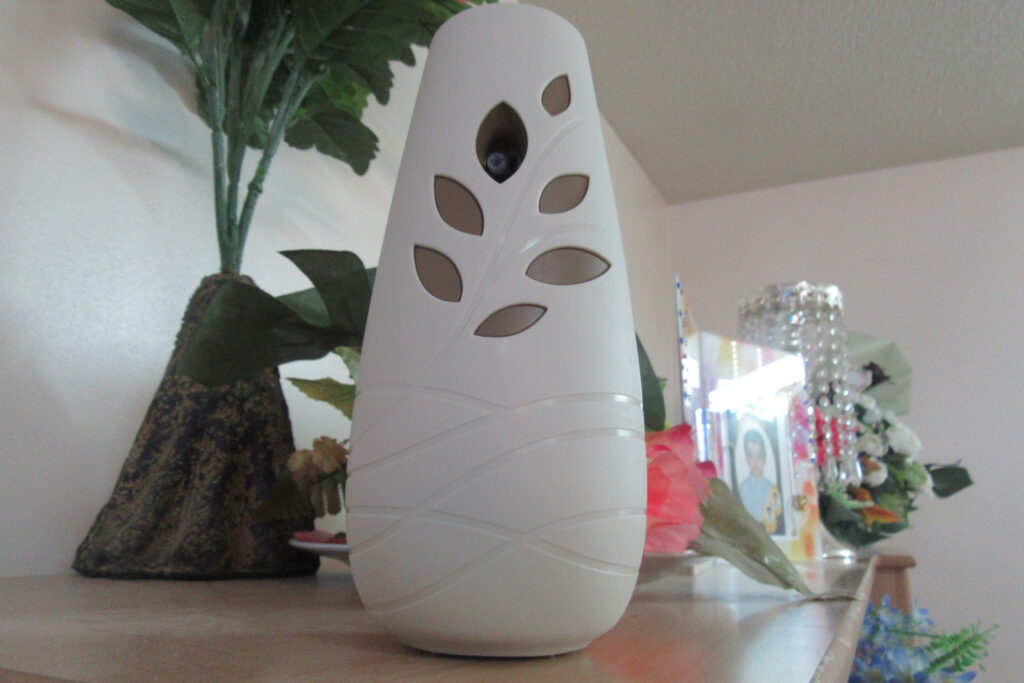
They sound convenient, but plug-in air fresheners aren’t RV-friendly. Most require constant power, which can drain energy when boondocking. The heat they generate can even distort nearby plastic or discolor walls in small, enclosed spaces. And because RVs are so compact, the scent can quickly become overpowering.
Veteran travelers now prefer natural options like baking soda, charcoal bags, or essential oil diffusers. These don’t rely on electricity and don’t produce heat. They’re also safer around pets and don’t contribute to chemical buildup in the air. When you’re living in a few hundred square feet, subtle freshness wins every time.
6. RV-Specific Vacuums
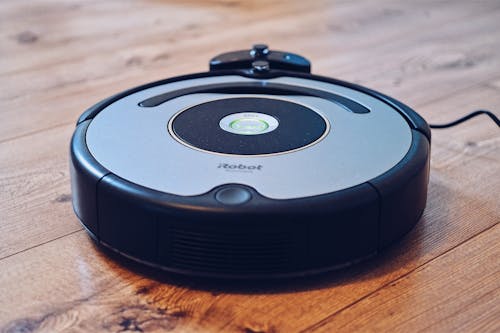
Many RVers bought these thinking they were perfectly designed for small spaces—but found the opposite. They’re often underpowered, with tiny dust containers that fill after one quick cleanup. Replacement filters can be hard to find and pricey. For most, it’s just not worth the cost compared to a small, high-quality handheld vacuum.
Battery-powered stick vacuums from reputable brands perform far better and charge quickly from the RV’s outlet. They can handle everything from pet hair to sand without fuss. You also get the flexibility to use them in your car or at home. RVers agree—“RV-specific” often just means “overpriced for what it does.”
7. Solar Shower Bags
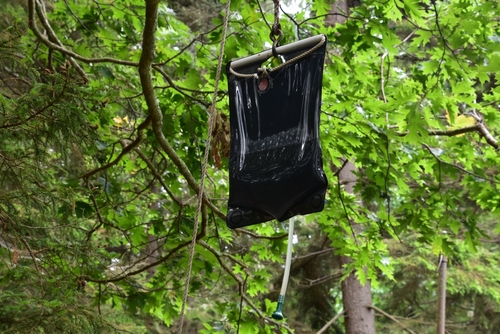
Solar shower bags promise off-grid showers, but in practice, they’re a hassle. They take forever to heat up and cool off just as quickly once hung outside. If you’re in a shaded or windy spot, forget about warm water altogether. They also tend to leak or burst after repeated use.
Experienced travelers now lean toward portable propane or electric shower systems. These provide consistent water temperature and pressure, which feels much closer to a real shower. They’re a bit bulkier but much more dependable. Once you’ve used a proper portable system, those floppy bags seem laughable.
8. Slide-Out Lubricant Sprays

Many first-time RV owners buy these thinking they’ll prevent mechanical issues. In reality, not all slide mechanisms need that kind of maintenance, and using the wrong spray can attract dust or gum up the tracks. Some lubricants even void warranties if they’re not manufacturer-approved. It’s one of those products that sounds smart but causes more harm than good.
Seasoned RVers instead rely on simple, brand-recommended maintenance routines. They use specific dry silicone sprays when needed—or nothing at all. The key is knowing your slide-out’s actual requirements. A “just in case” spray isn’t worth the mess or potential damage.
9. Mini Washing Machines

The idea of doing laundry on the road is appealing—but these mini units disappoint. They use a surprising amount of water and don’t spin clothes dry very effectively. Many travelers find themselves wringing out heavy, damp clothes by hand anyway. Plus, the bulk and weight make them impractical in smaller RVs.
Laundry mats or campground machines end up being faster and more efficient. Some full-timers even use a portable manual washer or just wash essentials by hand. The mini electric machines often become glorified storage bins after the first few tries. It’s a common example of overengineering a simple problem.
10. Stick-On Hooks and Organizers
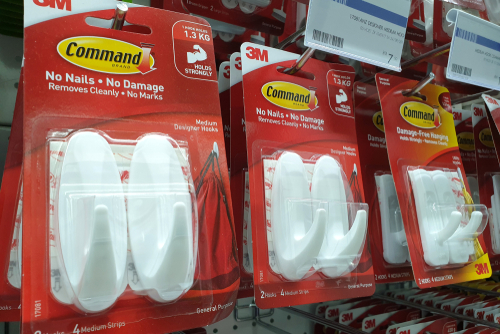
Stick-on storage seems like a brilliant fix for small spaces—until they start falling off. Humidity, heat, and vibration from travel cause adhesive hooks to peel off walls. When they fall, they can damage surfaces or spill whatever they were holding. It’s a frustrating cycle of reapplying and replacing.
Veteran RVers now favor screw-in hooks, tension rods, or magnetic organizers. These stay put through bumpy roads and changing climates. Installation takes more effort, but the reliability pays off. In a moving home, sturdiness always beats convenience.
11. Compact Ice Makers
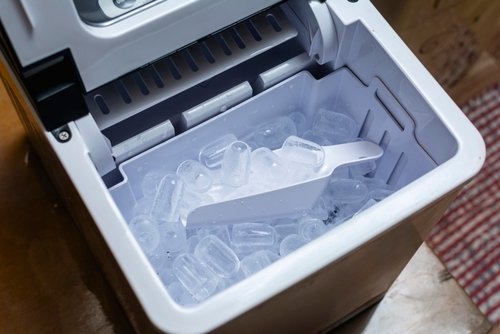
It feels luxurious to have ice on demand in an RV, but these little machines are a notorious waste of power and space. They draw a lot of electricity, which can strain smaller batteries or generators. The ice also melts quickly in the bin because most units aren’t refrigerated. So you end up constantly draining water and restarting the cycle.
Many RV veterans just use small freezer trays or buy ice when needed. It’s cheaper, simpler, and doesn’t hog counter space. Unless you’re camping with shore power full-time, a compact ice maker is more trouble than it’s worth. A cooler and a few bags of ice do the same job with zero fuss.
12. Overly Complicated Leveling Systems

Electronic leveling gadgets look high-tech, but they often overpromise and underdeliver. They can fail in extreme temperatures, and replacement parts aren’t cheap. When the system goes down, you might not be able to level manually without special tools. That’s a headache no one wants when you’re parked in the middle of nowhere.
Most experienced RVers go back to using simple bubble levels and leveling blocks. They’re cheap, reliable, and easy to fix if something goes wrong. With practice, you can level your rig in minutes without electronics. Sometimes, old-school methods really are the best.
13. Cheap Surge Protectors
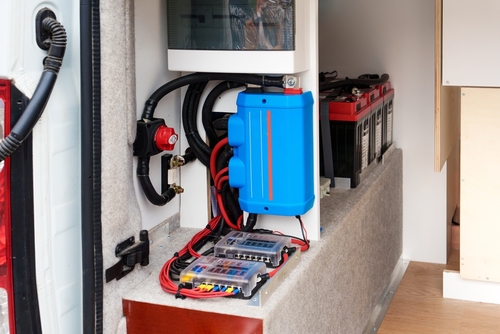
Many first-time RVers grab the cheapest surge protector they can find, assuming they’re all the same. But low-end models often don’t provide full protection from voltage drops or spikes. That can leave your RV’s appliances vulnerable to serious damage. After one blown circuit board, most travelers learn the hard way.
Veterans now recommend investing in a quality EMS (Electrical Management System). These units continuously monitor for unsafe power and cut off supply when needed. They cost more up front but can save thousands in repairs. When it comes to RV power, “cheap” almost always means “risky.”
14. Decorative Outdoor Rugs

They make campsites look cozy, but those big rugs tend to trap dirt and moisture underneath. After a few days, you’ll find dead grass, mildew, or even ants nesting beneath. They also take forever to dry once wet, and rolling them up can be a muddy mess. The aesthetic appeal just isn’t worth the cleanup.
Long-time RVers now opt for breathable mesh mats or small door rugs instead. These dry faster and let air and water pass through, preventing damage to the campsite ground. They’re lighter and easier to shake out, too. When you’re moving frequently, practicality beats Pinterest every time.
This post 14 Travel Accessories That RV Veterans Swear They’ll Never Buy Again was first published on Greenhouse Black.
