
1. Grandfather Clocks
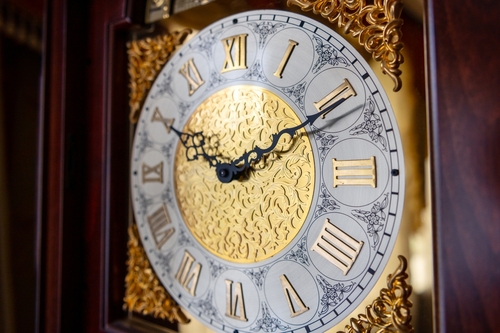
Once a prized heirloom that stood tall in living rooms, grandfather clocks are ticking down in value. Younger generations aren’t as interested in maintaining these large, mechanical pieces, and most homes simply don’t have the space for them. Modern design trends favor minimalism, making these ornate timepieces feel out of place. Unless they’re rare models or from famous makers, their resale value has dropped significantly over the past decade.
On top of that, restoring or repairing one can cost more than it’s worth. Clock repair specialists are harder to find, and parts can be expensive or impossible to source. Even well-maintained examples struggle to find buyers unless they have unique craftsmanship or provenance. For many families, these stately clocks have sentimental value but little market appeal.
2. Silver-Plated Flatware
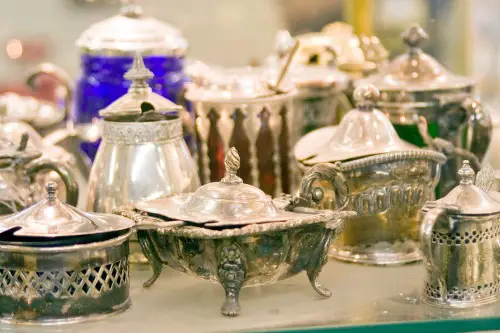
That heavy box of silver-plated utensils your grandparents saved for “special occasions” is likely gathering tarnish and losing value fast. Unlike sterling silver, silver-plated flatware has only a thin coating of silver, making it far less valuable to collectors and resellers. Buyers today prefer low-maintenance stainless steel or minimalist flatware designs. The market for ornate dining sets has largely evaporated with the decline of formal dinner parties.
To make matters worse, polishing and maintaining silver-plated pieces can be tedious. Even if you find a buyer, you’ll often get less than the sentimental value attached. Dealers usually melt these sets for scrap, and the return is minimal. Unless it’s a rare antique or luxury brand, it’s probably better enjoyed at family gatherings than sold.
3. Fine China Sets
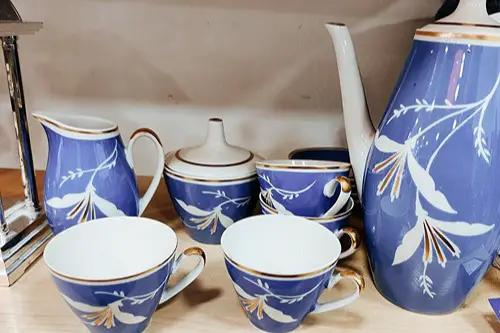
A full set of fine china was once the mark of a well-prepared home, but now it’s one of the hardest antiques to sell. Brands like Noritake, Lenox, and Royal Doulton have seen a steep decline in resale prices. The younger generations aren’t entertaining with formal place settings, and they prefer lightweight, dishwasher-safe dinnerware. As a result, the market is flooded with unloved china sets gathering dust in cabinets.
Even beautiful hand-painted patterns have fallen out of fashion. The cost of shipping delicate china also discourages buyers from purchasing online. Estate sellers often struggle to move these sets unless they’re from particularly rare collections. The sentimental connection often outweighs any financial value they hold.
4. Vintage Sewing Machines
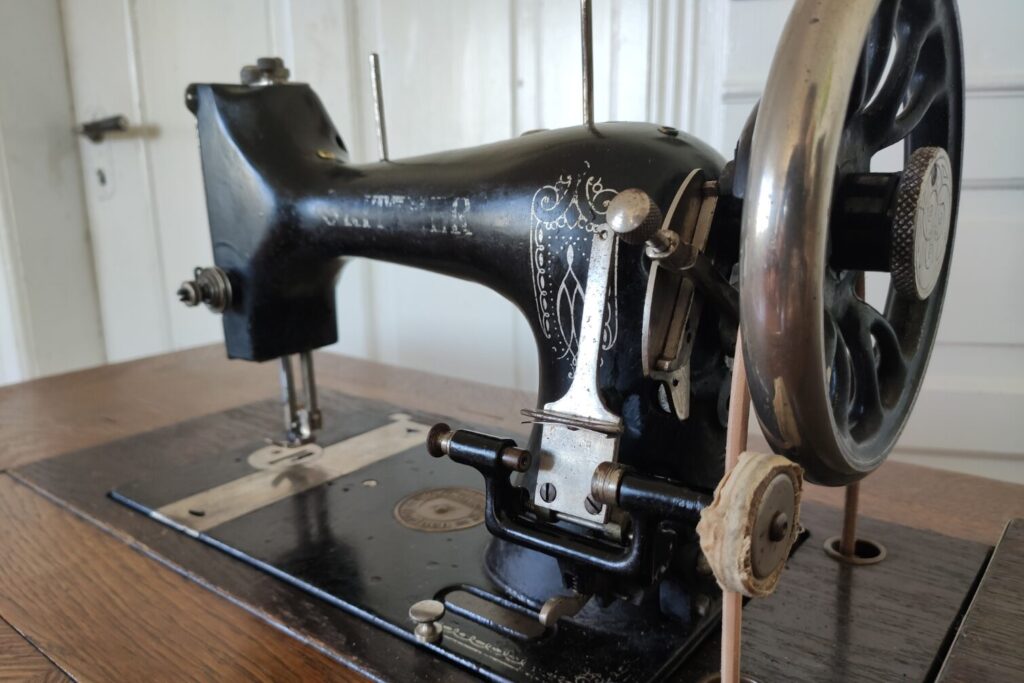
Those heavy black Singer or Pfaff sewing machines your grandmother used may look timeless, but they’re not bringing in the dollars they once did. The supply of vintage sewing machines is massive because they were built to last and produced in huge numbers. Only very early or unusual models with decorative cast-iron bases hold notable collector interest. Most others are sold for a fraction of their former worth.
Today’s hobby sewers tend to prefer modern, computerized machines that offer convenience and precision. While vintage ones can still be functional, they’re seen as impractical for everyday use. Restoring or servicing them can be costly, and few buyers want to take on that effort. Unless it’s a museum-quality piece, it’s likely worth more as décor than as an antique.
5. Crystal Figurines
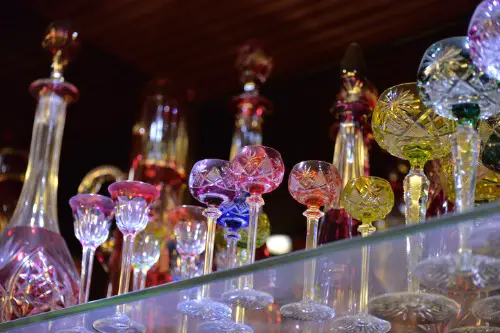
Sparkling crystal animals and sculptures from brands like Swarovski once filled curio cabinets across the country. Unfortunately, those cabinets are now closing, and so is the market. Collectors who loved them are aging, while younger buyers view them as clutter rather than treasures. Prices have plummeted as supply exceeds demand on resale sites.
While they may still be beautiful, most figurines don’t hold investment-grade value. Only rare or discontinued designs in perfect condition might fetch a decent sum. Even then, the resale price often doesn’t cover the original purchase cost. Unless you’re emotionally attached, these delicate items are better admired than appraised.
6. Dark Mahogany Furniture
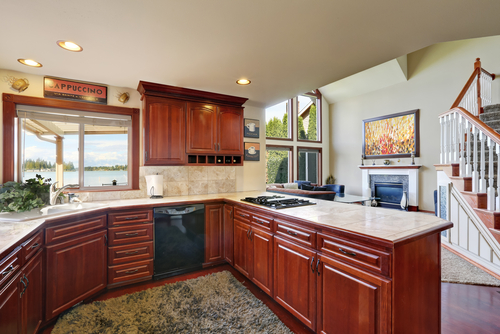
Heavy mahogany dining sets and armoires once symbolized elegance, but design trends have moved toward lighter woods and modern simplicity. The market for these dark, traditional pieces has shrunk dramatically. Younger buyers in apartments and smaller homes don’t have space for large formal furniture. Dealers often struggle to sell these items even at steep discounts.
To make matters worse, moving or refinishing them is expensive, and the resale market has been saturated for years. Auction houses routinely pass over once-coveted pieces because there’s just no demand. Unless it’s an exceptional 18th-century example, the monetary value will keep dropping. It’s a harsh truth for anyone holding onto these family heirlooms.
7. Hummel Figurines
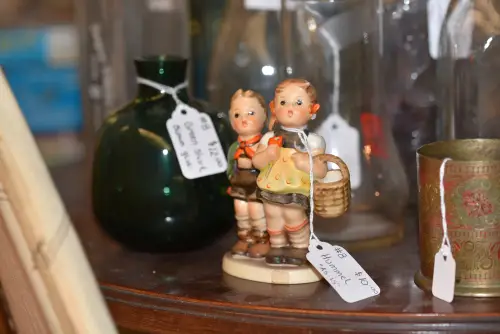
Hummel figurines—those sweet, rosy-cheeked porcelain children—had their heyday in the mid-20th century. Once collected with passion, they’re now struggling to find new homes. The collector base has aged out, and the younger crowd simply doesn’t connect with their aesthetic. As a result, prices for most Hummels have nosedived.
Even limited editions and “rare” pieces are fetching pennies compared to their original retail value. The market is oversaturated, and online resale platforms are flooded with listings. Unless you own one of the earliest M.I. Hummel creations in pristine condition, they’re unlikely to appreciate. Most sellers find sentimental rather than financial reasons to keep them.
8. Persian Rugs
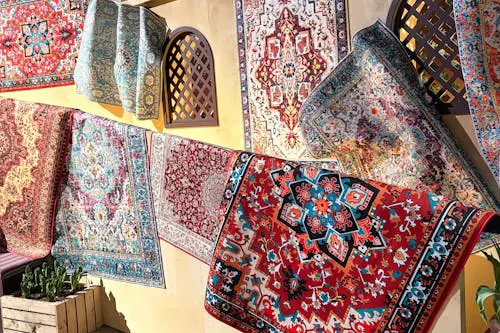
Hand-knotted Persian rugs were once symbols of sophistication, but their resale value has slipped. Modern interiors now lean toward minimalist or abstract designs, leaving intricate oriental patterns out of fashion. While craftsmanship remains remarkable, the demand has dropped significantly. Even authentic wool or silk rugs struggle to sell for what they’re worth.
Large rugs are especially hard to move due to their size and cleaning needs. Many potential buyers opt for affordable machine-made alternatives that are easier to replace. Unless the rug is antique, in excellent condition, and from a famous weaving region, the market is weak. For most owners, they’ve become more of a decorative heirloom than a financial asset.
9. Collector Plates
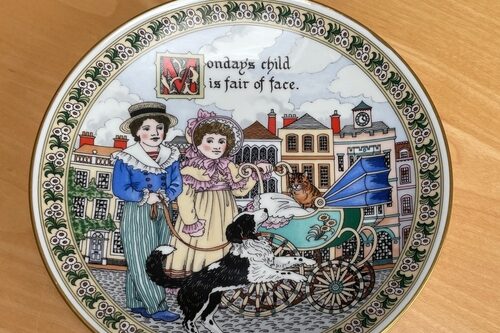
Those decorative plates featuring wildlife scenes or holiday motifs used to line walls proudly in many homes. Sadly, they’ve lost nearly all collectible appeal. The once-booming market from the 1970s and 1980s has completely dried up. Even limited editions from companies like Bradford Exchange rarely fetch more than a few dollars now.
Younger generations don’t display collectibles like plates anymore, and storage space is at a premium. These mass-produced items were made in large quantities, which killed their scarcity. While they might carry nostalgic charm, they’re not a good investment piece. Most collectors today are nostalgic hobbyists rather than serious buyers.
10. Upright Pianos
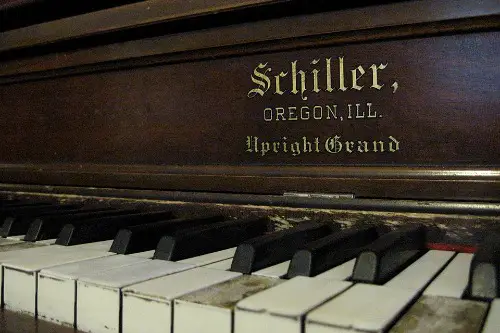
A family piano once represented culture and accomplishment, but now it’s more likely to represent a moving-day headache. Upright pianos, in particular, have lost resale value as fewer people play or want them in small homes. Digital keyboards are cheaper, more portable, and require no tuning. Many used pianos end up being given away or sold for a fraction of their original cost.
Even high-quality uprights can sit unsold because the cost of moving one outweighs its value. Professional restoration or tuning can also be expensive, making resale impractical. Only rare brands like Steinway or Bösendorfer might retain notable worth. For most families, the piano’s true value lies in the memories it holds.
11. Oil Lamps and Lanterns
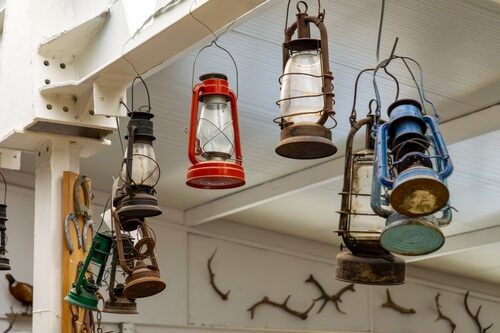
Oil lamps were once essential, then collectible, and now mostly ornamental. The market has softened as reproductions flooded stores and decor trends shifted. Unless the lamp is a rare 19th-century example or has a distinctive maker’s mark, it’s unlikely to fetch much. Most buyers simply use them for rustic décor, not as serious antiques.
Restoration and maintenance costs can also outweigh their sale value. Collectors are aging out of the market, and younger buyers rarely see them as functional or fashionable. While they still make charming accent pieces, they’re not the investments they once were. Selling them today might bring only a modest return.
12. Depression Glass
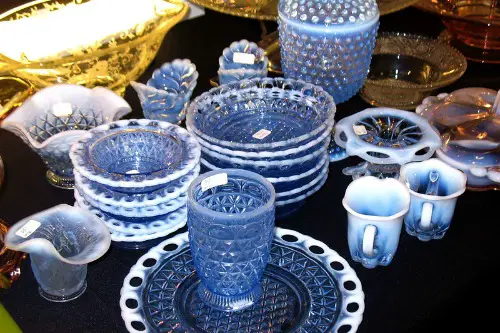
The colorful glassware produced during the Great Depression was once a collector’s delight. Patterns like “Princess” or “Cameo” used to sell briskly, but interest has waned sharply. The sheer quantity produced means few pieces are truly rare. Plus, changing tastes have shifted toward simpler, modern glass designs.
Cracks, chips, or even minor wear can also destroy their resale potential. Many pieces that once sold for $30–50 now barely move at estate sales. Only rare colors or complete, flawless sets hold any real value. For most families, these nostalgic treasures are better kept than cashed in.
13. Milk Glass
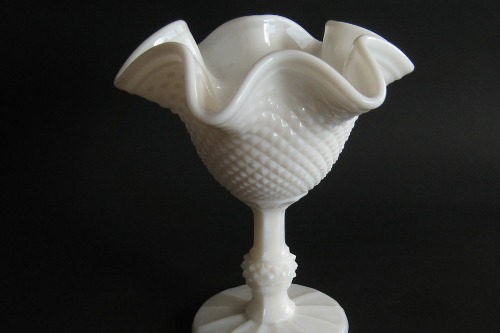
Milk glass vases and dishes once graced mantels and dining tables across America. However, they’ve fallen out of favor as décor styles have evolved. The market became oversaturated when collectors began selling off their inventories. As a result, prices have steadily dropped.
While there are still some niche collectors, demand has shrunk to a fraction of what it was. Common pieces from the mid-20th century are especially hard to move. Only very early or rare patterns can still fetch a reasonable price. For most people, they’re now charming curios rather than cash assets.
14. Cedar Chests
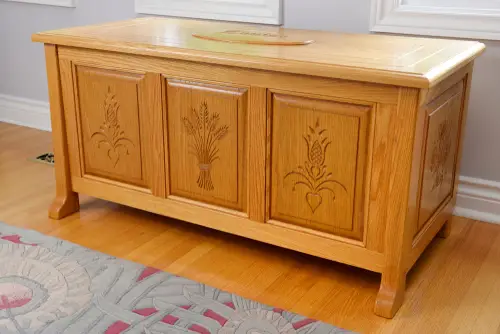
Cedar chests once symbolized hope and preparation—often called “hope chests” for young women preparing for marriage. But in today’s world of fast furniture and walk-in closets, they’ve lost practicality and value. Modern homes rarely have space for large storage furniture that doesn’t match current trends. The result: antique cedar chests now sell for a fraction of their past worth.
Even well-preserved examples with brand names like Lane struggle to command high prices. Many buyers treat them as DIY projects for repainting or repurposing, which lowers collector demand. Unless yours is an early handmade or intricately carved model, it’s unlikely to appreciate. These days, they hold more nostalgia than profit potential.
This post 14 Family Antiques That Are Losing Value Every Month You Hold Them was first published on Greenhouse Black.
