
1. Fake Food Displays

Plastic fruit, bread baskets, and fake champagne setups used to scream “luxury.” Now, they just look dated and inauthentic. Today’s buyers are quick to spot props, and those details can break the illusion of a lived-in home. Instead of imagining themselves there, people start thinking about what’s fake.
Opt for fresh flowers or a bowl of real fruit if you want a touch of life in the kitchen. They photograph better and add a natural, welcoming feel. When buyers sense authenticity, they’re more emotionally drawn to the home. You want warmth, not an old model home vibe.
2. Over-Neutralizing Everything
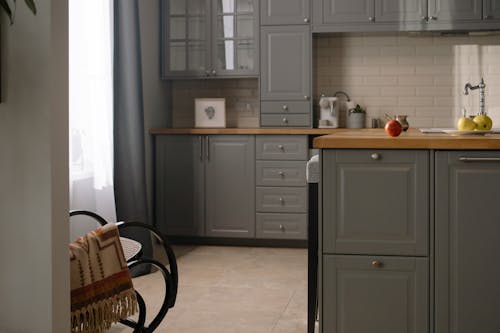
Many stagers swear by beige walls and gray furniture, thinking “neutral sells.” But too much sameness can make a home feel sterile and forgettable. Buyers often need some warmth or personality to help them imagine living there. Without it, the space can feel more like a hotel lobby than a home.
A better approach is to balance neutrality with texture and contrast—like adding wood accents, colorful art, or a few plants. These touches keep the space inviting without turning off buyers. A little life goes a long way in helping a home feel move-in ready. In the end, personality sells more than plain walls ever will.
3. Hiding Every Personal Touch
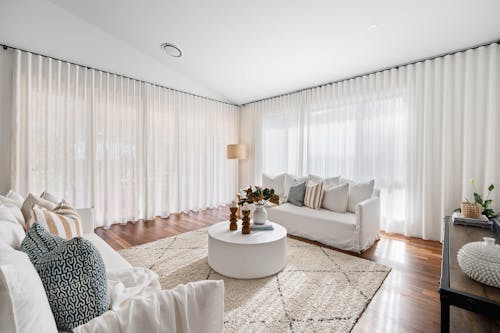
You’ve probably heard that you should remove family photos, unique art, and anything “too personal.” While decluttering is essential, stripping all personality can make a home feel lifeless. Buyers need subtle cues that real people live happily in the space. Total anonymity just feels cold.
Keep the family gallery wall down, but leave a few well-chosen pieces that show taste and warmth. For example, a single framed photo or cozy throw can humanize the room. It’s about balance—buyers want to picture their life there, not wonder if anyone ever lived there at all.
4. Overloading on Scents
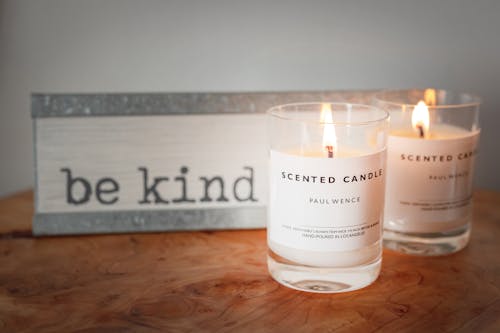
Lighting candles or using air fresheners can create a welcoming atmosphere—if done sparingly. But too much fragrance can trigger allergies or make buyers suspicious that you’re masking odors. Real estate pros often underestimate how personal scent preferences can be. What smells “fresh” to one person might feel overwhelming to another.
Stick to light, natural aromas like citrus or fresh linen, and use them sparingly. Better yet, open windows to let in real fresh air before showings. Clean air feels more trustworthy than perfume. A subtle scent should complement the space, not dominate it.
5. Over-Staging Small Spaces
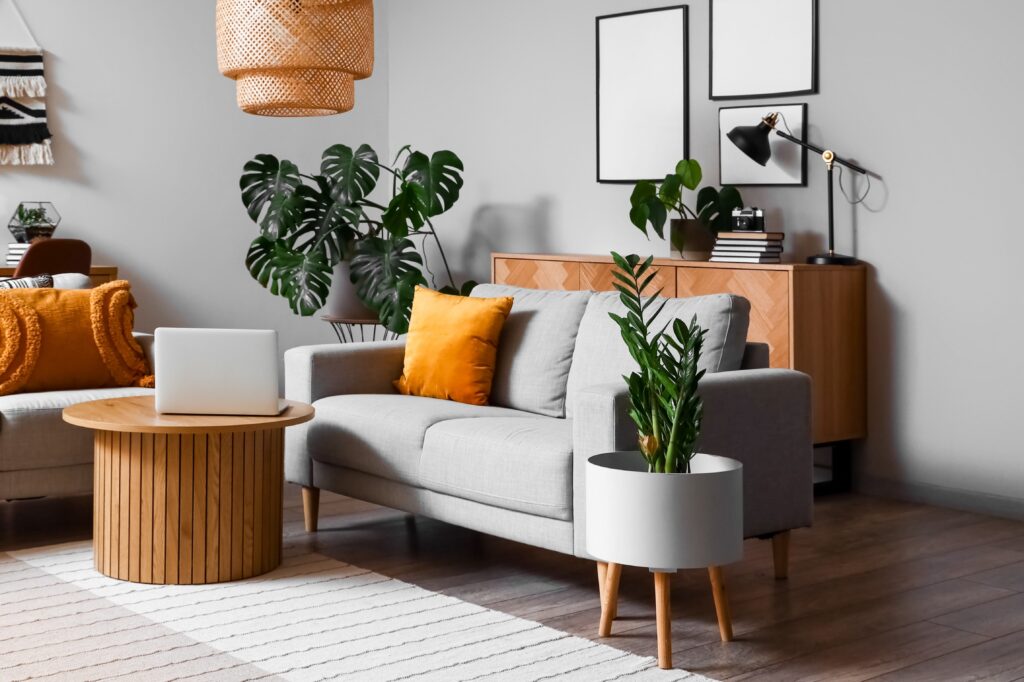
Trying to make a small space look “complete” by adding full-sized furniture often backfires. It can make the room feel cramped and smaller than it really is. Stagers sometimes forget that less furniture can actually make a space look bigger. Buyers need to see openness and flow, not proof that a loveseat technically fits.
Use scaled-down pieces and focus on traffic flow instead. A single armchair and side table can show how a small living area functions without overwhelming it. In small bedrooms, skip the giant headboard. Simplicity makes tight spaces breathe.
6. Leaving All the Lights On
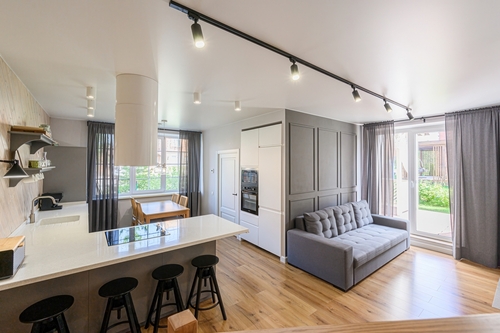
It’s a classic staging move: turn on every light to make the home feel bright. But harsh lighting can flatten textures and emphasize flaws instead of softening them. Not all bulbs are created equal, and mismatched color temperatures can make rooms feel disjointed. A warm home shouldn’t glow like an operating room.
Instead, layer your lighting—use lamps and ambient sources to create depth and warmth. Natural light should always take priority, so open blinds before flipping switches. The goal is a cozy, inviting atmosphere, not a showroom glare. Lighting should feel lived-in, not staged.
7. Overdoing Minimalism
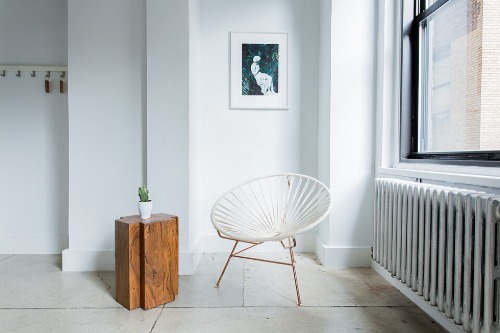
Minimalism photographs beautifully but can feel cold in person. A bare countertop or sparse living room might look clean online, yet in reality, it can come across as incomplete. Buyers start wondering if the space lacks storage or livability. “Too perfect” can make a house feel impersonal and hard to connect with.
Add just enough real-life texture—a coffee table book, a folded blanket, or a tray with mugs. These touches make the scene relatable without looking cluttered. You’re not decorating for a catalog; you’re selling a lifestyle. Minimalism works best when it still feels human.
8. Using Tiny Rugs in Big Rooms
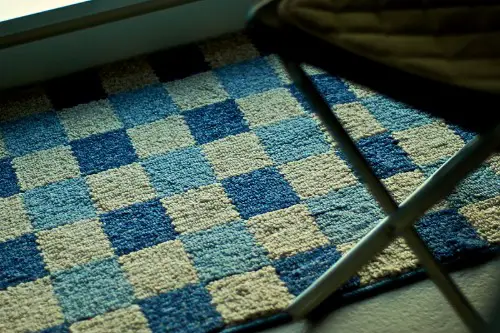
Small rugs are often used to “define” areas, but they can make a room feel awkwardly proportioned. A rug that’s too small visually shrinks the space. Buyers might sense something’s off, even if they can’t pinpoint why. It’s one of those subconscious design cues that breaks harmony.
Always size rugs generously—at least large enough that the front legs of furniture rest on them. It helps rooms feel cohesive and well-scaled. A properly sized rug grounds the furniture, creating flow. When proportions feel right, so does the entire space.
9. Adding Too Many Mirrors
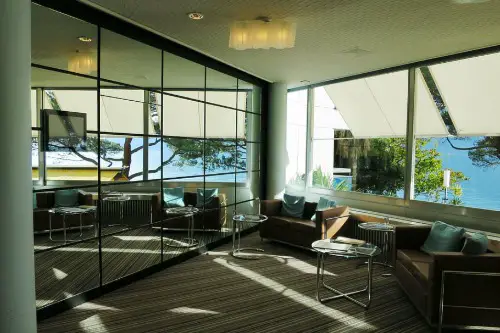
Mirrors can make spaces look larger and brighter, but too many can feel disorienting. Buyers start noticing reflections instead of the home itself. Overuse can also cheapen the look, especially if mirrors are mismatched or poorly placed. Instead of sophistication, you get confusion.
Limit mirrors to strategic spots—like across from a window to bounce natural light. A single statement mirror is usually enough. The goal is to enhance space, not multiply it endlessly. Subtlety keeps mirrors feeling intentional, not gimmicky.
10. Over-Accessorizing Shelves
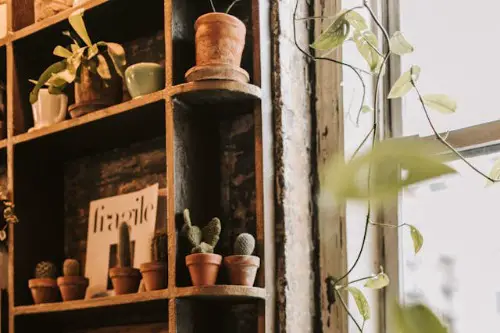
Styled shelves look great on Pinterest, but in person, they can distract from a home’s real assets. Too many vases, books, and knickknacks read as clutter, not charm. Buyers end up focusing on your décor choices instead of the space itself. That’s the opposite of what good staging should do.
Instead, follow the “two-thirds empty” rule—leave breathing room between groupings. Use symmetry and a few cohesive colors to guide the eye. Let buyers imagine their own items there. Simplicity helps the architecture shine.
11. Setting the Table Like It’s Thanksgiving
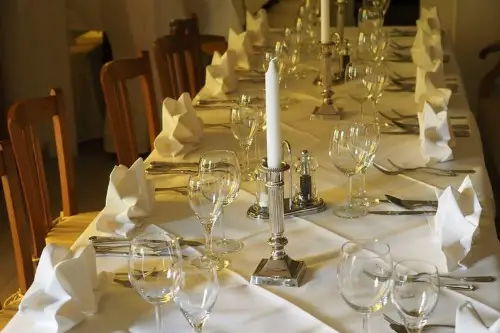
Elaborate place settings and wine glasses at every seat can make a dining area feel staged in the worst way. Buyers rarely picture real meals happening in such formal setups. It feels forced, like a showroom, not a home. Plus, overly dressed tables can make rooms look smaller and busier.
Keep dining tables simple—a runner, a vase, maybe one or two place settings at most. The idea is to suggest usability, not perfection. A little imperfection makes it relatable. Remember: cozy sells better than contrived.
12. Ignoring Outdoor Staging

Many sellers focus only on interiors, thinking outdoor spaces don’t influence buyers much. But neglected patios, over-styled decks, or fake plants outside can be deal-breakers. Buyers form opinions the second they step onto the property, and curb appeal sets the tone. A mismatched or neglected exterior can make them question maintenance inside.
Keep outdoor staging clean and natural—fresh cushions, real greenery, and a swept patio do more than expensive décor. Less is usually more here, too. The goal is to highlight potential, not perfection. When the exterior feels welcoming, the whole property does.
This post 12 Staging Tricks Real Estate Pros Swear by (That Actually Backfire) was first published on Greenhouse Black.
