
1. Large Whirlpool Tubs

A huge soaking tub used to scream luxury, but now it mostly screams “high maintenance.” Homeowners rarely use them, citing how long they take to fill and how much water they waste. Many modern buyers prefer large, walk-in showers with rainfall heads and seating. Tubs, especially the oversized kind, can even take up valuable bathroom real estate.
Energy efficiency also plays a role here. Big tubs require more hot water and sometimes special plumbing, which can raise utility bills. Maintenance—like cleaning jets and preventing mold—adds more hassle than appeal. Today’s buyers see them as outdated symbols of excess rather than comfort.
2. Open Floor Plans
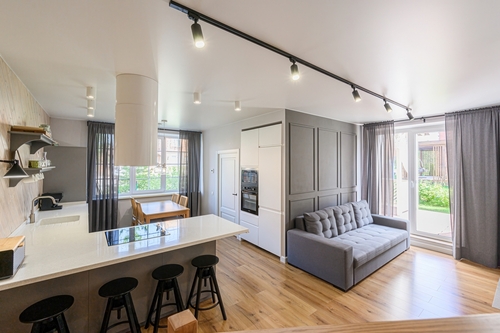
Remember when everyone wanted walls gone and kitchens that flowed right into the living room? Open floor plans were once the hallmark of modern living, but post-pandemic, people crave privacy and noise control. With more folks working from home, open layouts now feel chaotic rather than connected. Buyers increasingly prefer defined spaces that can double as offices or quiet retreats.
That shift means those expansive great rooms might actually be a liability. Families want doors they can close during Zoom calls or while kids play in the next room. The once-trendy “open concept” can now make a home feel impractical for multitasking. It’s not that open layouts are obsolete—it’s that they no longer fit how we live.
3. Wall-to-Wall Carpeting
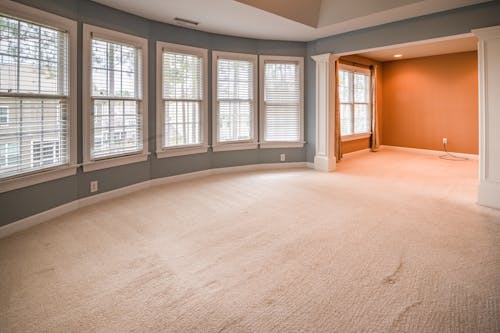
Once a cozy sign of domestic warmth, wall-to-wall carpeting has fallen out of favor for hygiene reasons. Allergens, pet dander, and even lingering odors make it less appealing, especially for families with allergies. Most buyers now lean toward hardwood, laminate, or luxury vinyl flooring for easy cleaning and modern aesthetics. Carpet is increasingly viewed as a “replace immediately” item in listings.
It’s not that no one likes softness underfoot—it’s just that area rugs now do the same job without commitment. Hard floors also photograph better in listings, which matters in today’s online-first home shopping environment. And since durability is a big factor, wood-look floors have become the go-to upgrade. Carpet, sadly, is more likely to kill interest than create it.
4. Granite Countertops
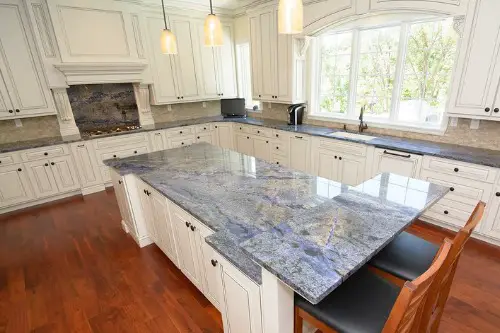
There was a time when granite was the holy grail of kitchen upgrades. Now, it’s seen as dated compared to quartz or other engineered stones that offer similar luxury with less upkeep. Granite needs regular sealing, and some patterns feel busy compared to today’s minimalist design trends. It’s not a deal-breaker—but it’s not the bragging point it once was.
Homebuyers today prioritize consistency and durability. Quartz, for instance, can mimic marble or granite but resists stains and scratches better. Plus, with new colors and finishes, it’s easier to match with modern cabinetry and flooring. Granite now reads as “last-decade remodel” instead of “dream kitchen.”
5. Tuscan-Style Kitchens
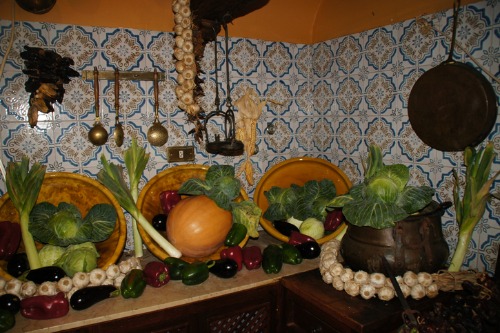
In the early 2000s, dark wood cabinets, ornate backsplashes, and heavy granite were the look of success. Now, that aesthetic feels heavy, dark, and outdated. Buyers lean toward lighter, more natural tones that make spaces feel open and bright. The shift toward Scandinavian and minimalist design has made Tuscan kitchens feel like relics of a more cluttered era.
While some classic features still have charm, the ornate detailing and warm tones often clash with today’s sleeker finishes. It can also be expensive to modernize such a specific style. Many buyers see “Tuscan” in a listing and mentally add a renovation budget. That makes it a trend that once added value—but now drags it down.
6. Formal Dining Rooms
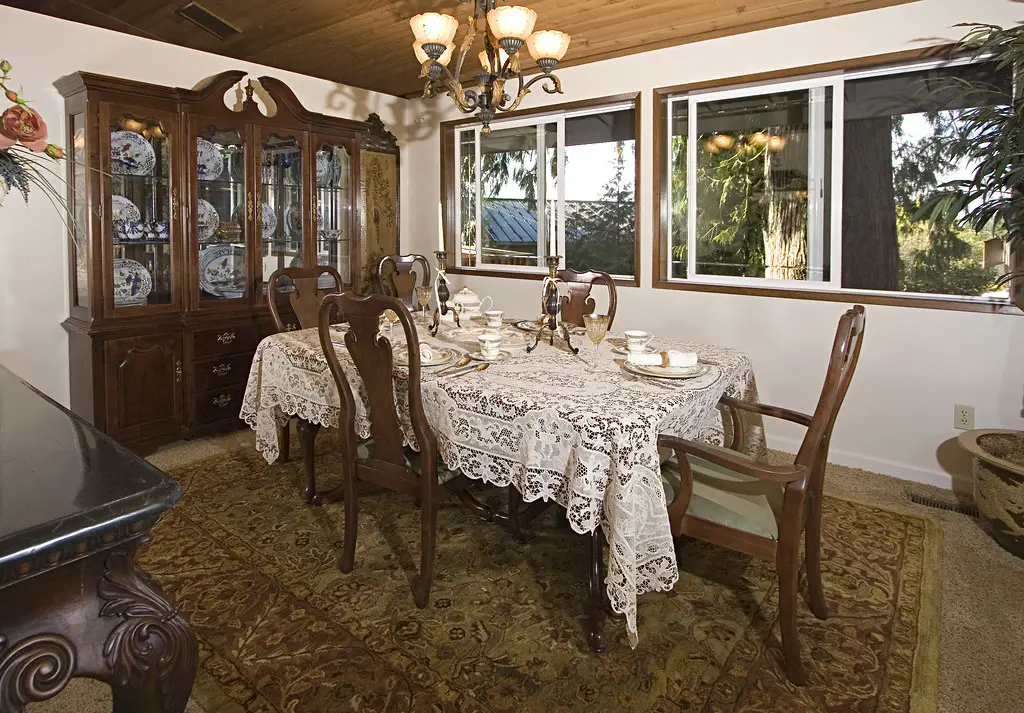
The once-essential dining room is now frequently repurposed or removed entirely. Families eat more casually—in kitchens, at breakfast bars, or in open living spaces. As homes get smaller, dedicating an entire room to special-occasion meals feels impractical. Buyers want flexibility, not formality.
Today’s trend is toward multipurpose rooms—a dining area that doubles as a workspace or play zone. Formal dining rooms can seem like wasted square footage, especially to younger buyers. Many homeowners now convert them into offices or media rooms. It’s a classic case of lifestyle changes reshaping what adds value.
7. Built-In Entertainment Centers
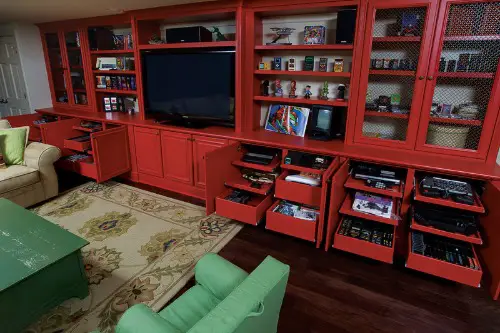
Massive built-ins used to anchor living rooms and show off your big TV and DVD collection. But in the era of flat screens and streaming, they just eat up space. They’re also expensive to remove or update, often clashing with newer minimalist aesthetics. Buyers see them as bulky and outdated rather than luxurious.
Modern design favors floating consoles and wall-mounted screens. The clean look makes rooms feel larger and more adaptable. Plus, built-ins can make it hard for buyers to picture their own furniture fitting in. What once screamed “custom” now whispers “dated.”
8. Heavy Window Treatments
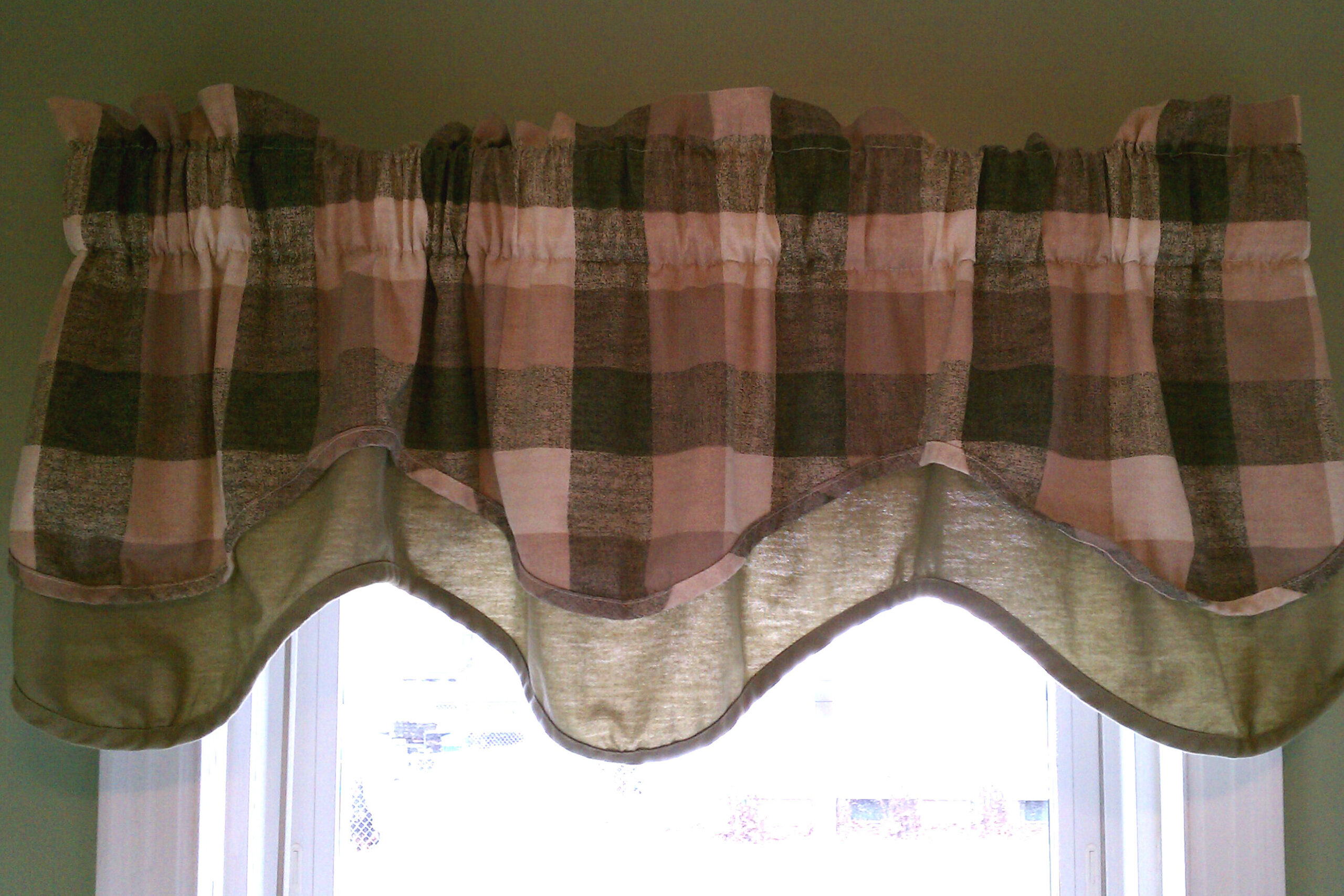
Thick drapes and ornate valances once signaled sophistication—but today, they read as stuffy. Natural light has become a major selling point, and buyers want windows that let it flood in. Heavy fabrics block light and collect dust, both of which hurt a home’s appeal. Light, simple shades or sheer curtains are the new norm.
The rise of minimalist design has accelerated this trend. Sleek roller blinds and neutral tones create a fresher, more open feel. Energy-efficient window treatments can add function without sacrificing style. In contrast, those brocade drapes feel like they belong in another century.
9. Above-Ground Pools
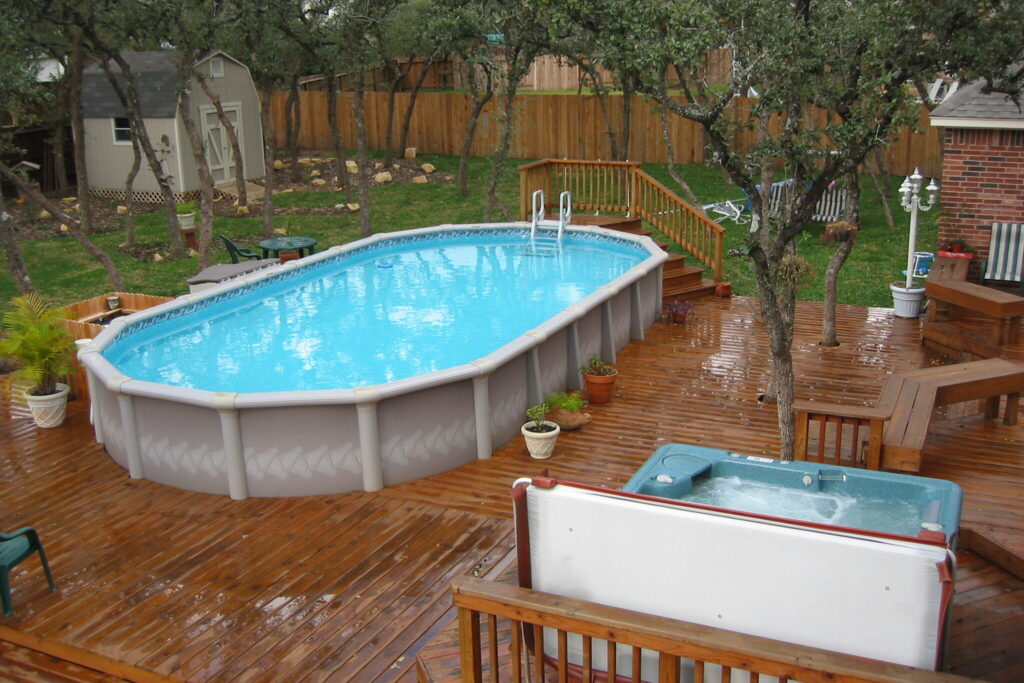
During the early 2000s, backyard pools—even above-ground ones—were seen as a fun family upgrade. Now, they’re often viewed as maintenance nightmares. They can detract from landscaping, take up valuable yard space, and even hurt resale value. Insurance costs and safety concerns don’t help either.
Buyers today are more drawn to low-maintenance outdoor spaces like patios, fire pits, or native gardens. Above-ground pools also age poorly, both in materials and appearance. They can make a property look cluttered or cheap rather than relaxing. Unless it’s an in-ground pool in pristine condition, it’s rarely a selling point anymore.
10. Shiplap Walls
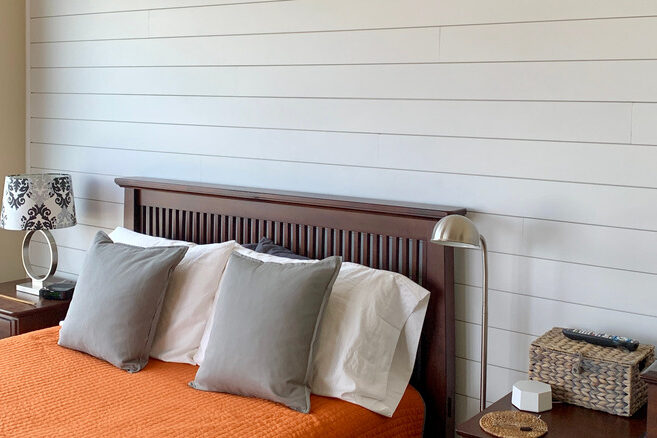
Once popularized by farmhouse-style makeovers, shiplap has officially hit oversaturation. It’s still charming in small doses, but entire rooms covered in it now feel cliché. Buyers who once saw it as a statement of taste now see it as a trend to undo. The whitewashed “Joanna Gaines look” just doesn’t resonate with everyone anymore.
As the farmhouse aesthetic fades, design is shifting toward cleaner walls and mixed textures. Painted drywall, wallpaper accents, or limewash finishes feel more current. Shiplap can still work in certain coastal or rustic settings—but in most suburbs, it’s a sign of yesterday’s Pinterest trends. What was once aspirational now feels overplayed.
11. Subway Tile Everything
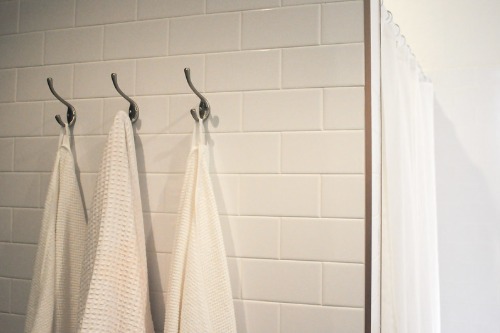
Subway tile had an incredible run, dominating kitchens and bathrooms for over a decade. But repetition has dulled its charm, and now it feels more builder-basic than bespoke. Homeowners want bolder, more expressive materials—like zellige tile, natural stone, or even textured ceramics. Subway tile hasn’t disappeared, but it’s no longer the design flex it used to be.
The fatigue comes from ubiquity. When every renovation features the same glossy white rectangles, they stop feeling special. Buyers crave individuality, and subway tile doesn’t deliver that anymore. It’s a classic case of a good thing worn out by overuse.
12. All-White Interiors
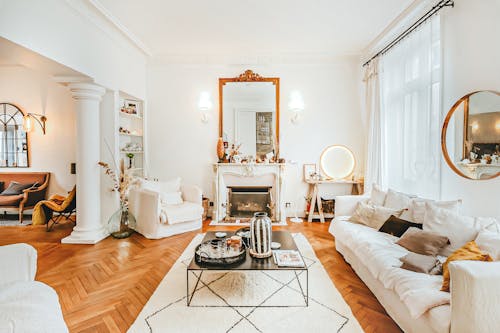
For years, the all-white aesthetic was the gold standard of “clean” and “modern.” But now it reads as sterile and high-maintenance. Homeowners are leaning toward warmer, more lived-in spaces with color, texture, and contrast. White walls and white cabinets no longer feel cozy or personal.
Designers are embracing beige, greige, and natural wood tones again. These palettes feel more organic and forgiving, especially for families and pet owners. White still has its place—but it’s now better as a backdrop than a lifestyle. A splash of personality goes further than pure minimalism ever did.
13. Smart Tech Overload

There was a moment when packing a home with smart gadgets boosted its value. But as tech evolves so quickly, many buyers see older systems as outdated or even security risks. Smart thermostats and locks are fine, but complex automation setups often age poorly. Integration issues and subscription fees can make them feel more like burdens than bonuses.
Today’s buyers want flexibility—they’d rather choose their own devices than inherit an obsolete system. Tech trends move faster than home trends, creating maintenance headaches. A “fully smart home” from 2018 can already feel clunky compared to modern setups. Sometimes, simpler really is smarter.
This post 13 Real Estate Trends That Used to Add Value — and Now Sink It was first published on Greenhouse Black.
