
1. Overly Custom Built-Ins
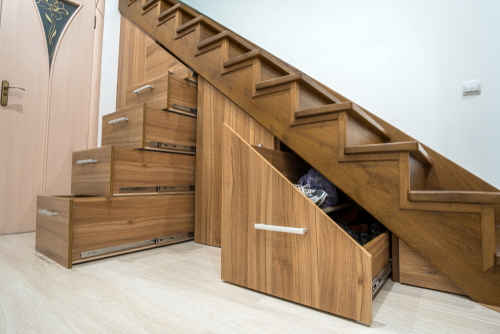
Custom built-ins feel luxurious, but they can freeze your layout in place. Buyers often see them as immovable furniture they have to design around. That limits who can envision living in the space. When imagination gets cramped, so does your resale pool.
Even high-quality carpentry can turn into a liability when it dictates how the room must function. A niche built for your enormous TV or special hobby gear may not match the next person’s needs. Potential buyers then calculate removal costs instead of value. That mental math usually pushes them toward another listing.
2. Removing a Bedroom for a Larger Primary Suite
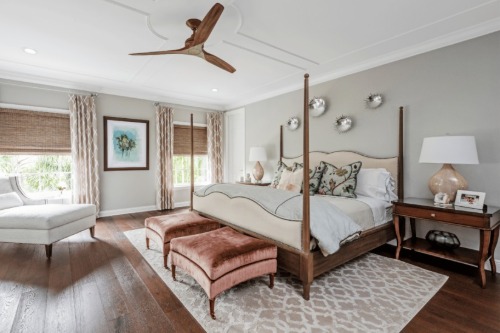
Merging two bedrooms into an oversized suite feels indulgent, but it reduces your home’s official bedroom count. Fewer bedrooms almost always narrows your buyer pool. Families, in particular, search by minimum bedroom numbers. If you don’t make the filter, you’re out before you even get considered.
Even buyers without kids often appreciate flexibility for guests or office space. Losing a bedroom removes that versatility. It also changes how your home compares to others in the neighborhood. Appraisers and buyers both notice the difference immediately.
3. Ultra-Specific Themed Rooms
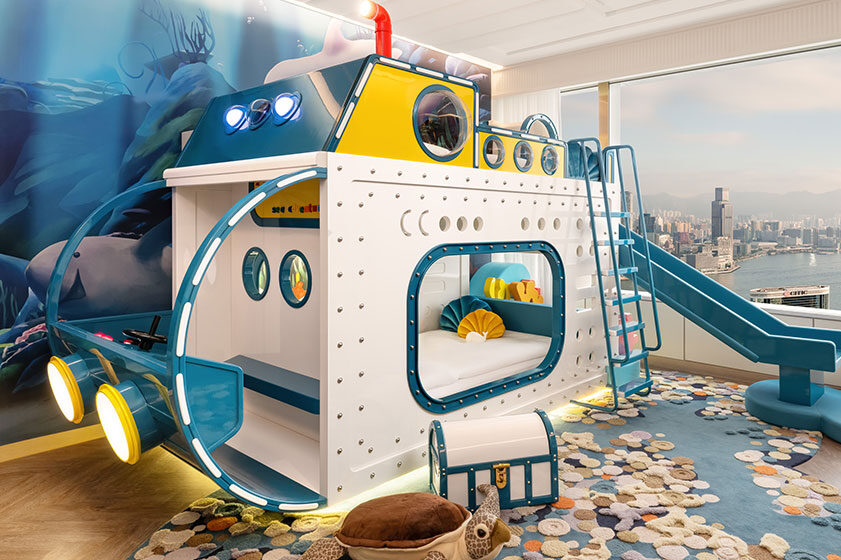
A full tiki bar or a medieval game room can be fun, but they’re highly personal. Buyers tend to see these as weekend indulgences, not everyday living spaces. They also mentally tally the cost and effort to “neutralize” the theme. That added burden can push your place down their shortlist.
Themed spaces often require specialty lighting, built-ins, or décor that doesn’t translate well. Even if it photographed beautifully, buyers imagine themselves actually living there—and many struggle. The more niche the room, the smaller your potential audience. What delights you may overwhelm someone else’s taste.
4. High-End Kitchen Upgrades That Outpace the Neighborhood
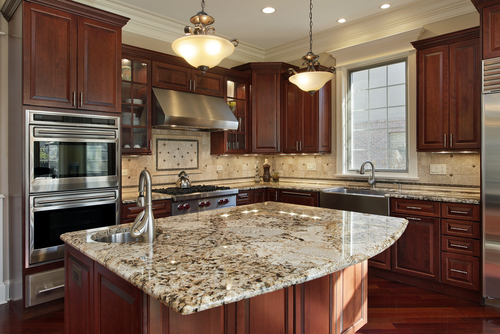
Installing a chef’s range or commercial appliances sounds like a value boost, but only if the area supports it. In neighborhoods where buyers aren’t paying for top-tier kitchens, the upgrade becomes a mismatch. You’ve added cost without adding expected value. Buyers in these markets may feel they’re overpaying for features they won’t use.
This also raises concerns about future maintenance costs. Some high-end brands require specialized service that intimidates casual cooks. That complexity turns a luxury item into a deterrent. When upgrades outclass the neighborhood, they rarely yield the returns homeowners expect.
5. Converting the Garage Into Living Space
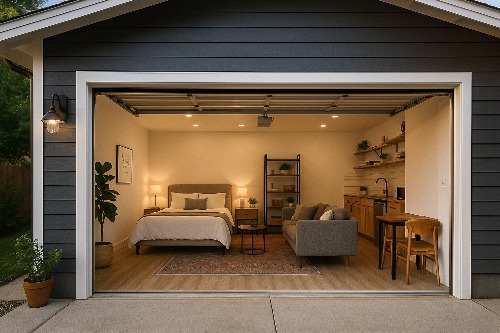
Garage conversions often complicate resale because parking is a major priority for many buyers. Losing covered parking reduces practicality, especially in extreme climates. Even well-finished conversions can feel “off” compared to original living areas. Buyers pick up on that mismatch quickly.
Some buyers also worry about permitting, insulation quality, and long-term durability. If the conversion isn’t seamless, they see dollar signs for reverting it. Even if it is seamless, many still prefer storage and parking over extra square footage. That preference shrinks your buyer base significantly.
6. Installing a Pool in Cooler or Non-Pool Markets

A pool can be a dream in the right climate, but a liability elsewhere. In many regions, buyers see it as maintenance rather than enjoyment. Safety concerns also weigh heavily for families with young children. These hesitations quickly reduce who’s willing to consider your property.
Operating costs and off-season upkeep further narrow the appeal. Some buyers don’t want to inherit the responsibility of repairs or winterization. Others simply prefer yard space over water features. A pool can go from luxury to obstacle depending entirely on your ZIP code.
7. Turning the Dining Room Into a Full-Time Office
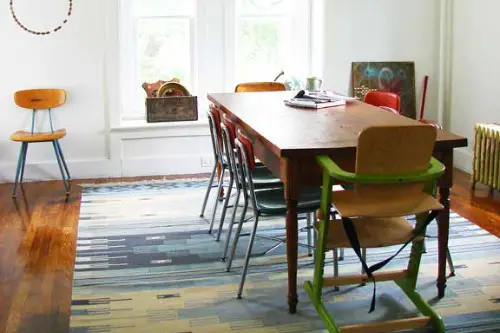
Repurposing the dining room into a dedicated office feels efficient, especially for remote workers. But many buyers still want a traditional dining space. Permanent changes, like removing lighting or adding built-in desks, make the room feel locked into one purpose. That rigidity makes your home less adaptable for different lifestyles.
Buyers may also worry about having insufficient entertaining space. Even if they don’t host big dinners, they like the option. When a room becomes too specialized, flexibility disappears. Homes with fewer “standard” spaces appeal to fewer people.
8. Overly Trendy Tile or Flooring Choices

Bold geometric tiles or unusual flooring colors photograph well but age quickly. Trends move fast, and buyers often want something timeless. If they think they’ll have to rip out flooring immediately, your home becomes a project instead of move-in ready. That perception alone discourages offers.
Replacing flooring is expensive and disruptive. Buyers mentally adjust their budget the moment they dislike it. Even small aesthetic misfires can alter their perception of value. When the style is too specific, you lose anyone with different taste.
9. High-Maintenance Landscaping
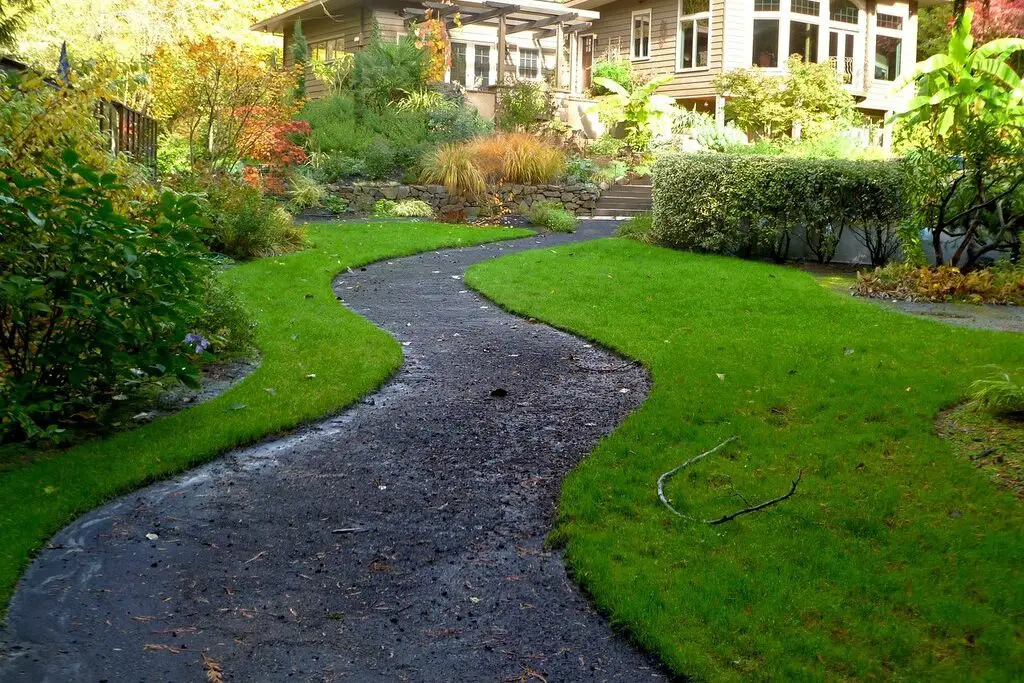
Elaborate landscape designs with specialty plants or extensive hardscaping can intimidate buyers. Not everyone wants to spend weekends trimming topiaries or maintaining water features. The perceived effort can outweigh the visual appeal. Buyers often prefer low-maintenance yards that won’t add to their chore list.
Some also worry about replacement costs if plants die or systems fail. Irrigation, lighting, and specialty materials all require upkeep. That ongoing responsibility narrows your audience to gardening enthusiasts. Most buyers just want something manageable and clean.
10. Removing Closets to Add Space
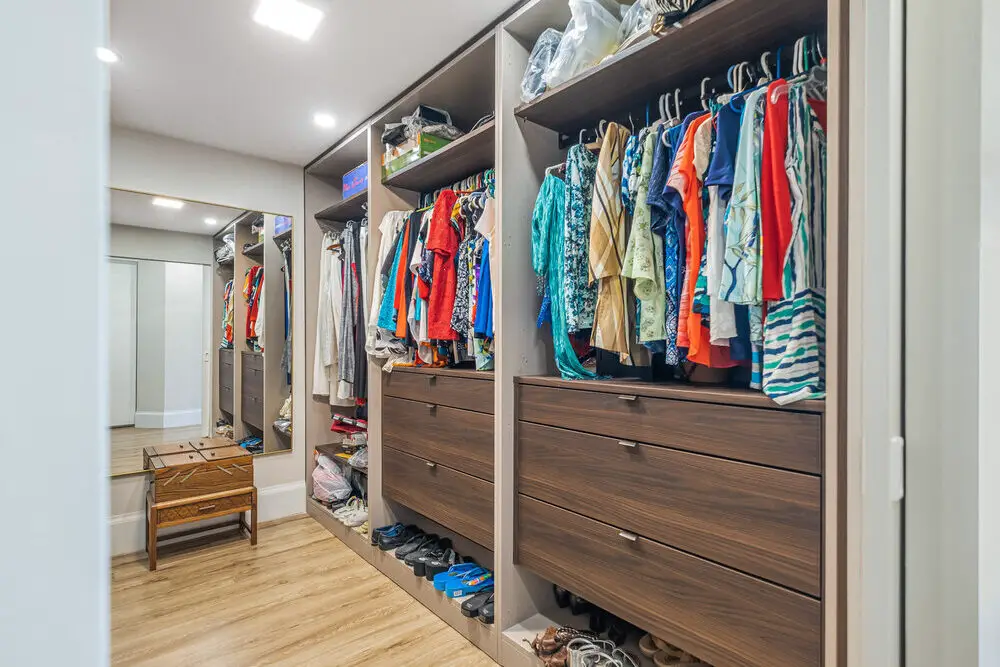
Eliminating closets to make rooms feel bigger can backfire. Storage is a top priority for many buyers, and losing it creates stress. Rooms without proper closets may not even qualify as bedrooms in some areas. That technicality alone can drop your home from important search filters.
Once storage disappears, buyers start imagining clutter. They anticipate needing extra furniture or cabinetry to compensate. That converts your “open” space into a problem they must solve. Fewer buyers want to take on that inconvenience.
11. Installing a Home Theater With Permanent Seating
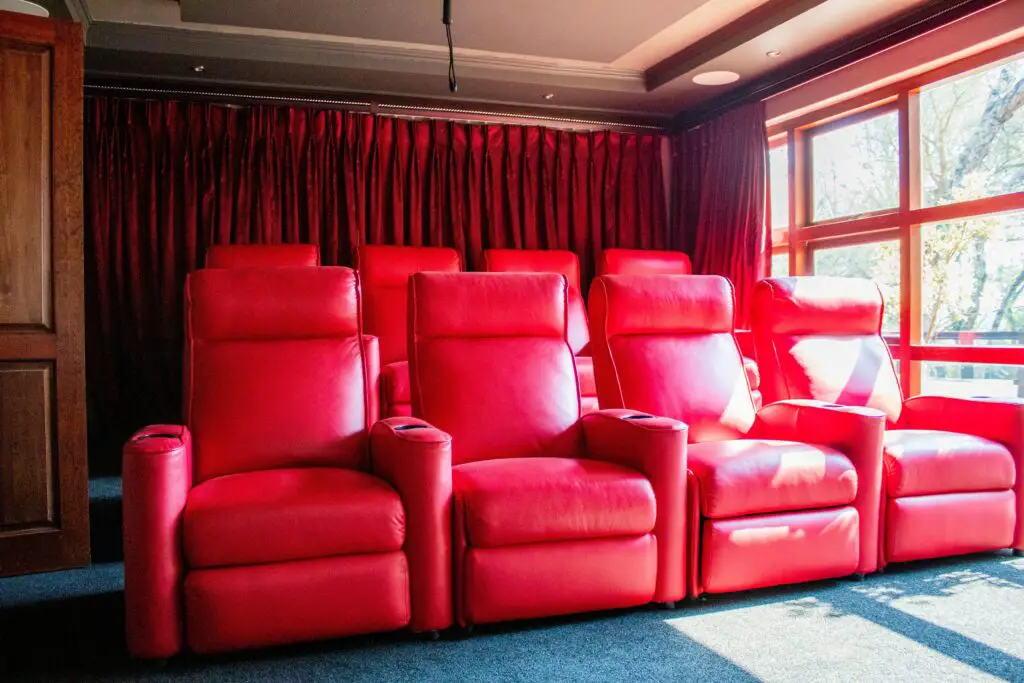
Dedicated theater rooms with fixed seating look impressive, but they limit use. Many buyers don’t watch movies often enough to justify the lost flexibility. Once risers and built-ins are added, converting the space back takes effort and money. That friction reduces the appeal.
Even tech-savvy buyers worry about outdated wiring or aging equipment. A setup that once felt cutting-edge can quickly look dated. If buyers see replacement costs on the horizon, enthusiasm drops. A multipurpose media room is usually more broadly appealing.
12. Luxury Bathroom Upgrades That Are Too Personal
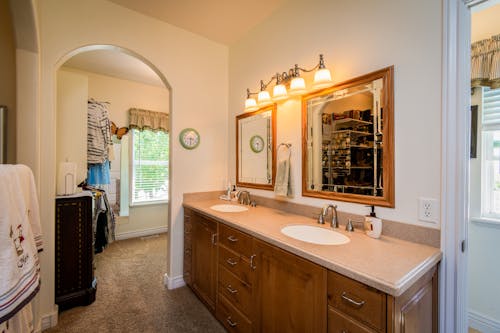
Features like bidet-toilets, chromotherapy tubs, or hyper-specific spa add-ons can feel indulgent but niche. Buyers who don’t understand or want these upgrades see them as costly extras. They may even question maintenance or long-term reliability. That uncertainty narrows enthusiasm fast.
Bathroom space is precious, and specialized fixtures often dominate the room. If buyers feel the layout is compromised, the luxury loses its charm. They imagine the hassle of changing out expensive equipment. Instead of value, they see inconvenience.
13. Turning a Backyard Into a Specialized Sports Area

Installing a putting green or regulation-size court can thrill enthusiasts, but it excludes many others. Buyers unfamiliar with the sport just see lost grass or play space. Reversing these installations is expensive and labor-intensive. That reality quickly thins out your buyer pool.
Even those who enjoy the sport may not prioritize having it at home. They recognize the upkeep involved or prefer multi-use outdoor areas. A yard that’s too specialized limits imagination. The more niche the feature, the fewer people it resonates with.
This post 13 Common Renovation Add-Ons That Actually Shrink Your Resale Pool was first published on Greenhouse Black.
