
1. Neglected Restrooms
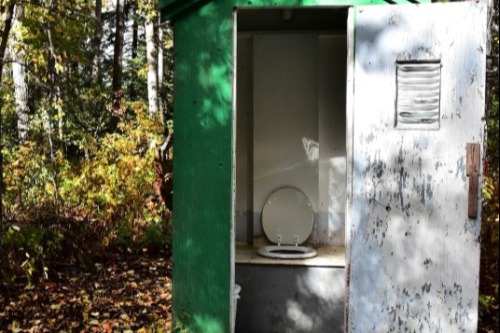
When campground restrooms are dirty, smelly, or obviously skipped during cleanings, it’s a clear sign that maintenance isn’t a priority. You can usually tell by full trash bins, empty soap dispensers, or sticky floors that haven’t seen a mop in a while. Facilities are one of the most heavily used parts of any campground, so consistent upkeep is non-negotiable. If these basic areas aren’t cared for, it often means other parts of the park are neglected too.
Beyond the hygiene issue, neglected restrooms can create actual health concerns for guests. Poorly maintained washrooms may indicate limited staffing or a lack of operational oversight. When campground owners cut corners here, it’s usually a sign of broader cost-saving measures. That’s why many campers use restroom condition as their first indicator of overall park quality.
2. Poorly Marked or Overgrown Campsites

If you have trouble figuring out where your site begins and ends, that’s more than just a minor inconvenience—it reflects a lack of organization. Overgrown brush, tall grass, or faded site markers usually mean maintenance is stretched thin or not prioritized. This can cause confusion for guests, especially those arriving after dark. It also suggests that site turnover isn’t being managed carefully.
Overgrowth can create safety issues as well. Thick brush may attract insects or wildlife that aren’t ideal to have near tents or RVs. It also makes it harder for rigs to maneuver safely, increasing the risk of accidents. A well-managed campground keeps vegetation trimmed and sites clearly marked to avoid these problems.
3. Inconsistent or Weak Wi-Fi

While campers don’t expect city-level speeds, they do expect advertised amenities to work reliably. A weak or inconsistent signal is often a sign that the campground hasn’t invested in modern infrastructure. Many parks rely on outdated routers or limited bandwidth that can’t support more than a handful of guests. This becomes especially obvious on weekends when the connection slows to a crawl.
Poor Wi-Fi can be a problem if you need to check weather alerts, trail maps, or basic travel info. It also reflects the park’s overall approach to guest experience—if they list Wi-Fi as a feature, it should work as described. When it doesn’t, it often hints at outdated management practices. Reliable connectivity isn’t about luxury; it’s about keeping promises.
4. Excessive Noise at All Hours
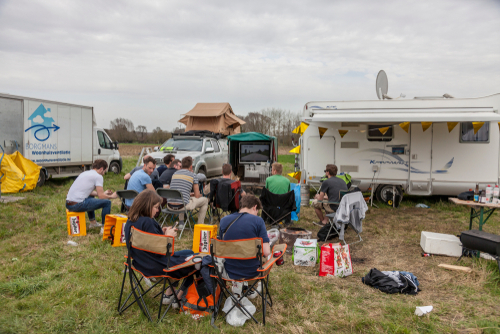
A quality campground usually enforces quiet hours, and you can feel the difference when those rules are ignored. Constant shouting, loud music, or engine revving late at night shows the staff isn’t monitoring the grounds effectively. Noise disturbances disrupt sleep and can ruin the entire camping experience. It also creates tension between guests who are there for different types of stays.
Poor noise control often reveals that the park is understaffed or reluctant to intervene with problem guests. This can make the environment feel chaotic or unsafe. It’s also a sign the campground management prioritizes occupancy over guest comfort. When noise goes unchecked, it’s usually part of a broader pattern of lax rule enforcement.
5. Cracked or Unsafe Hookups
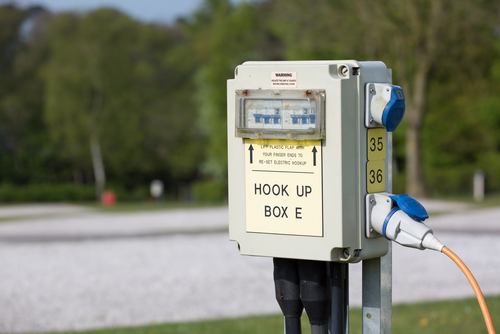
If electrical pedestals look rusted, loose, or damaged, that’s a major red flag. Properly maintained hookups are essential for RV safety, and worn equipment suggests long-term neglect. Water spigots that leak or sewer connections that don’t seal properly also fall under this issue. These problems aren’t just inconvenient—they can be hazardous.
Faulty electrical hookups can pose fire risks, and poorly managed water or sewer lines can create sanitation issues. When a campground lets this infrastructure decline, it’s often because repairs are costly and time-consuming. That’s why damaged hookups are one of the quickest ways to judge whether a park reinvests in itself. Safe, functional utilities should always be the baseline.
6. Standing Water or Muddy Grounds

If puddles linger long after a rainstorm, it usually means the campground lacks proper drainage. Constant mud makes walking, cooking, and setting up gear uncomfortable. Poor drainage can also attract mosquitoes and other pests. It’s a clear signal that the park’s layout wasn’t designed or maintained with long-term durability in mind.
Drainage issues often worsen with heavy use, meaning the problem won’t fix itself without real investment. Excessive mud can damage RV tires and create slip hazards. It also hints that management may not be addressing soil erosion or grading needs. A well-kept campground manages water flow to protect both guests and the property.
7. Overflowing Trash Bins

Trash bins that are full or surrounded by loose garbage show a lack of routine upkeep. This isn’t just unpleasant—it can attract raccoons, stray cats, and even larger wildlife. When waste isn’t collected regularly, odors spread quickly and impact nearby sites. Overflowing bins usually point to understaffing or poor operational planning.
Improper trash management also raises environmental concerns. Loose plastic or food waste can blow into natural areas around the campground. It may also encourage guests to leave garbage outside designated bins, worsening the problem. Clean, well-maintained parks handle trash promptly to keep the grounds healthy and safe.
8. Lack of Staff Presence

If you rarely see staff members walking the grounds or available at the office, that’s often a warning sign. Campgrounds rely on active management to address issues quickly and ensure guests follow rules. Minimal staff visibility can leave guests feeling unsupported or unsure where to turn for help. It also increases the odds of safety issues going unnoticed.
A low staff presence may indicate budget cuts or low overall investment in operations. Without adequate oversight, noise problems, maintenance issues, and disputes escalate more easily. It also slows response time during emergencies or severe weather. Good campgrounds maintain a steady, approachable staff presence throughout the day.
9. Faded or Broken Signage
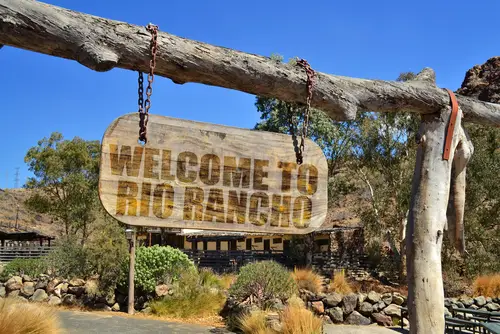
When signs are cracked, sun-bleached, or barely readable, it suggests long-term neglect. Clear signage is essential for directing traffic, explaining rules, and guiding guests to amenities. Damaged signs create confusion and can lead to vehicles taking wrong turns or blocking tight roads. They also contribute to an overall impression of disorganization.
Up-to-date signs indicate a park is paying attention to detail. Conversely, outdated or broken ones show the opposite. Replacing signage is inexpensive compared to other maintenance tasks, so its absence is telling. When a campground overlooks something this simple, it often reflects deeper operational neglect.
10. Poorly Maintained Roads
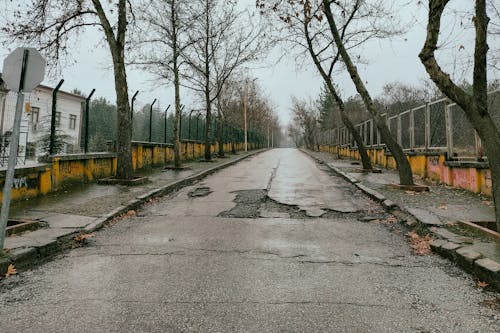
Rutted gravel roads, potholes, or washed-out sections are more than just annoyances—they can damage vehicles. Campgrounds with well-maintained roads typically grade or repair them regularly, especially after storms. When roads are rough, it’s usually because upkeep has been deferred repeatedly. This makes navigating the property stressful for both RVs and cars.
Bad roads also slow down emergency access if something goes wrong. They can increase dust levels, which affects nearby campsites. Frequent road issues also hint that the campground may experience drainage or erosion problems. Smooth roads show care; rough ones show neglect.
11. Outdated or Broken Recreational Areas

Playgrounds with rusty swings or peeling paint tell you everything you need to know about maintenance standards. Picnic shelters or fire pits that are damaged or unsafe show a lack of routine inspections. Recreational areas get a lot of use, so they require regular upkeep to stay safe. When these spaces fall apart, it’s obvious the park isn’t prioritizing guest experience.
Poor rec area maintenance may limit activities for families and children. It can also create liability concerns if equipment is unsafe. Campgrounds that ignore this tend to be behind on other repairs as well. Recreational areas are often the heart of a campground, so their condition speaks volumes.
12. Unreliable Reservation or Check-In Systems

If the office loses reservations or seems confused about site assignments, it’s a sign of disorganization. Double-bookings or last-minute site changes happen more often at poorly run parks. A smooth check-in process is a basic expectation for travelers who may have driven hours to get there. When this process falters, it sets a stressful tone for the entire stay.
Disorganized systems often indicate outdated software or inconsistent staff training. This can impact everything from billing accuracy to rule enforcement. It also means guests may not get the site type or features they paid for. Reliable campgrounds invest in efficient systems to avoid unnecessary frustration.
This post 12 Campground Features That Signal You’re Staying at a Low-Quality Park was first published on Greenhouse Black.
