
1. RV Washer-Dryer Combos

Washer-dryer combos sound dreamy until you realize how slow they are and how much power they use. For someone camping 10 weekends a year, it’s hard to justify giving up a whole cabinet for a machine you’ll rarely run. Most campgrounds have laundromats anyway, so it’s quicker and cheaper to just throw in a load while you relax. And if you’re traveling short-term, you probably packed enough clothes to get by.
Where they truly shine is for long-haul travelers who can’t rely on campground laundry or don’t want to hunt down laundromats constantly. Doing laundry at home-on-wheels saves huge amounts of time during months-long trips. Plus, the convenience of washing small batches frequently is only appreciated by people living on the road. If you’re not out there for 100+ days, the space tradeoff just isn’t worth it.
2. Satellite Internet Dish Systems

If you’re only taking a couple of long weekends, a satellite internet dish is basically an expensive yard ornament. These systems shine when you’re boondocking far from cell towers for months at a time. Their setup and alignment take practice, which isn’t worth learning if you rarely stay remote. Plus, the subscription fees only make sense when you truly need internet everywhere.
They become valuable for full-timers who work from their rigs or stay deep in national forests. In those cases, stable connectivity can be the difference between enjoying the trip and driving into town daily. But for casual travelers, a hotspot usually handles everything for a fraction of the trouble. Unless you’re on the road over 100 days a year, you’ll barely scratch the surface of what these systems offer.
3. High-Capacity Lithium Battery Banks
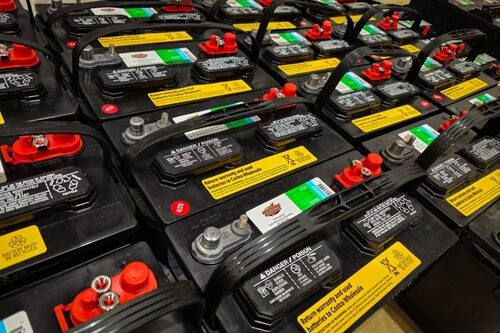
Lithium batteries are incredible, but they’re overkill for the typical weekend warrior. They’re expensive to buy and install, and most casual campers won’t come close to draining a standard AGM battery. Unless you’re boondocking or running high-demand electronics for long periods, you won’t tap into the advantages. They really shine only when you live off-grid extensively.
Full-timers benefit from faster charging, deeper discharge, and long lifespan. If you’re traveling 100+ days a year, these features drastically improve energy reliability. You can power fridges, laptops, and even induction cooktops without stressing the system. For occasional travelers, that kind of power simply isn’t necessary.
4. Automatic Leveling Systems
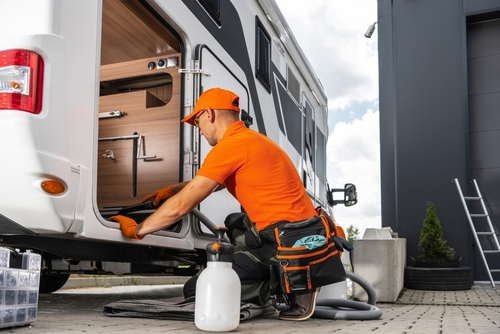
Automatic leveling systems feel luxurious, but they’re pricey and complex for someone who barely uses their rig. Most casual RVers can level with blocks in a few minutes. It’s not fun, but for short trips it’s hardly a burden. The cost-to-benefit ratio swings wildly unless you’re parking dozens of times a year.
Frequent movers, though, save hours of setup stress annually with push-button leveling. The system adjusts quickly and accurately on uneven ground, reducing frustration during long travel runs. When your RV is basically your home, trimming setup time matters. Under 100 days a year, you just won’t gain enough value from the convenience.
5. Roof-Mounted Solar Arrays
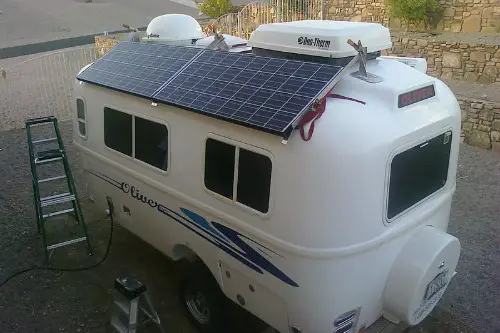
Solar power sounds appealing, but rooftop systems with charge controllers and inverters get expensive fast. If you usually plug into shore power at campgrounds, you’ll hardly use them. A small portable panel might do everything you need for short trips. For anything beyond that, it’s simply extra gear collecting dust.
Solar becomes essential when you boondock weeks at a time and don’t want to run a generator. Long-term travelers can keep their batteries topped up without lifting a finger. It’s freedom from hookups when you’re truly living on the road. Without that lifestyle, the big solar investment rarely pays off.
6. Tire Pressure Monitoring Systems for Trailers

TPMS setups are great for monitoring all your tires, but they’re not essential for occasional, short-distance towing. If you only go out a few weekends a year, you can manually check tires before each trip. Most casual routes are short enough that blowout risks are low with normal maintenance. The cost might not feel justified for such infrequent drives.
For long-haul travelers, though, continuous monitoring is a lifesaver. Long trips heat up tires, and unseen pressure changes cause dangerous blowouts. A TPMS gives you real-time alerts when you’re hundreds of miles from help. For people towing constantly, the peace of mind is indispensable.
7. Backup and Side-View Camera Systems
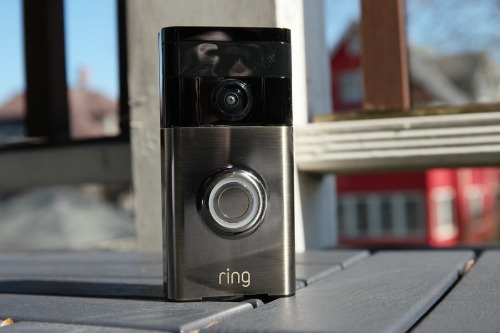
Extra camera systems are amazing, but they require installation, maintenance, and learning time. If you only maneuver your RV a handful of times yearly, basic mirrors are usually enough. Many shorter rigs already come with a minimal backup camera anyway. It’s one of those accessories you don’t appreciate unless you live in tight spaces weekly.
Full-time travelers constantly navigate cramped campgrounds, fuel stations, and narrow streets. Cameras eliminate blind spots during daily moves, preventing expensive damage. When your RV is home, you want every tool to protect it. If you’re not on the road enough, the upgrade is rarely worth the effort.
8. High-End Water Filtration Systems
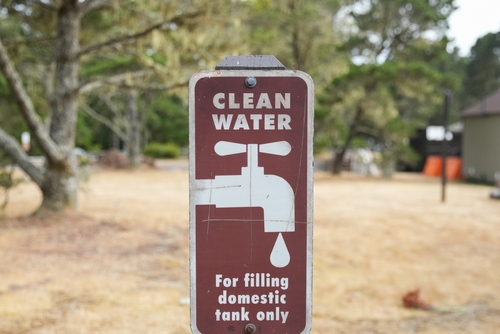
Whole-RV filtration systems sound smart, but most weekend campers drink bottled water and shower without issue. Basic filters usually handle anything you encounter on short trips. The big systems are bulky and require regular cartridge changes. Without constant travel, it’s more maintenance than convenience.
People on the road for months, however, hit widely varying water sources. Some regions have sediment-heavy or chemically treated water, making filtration a real quality-of-life upgrade. Protecting plumbing and improving taste matters more when the RV is your main residence. Casual travelers rarely face enough questionable water sources to justify it.
9. RV-Specific GPS Units
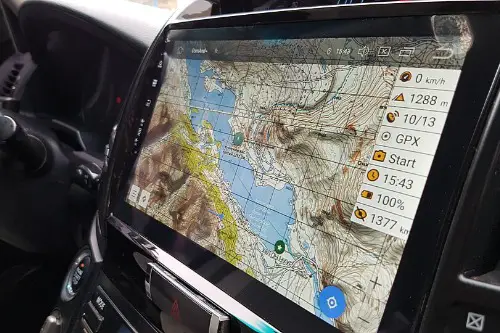
RV GPS units take height, weight, and propane restrictions into account. But most weekend trips stick to well-known highways where Google Maps is perfectly adequate. The dedicated units also require updates that occasional users forget to install. It’s a niche tool unless you’re navigating constantly.
Full-timers benefit because they regularly encounter low bridges, weight limits, and tricky routes. The GPS helps avoid road closures that only affect larger rigs. It can prevent getting stuck on a route that’s safe for cars but dangerous for RVs. If you’re not traveling heavily, smartphone apps work just fine.
10. Portable Waste Macerator Pumps
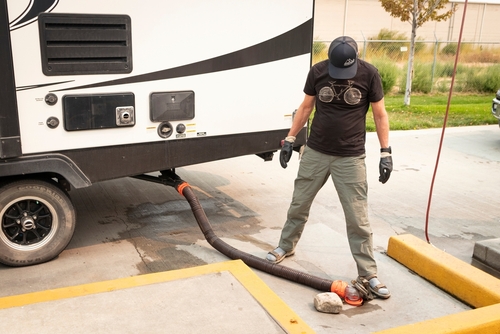
A macerator sounds fancy, but for quick campground stays it’s excessive. Standard gravity dumps take minutes and work almost everywhere. The pump adds hoses, connectors, and cleaning duties that casual users won’t appreciate. It shines only when dump access is limited.
Long-term RVers often face awkward dump angles or need to pump uphill or long distances. A macerator allows more flexible dumping options, especially at boondocking sites or home cleanouts. If you dump tanks frequently, that versatility pays off. For weekenders, gravity works perfectly well.
11. High-End Surge Protectors and EMS Units
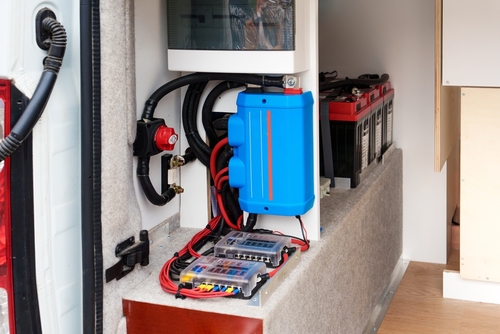
Electrical management systems do a great job protecting your rig from bad power, but they’re pricey. If you mostly stay at reputable campgrounds on occasional trips, major power issues are rare. A basic surge protector often covers what you need. The advanced features won’t get enough use to justify the cost.
Full-timers regularly plug into unfamiliar pedestals, increasing the risk of voltage drops or wiring faults. An EMS unit detects and shuts down harmful power instantly. When your RV is your home, that kind of protection really matters. If you’re out only a few times a year, the premium version feels unnecessary.
12. Heavy-Duty Portable Generators
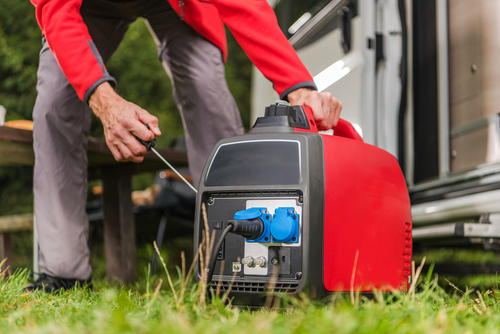
A big generator provides tons of power, but it’s loud, heavy, and expensive. If you rarely camp without hookups, it’ll sit in storage most of the year. You’ll also need to maintain it, which can be annoying if you barely use it. A small backup battery usually handles occasional off-grid needs.
For long-term boondockers, a generator is a dependable source of electricity in cloudy weather or high-demand situations. It keeps AC units running when solar can’t keep up. People traveling over 100 days a year rely on that stability, especially in hot climates. Without that lifestyle, the generator’s benefits go mostly unused.
This post 12 RV Accessories That Are Useless Unless You Travel 100+ Days a Year was first published on Greenhouse Black.
