
1. Overpacking Gear
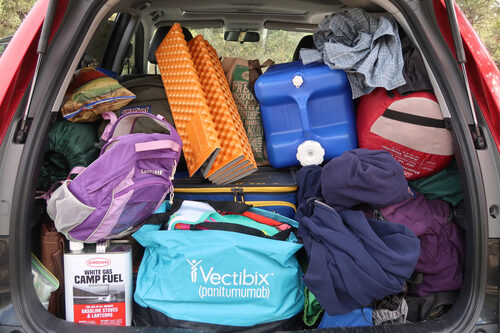
New campers often bring way more gear than they’ll ever use. It usually comes from the fear of being unprepared in unfamiliar territory. The problem is that all that stuff makes setup slower and more stressful. It also makes it obvious that you’re still figuring out what’s actually essential.
The reason this marks you as a first-timer is that seasoned campers travel lighter after learning what truly matters. They know that comfort comes from smart choices, not hauling everything from home. Overpacking also makes it harder to keep your site tidy. A cluttered campsite is a dead giveaway that you’re still learning the ropes.
2. Pitching a Tent in the Dark

Arriving late and trying to pitch a tent by flashlight is something beginners often find themselves doing. It’s usually because they underestimate travel time or campground logistics. Setting up in the dark is loud and frustrating, which other campers notice quickly. It also leads to mistakes like crooked stakes or lopsided rainflies.
It marks you as a first-timer because experienced campers know to arrive early enough for daylight setup. They’ve learned that good lighting makes everything smoother and quieter. A well-timed arrival also shows respect for campground etiquette. Being rushed and fumbling around signals you’re still getting the hang of things.
3. Ignoring Quiet-Hour Rules
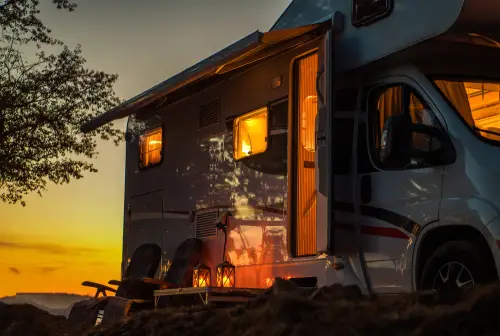
Beginners sometimes overlook quiet-hour signs because they’re not used to shared outdoor spaces. They might talk loudly around the fire or slam car doors without thinking. Even if unintentional, the noise travels far in open environments. Other campers notice who’s disrupting the peace.
This marks you as a first-timer because seasoned campers treat quiet hours as sacred. They know sound can carry for surprising distances. Respecting these rules helps maintain a relaxing atmosphere for everyone. Forgetting them shows you haven’t yet adapted to campground culture.
4. Leaving Food Out
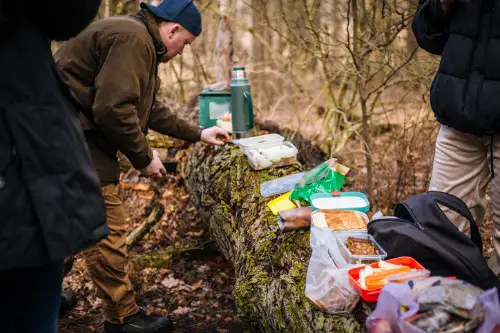
New campers often don’t realize how fast wildlife can show up when food is left unattended. Open snack bags or coolers invite everything from ants to raccoons. This can lead to a mess, a safety issue, or even a ruined trip. Other campers immediately recognize this beginner mistake.
It signals inexperience because veterans always secure food promptly. They’ve learned that cleanliness prevents both pests and unwanted excitement. Good food storage also keeps the campground safer for everyone. Leaving food out shows you’re still learning about outdoor responsibility.
5. Setting Up Too Close to Neighbors
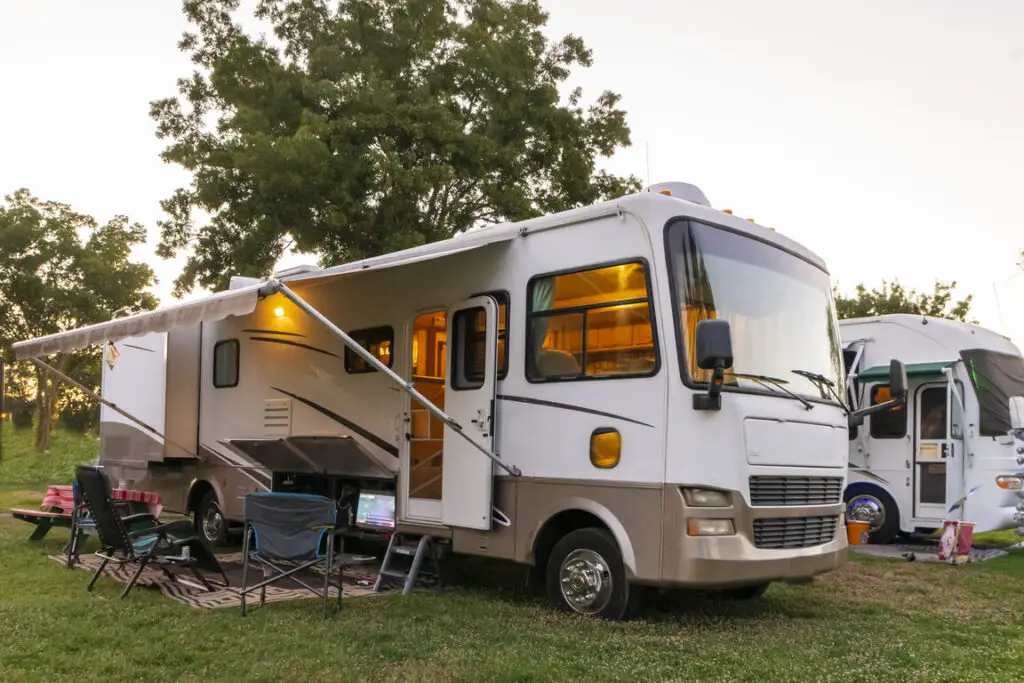
Beginners sometimes pick the first empty spot without thinking about personal space. They might not realize how close tents can feel once the area gets quiet. Crowding neighbors can make everyone uncomfortable. It’s an easy slip when you haven’t camped much before.
Experienced campers, however, are quick to give others breathing room. They’ve learned to evaluate angles, noise levels, and privacy. A little extra distance makes the stay more pleasant for everyone. Setting up too close shows you’re not yet used to natural campground boundaries.
6. Using Bright Lights Late at Night
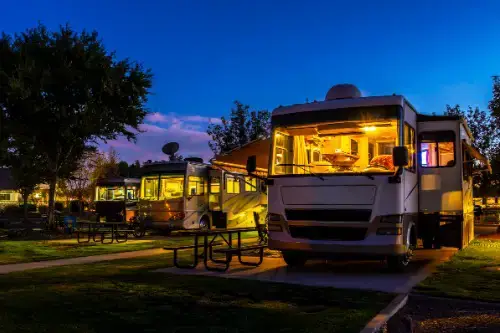
Flashlights and lanterns aimed haphazardly can shine into nearby tents. Beginners often don’t think about where their light beams travel. It’s an honest mistake when you’re busy navigating the dark. Still, it stands out quickly in a campground.
Seasoned campers keep lighting low and directional. They’ve learned how disruptive bright lights can be at night. Soft, warm illumination is part of considerate camping. Using blinding beams shows you’re still adjusting to nighttime etiquette.
7. Starting a Fire Without Checking Conditions
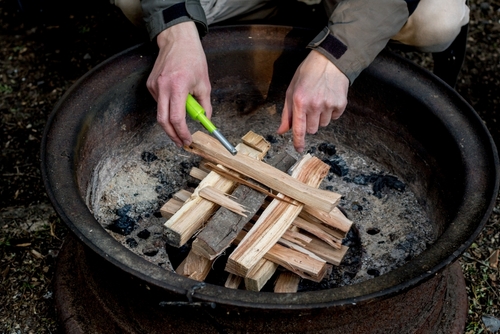
First-timers sometimes assume a fire is always allowed. They may not realize burn bans or weather conditions can restrict fires. Lighting one without checking can be dangerous and inconsiderate. Other campers quickly recognize this as a rookie move.
Experienced campers check posted rules and updates first. They understand that fire safety changes with wind, dryness, and local regulations. Following these guidelines shows maturity and awareness. Skipping this step marks you as new to outdoor responsibility.
8. Failing to Level a Tent or RV
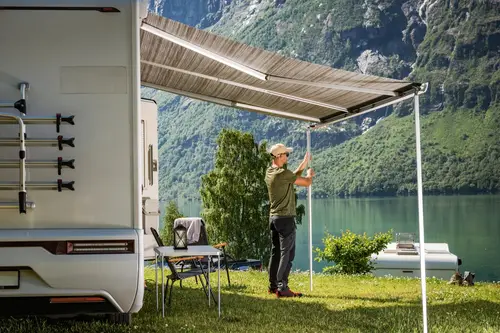
New campers might pitch a tent on uneven ground or park an RV without leveling blocks. It doesn’t seem like a big deal until sleeping or cooking becomes uncomfortable. This mistake is noticeable when gear keeps sliding or people keep adjusting. It’s a classic indicator of inexperience.
Veteran campers take a moment to assess the ground before committing. They know that leveling improves both comfort and safety. They’ve learned from past nights spent rolling downhill in their sleeping bags. Skipping this step shows you’re still building your camping instincts.
9. Wandering Through Other Campsites

Beginners may not realize that each campsite is treated like personal space. They might walk through someone else’s area as a shortcut. Even if accidental, it feels intrusive to the people staying there. It’s a small thing that experienced campers avoid.
This identifies you as new because seasoned visitors respect invisible boundaries. They stick to roads, paths, and their own designated area. It’s a simple way to maintain privacy and comfort for everyone. Cutting through campsites shows you’re still getting familiar with shared-space etiquette.
10. Not Knowing How to Use the Picnic Table Smartly

New campers often let the picnic table become a catch-all surface. It ends up cluttered with food, gear, and trash. This makes eating and meal prep harder than necessary. It also signals disorganization to neighbors.
Experienced campers use the table efficiently and keep mess to a minimum. They understand it’s the central workspace at most sites. Keeping it clear helps cooking go smoothly and safely. A cluttered table shows you’re still learning campsite flow.
11. Struggling Loudly With Gear Instructions
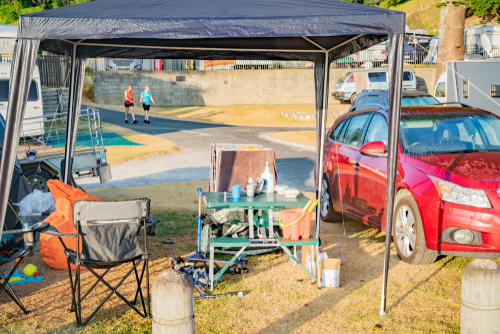
First-timers often assemble gear for the first time right at the campsite. They may read instructions out loud or debate which pole goes where. It’s normal but definitely noticeable. Other campers can spot that “new gear energy” instantly.
Veterans generally test or practice at home. They arrive knowing how their tent, stove, or chairs work. This preparation reduces stress and noise. Struggling publicly with gear assembly shows you’re still getting familiar with your equipment.
12. Wearing the Wrong Layers
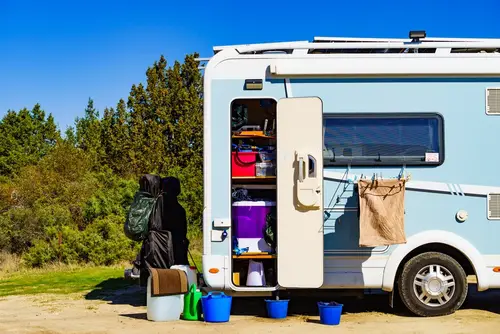
Beginners sometimes misjudge temperatures and end up either freezing or overheating. They may arrive with bulky cotton layers that stay damp or uncomfortable. This leads to fussing with clothes all day or night. It’s something fellow campers easily notice.
Experienced campers use moisture-wicking fabrics and modular layers. They’ve learned how quickly conditions change outdoors. Being prepared keeps them comfortable and confident. Misjudging clothing needs shows you’re still learning outdoor temperature habits.
13. Cooking Complicated Meals

New campers often try to recreate home-style cooking at the campsite. Multi-step meals sound fun but become messy fast. This leads to long prep times, more cleanup, and occasional frustration. Others nearby can tell when someone is overambitious.
Seasoned campers keep meals simple and efficient. They use quick-cook staples that minimize hassle. This helps maintain relaxation and keeps the site tidy. Overcomplicating food signals you’re still experimenting with what works outdoors.
14. Forgetting to Check the Weather
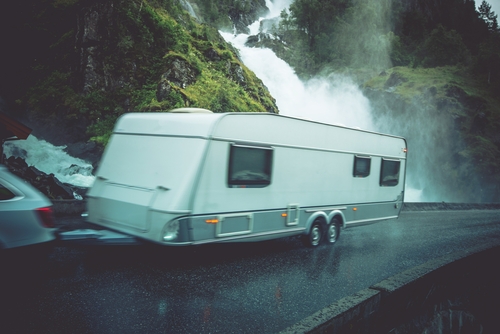
Beginners sometimes assume conditions will stay the same throughout their trip. They may not pack rain gear or secure tarps properly. When a surprise shower hits, everything turns chaotic. It’s a memorable and obvious rookie mistake.
Experienced campers check the forecast before and during their stay. They plan for rain, wind, and temperature changes. This preparedness keeps their campsite functional no matter what. Forgetting the forecast shows you’re still adjusting to nature’s unpredictability.
This post 14 Campground Habits That Quietly Mark You as a First-Timer was first published on Greenhouse Black.
