
1. Overloading the Rig
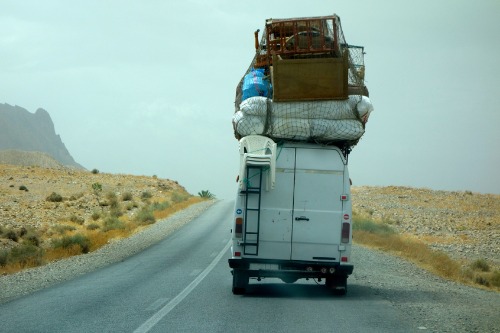
When you exceed your RV’s weight limits, you stress everything from the suspension to the frame. Even a few hundred extra pounds can change braking distance and steering response. Overloading also strains tires, making blowouts more likely. The rig may still drive, but the damage accumulates quietly.
Weighing your RV avoids this type of wear. Many owners underestimate how quickly gear, food, and water add up. Staying within your Gross Vehicle Weight Rating protects both safety and longevity. It also keeps mechanical components from wearing out before their time.
2. Skipping Regular Roof Checks
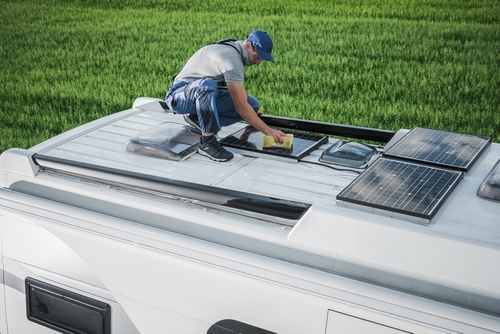
Ignoring the roof for too long lets small cracks turn into expensive leaks. Water can sneak in around vents, seams, and AC units long before you spot dampness inside. Because RV roofs are often rubber or fiberglass, UV exposure gradually weakens them. Catching small issues early helps prevent structural damage.
Regular roof checks also help you notice loose or failing sealant before weather makes the problem worse. Many campers skip this because it’s inconvenient, not because it’s unnecessary. But moisture intrusion can spread silently into insulation, paneling, and wiring. A simple monthly walk-around can save you thousands in repairs.
3. Ignoring Tire Pressure
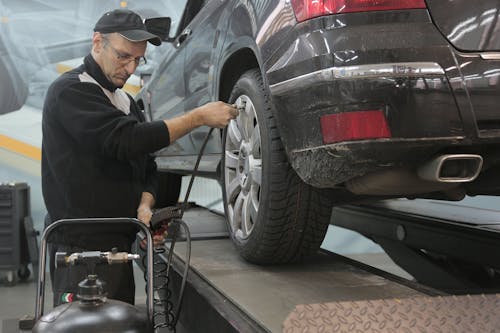
Running on underinflated tires generates excess heat and wears the tread unevenly. That heat can eventually lead to sidewall failure, which is costly and dangerous. Overinflated tires aren’t much better because they reduce traction and can damage suspension components. Tire pressure matters more than most new campers realize.
Checking before each travel day keeps your tires in their safest range. Temperature swings can change PSI more than you’d expect. Using a reliable gauge helps you notice problems before they become emergencies. Consistent pressure extends tire life and protects the whole RV.
4. Letting Batteries Run Too Low
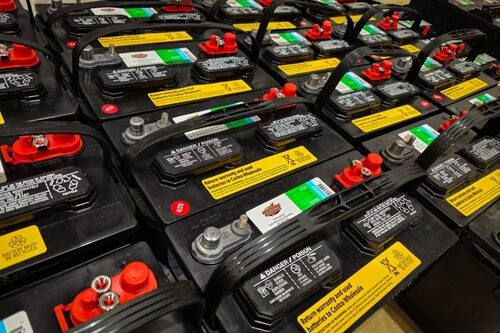
Deep-cycling lead-acid batteries too frequently shortens their lifespan. Once they drop below 50 percent charge, the internal plates can sulfate faster. Even lithium batteries benefit from staying above extremely low levels. Your electrical system depends on healthy batteries to run smoothly.
Keeping an eye on voltage helps prevent accidental over-discharge. Many campers forget that parasitic loads keep draining the system even when the lights are off. A proper charger or solar setup keeps batteries topped off. Maintaining them prevents random system failures on the road.
5. Neglecting Slide-Out Maintenance
Slide-outs collect dirt and debris on the seals every time you move them. That buildup wears the seals prematurely and allows water intrusion. Lubrication also dries out if you go too long between applications. A stiff or grinding slide is a sign of preventable wear.
Cleaning and lubricating the seals makes them last much longer. Some owners wait until something binds before taking action. But early attention protects the motors and tracks from strain. A few minutes of upkeep keeps the slide moving smoothly.
6. Driving Too Fast

High speeds add unnecessary stress to the RV’s suspension and frame. Wind resistance increases rapidly, making the engine and transmission work harder. Tires heat up faster, which increases the risk of blowouts. It might save time, but it shortens the life of major components.
Keeping speeds moderate helps your rig handle better. Many RV tires are only rated for certain speed limits, and exceeding them reduces safety margins. Slowing down also improves fuel efficiency. A calmer pace keeps everything running cooler and lasting longer.
7. Skipping Water Heater Flushing
Mineral buildup forms inside the water heater when you don’t flush it regularly. Hard water accelerates this, causing the tank or heating element to work harder. That strain reduces efficiency and shortens the heater’s lifespan. Sediment can even cause rumbling noises or poor heating performance.
Flushing the tank helps remove deposits before they cause damage. Many campers forget this step until hot water problems appear. Regular maintenance keeps the heater running smoothly on both gas and electric modes. It’s a simple task that prevents costly replacements.
8. Leaving the Awning Out in Bad Weather
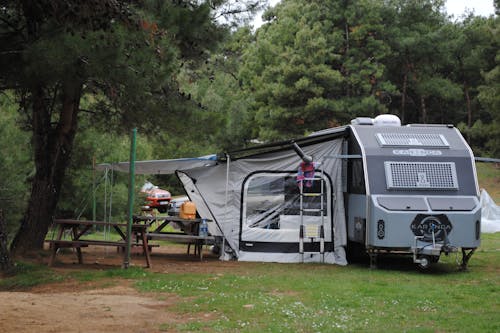
Awnings act like sails in the wind, and even moderate gusts can bend the arms. Once bent, they rarely retract or extend properly again. Heavy rain adds weight that the material and supports aren’t built to handle. Ignoring weather risks one of the most fragile RV components.
Retracting the awning when you leave camp protects it from sudden storms. Weather can change fast, and awnings respond poorly to surprises. A quick check before stepping away prevents expensive damage. Treating the awning gently helps it last far longer.
9. Using Household Cleaners on RV Surfaces

Some household cleaners are too harsh for RV materials. They can strip protective coatings or discolor plastics and decals. Even certain soaps leave residues that attract dirt. What works indoors isn’t always safe outdoors.
Choosing RV-safe cleaners avoids unnecessary wear. These products are formulated for rubber roofs, fiberglass, and vinyl. They help maintain the finish without weakening it. Using the right products preserves the look and integrity of the rig.
10. Letting Moisture Build Up Inside
Condensation from cooking, showering, and breathing collects faster than most campers expect. Trapped moisture promotes mold, mildew, and warped wood. RVs have tighter spaces, so humidity rises quickly. Over time, that moisture causes long-term interior damage.
Ventilation helps keep humidity in check. Opening windows or running fans makes a noticeable difference. A small dehumidifier can prevent dampness during extended stays. Managing moisture keeps your interior healthy and durable.
11. Forgetting to Lubricate Moving Parts
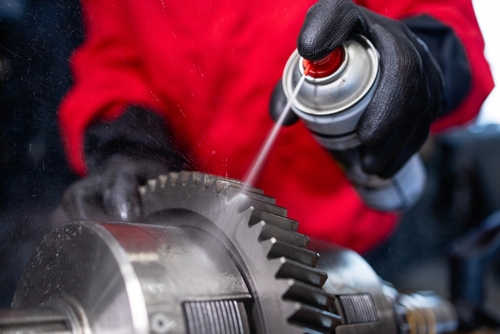
RV steps, hitches, jacks, and hinges all collect dust and grime. Without lubrication, these parts grind against each other and wear down. Rust can develop in areas exposed to road spray. Small squeaks often signal bigger problems coming.
A routine lubrication schedule keeps everything operating smoothly. Many of these parts are easy to reach and take only moments to treat. Regular care prevents sudden failures that can disrupt travel. Smooth components simply last longer and work safer.
12. Running the Fridge Off-Level
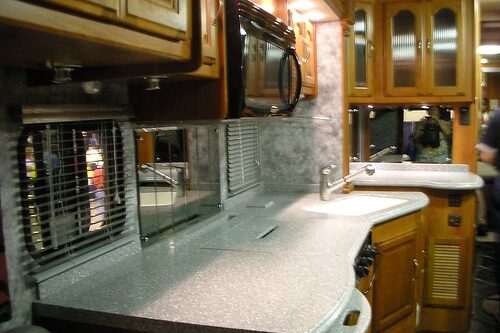
Absorption-style RV fridges rely on gravity to circulate coolant. When the rig is off-level for too long, the coolant pools and overheats. This can damage the cooling unit permanently, and replacements are expensive. Even slight tilts matter over extended periods.
Leveling the RV before using the fridge protects its internal components. Built-in bubble levels or smartphone apps make this easy. Many campers don’t realize the risk until the fridge fails. Keeping things level ensures efficient cooling and longer appliance life.
This post 12 Daily Camper Choices That Shorten the Life of the Rig was first published on Greenhouse Black.
