
1. Decorative Towels
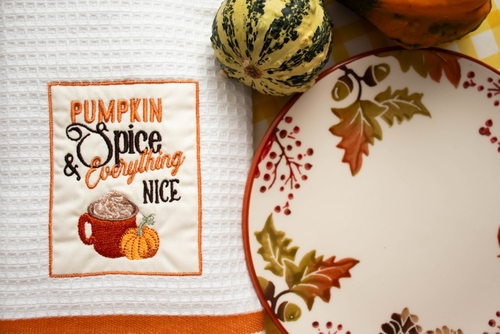
Previous generations had towels that “no one was allowed to touch,” especially in the guest bathroom. Millennials tend to see that as impractical and a little confusing. They prefer usable items that don’t require a checklist of rules. And honestly, the idea of policing towel usage feels exhausting.
Millennials are more likely to choose soft, absorbent towels in neutral colors that can be used by anyone. They look nice, but function comes first. This avoids having to maintain a separate set that just sits there collecting dust. It also simplifies laundry and keeps bathrooms more relaxed and lived-in.
2. Plastic Grocery Bags
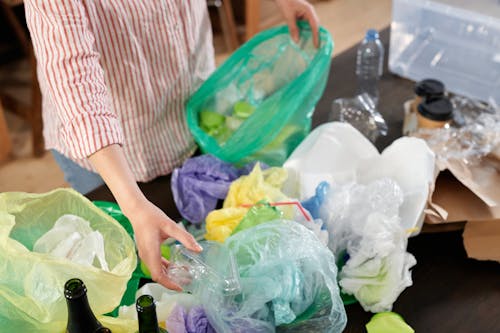
Millennials are far less likely to keep the giant stash of plastic grocery bags their parents had under the sink. Many cities have implemented bag fees or bans, so people in this age group grew up seeing the environmental impact more clearly. Reusable totes became a normal accessory rather than a novelty. And of course, no one wants to deal with a cabinet that explodes like a plastic confetti cannon every time it’s opened.
Instead, millennials often invest in a few sturdy, washable tote bags that last for years. This reduces clutter and makes trips to the store easier to manage. Many also prefer bags that fold into tiny squares and clip to a keychain. It’s a small lifestyle tweak, but one that feels practical and responsible.
3. Formal China Sets
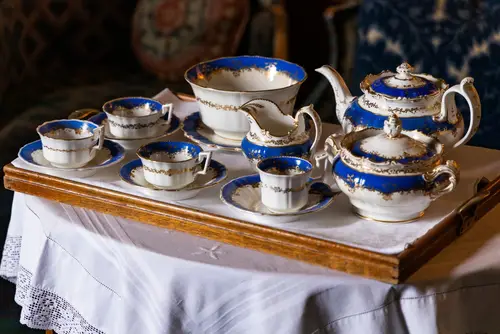
Their parents often had a china cabinet dedicated to ornate dishes that came out twice a year. Millennials, however, tend not to see the point in owning delicate plates that can’t go in the dishwasher. Many live in smaller homes or apartments, so storage space is too valuable for something rarely used. The cost of replacing fragile pieces also doesn’t align with budget-conscious living.
Instead, they choose durable, everyday dishware that still looks nice when hosting. Aesthetic stoneware or minimalist white sets fit both casual dinners and special occasions. These options usually handle heat, daily use, and clumsy hands better. It’s style without the pressure of treating dishes like museum items.
4. Expired Spice Collections
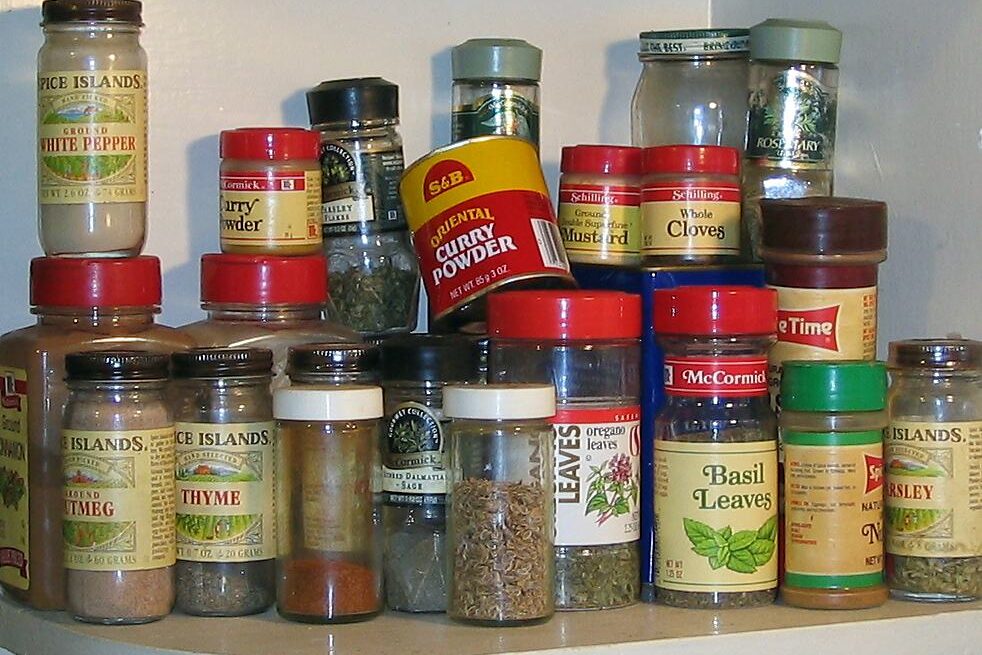
Many parents kept spice racks filled with jars older than their adult children. Millennials are more aware that spices lose potency over time, especially ground ones. They also cook with more diverse flavor profiles, so rotating spices is part of the routine. No one wants curry powder from 1996.
Instead, millennials buy smaller quantities and refresh them more often. They’re more likely to store spices in airtight containers away from heat and light. This keeps flavors vibrant and recipes consistent. It’s a simple shift that makes home cooking taste fresher.
5. Giant Paper Manuals

Past households often kept drawers full of paper manuals for every appliance ever purchased. Millennials usually toss them quickly because many companies now publish digital versions online. Searching a PDF is faster than flipping through a booklet anyway. And fewer papers means fewer junk drawers.
They often scan or bookmark the manuals they need most. Cloud storage keeps these files organized without taking up kitchen real estate. Some even use apps that store warranty info and product numbers. It creates a cleaner, more efficient approach to household reference materials.
6. Old-School Alarm Clocks

Parents often relied on clunky digital alarm clocks with glowing red numbers. Millennials tend to use their smartphones for everything, including waking up. It’s simply more convenient to adjust alarms on the go. And very few want yet another device occupying a nightstand.
Many millennials prefer minimalist bedside setups with multifunctional gadgets. Their phones double as alarms, white noise machines, and reminders. Some even use gentle sunrise simulation apps instead of jarring buzzers. It’s a tech-forward approach that reduces clutter.
7. Fake Fruit Decor

Artificial fruit bowls were once a surprising point of pride in many homes. Millennials generally find them outdated and unnecessary. They prefer real food or nothing at all for tabletop decor. Fake bananas don’t spark joy.
Instead, they might display fresh produce they actually plan to eat. Or they lean toward plants, candles, or simple centerpieces. These items feel more authentic and reflect modern aesthetic trends. Plus, real fruit looks better and smells better too.
8. Heavy Quilted Bedspreads
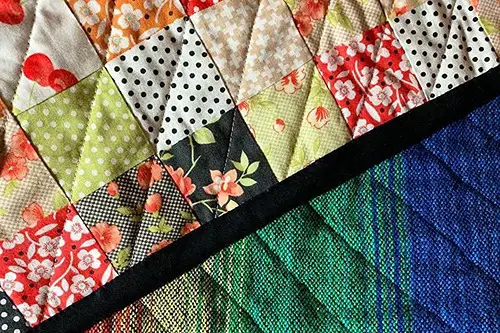
Parents often had stiff, ornate bedspreads that weighed as much as a medium-sized dog. Millennials favor lighter, layered bedding that’s easier to wash. A clean aesthetic matters, but so does the ability to throw everything into the machine without issue. Heavy bedspreads just don’t fit modern routines.
They typically choose duvets with washable covers or breathable quilts. This makes cleaning simpler and allows for easy seasonal adjustments. It also helps regulate temperature, which many find more comfortable. Practicality meets style in a way older bedding traditions didn’t prioritize.
9. Phone Books
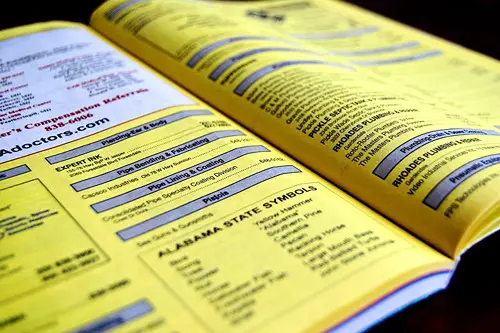
A thick yellow directory used to be standard in every household. Millennials rarely keep them because smartphones instantly provide the information those books contain. Most people find them bulky and outdated. They often go straight to recycling.
Digital solutions not only save space but stay constantly updated. Search engines and contact apps eliminate the need for flipping through alphabetical listings. Some millennials don’t even know when the last phone book was delivered. It’s a relic that simply doesn’t fit into modern life.
10. DVD Collections
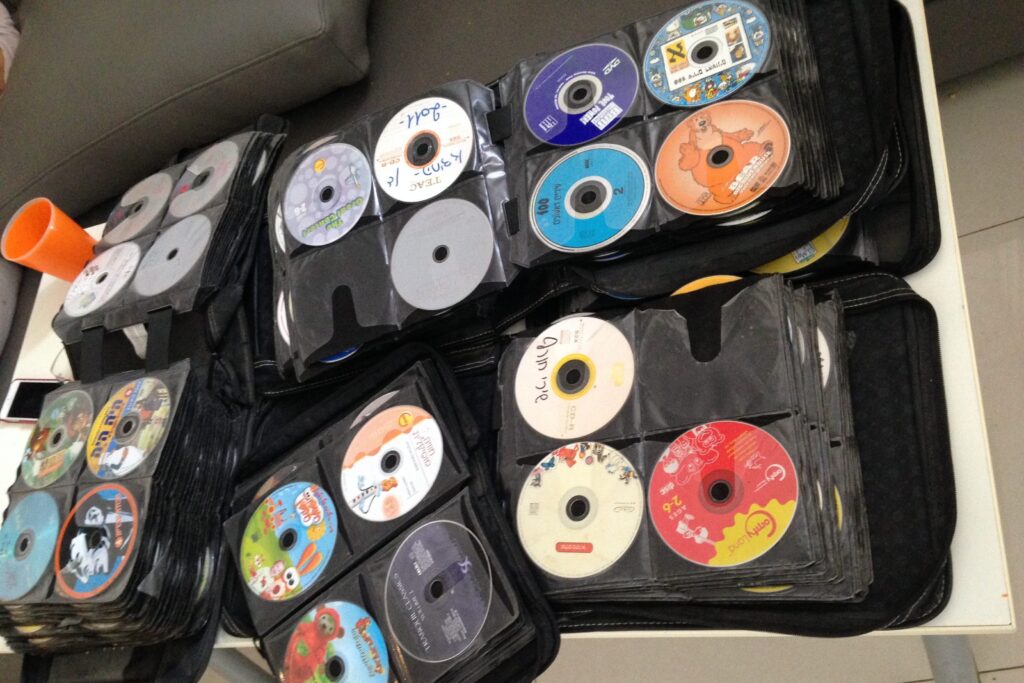
Parents often displayed shelves full of DVDs like a personal Blockbuster. Millennials tend to rely on streaming services instead, reducing the need for physical media. Large collections take up too much living space. And switching discs feels slow compared to clicking a title.
Some still hang on to beloved favorites, but overall collections are far smaller. Digital libraries are easier to organize and access. They also avoid issues like scratched discs or lost cases. Convenience wins out over nostalgia for most.
11. Patterned Couch Covers
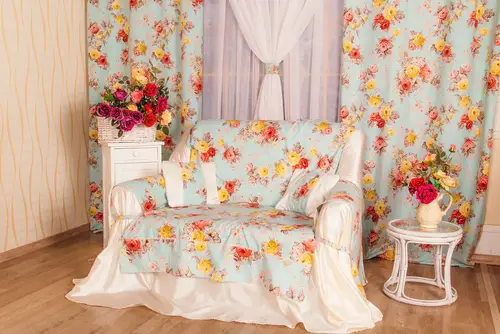
Older homes often had bold slipcovers designed to protect furniture at all costs. Millennials usually choose easy-clean fabrics or washable throws instead. They prefer furniture that can withstand real life without looking overly protected. Plastic or overly busy patterns feel outdated.
Newer fabrics are more stain-resistant and durable. Millennials often invest in pieces that age well rather than hiding them entirely. When they do use covers, they lean toward simple, neutral styles. Comfort and aesthetics go hand in hand.
12. Corded Landline Phones

Many parents insisted on keeping a home phone “just in case.” Millennials overwhelmingly skip landlines because mobile phones cover all communication needs. The cost for an extra service isn’t worth it. Plus, corded phones don’t fit into modern home layouts.
Instead, millennials rely on cellular plans, Wi-Fi calling, and messaging apps. These options are flexible and portable. If power outages are a concern, battery packs and car chargers fill the gap. It’s streamlined and practical for today’s lifestyles.
13. Displayed Souvenir Collections
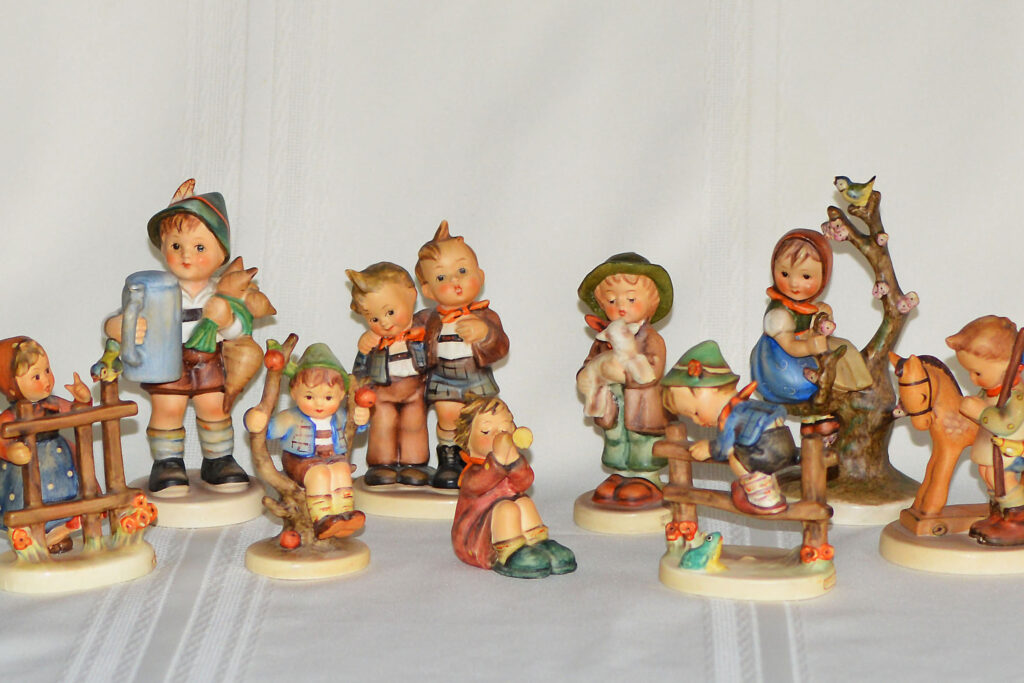
Parents often showcased souvenirs like spoons, bells, or figurines from travels. Millennials prefer to keep travel memories in photos rather than curated shelves of trinkets. They value minimal surfaces and clean lines. Dusting a hundred tiny statues just isn’t appealing.
When they do buy souvenirs, they choose functional items like local foods, art prints, or wearable goods. These items integrate into daily life instead of sitting untouched. It makes memories feel more meaningful and less cluttered. Experiences matter more than objects.
14. Wire Hangers

Closets in many parents’ homes were filled with dry-cleaner wire hangers. Millennials tend to upgrade to sturdier wooden or velvet ones because they protect clothing better. Wire hangers can stretch fabrics and create awkward creases. They also tangle easily.
Using higher-quality hangers helps clothes last longer. This aligns with millennial interest in sustainability and slower fashion. Organized closets also reduce daily stress. A small change makes a noticeable difference.
15. Overflowing Magazine Racks
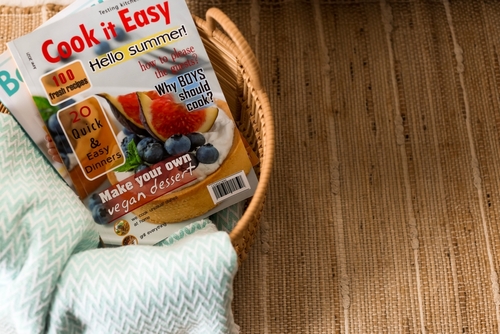
Parents often kept months’ worth of magazines stacked in baskets or racks. Millennials are less likely to keep physical magazines since most content is digital now. Print subscriptions have declined significantly. Extra stacks feel messy and wasteful.
When millennials do enjoy magazines, they tend to recycle them quickly or share them with friends. Some switch to digital subscriptions to save space. This habit keeps living rooms cleaner and more streamlined. It also cuts down on unnecessary paper accumulation.
This post 15 Household Items Millennials Refuse to Keep the Way Their Parents Did was first published on Greenhouse Black.
