
1. Hogging Multiple Spaces
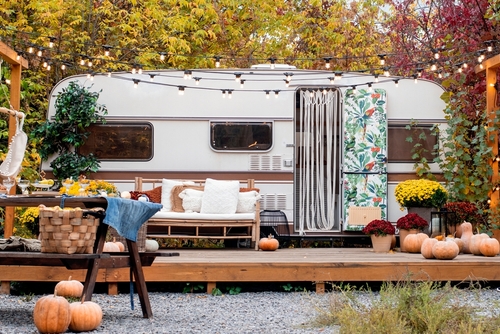
Some RV travelers park across several spots even when their rig would easily fit within the lines. This can frustrate other drivers who need those spaces, especially in crowded lots. It also signals that the driver didn’t take a moment to assess the layout. When a simple repositioning would do, taking extra space feels avoidable.
Parking this way often stems from wanting to avoid tight turns or tricky backing maneuvers. While that’s understandable, it can come across as inconsiderate to everyone else. Other travelers might assume the RV owner didn’t think about shared use of the lot. A little spatial awareness goes a long way toward showing respect.
2. Ignoring Designated RV or Oversize Spots
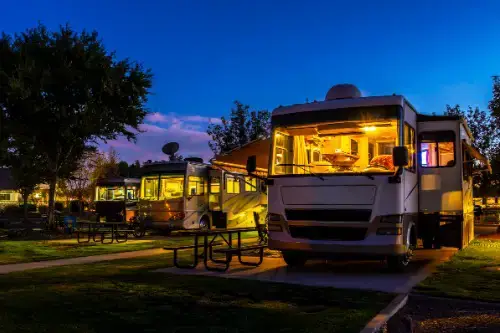
Many lots provide marked spaces specifically designed for larger vehicles. When RV travelers skip those and squeeze into standard spots, it disrupts traffic flow. It also forces longer vehicles into areas where they’re more likely to cause bottlenecks. Choosing the right spot shows an understanding of how the property is laid out.
Not using the designated area can create frustration for both drivers and pedestrians. People expect large vehicles to follow posted guidelines. When they don’t, it seems like the driver assumes the rules don’t apply to them. Taking the proper space keeps everyone safer and the lot more organized.
3. Parking Too Close to Entrances

Some RVers pull right up to store entrances to shorten their walking distance. The problem is that these areas are typically meant for quick loading or short-term stops. Blocking this prime space inconveniences people with mobility challenges who may genuinely need the closer access. It also makes the entrance area feel more chaotic.
This behavior often comes from not wanting to navigate a big vehicle in a busy lot. Even so, the choice can seem self-centered to others. People tend to interpret it as prioritizing convenience over courtesy. A short walk from a proper space usually solves the issue gracefully.
4. Leaving the RV Running While Parked
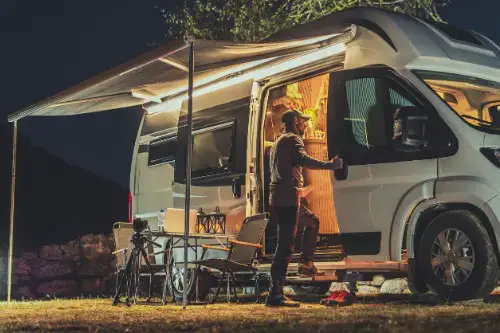
Idling an RV in a parking lot releases extra noise and fumes. Many people nearby may find it unpleasant or assume the driver doesn’t care about the environment. Sometimes the driver is simply running the AC or keeping appliances powered. Still, the impression it leaves isn’t always positive.
The habit can make bystanders feel like the RV traveler isn’t tuned in to their surroundings. Idling also increases fuel consumption unnecessarily. Choosing quieter, more efficient alternatives shows awareness and respect. It reflects an effort to coexist comfortably with others in shared spaces.
5. Setting Up Like It’s a Campsite
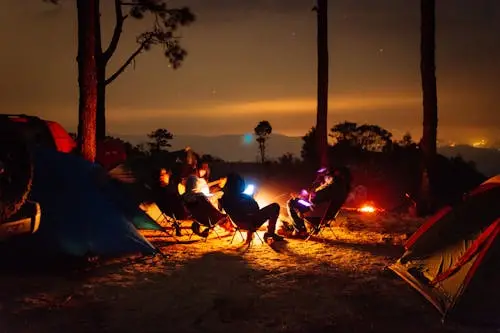
Some RVers extend awnings, place chairs outside, or even roll out mats in regular parking lots. While it may feel like harmless comfort, it makes the space look cluttered and obstructive. Parking areas aren’t designed for full setups, and this can confuse or inconvenience other drivers. It also gives the impression of overstaying.
This habit usually stems from wanting to relax between travel legs. But it can make others think the RV traveler expects special privileges anywhere they go. It’s better to save the full setup for actual campgrounds. Keeping things minimal in public lots helps maintain goodwill.
6. Blocking Visibility for Smaller Vehicles
Tall RVs placed near intersections or tight corners can significantly reduce visibility. Drivers in compact cars may struggle to see past the oversized vehicle. This can create unsafe conditions, especially in busy lots. The issue often goes unnoticed by the RV driver.
Being aware of how the vehicle affects sightlines shows responsibility. Parking farther from turns helps keep everyone safer. It also demonstrates thoughtfulness toward other drivers. A small change in spot selection can avoid major headaches.
7. Using “No Parking” Zones as Personal Space

Some travelers treat red curbs or striped areas as overflow parking. These spots are typically reserved for emergency vehicles or safe pedestrian movement. Parking there can cause confusion and potential safety risks. It also suggests the driver didn’t bother reading the markings.
Often, the RV owner just wants extra room to maneuver. But others see it as ignoring basic safety rules. Following posted restrictions shows consideration for how the property functions. Respecting these zones keeps the area safe and orderly.
8. Overlooking Height and Clearance Signs
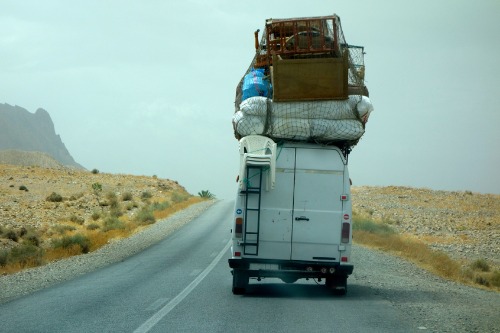
Low overhangs, tree branches, and roof structures can be real hazards for RVs. Some travelers drive into lots without checking posted clearances. This can lead to property damage or traffic jams when the RV gets stuck. It also signals a lack of preparation.
Paying attention to clearance signs is a straightforward way to prevent problems. It reassures others that the driver understands the limitations of their rig. People feel more at ease around RVs when the driver acts confidently and carefully. Being mindful of height avoids unnecessary drama.
9. Parking Overnight Where It’s Not Allowed
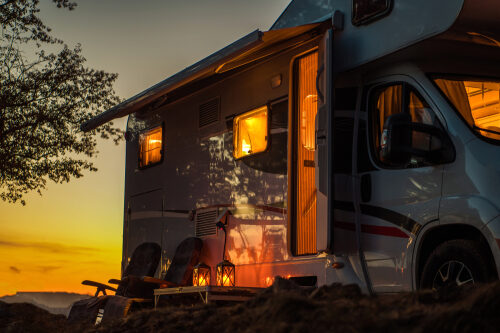
Many stores and plazas clearly state that overnight parking is prohibited. Staying anyway can strain relationships between RV travelers and local businesses. It sometimes forces property managers to take stricter enforcement measures. The result is frustration for everyone.
This habit often comes from fatigue or convenience rather than defiance. But it still communicates disregard for posted rules. Respecting these limits preserves the privilege of overnight parking in places that do allow it. It keeps the community’s trust intact.
10. Leaving Trash Behind

Some RVers leave food wrappers, packaging, or even gray-water residue in parking lots. This not only creates a mess but also harms the reputation of RV travelers as a whole. Cleaning crews and businesses end up dealing with the aftermath. It’s an avoidable problem.
Littering often happens when someone is in a hurry. But others see it as a sign of entitlement or laziness. Properly disposing of waste shows respect for the environment and the community. It also helps maintain positive perceptions of RV culture.
11. Parking Too Close to Other Vehicles
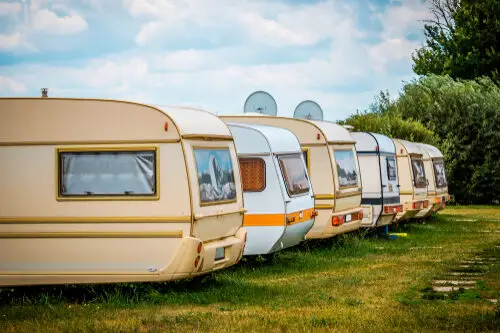
Large rigs parked inches from small cars can make people nervous. Even when the RV technically fits, the proximity feels intrusive. It also makes loading or unloading difficult for the neighboring driver. This can create unnecessary tension.
Choosing a wider, more open area conveys thoughtfulness. It allows everyone to enter and exit their vehicles comfortably. People appreciate when RV drivers give them a little breathing room. It turns what could be a stressful interaction into a smooth one.
12. Blocking Charging Station Access
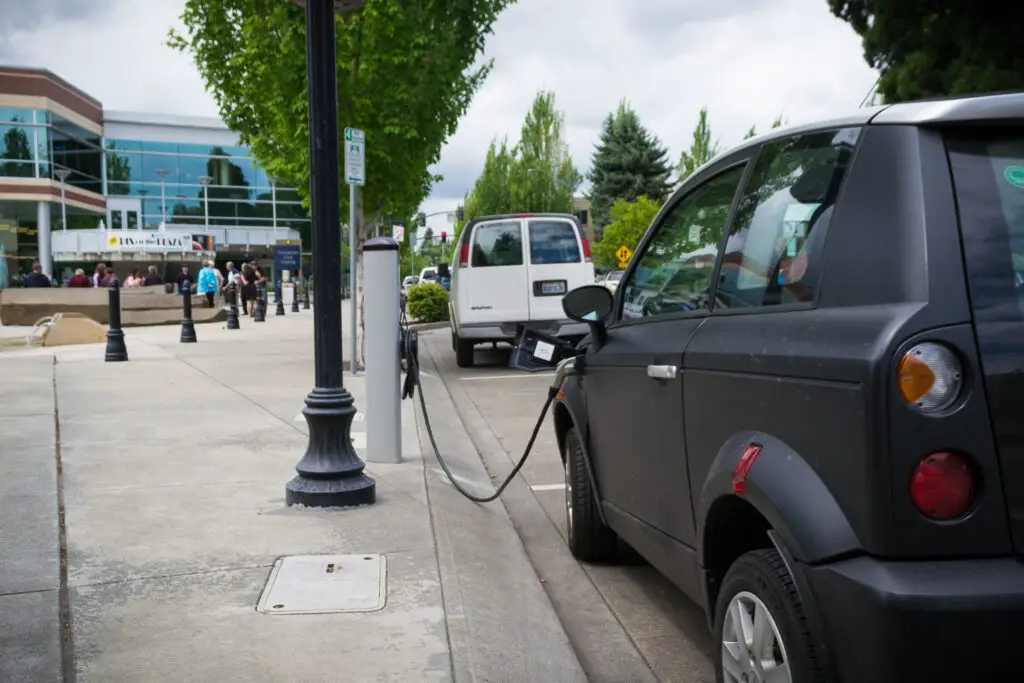
Electric vehicle chargers are often placed at the edges of lots, which RVers may see as convenient parking spots. When an RV sits in one of these bays, EV drivers can’t recharge. This can derail travel plans for people who rely on timely charging. It’s a growing point of frustration.
Most RVers don’t intend to block essential infrastructure. But the impact is still significant for EV owners. Choosing a different space avoids conflict and shows awareness of evolving parking needs. It’s a simple adjustment that keeps peace between travelers.
13. Taking Prime Spots During Peak Hours
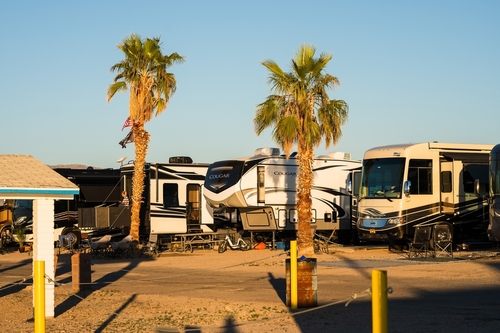
Some RV travelers grab the closest front-row spots at busy times. While not technically against the rules, it can feel out of touch given the size of the vehicle. These prized spots are often needed by people making quick stops or carrying heavy items. The RV ends up dominating the view and the flow.
Parking a bit farther away frees up valuable front spaces. It also reduces the risk of damage from tight maneuvering. People interpret this choice as thoughtful and community-minded. A small gesture like this improves everyone’s experience in shared parking areas.
This post 13 Parking Habits That Mark RV Travelers as Out of Touch was first published on Greenhouse Black.
