
1. They Do a Full Walkaround Before Starting the Engine
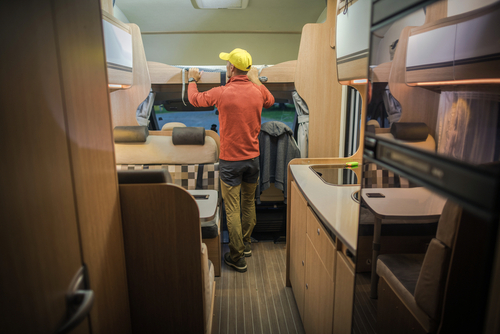
Experienced RVers swear by a slow, methodical walkaround because it catches little issues before they become big problems. They check tires for bulges, hoses for leaks, and make sure nothing is hanging loose underneath. They also confirm that all exterior storage bays are latched securely. This ritual gives them peace of mind and prevents a lot of roadside drama.
They repeat the walkaround even if they did one the night before because things can shift as temperatures change. They also verify that awnings and slide-outs are fully retracted. A quick look at the roofline helps them spot branches or debris left from the last campsite. This attention to detail is a major factor in avoiding early trip mishaps.
2. They Stow Everything so Nothing Can Slide or Fly

Experienced RVers secure every loose item because they know how easily objects can become projectiles on bumpy roads. They use bins, latches, and non-slip liners to keep their gear in place. Even seemingly harmless items like coffee mugs or remote controls get tucked away. They do this because one unexpected stop can send things flying.
They also double-check overhead cabinets to confirm they’re fully latched. They’ve learned that a slightly open cabinet can create a huge mess during travel. Kitchen items, toiletries, and electronics all get a designated travel position. This habit keeps the interior organized and minimizes cleanup time after arrival.
3. They Balance the Weight Before Pulling Out
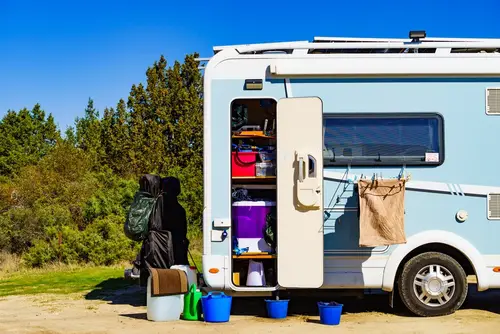
Experienced RVers pay close attention to weight distribution because it affects safety and handling. They know how much cargo each axle can bear and keep heavy items low and centered. They’ll shift water, tools, or gear if something feels uneven. This practice makes towing or driving smoother and less stressful.
They also routinely check tongue weight if they’re pulling a trailer. They adjust load placement until the rig feels stable during braking and turns. This prevents swaying, fishtailing, and uneven tire wear. With proper balance, the whole drive feels more controlled and predictable.
4. They Level and Secure Inside Systems
Experienced RVers verify that refrigerators, propane systems, and appliances are travel-ready. They switch the fridge to the correct mode, check that burners are off, and shut down any systems that shouldn’t be active while moving. They also make sure the water pump is off to prevent pressure build-ups. This helps protect equipment and avoids leaks or malfunctions.
They know that a forgotten appliance or valve can cause problems hours later. They also secure TV arms, shower doors, and sliding pantry shelves. These moving parts can cause damage if they swing freely. Ensuring everything is locked down makes travel quieter and safer.
5. They Program Navigation Before Moving
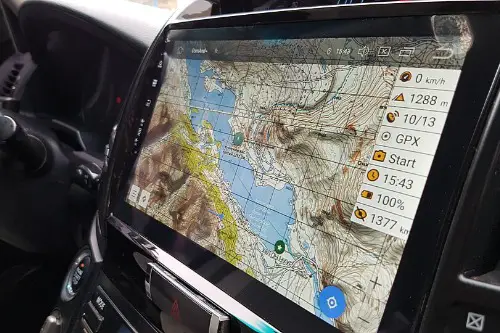
Experienced RVers plan their route while parked because pulling over to fix bad directions is harder with a large rig. They enter height, weight, and propane restrictions if their GPS allows it. They check for low clearances or roads not suited for RVs. This careful planning prevents stressful detours.
They also download offline maps in case they lose signal in remote areas. They review potential fuel stops and rest areas ahead of time. This eliminates guesswork later in the day. Having reliable navigation reduces fatigue and improves overall travel flow.
6. They Do a Light and Signal Test

Experienced RVers always test brake lights, turn signals, and running lights before leaving. They know that trailer light connections can loosen without warning. They either use a partner outside or a reflective surface to confirm everything works. This step keeps them compliant with road laws and safer on the highway.
They also check backup cameras to make sure lenses are clean. A quick wipe can dramatically improve visibility. If something doesn’t work, they troubleshoot immediately instead of discovering the issue miles later. This habit helps prevent accidents and avoids roadside repairs.
7. They Check Fluid Levels Every Travel Morning

Experienced RVers make checking oil, coolant, brake fluid, and windshield wash part of their routine. They understand that RV engines run long hours and need more frequent attention. They also keep an eye on generator oil if they use it regularly. These small checks prevent overheating and mechanical failures.
They give themselves extra time in case something needs to be topped off. They keep spare fluids onboard so they’re never scrambling to find a store. This preparedness helps them stay on schedule. It’s a simple step that protects expensive equipment.
8. They Confirm Tire Pressure and Temperature
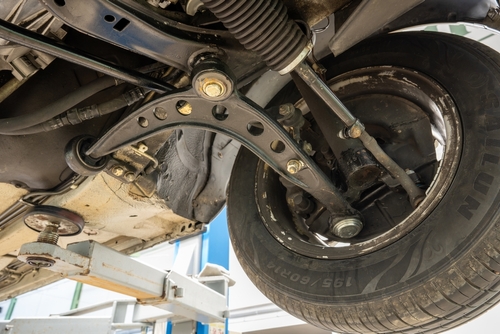
Experienced RVers monitor tire pressure because they know RV tires can lose air quickly. They use tire pressure gauges or monitoring systems to get accurate readings. They check all tires, including spares, to ensure consistency. Proper pressure reduces blowout risk and improves fuel efficiency.
They also check temperature changes after driving for a bit. Uneven heat can indicate alignment or bearing issues. This helps them catch mechanical problems early. It’s a ritual that keeps them safer on long stretches of highway.
9. They Secure Pets Before Rolling Out

Experienced RVers know that pets need safe travel spaces just like people. They use harnesses, carriers, or designated pet areas to keep them secure. They avoid letting animals roam freely while driving. This protects both the pets and the driver.
They also prepare water and ventilation so pets stay comfortable during the drive. They set up familiar blankets or toys to reduce anxiety. They plan breaks for exercise and bathroom stops. Making pets part of the routine leads to calmer, safer travel days.
10. They Double-Check the Tow or Hitch Connection
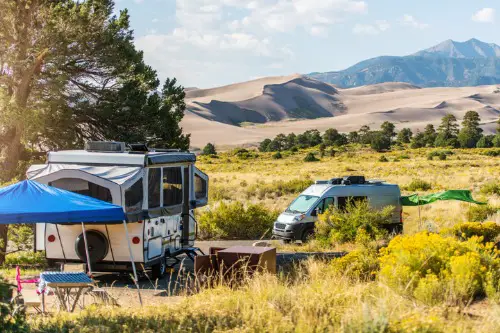
Experienced RVers inspect hitches carefully because towing failures can be catastrophic. They confirm that safety chains, breakaway cables, and locking pins are correctly attached. They verify that the hitch is fully seated and locked. This gives them confidence once they hit the road.
They also check for unusual sagging or angles. They re-check after the first few miles because things can settle. They listen for strange noises that might signal a loose connection. This diligence keeps both their RV and everyone else on the road safer.
11. They Review Their Departure Checklist Out Loud

Experienced RVers rely on checklists because they remove guesswork. They often read the list out loud to ensure nothing is skipped. Items like power cords, wheel chocks, and sewer caps are easy to forget in the rush. Using a checklist keeps the process consistent every time.
They’ll update the list as they learn new lessons. They also keep printed or digital versions accessible. This habit reduces stress by providing structure. Even seasoned travelers depend on checklists to stay organized.
12. They Set a Realistic Driving Window

Experienced RVers avoid marathon driving days because they know fatigue leads to mistakes. They choose arrival times that allow daylight for parking and leveling. They keep daily mileage realistic so they don’t feel rushed. This helps protect their mood and their safety.
They also build in extra time for fuel stops, construction, and unexpected delays. They prefer to stop while still feeling alert rather than pushing onward. This mindset makes travel days more enjoyable for everyone. It’s one of the clearest markers of seasoned RV wisdom.
This post 12 Travel-Day Rituals That Separate Experienced RVers From Newbies was first published on Greenhouse Black.
