
1. Chimney Starter (for Charcoal Grills)
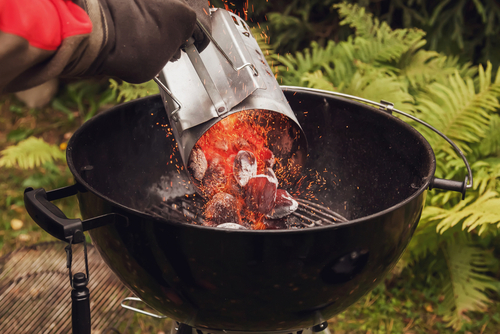
This metal cylinder looks intimidating, especially with its open flame potential. You fill it with charcoal, light the bottom, and wait for the coals to glow, but the steps aren’t obvious. Many have only used gas grills and don’t recognize the tool at all. It seems more dangerous than it actually is.
A chimney starter is one of the safest ways to light charcoal without lighter fluid. It ensures even heating and reduces chemical taste. Once someone learns the sequence, it becomes almost automatic. But without exposure, the device stays a mystery in the grilling world.
2. Iron and Ironing Board
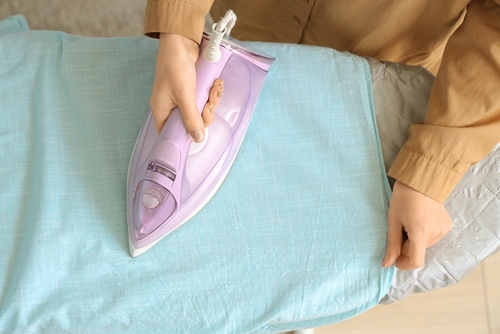
Because wrinkle-release sprays and steam dryers are everywhere, ironing isn’t a familiar task to many. Some have never unfolded an ironing board and may not know how to lock it in place. The combination of steam, heat, and fabric settings can feel intimidating. It’s easier to grab a wrinkle-free shirt than to learn a whole appliance.
But ironing is still the gold standard for crisp clothing when needed. Without knowing the fabric settings, it’s easy to scorch a shirt or leave shiny patches. The board itself is surprisingly large and awkward, which discourages casual use. As a result, this basic domestic tool feels less like a necessity and more like a skill from another era.
3. Rotary Egg Beater
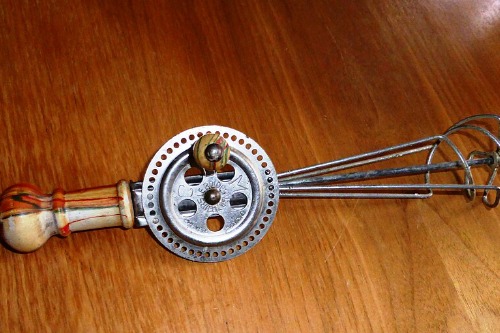
This hand-cranked mixer predates electric beaters, so many have never touched one. It requires a steady hand and consistent turning speed to work properly. If you don’t angle it right in the bowl, it splashes everywhere. Precision matters more than expected for such a simple-looking device.
Despite that, rotary beaters are still sold because they’re quiet and don’t need electricity. They’re great for whipping small amounts quickly, but that benefit isn’t obvious if you’ve only used electric mixers. The gears can stick without proper cleaning, making them confusing to operate. So this tool remains functional but rarely understood by younger users.
4. Sewing Machine

Most Gen Zers have done minor clothing fixes with fabric glue or quick patches, but a sewing machine feels like heavy machinery. Threading it is an especially notorious challenge—there are paths, loops, and bobbins involved. If one step is wrong, the stitches jam instantly. That’s not exactly beginner-friendly.
Once learned, though, a sewing machine can save a wardrobe. Basic repairs revive clothes instead of tossing them. Still, without hands-on teaching, the process seems overly complex. That complexity alone makes many avoid the machine entirely.
5. Handheld Citrus Juicer

This tool looks intuitive, but it’s surprisingly easy to misuse. Many people place the citrus half facing the wrong direction, which crushes the peel instead of pressing the juice. It results in weak, messy squeezing and very little liquid. The correct method isn’t obvious at first glance.
When used properly, though, it extracts juice fast and with impressive efficiency. The design relies on compressing the fruit inside-out, which is why orientation matters so much. Without knowing that, the results feel disappointing. So the gadget gets a reputation for being less useful than it really is.
6. Meat Thermometer (Analog)

Digital versions are common, but the old-fashioned dial style can confuse younger cooks. You have to know where to insert it—deep in the thickest part without touching bone. Reading the tiny temperature lines feels like deciphering a miniature clock. Many skip it and hope the food is “done enough.”
But analog thermometers are still reliable and don’t need batteries. They’re inexpensive, durable, and accurate when used correctly. The learning curve lies in placement and timing since you must wait for the needle to settle. Without practice, that patience isn’t second nature.
7. Carpet Beater

This tool seems like something from a history book, yet plenty of households still use them for area rugs. It involves taking rugs outside and beating dust out manually. Since vacuums dominate modern cleaning, younger people often don’t recognize the purpose. It looks decorative rather than functional.
Despite appearances, carpet beaters work extremely well. They remove embedded dust that vacuums struggle with. The physical effort involved is noticeable, though, which can make the tool feel outdated. As a result, many aren’t familiar with it at all.
8. Drain Snake
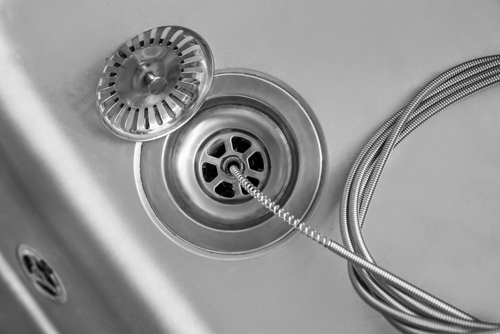
A drain snake isn’t complicated, but using it correctly takes confidence. You must feed it into the pipe slowly and rotate the handle to break through clogs. Without experience, the metal coil feels like it might damage something. So people often default to chemical cleaners instead.
However, a snake is safer for pipes than many chemicals. It physically removes hair and debris rather than dissolving them. The trick is understanding how far to insert it and when to twist. Without guidance, most avoid it out of fear of making things worse.
9. French Press

Coffee lovers know this tool well, but many still find it intimidating. There’s a specific ratio of grounds to water, plus timing the brew before plunging. If the grind size is wrong, the coffee becomes silty or too weak. That sensitivity can make the process feel overly fussy.
Yet the French press is one of the simplest brewing devices once understood. It’s just steeping and pressing, not complex machinery. The key is a coarse grind and a four-minute brew. Without those basics, though, the results are hit-or-miss.
10. Manual Hand Drill
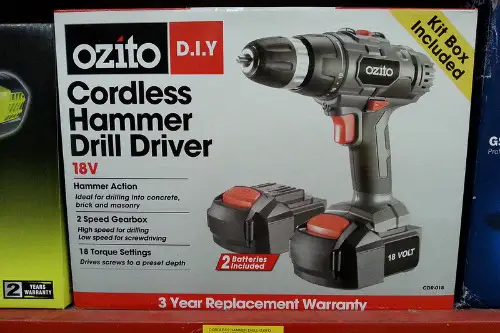
This tool predates battery-powered drills and requires manual turning. It’s easy to misalign the bit or apply uneven pressure, causing wobbling. Since power tools dominate workshops, many younger users have never seen one. It feels strangely primitive compared to a cordless drill.
Still, hand drills offer impressive control for small projects. They’re safer, quieter, and great for delicate materials. The issue is simply familiarity—people assume they’re obsolete. But they remain practical for certain tasks even today.
11. Garment Steamer
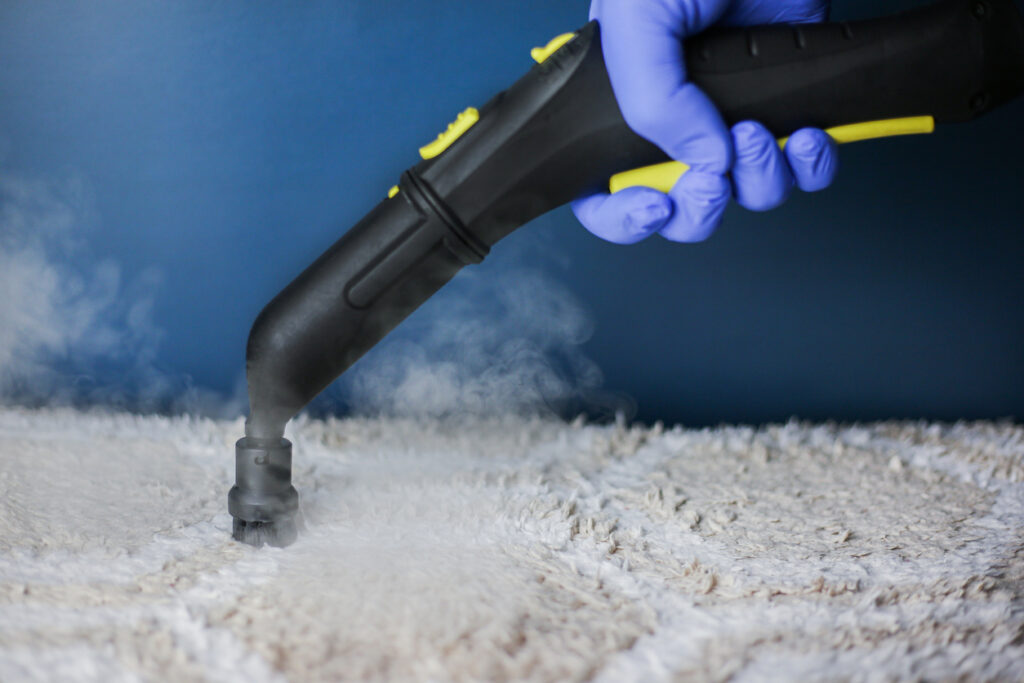
Steamers seem straightforward, but using them effectively takes practice. You need slow, downward strokes and the right distance from the fabric. Many people rush the process and leave wrinkles behind. Others don’t realize the tank must be fully heated before steaming works well.
When used correctly, steamers are extremely efficient. They’re gentler than irons and work on most fabrics. But the lack of crisp lines can confuse users expecting iron-like results. That mismatch in expectations makes the tool seem ineffective.
12. Manual Can Opener
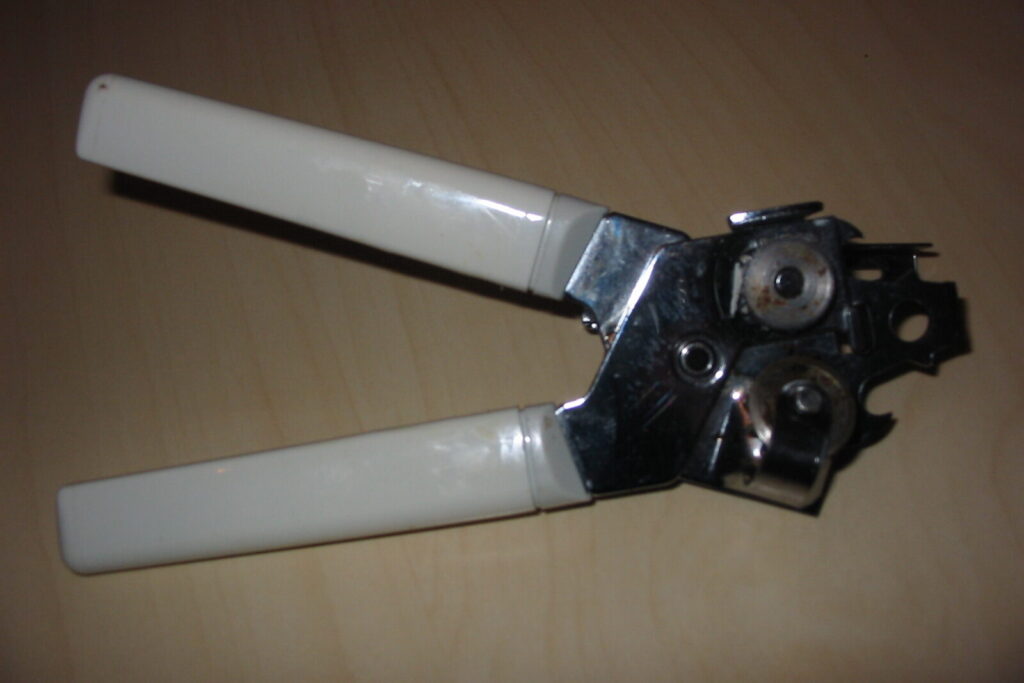
You’d think this little metal tool would be universal, but many younger folks raised on pop-top cans find it confusing. The twisting motion and the need to hook the blade just right can feel oddly mechanical compared to electric openers. Even the orientation of the opener—side-cutting or top-cutting—throws some people off. This makes it a surprisingly common stumbling block in first apartments.
Once someone learns how it actually grips the rim, though, it becomes intuitive. The challenge isn’t intelligence; it’s lack of exposure. Many Gen Z households grew up using microwavable soup cups or cans with built-in tabs. So the manual can opener survives mostly as a relic that still sneaks into kitchen drawers.
13. Box Grater
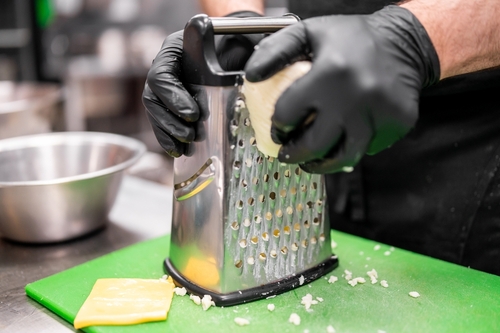
This metal tower of sharp edges looks more dangerous than useful to many younger cooks. Each side does something different, yet the tool rarely comes with instructions. Without knowing which surface is for shredding, zesting, or shaving, the results can be inconsistent. The fear of scraping knuckles doesn’t help either.
Despite the learning curve, a box grater is incredibly versatile in the kitchen. It handles cheese, vegetables, zest, and even stale bread for homemade crumbs. Once someone learns the correct angles and pressure, it becomes surprisingly efficient. But until then, it feels like a risky relic from a pre-food-processor era.
14. Manual Potato Masher
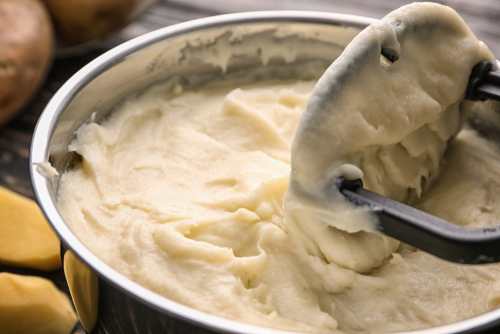
This simple-looking tool confuses people who grew up with electric mixers or instant mashed potatoes. Its wavy metal plate doesn’t obviously communicate how it should be used. Many press straight down repeatedly instead of using a rocking motion, which makes the process harder than it should be. The result is inconsistent texture and unnecessary frustration.
When used correctly, a potato masher gives a rustic, fluffy finish that machines can’t quite replicate. It’s perfect for small batches and doesn’t require electricity or cleanup of multiple parts. The key is gentle pressure and angled movements, not brute force. But without seeing someone demonstrate it, the tool feels oddly unintuitive.
15. Window Squeegee
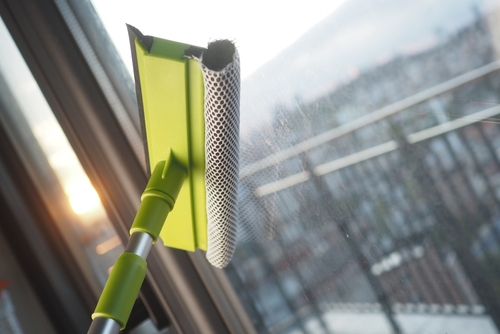
Most Gen Zers associate streak-free windows with spray cleaners and paper towels. A squeegee, however, works on a completely different principle involving smooth, continuous pulls. If the blade angle is off, streaks and drips appear instantly. This makes the tool seem ineffective despite its professional-level results.
With proper technique, a squeegee cleans glass faster and more thoroughly than most disposable methods. It cuts down on waste and leaves a polished finish. The trick is overlapping strokes and wiping the blade between passes. Without that bit of know-how, the tool gathers dust under a sink.
16. Whisk (Balloon Style)
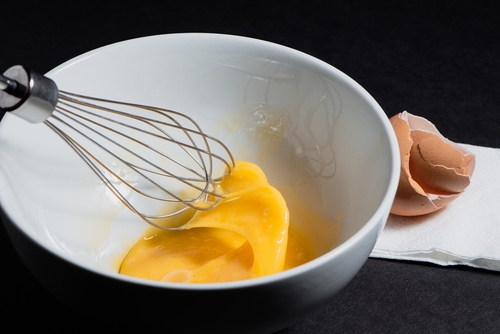
Even though whisks are everywhere, many people don’t actually know how to wield them efficiently. They often stir in circles, which barely incorporates air. Proper whisking involves quick, side-to-side motions that lift and blend ingredients. Without this technique, mixtures stay lumpy and frustrating to fix.
A balloon whisk is designed for aeration, not just stirring. It makes whipped cream, scrambled eggs, and batters noticeably lighter when used properly. Once someone experiences the difference, the tool suddenly makes sense. But without that experience, it feels like a redundant kitchen extra.
17. Clothesline and Clothespins

Dryers dominate modern homes, so many younger people have never hung clothes outside. The process seems old-fashioned and oddly technical, with pin placement affecting how garments dry. Wrong positioning can leave awkward creases or cause items to fall off entirely. The whole setup feels slow compared to tossing everything into a dryer.
Yet air-drying is gentler on fabric and saves significant energy. It helps clothes last longer and reduces shrinking or fading. Clothespins allow for strategic placement that improves airflow and reduces drying time. But without growing up around this practice, the technique remains unfamiliar.
18. Mortar and Pestle

This stone or ceramic set looks like ancient kitchenware to many Gen Z cooks. They’re used to pre-minced garlic or packaged spice blends and rarely see grinding as a necessary step. Using the pestle with a pressing-and-twisting motion isn’t instinctive at first. Most people either pound too hard or barely press at all.
When used right, a mortar and pestle releases fresh flavors that pre-ground spices can’t match. It’s ideal for pastes, rubs, and herbs that shine when freshly crushed. The tactile control helps customize texture in a way machines can’t replicate. But without instruction, the tool feels like an archaic novelty.
19. Floor Squeegee
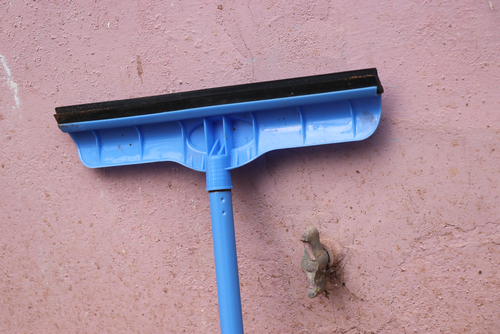
A floor squeegee looks like a broom’s strange cousin, leading many to misinterpret its purpose. It doesn’t sweep, and it doesn’t mop, so its role isn’t immediately clear. The flat rubber edge is meant for pushing water, not scrubbing. As a result, people often try to use it incorrectly and get poor results.
In reality, a floor squeegee is perfect for garages, patios, and bathrooms. It moves water quickly and prevents puddles that attract dirt. With the right technique, it’s faster than mops for large spills or wet surfaces. But without firsthand experience, it remains one of the most misunderstood domestic tools around.
This post 19 Domestic Tools Gen Z Has No Idea How to Use was first published on Greenhouse Black.
