
1. Miami Beach
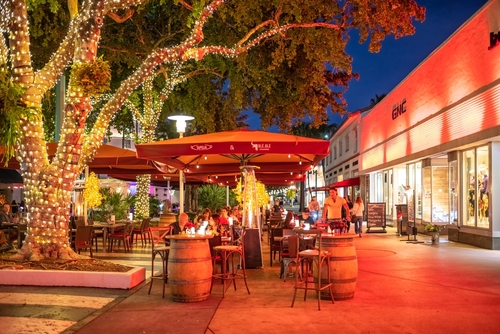
Miami Beach has seen a drop in its population in recent years, which feels surprising given its glitzy reputation. This shift suggests that the pressures of housing costs, zoning, and tourism may be pushing out long-term residents. For many, the city is becoming more of a transient playground than a stable hometown. The vibe people talk about is one where the sidewalks still glitter — but fewer people actually live there now.
This decline is more than anecdotal: as local data shows, Miami Beach is among the few major Florida cities with a net negative population change. That means city leaders and planners are likely dealing with serious implications for affordable housing, schools, and community cohesion. For a “ghost-town” framing, Miami Beach is emblematic not of abandonment, but of rapid transformation — a place where luxury and tourism may be winning at the expense of rooted, everyday life.
2. North Miami
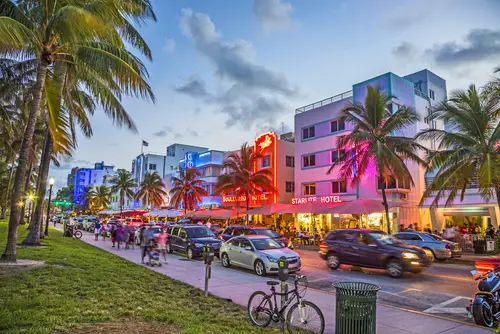
North Miami has quietly lost population too, according to recent municipal estimates. It’s a suburban-jungle in many ways — close to big urban centers, yet facing its own affordability and demographic challenges. For residents who’ve lived there for a long time, this decline feels like a small exodus: some are leaving for cheaper suburbs, others are choosing to rent out their homes more often. The risk is that community institutions — local businesses, schools — could begin to feel the strain.
Because North Miami is part of the broader South Florida metro, its decline is especially significant: it shows that the outward growth many expect isn’t always translating to stability for all cities. City officials may need to reckon with how to keep housing accessible while maintaining a sense of place. In your “ghost town” framing, it’s a place that’s not disappearing, but subtly hollowing out. And that makes it all the more compelling as a case study in housing-driven demographic change.
3. Miami Gardens
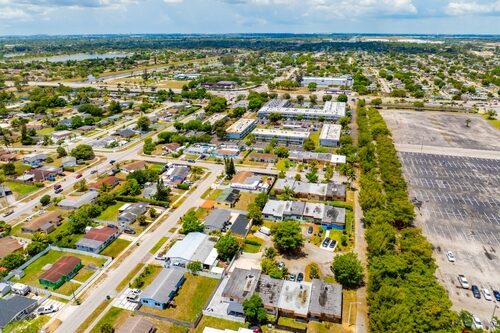
Miami Gardens’ population dip is small but meaningful in a city of its size. The change hints at a deeper story: perhaps rising costs, changing job markets, or shifting family patterns are behind it. Long-time residents sometimes tell stories of neighborhoods where houses that once sheltered full families are now more likely short-term rentals or vacant more often. That shift eats away at the sense of rooted community.
What’s striking is that this isn’t an isolated suburban outlier — it’s happening in a city that has been a backbone for culturally rich, working-class life. Losing people, even gradually, threatens local institutions: churches, high schools, mom-and-pop shops may all feel the pinch. For your listicle, Miami Gardens offers a picture of a city grappling with the unintended consequences of Florida’s broader housing and economic dynamics.
4. Hialeah
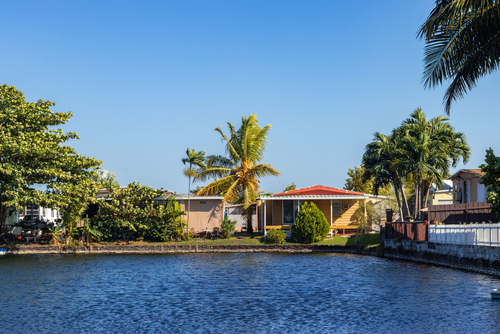
Hialeah is often thought of as a bustling, dense community — but even here, population isn’t safe. Recent data shows it has experienced a decline, which points toward tension between affordability, jobs, and long-term residency. Some longtime residents may be relocating because of shifting job prospects or cost burdens, especially as housing and insurance costs rise. For a place that’s always had tight-knit communities and a strong identity, a population drop can feel emotionally heavy: it’s not just numbers, but neighborhood history in flux.
Because Hialeah is so central to Miami-Dade County, its decline matters: it reflects changes at the heart of Florida’s urban core, not just in its beach cities or exurbs. If people are leaving Hialeah, city leaders need to ask why: Is it insurance? Taxes? Housing stock not matching what locals want? In your “ghost-town” narrative, Hialeah is powerful — an example of how even deeply rooted, working-class cities can get hollowed out when housing economic trends go awry.
5. Key West
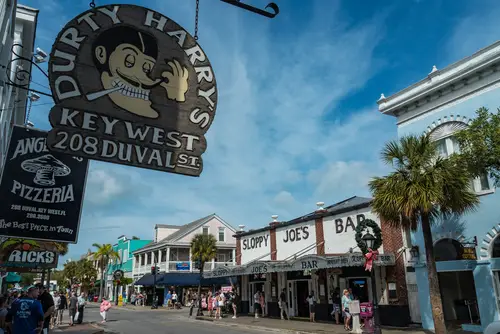
Key West is perhaps the most evocative “ghost town” on this list: a tropical paradise that, on paper, is actually shrinking. Between 2020 and 2023, its estimated permanent population dropped noticeably, as second homes, short-term rentals, and the cost of living squeeze out long-term locals. Islanders talk about how their community feels less stable, more tourist- and investor-driven, with fewer year-round families. That shift makes Key West feel less like a living, breathing town and more like a stage set for vacationers.
For a housing-problem story, Key West is gold: climate risk, sky-high insurance, and real estate pressure all converge there. The decline is not just a demographic footnote — it’s a signal that even paradise has limits when it comes to keeping a real, local community alive. It’s a vivid reminder that “ghost town” doesn’t always mean abandoned — sometimes it means transformed beyond its original soul.
6. Virginia Gardens
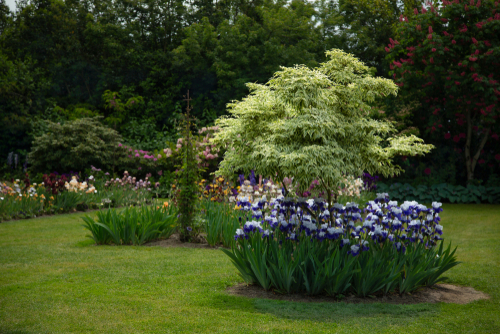
Virginia Gardens is a small but telling case: a residential pocket that has seen population decline in recent municipal estimates. This city isn’t flashy — it doesn’t have tourist beaches or broad citywide glamour — but that makes its decline all the more poignant. When people leave a place like Virginia Gardens, you can almost feel the quiet: fewer children at school, less foot traffic, a shrinking tax base. Community cohesion frays when long-term residents pack up, and that’s hard to capture in statistics, but it’s real.
In the context of a “2026 Housing Problem,” Virginia Gardens represents how affordability stress and demographic change ripple outward from core metros into smaller, quieter neighborhoods. It’s not dramatic, but it’s deeply human: a place where people once planted roots, but now some are wondering if they can stay. For your listicle, it serves as a powerful underdog story — a reminder that population decline isn’t just in big cities, but in small corners of Florida too.
7. Palatka
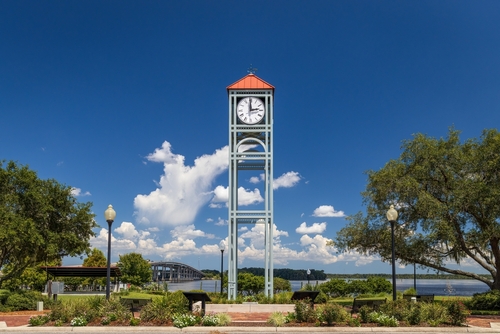
Palatka has seen a population dip over the past decade, slipping from just over ten thousand residents to slightly fewer by 2020. Locals often talk about the shift in storefront activity downtown, where some businesses thrive seasonally but struggle year-round. Housing availability hasn’t been the main issue — instead, it’s economic opportunity, especially for younger workers. When jobs don’t grow, people quietly drift away, leaving behind neighborhoods that feel just a bit emptier than before.
What makes Palatka particularly interesting is how much potential it still has, thanks to its waterfront and historic charm. Residents sometimes describe the town as “paused,” waiting for the next wave of revitalization to stick. But until there’s stronger job retention, those population declines may continue. It’s the kind of place where the quiet is both peaceful and a little unsettling — perfect for your “ghost town”-style framing.
8. Perry
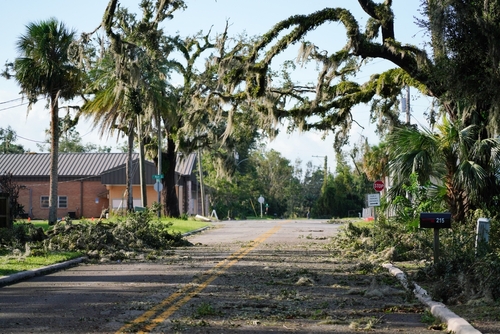
Perry experienced a clear population decline between 2010 and 2020, making it one of Florida’s more noticeable small-city shrinkages. It’s a timber and manufacturing town at heart, and shifts in those industries have nudged families toward bigger job markets. Residents say you feel the loss most in the little things — fewer kids on bikes, fewer teams for youth sports, fewer familiar faces at the grocery store. That slow, steady thinning creates a vibe of a town that’s still proud, but undeniably quieter.
The housing market in Perry hasn’t boomed the way many Florida cities have, which means fewer newcomers to balance the outflow. This can put pressure on local taxes and services, even though costs haven’t skyrocketed like in coastal cities. Perry also contends with limited rental options, making it harder to attract younger workers or remote employees. All of this adds up to a slow fade, not a collapse, but one that fits well in a list about shrinking Florida communities.
9. Belle Glade
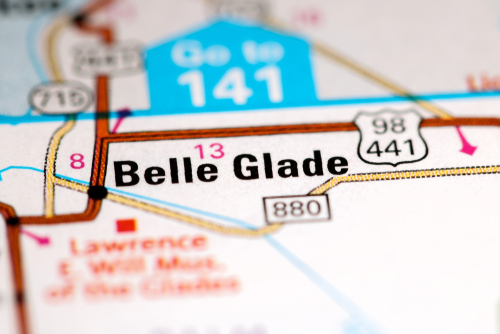
Belle Glade has been losing residents for years, reflecting long-term economic changes in the agricultural industry. Older residents often talk about how the town used to bustle during harvest seasons, with full schools and busy streets. Now, job availability has shifted, and much of the area’s employment base doesn’t draw enough newcomers to replace those moving out. That creates a hollowed-out feel — not abandoned, just stretched thin.
Housing here is relatively affordable, but affordability alone doesn’t guarantee population growth. Without diversified job opportunities, younger families often relocate to more stable or better-paying areas. The result is a city that still has deep cultural roots but fewer people anchoring them. Belle Glade’s decline offers a compelling contrast: a place where the housing isn’t the problem, but the economic ecosystem around it is.
10. Pahokee
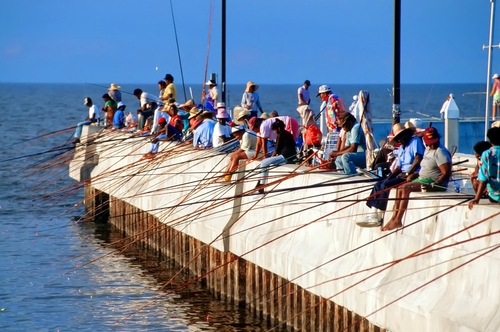
Pahokee, like neighboring Belle Glade, has seen its population shrink from 2010 to 2020. Known historically for its agricultural identity, the town has struggled to bring in new industries that keep residents local. People who grew up there often describe the emotional weight of watching familiar homes go empty or seeing classmates scatter across the state. It’s a quiet erosion rather than a dramatic collapse, but it’s unmistakable.
Housing availability isn’t an issue here — the question is whether people want to stay when job prospects are limited. Schools, local teams, and community events feel the strain of declining enrollment. The story of Pahokee is therefore one of resilience mixed with dwindling numbers: a proud community navigating a challenging future. In your list, it adds a rural dimension to Florida’s population-loss landscape.
11. Blountstown
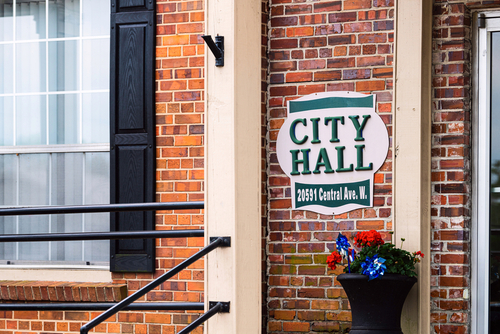
Blountstown’s population dropped between 2010 and 2020, and residents say it’s been a gradual, visible change. Small towns feel population loss intensely because every person matters — fewer volunteers, fewer workers, fewer customers. Some longtime families have left due to limited local employment or to chase better housing opportunities in other counties. That creates a sense of spacious quiet that’s charming to some and unsettling to others.
Housing here tends to be affordable, but the town doesn’t see the influx of newcomers that might stabilize numbers. Younger adults frequently leave for college or work and don’t return, which fractures generational continuity. As those numbers shrink, public services and businesses face tough decisions about how to operate sustainably. Blountstown shows how even stable rural towns can slowly slip into lower population as the economic landscape shifts.
12. Apalachicola
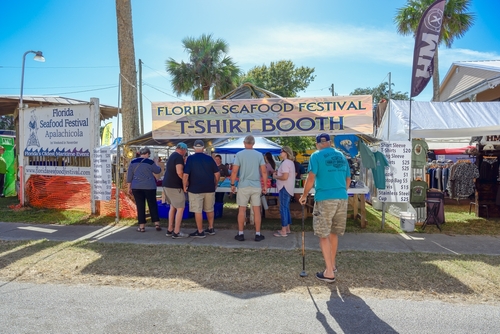
Apalachicola has seen a population decline over the past decade, tied partly to shifts in its maritime economy. Once heavily supported by oyster industries and fishing, the town has struggled as those sectors faced environmental and regulatory pressures. Residents have spoken about how the workforce has thinned, with some families relocating to places offering more consistent income. The decline isn’t dramatic, but the feeling of contraction is noticeable.
Housing in Apalachicola is affected by its attractiveness to second-home buyers, which can raise prices without increasing year-round population. That dynamic means the town can appear lively during tourist seasons but noticeably empty the rest of the year. The gap between visitors and permanent residents keeps widening, making Apalachicola feel partially lived-in. For a “ghost town”-style list, it’s a striking case of a place where beauty and decline coexist.
13. Quincy
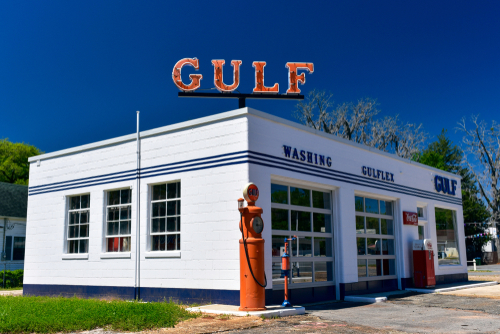
Quincy’s population has been trending downward over the last decade, reflecting broader rural-area migration patterns in North Florida. Residents often describe how the once-busy downtown feels calmer now, with fewer local shops staying open late. The job market hasn’t kept up with regional shifts, pushing younger adults toward Tallahassee or even out of state. That steady drain leaves a noticeable gap in community life and local institutions.
Housing prices here remain relatively low, but affordability alone hasn’t been enough to keep numbers stable. Even with available homes, many potential newcomers choose areas with larger job hubs. This mismatch between housing stock and economic opportunities creates a slow, ongoing population contraction. Quincy’s story fits well on your list because it shows how decline can come quietly, even without dramatic economic shocks.
14. Live Oak
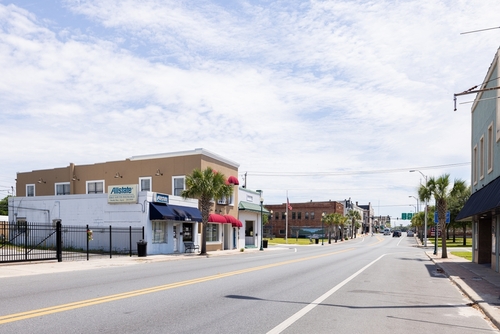
Live Oak has experienced population loss in recent years, tied partly to local economic stagnation and limited industry diversification. People who grew up there often talk about how the town feels quieter now, especially on weekday evenings. The decline in certain agricultural and manufacturing jobs has pushed residents to relocate for more reliable work. As those departures accumulate, the character of the town begins to shift in subtle but meaningful ways.
Housing isn’t scarce in Live Oak, but the problem lies in attracting and retaining younger households. Without strong job pipelines, available homes sit longer, contributing to a sense of slowed momentum. Schools and small businesses sometimes struggle to maintain the enrollment and customer bases they once had. Live Oak captures the essence of a town gradually thinning, not collapsing but undeniably shrinking.
15. Marianna
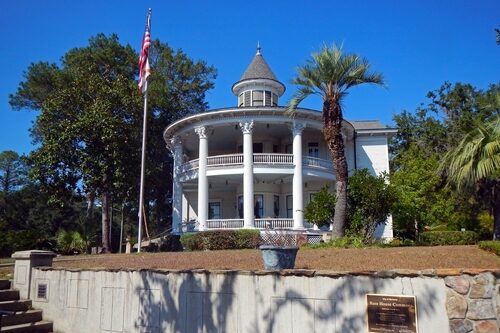
Marianna has seen a population decrease from 2010 to 2020, and the effects are visible to longtime residents. Storm damage, economic shifts, and limited job growth have each played a part in nudging people to move elsewhere. Neighborhoods that once had steady occupancy now show more turnover or occasional vacancies. While the city retains its historical charm, it has fewer people around to sustain the pace it once had.
Housing availability hasn’t translated into population growth because many departing residents seek stronger employment opportunities. Younger families in particular often relocate to larger cities or counties better equipped with healthcare and education resources. That slow outward migration creates long-term pressure on local services and business vitality. Marianna rounds out your list as another example of a community managing both the beauty and the burden of gradual decline.
This post 15 Florida Cities Turning into Ghost Towns – 2026 Housing Problem was first published on Greenhouse Black.
