
1. Water Filtration Tablets
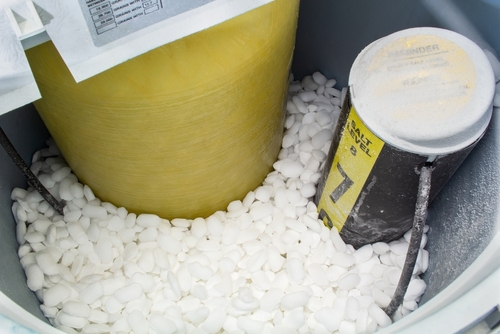
Water filtration tablets stay in high demand whenever people worry about clean water access. Because they’re compact and inexpensive, they tend to sell out quickly during emergency prep surges. They also rely on chemical supply chains that can slow down during global shipping delays. That makes them a smart item to grab before they become harder to find.
They’re also a great redundancy option even if you already own a filter. Tablets work in situations where pumps or straws fail or freeze. They’re easy to pack into kits, cars, or backpacks without adding weight. Keeping a few boxes ensures you have a dependable backup for safe drinking water.
2. Shelf-Stable Protein Packs

Shelf-stable protein sources—like tuna pouches, nut butter packets, and freeze-dried meats—have seen steady growth in popularity. As more people rely on lightweight foods for travel and emergency kits, stores often experience brief stock dips. These products require multiple stages of processing and packaging, which makes them sensitive to supply disruptions. That means shortages can happen even when demand stays normal.
Protein is essential in any emergency food plan, so it’s worth grabbing varieties that last a year or more. These packs store easily without refrigeration and fit well into small spaces. They also provide balanced nutrition when fresh food isn’t an option. Stocking up ahead of time keeps you from relying on less filling alternatives.
3. Manual Can Openers
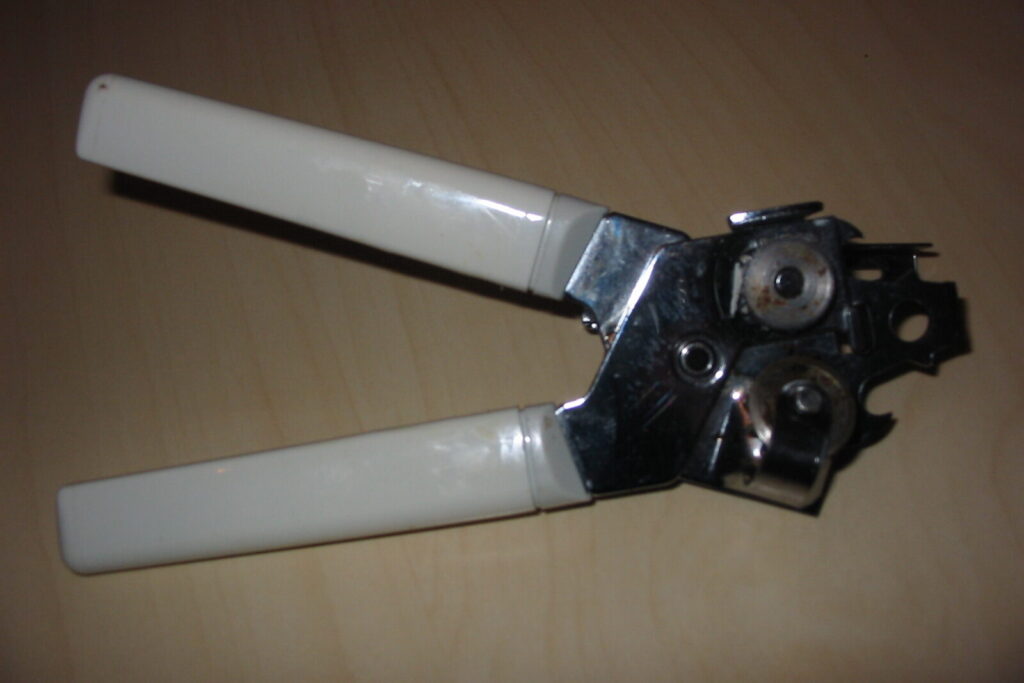
Manual can openers reliably disappear during any rush on canned goods. They’re inexpensive and often an afterthought, which means stores don’t carry large inventories. When people remember them at the last minute, shelves can clear faster than expected. That makes them a small but essential item to snag early.
Even if you use electric tools at home, a manual opener matters when the power goes out. It ensures you can access long-lasting pantry staples without frustration. They’re durable, compact, and require no maintenance beyond occasional cleaning. Having at least one backup prevents you from resorting to unsafe improvised methods.
4. Multi-Fuel Camping Stoves
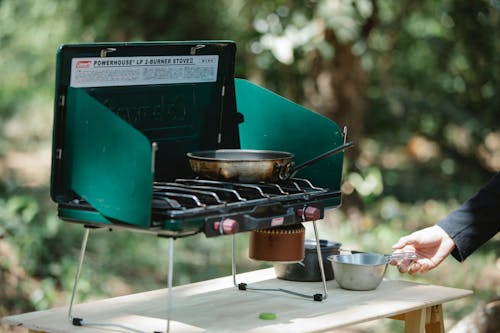
Multi-fuel stoves are popular with campers, overlanders, and emergency planners, so stock can fluctuate throughout the year. Their components sometimes depend on imported parts, which can lead to delays during shipping bottlenecks. These stoves also surge in sales whenever people worry about power reliability. If demand spikes, they can become temporarily scarce.
They’re one of the most flexible cooking options in a grid-down situation. Being able to use propane, butane, or liquid fuel gives you more adaptability. They’re also compact enough for apartments or small storage spaces. Adding one now ensures you can cook even if your primary fuel source becomes unavailable.
5. Propane Cylinders (Small Camping Size)
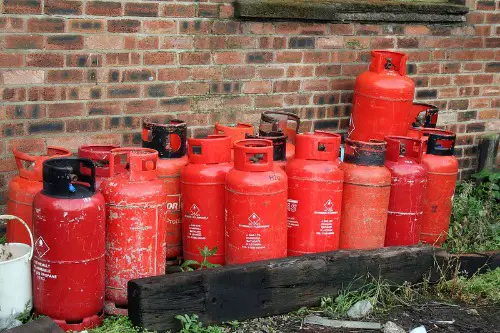
The small 1-pound propane cylinders often run into supply hiccups during peak camping seasons. Manufacturing capacity for these canisters is limited compared to demand. When outdoor recreation climbs, stores frequently ration or run out. That pattern could repeat during any emergency preparedness wave.
Having extra cylinders gives you portable fuel for stoves, lanterns, and heaters. They’re simple to store and stay usable for years if kept dry. They also give you a dependable backup to larger grill tanks. Securing a few now prevents scrambling when shelves thin out.
6. N95 or P100 Masks

Respirators tend to vanish quickly whenever there’s concern about air quality or respiratory illness. Production has improved since past shortages, but supply can still tighten abruptly. These masks require specialized filtration materials that aren’t instantly scalable. That makes them worth getting before any future spike in demand.
For preparedness, they protect you from smoke, dust, and airborne irritants. They’re helpful during wildfires, home renovation work, or local pollution events. They also store well in sealed bags for long periods. Keeping a small stockpile means you’re not hunting for them during high-demand moments.
7. Battery Banks and Power Bricks
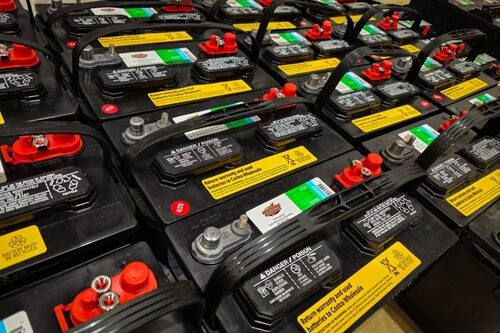
Portable power banks often see fluctuating availability due to lithium battery supply constraints. Increased demand from travel, remote work, and emergency kits adds additional pressure. If manufacturing slows, these items often become pricier or harder to find. Picking them up early avoids price jumps or limited options.
A charged power bank keeps your phone and small devices running during outages. It can also power flashlights, radios, and small USB devices. Since communication is critical in emergencies, this backup helps you stay informed. Having two or more ensures rotation and redundancy.
8. AM/FM or NOAA Weather Radios
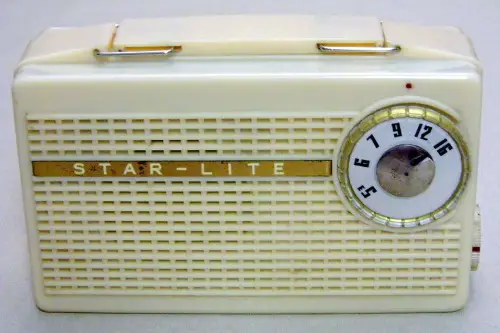
Hand-crank or battery-powered radios sometimes go out of stock during storm seasons. They rely on specialized internal parts that aren’t always kept in deep inventory. When demand spikes regionally, national supplies can thin out. Getting one early ensures you have reliable communication when cell networks falter.
A weather radio provides official alerts even without internet access. Many models include flashlights, chargers, and solar inputs. Those extra features make them multipurpose tools in emergencies. Storing one with fresh batteries helps keep you informed when conditions change.
9. Canning Lids and Rings
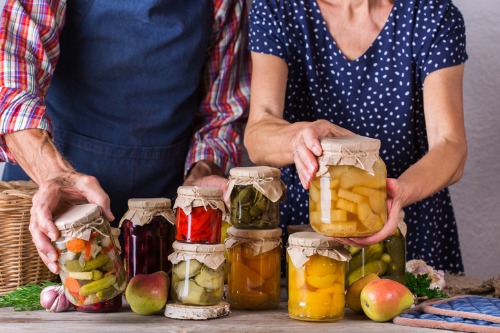
Canning supplies famously ran low during periods of high home-gardening activity. The lids require precise manufacturing and can’t be reused, which increases demand. If more people return to home preservation, these items can disappear fast. Stocking up ensures you’re not stuck waiting for restocks mid-season.
Canning helps stretch fresh produce into long-lasting meals. With the right supplies, you can preserve meat, vegetables, and sauces safely. Having an extra pack of lids makes your food storage plans more flexible. It also saves you a trip when garden harvests peak unexpectedly.
10. Vacuum-Seal Bags for Food Storage
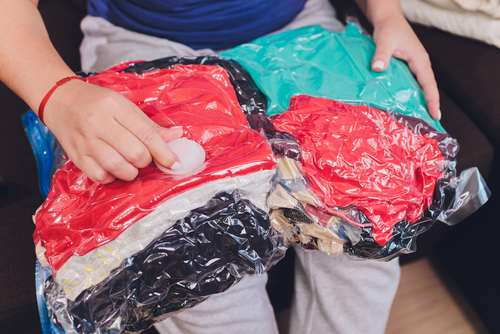
Vacuum-seal bags can experience supply delays due to their reliance on specific plastics. When food prices rise, more people turn to bulk buying and long-term storage. That increase in home preservation sometimes leads to brief shortages. Securing a few rolls ensures you won’t hit a bottleneck in your food prep routine.
These bags keep dry foods, frozen items, and dehydrated ingredients fresh longer. They also help reduce waste by preventing freezer burn. With a vacuum sealer, you can portion meals more efficiently. A stash of bags ensures you can maintain your storage system without interruption.
11. Solar-Powered Lanterns

Solar lanterns depend on small photovoltaic panels and rechargeable cells that can face supply-chain delays. They also spike in popularity during storm seasons or travel booms. Retailers often carry limited quantities, making sellouts common. Buying early helps avoid unpredictability in stock.
These lanterns give you renewable light without relying on disposable batteries. They’re excellent for both indoor and outdoor use. Many models recharge quickly in partial sunlight. Having a couple on hand keeps your lighting options open during outages.
12. Long-Lasting Shelf-Stable Milk
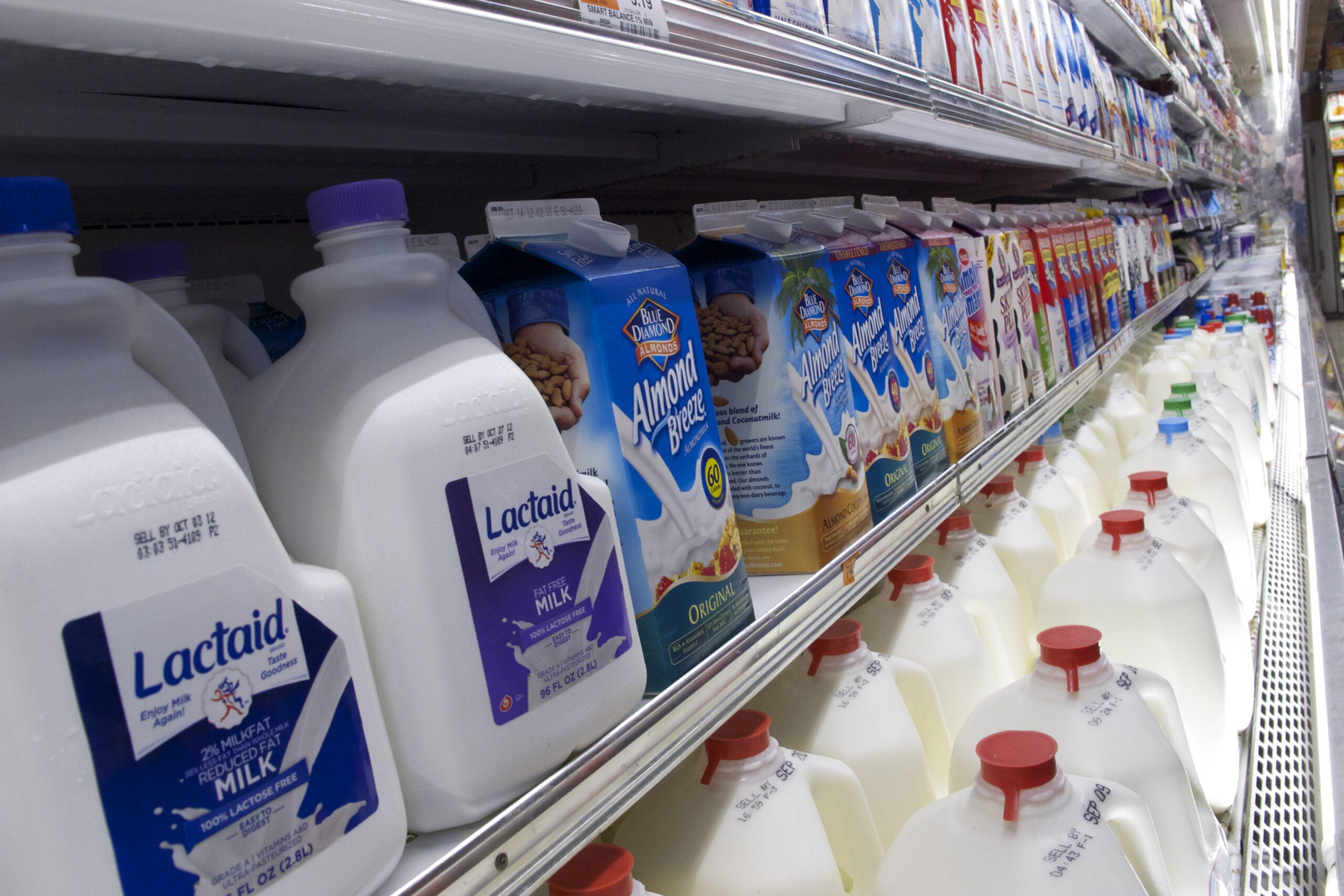
Shelf-stable milk—such as UHT cartons or powdered varieties—often sells out during weather alerts. Production capacity is steady but not designed for sudden surges. Transportation delays can also affect availability since these products often come from centralized facilities. So grabbing it early can save you from empty shelves during peak times.
It’s versatile for cooking, baking, and coffee when refrigeration isn’t reliable. Powdered and UHT versions last months to years depending on storage. They’re lightweight and easy to rotate through. Keeping a small supply helps round out your pantry without taking up much space.
13. Hand-Crank or Solar Phone Chargers
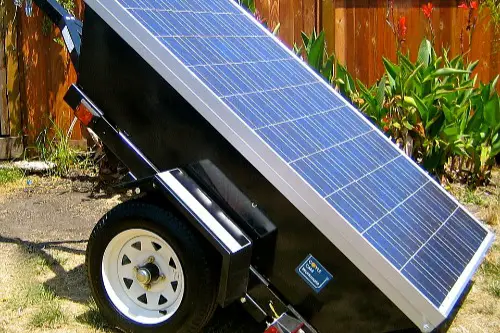
Off-grid chargers depend on electronics components that can become backlogged during high-demand cycles. Environmental events or travel seasons often cause unexpected sellouts. Limited manufacturing capacity means stores may not restock quickly. Buying one ahead ensures you’re not stuck during a communication blackout.
These chargers let you keep your phone functional without wall power. They provide slow but reliable energy in emergencies. Many models combine solar and manual cranking for flexibility. Having one in your kit helps keep your essential devices usable when the grid is unstable.
14. Water Storage Containers
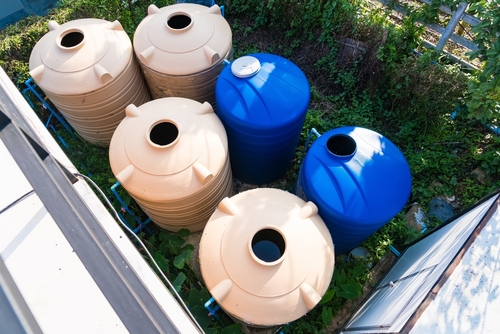
Water storage containers tend to sell out quickly whenever droughts or infrastructure concerns make headlines. They’re bulky items, so many stores keep limited quantities on hand. Manufacturing relies on food-grade plastics that can face material shortages or shipping delays. Buying them ahead of time avoids last-minute compromises on quality or size.
Proper containers allow you to store treated water safely for long periods. They’re stackable, reusable, and far more reliable than improvised bottles. Having dedicated containers also simplifies rotation and sanitation. A few well-chosen units can cover drinking, cooking, and hygiene needs.
15. Freeze-Dried Meals
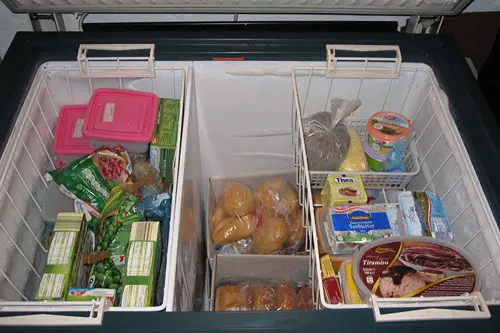
Freeze-dried meals are increasingly popular with both preppers and outdoor enthusiasts. That overlap in demand can strain supply during busy seasons or emergencies. These meals require specialized equipment and long production times. As a result, restocks don’t always keep pace when demand spikes.
They’re lightweight, compact, and have some of the longest shelf lives available. Preparation usually requires only hot water, which conserves fuel. They also provide balanced calories when options are limited. Stocking them early gives you convenient meals without relying on fresh ingredients.
16. Extra Prescription Glasses

Spare prescription glasses are often overlooked until they’re urgently needed. Supply depends on optical labs, shipping, and sometimes overseas manufacturing. If disruptions occur, replacements can take weeks. That makes backups an important item to secure ahead of time.
Clear vision is critical for safety, navigation, and daily tasks. A second pair ensures you’re not incapacitated by loss or damage. They store easily in protective cases. Keeping extras in different locations adds another layer of preparedness.
17. Work Gloves and Protective Gloves
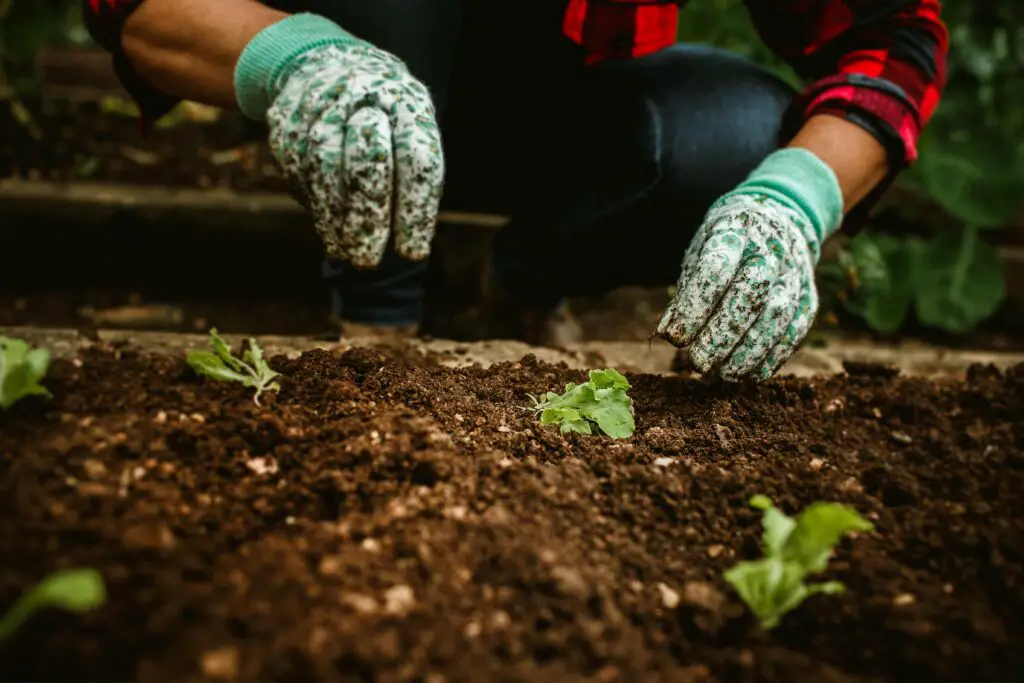
Durable gloves frequently disappear during disaster recovery periods. They’re inexpensive, but stores don’t always restock them quickly. Manufacturing often prioritizes industrial contracts over retail. That imbalance can leave shelves empty during high demand.
Gloves protect your hands during cleanup, repairs, and handling rough materials. They also reduce injury risk when medical care may be delayed. Multiple pairs allow rotation as they wear out. Having them ready saves you from improvising unsafe alternatives.
18. Fire Starters and Waterproof Matches
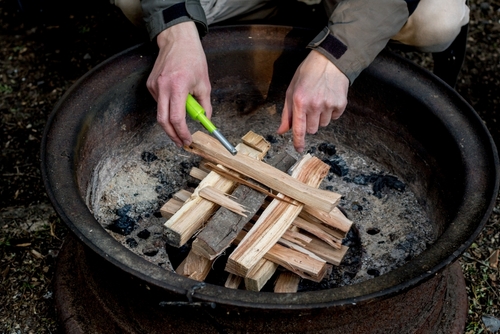
Fire-starting supplies sell out fast whenever people worry about heating or cooking access. They’re small items with high turnover, so stores keep limited stock. Many rely on specialty chemicals or treated materials. That can slow production if supply chains tighten.
Reliable fire starters simplify cooking and warmth in emergencies. Waterproof options work even in damp or windy conditions. They also weigh very little, making them easy to store. A small stash ensures you’re not dependent on lighters alone.
19. Heavy-Duty Trash Bags
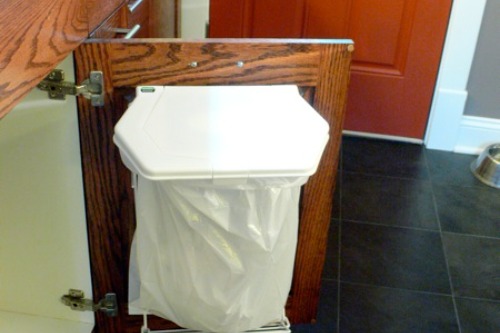
Thick contractor-grade trash bags are surprisingly critical in emergencies. Demand surges during storms, evacuations, and cleanup efforts. They’re petroleum-based products, so material costs can fluctuate. That sometimes leads to shortages or thinner alternatives.
These bags serve many purposes beyond waste disposal. They can be used for water protection, insulation, or temporary storage. Their durability makes them far more versatile than standard bags. Keeping extras adds flexibility to your supplies.
20. First Aid Refill Supplies
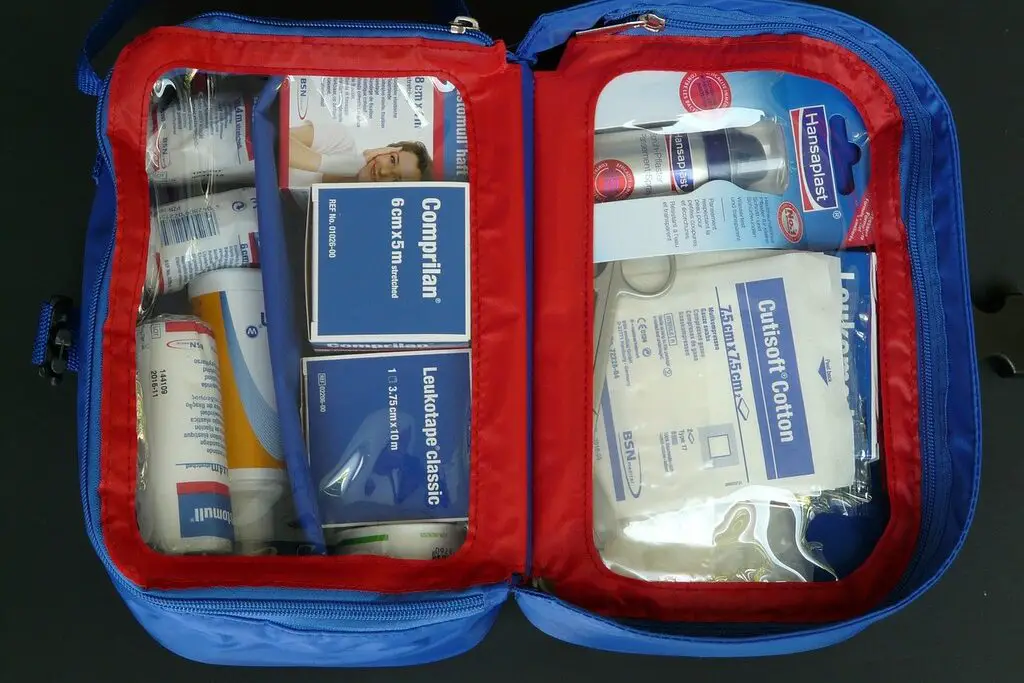
First aid kits often sell well, but refills are easier to overlook. Items like gauze, antiseptic, and wraps can quietly disappear during health scares. Manufacturing prioritizes hospitals and clinics first. Retail shelves may lag behind during restocking.
Refills let you maintain kits without buying entirely new ones. They ensure your supplies are complete and ready. Smaller components are also easier to store in bulk. Having spares reduces stress during injuries or accidents.
21. Manual Coffee or Grain Grinders
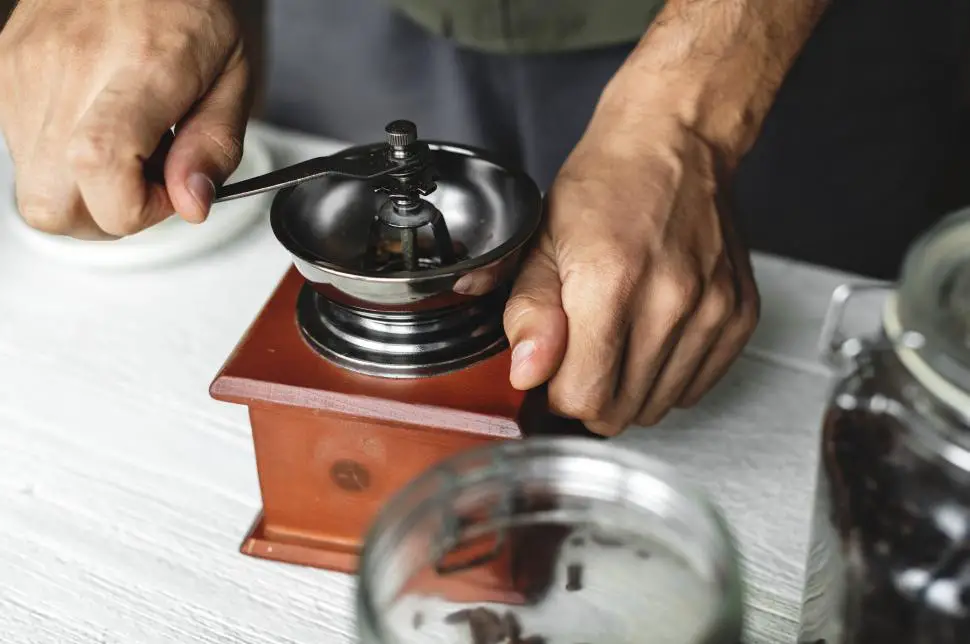
Manual grinders are niche items with limited production runs. When interest in off-grid living grows, they sell out quickly. Many are imported, which adds shipping vulnerability. That makes availability unpredictable during global disruptions.
A manual grinder keeps routines intact without electricity. It works for coffee, grains, and some spices. Maintaining small comforts can improve morale in stressful situations. Having one ensures you’re not dependent on powered appliances.
22. Portable Water Filters
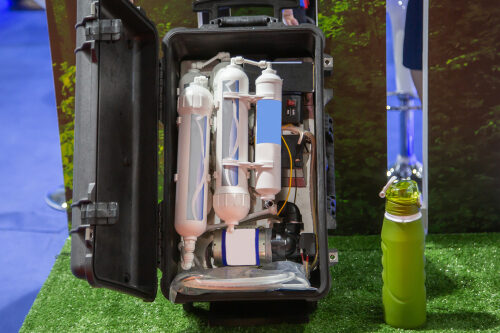
Portable water filters often spike in popularity during travel seasons and emergencies. They contain specialized membranes that can be slow to manufacture. If demand rises suddenly, restocks can lag behind. Buying early gives you more choice and reliability.
Filters provide immediate access to safer drinking water. They’re reusable and reduce dependence on consumables. Many models work directly from natural sources. Keeping one complements tablets and stored water.
23. Rechargeable AA and AAA Batteries
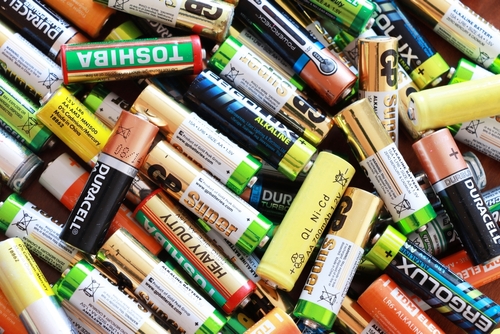
Rechargeable batteries depend on lithium and nickel supply chains. Increased electronics use puts constant pressure on availability. When shortages occur, prices often rise quickly. Securing a set early avoids last-minute premium costs.
They power radios, flashlights, and medical devices. Rechargeables reduce waste and long-term expense. Paired with a charger, they provide sustainable energy. Having extras allows rotation and redundancy.
24. Headlamps

Headlamps tend to sell out during storm seasons and camping peaks. They rely on LEDs and battery components that fluctuate in supply. Retailers often underestimate demand. That leads to empty hooks when outages hit.
Hands-free lighting is invaluable during repairs or nighttime tasks. Headlamps are efficient and easy to store. They also conserve batteries compared to larger lights. Having one per household member improves safety and mobility.
25. Emergency Blankets and Wool Blankets

Emergency blankets are lightweight but often produced in limited batches. Demand spikes during cold snaps and disaster responses. Wool blankets, in particular, rely on slower production cycles. Both can become scarce at the same time.
Blankets provide warmth without electricity or fuel. They’re also useful for shock prevention and insulation. Wool stays warm even when damp. A small stack covers sleeping, layering, and emergencies.
26. Portable Tool Kits
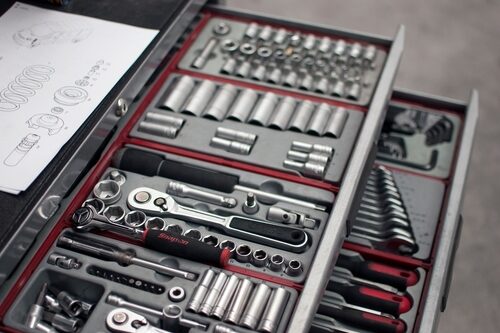
Compact tool kits are popular gifts and travel items, which affects availability. They’re often assembled overseas, adding shipping risk. When infrastructure worries rise, demand jumps suddenly. Stores may not restock evenly across regions.
Basic tools allow simple repairs and adjustments. Even small fixes can prevent bigger problems. Portable kits fit easily into vehicles or closets. Having one avoids relying on borrowed or improvised tools.
27. Buckets with Lids
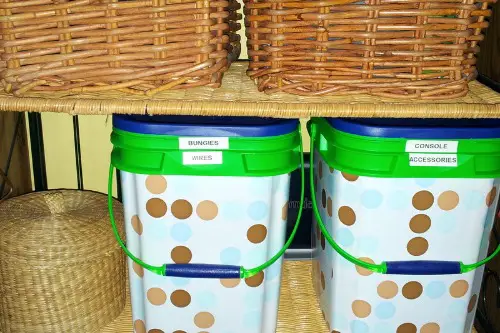
Food-grade buckets often sell out during gardening and storage seasons. They’re bulky, so stores limit inventory. Manufacturing depends on plastic availability and transport. That makes timing unpredictable.
Buckets store food, water, and supplies securely. Lids protect against pests and moisture. They’re stackable and reusable for many tasks. Keeping extras increases your storage flexibility.
28. Personal Hygiene Essentials

Hygiene products frequently disappear during panic buying. Items like soap, wipes, and toothpaste are produced steadily but shipped just-in-time. Sudden demand overwhelms that system quickly. Shelves can stay empty longer than expected.
Good hygiene reduces illness risk in emergencies. These items also support comfort and morale. They’re inexpensive and easy to rotate. Stocking ahead prevents unnecessary shortages.
29. Notebooks and Pens
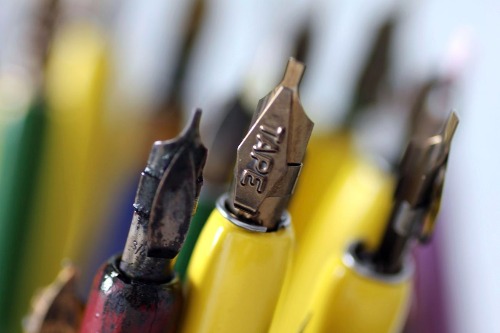
Paper goods seem abundant until supply chains falter. Pulp, ink, and shipping costs can all affect availability. When digital access fails, demand rises unexpectedly. Stores don’t always anticipate that shift.
Writing tools help with planning, tracking, and communication. They’re useful for inventories, instructions, and notes. Paper doesn’t rely on power or signals. Keeping extras ensures you’re never without a record-keeping option.
30. Maps and Printed References
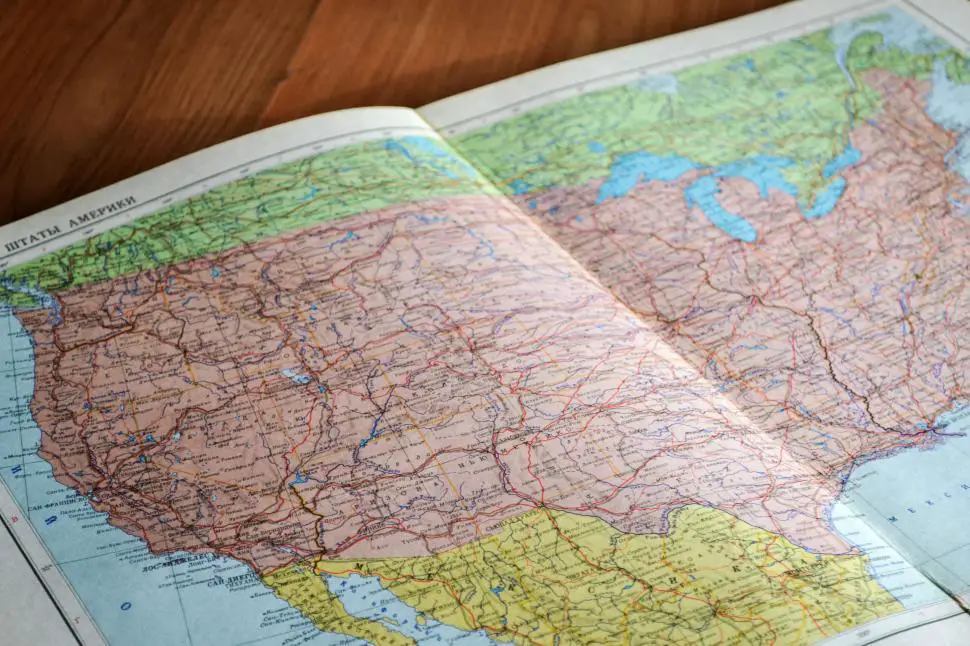
Printed maps and guides are often understocked. Many retailers focus on digital alternatives instead. If interest returns suddenly, supplies can lag. Reprints take time and coordination.
Physical references work without batteries or signals. Maps help with navigation when GPS fails. Manuals provide guidance under stress. Having them on hand supports self-reliance.
31. Extra Eyeglass Repair Kits

Small repair kits are easy to overlook in stores. They’re low-cost items with limited shelf space. When needed urgently, they’re often sold out. Replacement parts aren’t always interchangeable.
A simple screw or nose pad can restore usability. Repair kits extend the life of glasses significantly. They’re compact and easy to stash. Having one prevents vision problems from becoming emergencies.
32. Dust Masks for Home Projects
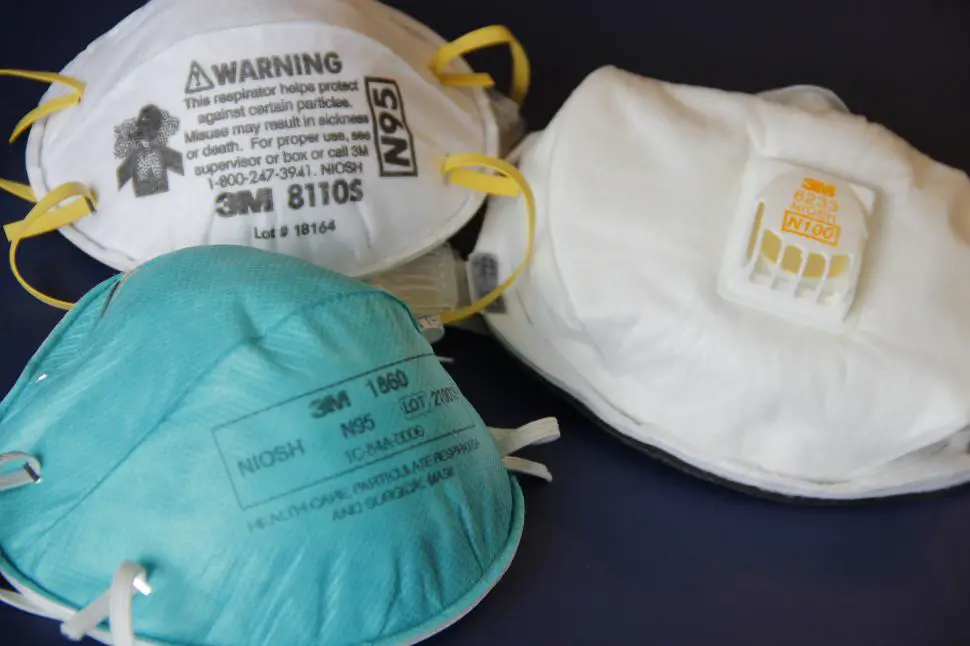
Basic dust masks often disappear during renovation booms or fire seasons. They’re simpler than respirators but still rely on manufacturing capacity. Stores don’t always restock them quickly. That can leave gaps during smoky or dusty conditions.
They protect against debris and irritation. Masks are useful for cleanup and repairs. They’re lightweight and disposable. Keeping a box adds everyday protection.
33. Fuel Stabilizer
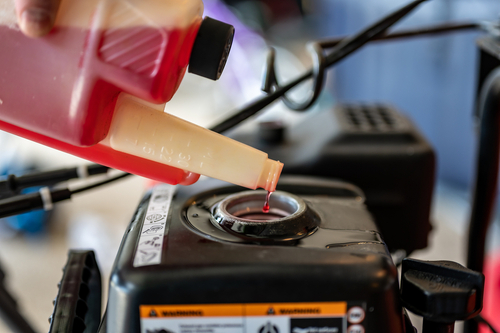
Fuel stabilizers are niche products with uneven demand. Many stores carry only a few bottles at a time. Production depends on chemical inputs that can fluctuate. That makes them harder to find during shortages.
Stabilizer extends the life of stored gasoline. It protects engines and generators from damage. Small amounts treat large volumes of fuel. Having it ensures stored fuel stays usable.
34. Portable Clotheslines
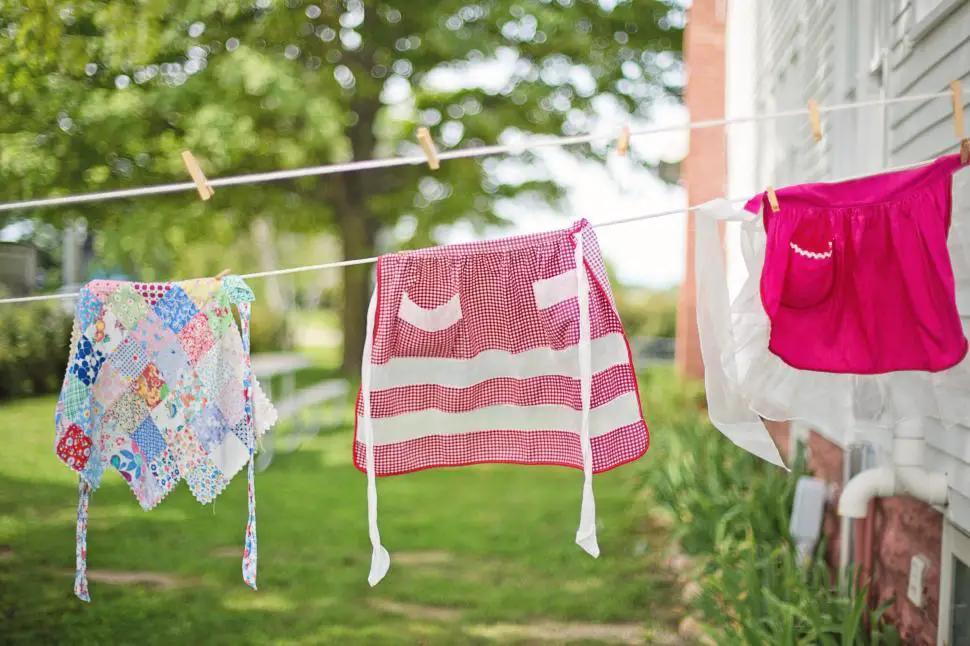
Portable clotheslines are low-priority retail items. They’re often seasonal and lightly stocked. When power outages affect dryers, demand jumps. Restocks may not arrive quickly.
Air-drying clothes saves energy and fuel. Clotheslines are lightweight and reusable. They work indoors or outdoors. Keeping one supports basic hygiene without electricity.
35. Extra Flashlight Bulbs or LEDs

Replacement bulbs are easy to forget until needed. They’re model-specific and not always interchangeable. Retailers carry limited varieties. That makes finding the right one difficult during outages.
Spare bulbs extend the life of your flashlights. They’re cheaper than replacing entire units. Small parts store easily. Having backups keeps lighting reliable.
36. Gardening Seeds (Heirloom Varieties)
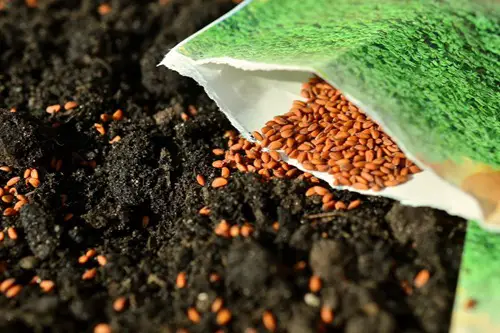
Seed availability fluctuates heavily year to year. Heirloom varieties are produced in smaller batches. If interest in home food grows, supplies thin quickly. Reprints of seed catalogs don’t guarantee inventory.
Seeds allow you to grow food from scratch. Heirlooms can be saved and replanted. They store well when kept cool and dry. Stocking them early preserves options.
37. Cash in Small Bills
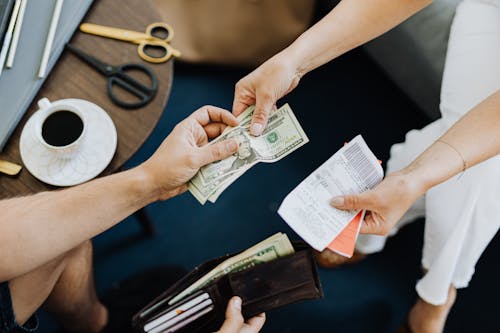
Cash availability depends on banking and transport systems. During disruptions, ATMs can empty quickly. Small bills are often hardest to get. Banks may limit withdrawals.
Cash works when digital payments fail. Small denominations make transactions easier. It’s universally accepted without power. Keeping some on hand adds financial resilience.
This post 37 Prepping Items to Get Before They May Disappear in 2026 was first published on Greenhouse Black.
