
1. Fabric Softener
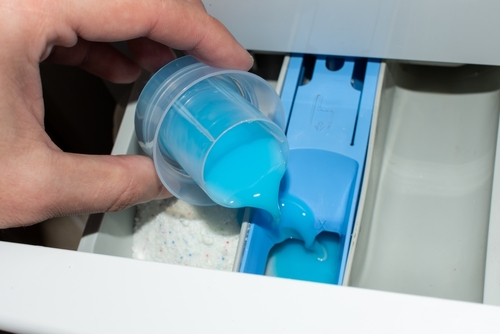
Many older adults swore by fabric softener because it made clothes feel softer and smell like a fresh commercial. Gen Z often skips it because many modern detergents already include softening agents. There’s also more awareness about buildup on clothes and towels that can actually reduce absorbency. Plus, people doing laundry in small apartments don’t always want to store another bulky jug.
The shift also comes from concerns about skin sensitivities, since some softeners use heavy fragrance. Younger shoppers are more likely to look for “clean” or hypoallergenic products. Dryer balls and vinegar rinses are becoming simpler alternatives. These options feel cheaper, low-effort, and more aligned with minimalist routines.
2. Dish Drying Racks
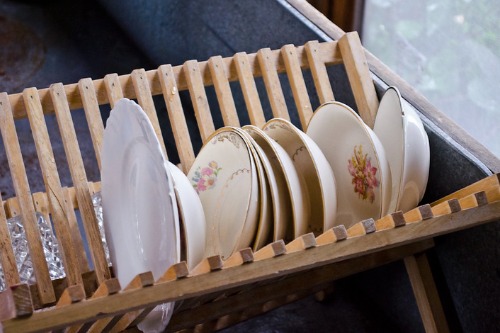
Older generations relied on countertop drying racks for hand-washing because dishwashers weren’t always common. Gen Z is more likely to use a dishwasher even for small loads, thanks to energy-efficient models and apartment amenities. When they do hand-wash, many just towel-dry quickly and put items away. Counter space is precious, and big racks can feel like clutter.
There’s also an aesthetic element, since many young adults prefer clear surfaces in small kitchens. A drying rack can make even a clean kitchen look messy. Some opt for roll-up or foldable mats that tuck away when not in use. That flexibility appeals to renters who move often.
3. Ironing Boards
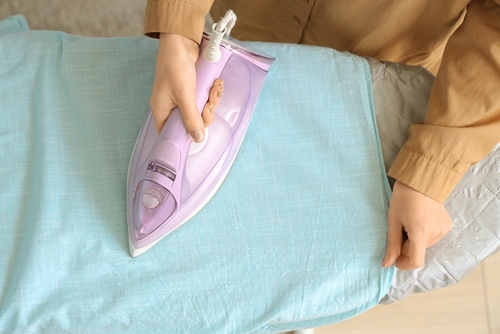
Ironing used to be a weekly routine for school uniforms, work attire, and cotton everything. Gen Z gravitates toward wrinkle-resistant fabrics and casual dress codes that make ironing feel unnecessary. Instead of a bulky board, they often use handheld steamers or “wrinkle release” sprays. It’s simply faster and fits better in small apartments.
A full ironing setup also feels outdated when many workplaces embrace hybrid or remote work. Without a daily need for crisp shirts, the incentive drops. Steaming a shirt takes seconds, while ironing can take several minutes. Convenience wins out almost every time.
4. Air Freshener Sprays

Older generations kept aerosol sprays in every bathroom and hallway because that was the norm for freshening a room. Gen Z tends to avoid them due to concerns about synthetic fragrances and potential respiratory irritants. Many prefer opening windows or using essential oil diffusers instead. They also tend to seek more natural or low-chemical options.
Additionally, sprays can feel temporary—masking smells rather than eliminating them. Younger consumers often look for solutions like charcoal bags or small air purifiers. These options promise ongoing odor control rather than a quick spritz. It’s a shift toward long-term problem-solving instead of momentary cover-ups.
5. Paper Napkins
Paper napkins were on most dinner tables for decades, often bought in bulk. Gen Z frequently replaces them with reusable cloth napkins or just grabs a paper towel when needed. Part of this is environmental awareness and wanting to reduce waste. Another part is simply not wanting to buy an extra household item.
Cloth napkins feel more durable and stylish for small gatherings. They also make sense when living in compact spaces with limited storage for bulk packs. Many young adults buy fewer disposable products overall as a cost-saving measure. The shift reflects practicality as much as sustainability.
6. Alarm Clocks

Standalone alarm clocks were once essential on every bedside table. Gen Z almost always uses their smartphone alarms instead, since their phones are already within reach. It’s one less device to buy, plug in, or dust. Digital clocks also feel redundant when phones do the same thing.
Many younger adults also rely on app-based sleep tracking or multiple alarm settings. These features aren’t available on basic alarm clocks. The phone becomes an all-in-one tool instead of a separate gadget. Convenience again plays a major role in the change.
7. Floor Polish
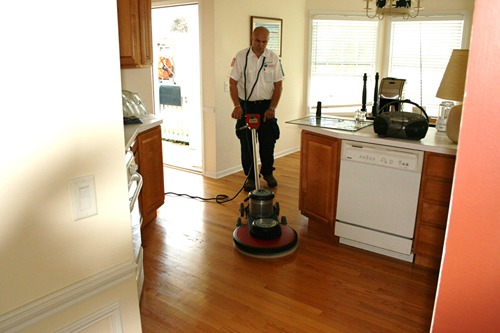
Older households polished hardwood floors regularly to keep them shiny. Gen Z is less likely to use dedicated polish because many modern finishes don’t require it. Landlords also prefer low-maintenance materials like laminate or vinyl, which don’t benefit from traditional polish. As a result, fewer tenants even consider buying it.
Younger adults usually just sweep, vacuum, and mop. They prioritize quick-clean routines rather than detailed maintenance tasks. With busy schedules and smaller living spaces, there’s little appeal in multi-step floor care. Simpler products tend to win.
8. Fabric Starch
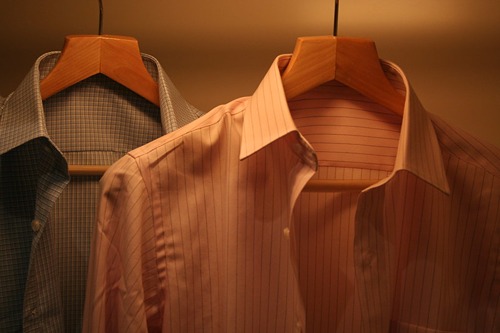
Fabric starch was once a wardrobe staple for crisp collars and structured clothes. Gen Z rarely uses it because most modern fabrics are stretchier and designed for comfort. Few people want stiff shirts when casual and athleisure styles dominate. The demand just isn’t there anymore.
Starch also adds another step to ironing, which many already avoid. It can cause buildup on fabrics over time, turning some people away. Instead, young adults rely on steamer tools for quick refreshes. The idea of heavily structured clothing feels more old-school than practical.
9. Silver Polish
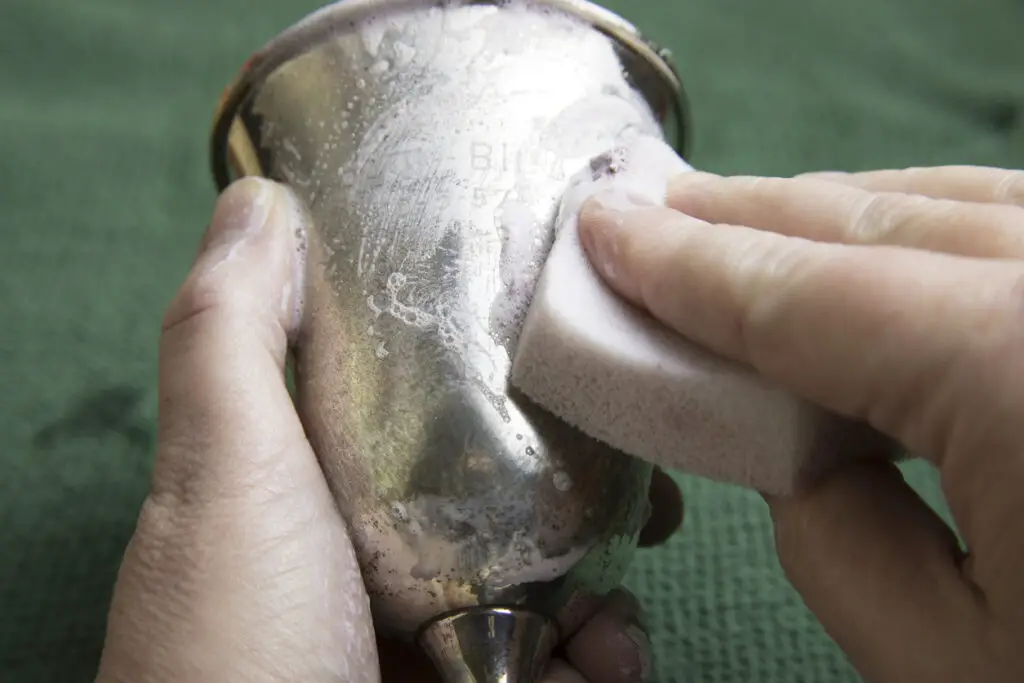
Older generations maintained silverware sets for special occasions and polished them regularly. Gen Z rarely owns real silver due to cost, care requirements, and small living spaces. Stainless steel or dishwasher-safe options are far more common. With fewer heirloom pieces, polish simply isn’t needed.
The upkeep of tarnish-prone items feels like a chore without much reward. Many prefer minimalist kitchenware that stays clean with minimal effort. Disposable or casual dining trends also play a role. Silver polish becomes a product without a purpose.
10. Oven Cleaner Sprays
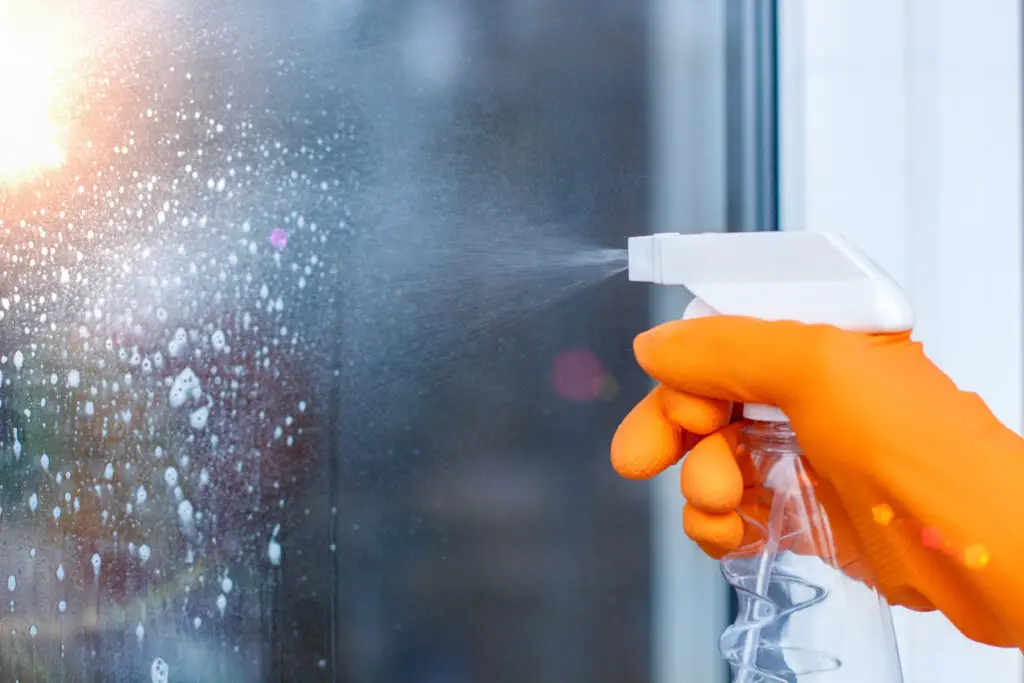
Heavy-duty oven cleaners were once the go-to for tackling burned-on messes. Gen Z is more likely to use the self-cleaning function built into many newer ovens. It’s easier, doesn’t involve strong fumes, and requires little scrubbing. That alone makes traditional sprays less appealing.
Health and safety concerns also factor in, since older products often had harsh chemicals. Many younger consumers prefer gentler, multipurpose cleaners. Some use baking soda pastes as a DIY alternative. With simpler methods available, specialized sprays fall out of favor.
11. Liquid Shoe Polish
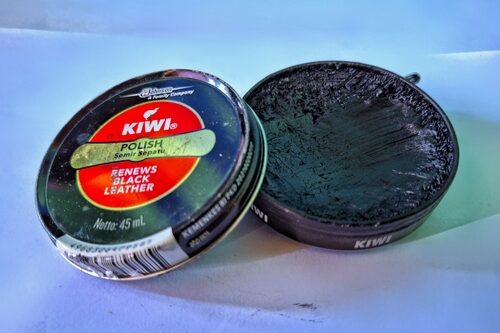
Older adults would polish leather shoes weekly, especially for office or formal wear. Gen Z owns fewer leather shoes and wears sneakers far more often. The casual dress shift means shoe polish hardly gets used. It becomes another item that sits untouched on a shelf.
Shoe care has also changed, with sneaker-cleaning kits or wipes taking priority. Many young people prefer low-maintenance footwear materials. Quality leather shoes last, but they aren’t as common in younger wardrobes. So the polish disappears from shopping lists.
12. Bleach Tablets
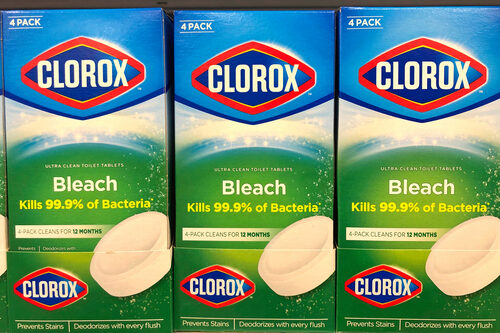
Bleach tablets were once popular for simplifying laundry whitening. Gen Z tends to avoid chlorine bleach altogether in favor of gentler oxygen-based alternatives. Concerns about fabric damage and skin sensitivities drive this shift. Bleach also has a strong smell many find unpleasant.
Modern detergents are formulated to whiten and brighten on their own. This makes bleach tablets feel unnecessary and old-fashioned. Younger renters also want to avoid damaging machines or clothing. Tablets can seem like an extra risk rather than a helpful tool.
13. Carpet Deodorizing Powder
Many older homes used powders to freshen carpets before vacuuming. Gen Z uses them less because many apartments have hardwood or vinyl floors instead of carpet. With fewer carpeted rooms, demand naturally drops. Vacuuming alone often feels sufficient.
There’s also concern about powders clogging vacuums or leaving residue behind. Younger shoppers tend to rely on small air purifiers or fabric sprays instead. These options feel more efficient and less messy. The shift comes down to different flooring and different habits.
14. Furniture Polish Sprays
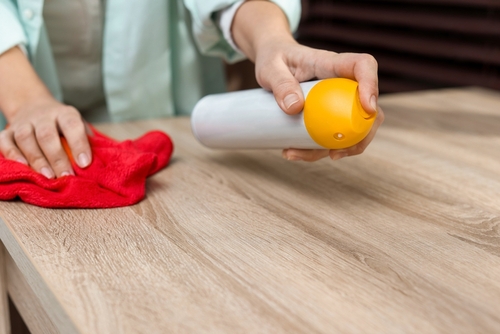
Furniture polish was once used weekly to shine wood surfaces. Today’s younger adults often have composite or laminate furniture that doesn’t require polishing. A damp cloth is usually enough for cleaning. So the product feels redundant.
Polish can also create buildup that traps dust, making it counterproductive. Many young renters move frequently and don’t invest in heavy solid-wood pieces. That reduces the need for specialized care products. Minimalism drives many to skip it altogether.
15. Stovetop Burner Covers
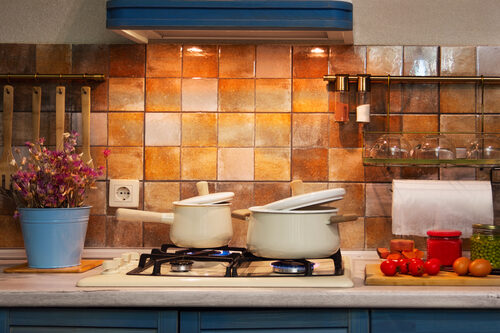
Older kitchens sometimes used decorative burner covers to hide messes or protect electric coils. Gen Z rarely buys them because modern stovetops, especially glass ones, don’t use that design. They prefer to just wipe the surface clean as needed. Covers feel unnecessary and outdated.
Additionally, burner covers take up space and can even be a fire risk if forgotten during cooking. Younger adults prioritize simplicity and safety over decorative gadgets. They tend to avoid items that add steps to daily routines. Functionality outweighs tradition in this case.
This post 15 Household Products Gen Z Treats as Optional But Older Generations Trusted was first published on Greenhouse Black.
