
1. Copper Dustpans

Copper dustpans are being embraced by designers because their warm metallic finish patinas beautifully with use. That slow aging process turns a utilitarian tool into something that looks handcrafted and storied. They’re also sturdier than plastic versions, which means they don’t warp over time. Many homeowners keep them on wall hooks since they double as décor.
Designers like to pair copper dustpans with natural-bristle brushes for a vintage-inspired cleaning setup. The combo creates a small “moment” in mudrooms or laundry rooms that feels curated. Their durability also appeals to people who prefer investing once instead of replacing cheap alternatives. In smaller spaces, their sculptural profile reads like a deliberate styling choice rather than clutter.
2. Woven Brooms
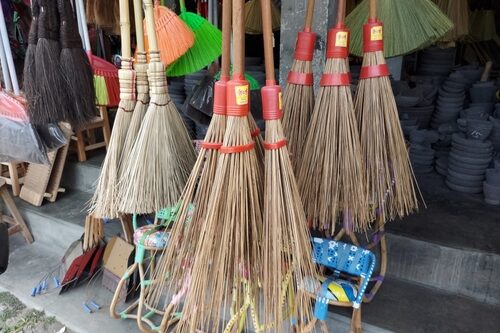
Traditional brooms made from sorghum or other natural fibers have become display pieces because of their craftsmanship. The hand-woven patterns add texture and a subtle rustic charm to otherwise plain corners. Designers say these brooms soften the hard lines found in modern interiors. They also last longer than their plastic counterparts when maintained properly.
People often hang them vertically to highlight the woven handle and the flare of the bristles. This simple act turns a cleaning staple into a decorative accent. Their natural materials are biodegradable, which appeals to clients looking for sustainable choices. Even when not in use, the broom’s shape adds visual interest that feels intentional.
3. Ceramic Laundry Powder Jars
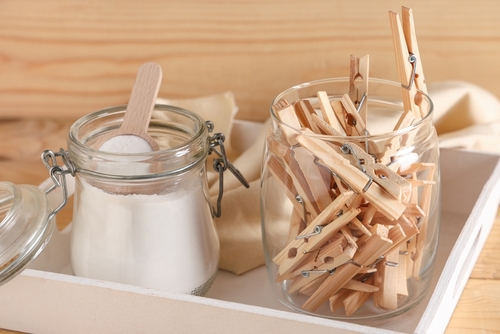
Ceramic jars meant for laundry powder or detergent tabs are gaining traction for their sculptural shapes. Unlike the branded cardboard boxes or plastic tubs, these jars bring visual calm to open shelves. Designers love that they can be matched to tile colors or countertop materials. Their airtight lids also help keep detergents dry.
These jars often feature hand-thrown textures that elevate utilitarian storage. They’re practical because they’re easy to clean and refill, reducing packaging waste. Homeowners like that they can hide modern detergents inside something that looks timeless. When grouped with other ceramics, they become part of a cohesive display.
4. Wood-Handed Lint Rollers
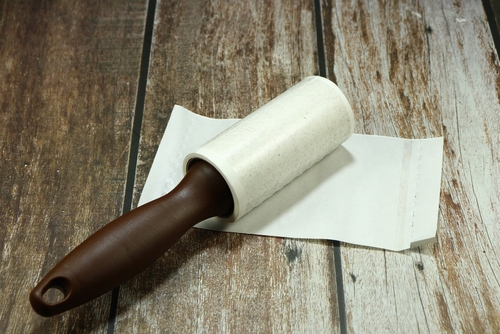
Wood-handled lint rollers are replacing the disposable drugstore versions in many design-forward homes. The hardwood handles feel more like small sculptural objects than cleaning tools. They also tend to be more ergonomic, offering a better grip during use. Their refillable design reduces plastic waste.
Designers say these rollers look at home on entry tables or dressing room shelves. The warm wood tones complement neutral palettes, which are popular right now. Because they’re sturdy, they withstand frequent handling without looking worn out. People appreciate that something so practical can still feel elegant.
5. Wool Dryer Balls
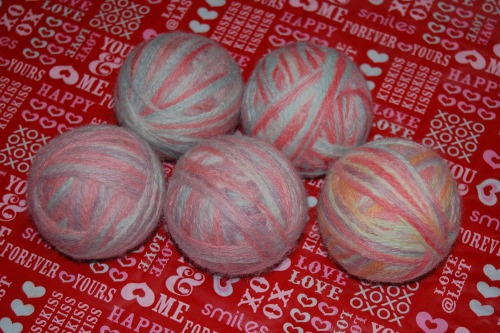
Wool dryer balls are being treated as tactile décor in laundry spaces. Their soft, natural texture adds a cozy element to shelves and baskets. They help reduce drying time by improving air circulation in the machine. Many also soften fabric without chemical additives.
Designers often display them in small bowls or trays to bring a “spa-like” feel to laundry rooms. Their neutral colors blend easily with various styles. They’re an eco-friendly alternative to disposable dryer sheets, which appeals to sustainability-minded clients. When styled properly, they almost resemble minimalist sculpture.
6. Vintage Metal Irons
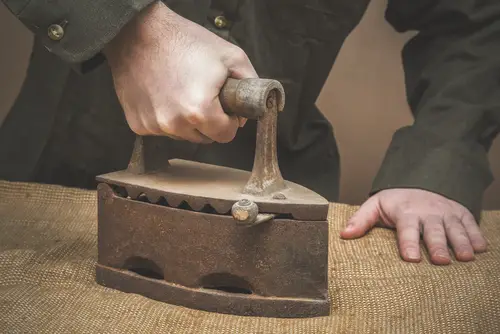
Old cast-iron or brass irons are showing up as decorative pieces in laundry rooms or on bookshelves. Their hefty shape and industrial look bring historical charm. Designers appreciate the patina that forms over decades of use. These antique irons are readily available in vintage shops.
While no longer functional for ironing, they serve as bookends or display accents. People enjoy the nostalgia they evoke, especially in older homes. Their weight makes them stable, so they’re practical as doorstops too. They offer a tangible link to the evolution of household tools.
7. Wooden Clothespins
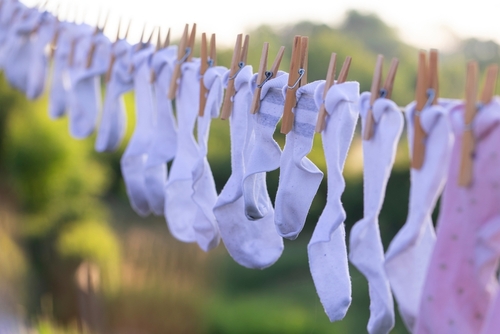
Simple wooden clothespins are being reconsidered as miniature sculptural objects. Their clean lines and natural material make them visually soothing. Designers sometimes use them in clear jars or bowls as part of a styled shelf. They’re also functional for air-drying clothes.
Clothespins appeal to fans of low-waste living because they’re biodegradable. Their understated look works well in Scandinavian and farmhouse-inspired interiors. When grouped together, they add texture without clutter. They remind people of slower, more mindful household routines.
8. Metal Watering Cans
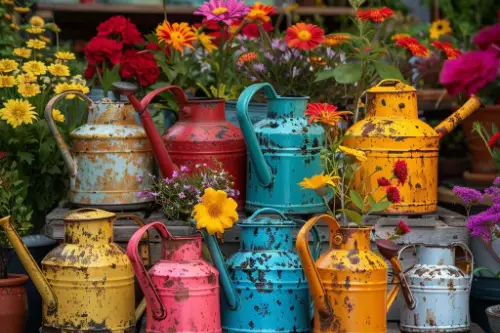
Traditional galvanized or brass watering cans have a graceful silhouette that feels decorative even when not in use. Designers frequently leave them out on balconies or near indoor plants as part of the overall aesthetic. Their curved handles and long spouts add sculptural lines to a space. They’re also durable and rust-resistant when properly cared for.
These cans support indoor plant care trends by making the tools part of the décor rather than something to hide. Their metallic tones pair well with terracotta pots and wooden plant stands. Many clients appreciate that the can feels like an art object but remains fully functional. The designs often improve with age as the metal gains character.
9. Natural Bristle Dish Brushes
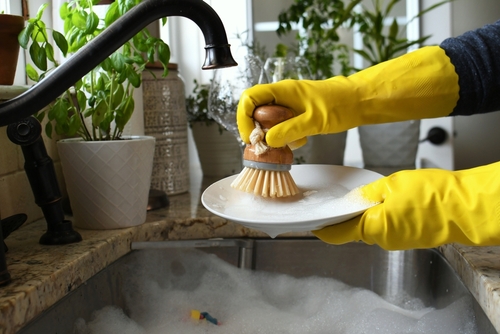
Natural bristle dish brushes with wood handles are replacing disposable plastic sponges in many kitchens. Their rounded shapes and tactile materials look intentional when stored upright. Designers enjoy the European farmhouse vibe they create. They’re also effective at scrubbing without scratching.
Because they’re biodegradable, these brushes support sustainable kitchen habits. People often pair them with ceramic soap dishes for a cohesive look. Their minimal design works well in both rustic and modern kitchens. Even when drying on the counter, they look like design choices rather than leftovers from chores.
10. Iron Boot Scrapers
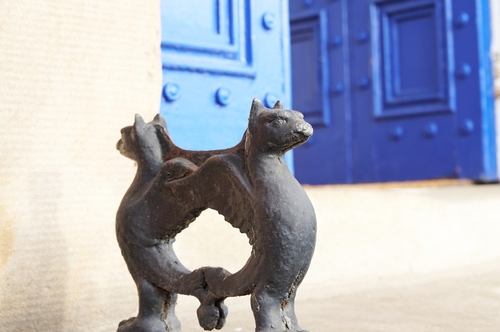
Iron boot scrapers installed at entryways have returned as functional ornaments. Their intricate cast designs echo historic architectural details. Designers use them to add character to otherwise simple exteriors. They’re especially practical in climates with mud or snow.
Homeowners appreciate that these scrapers cut down on indoor cleaning. Their weather-resistant builds mean they can last for decades. The sculptural profiles add a sense of permanence to the home’s threshold. They demonstrate how utility objects can still contribute to curb appeal.
11. Glass Spray Bottles
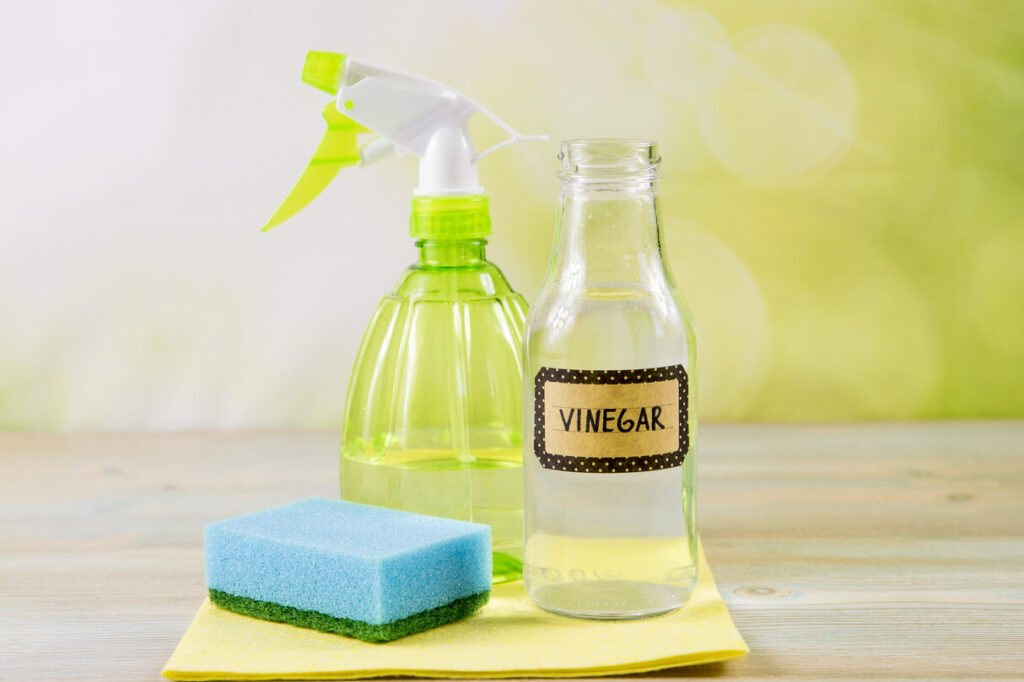
Glass spray bottles with adjustable nozzles are often used for plant misting or homemade cleaners. Their clear or amber glass looks more refined than typical plastic bottles. Designers like that they blend easily with minimalist and modern aesthetics. They’re also more stable due to their weight.
People use them to store nontoxic cleaners or diluted essential oils. The reusable nature helps reduce plastic consumption. Their transparency makes it easy to see exactly what’s inside. When grouped with other glass containers, they feel like part of a styled collection.
12. Enamel Dustbins
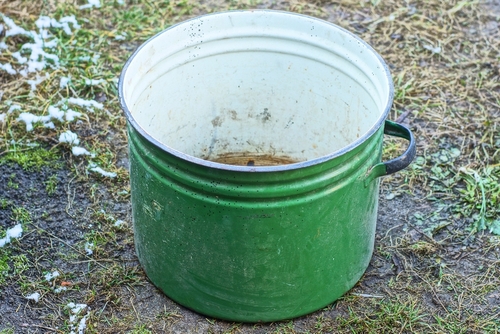
Small enamel dustbins, especially in vintage pastel shades, are making a comeback. Their glossy finish and retro typography add personality to kitchens and bathrooms. Designers like that they’re lightweight yet durable. The enamel coating resists stains and odors.
These bins often become accent pieces rather than something to hide under the sink. Their tight-fitting lids help contain waste while keeping the look clean. Because they come in many colors, homeowners can match them to existing palettes. They bring functional charm to everyday routines.
13. Woven Laundry Baskets
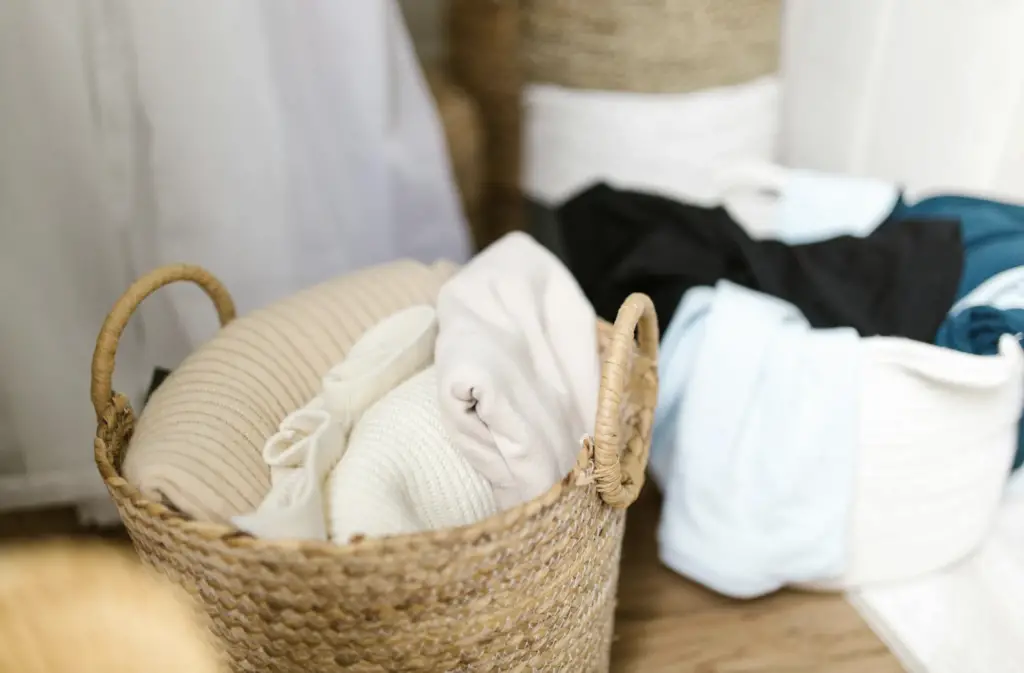
Handwoven laundry baskets made from rattan or seagrass are now treated as décor pieces. Their organic textures add warmth to laundry rooms and bedrooms. Designers appreciate the craftsmanship visible in the weaving patterns. They’re also strong enough to handle heavy loads.
People value that these baskets can be left out without feeling messy. Their natural tones complement a wide range of interiors. They’re lightweight, making them easy to carry around the house. Many come with removable liners that are practical for washing.
14. Cast-Iron Doorstops
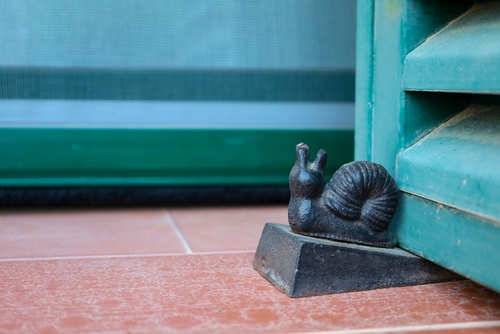
Cast-iron doorstops shaped like animals or simple geometric forms have become subtle art pieces. Their nostalgic charm pairs well with both contemporary and traditional interiors. Designers choose them because they’re both decorative and highly functional. Their weight keeps doors from swinging shut.
These doorstops often feature intricate detailing that adds character to a room. They require almost no maintenance, which is appealing for busy households. People enjoy the small touch of whimsy they bring. Their understated presence shows how everyday objects can blur into art without trying too hard.
This post 14 Old Housekeeping Items Designers Are Quietly Calling “Functional Art” was first published on Greenhouse Black.
