
1. Scented Trash Bags
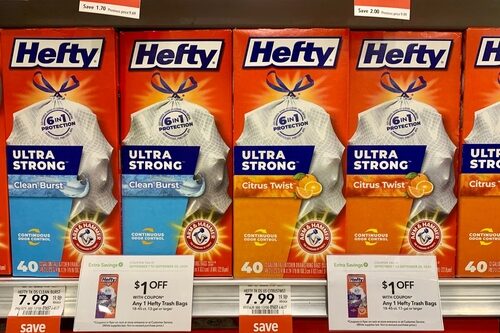
Gen Z shoppers are increasingly avoiding scented trash bags because the added fragrances can feel artificial or overwhelming. Many prefer unscented bags paired with deodorizing bins instead. Concerns about chemical additives are also part of the conversation. And people with allergies or sensitivities often opt out entirely.
Minimalist home trends support more neutral household products. Scented bags can clash with efforts to maintain a clean-smelling kitchen naturally. Baking soda, charcoal filters, and composting have all grown more popular. As alternatives improve, scented trash bags become less necessary.
2. Paper Towels
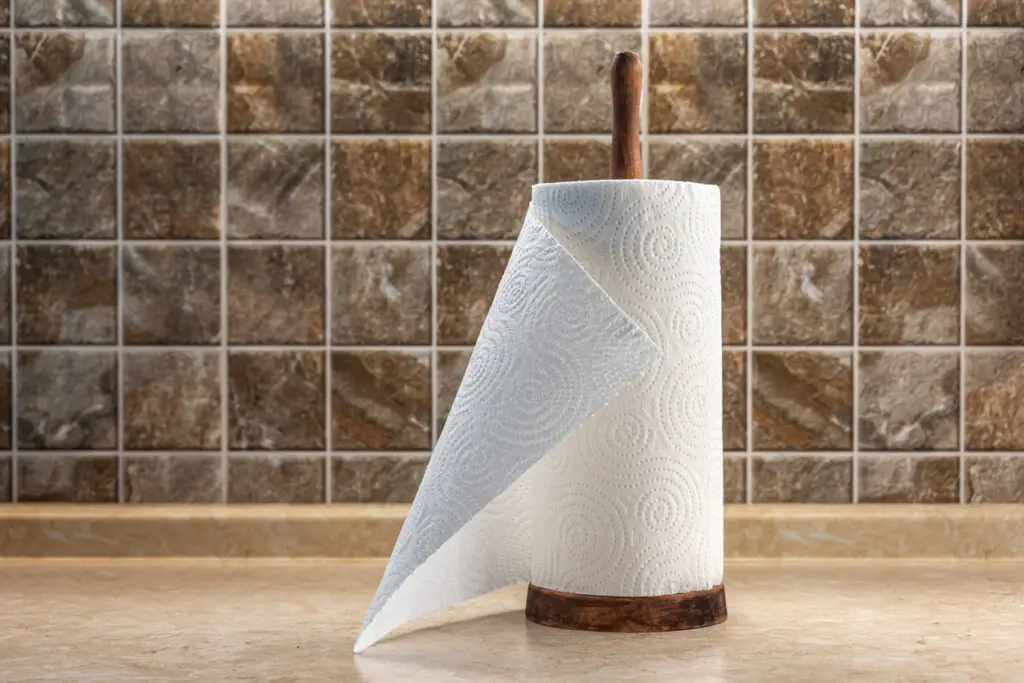
Gen Z is moving away from paper towels because they’re seen as wasteful and easy to replace with reusable cloths. The rising popularity of minimalist and eco-friendly cleaning hacks has made alternatives more appealing. It’s not unusual to hear younger shoppers say they’d rather avoid the recurring cost, too. With inflation influencing household budgets, disposable items are often the first to go.
They’re also more aware of tree-based product consumption than previous generations. Social media has elevated products like Swedish dishcloths, which are positioned as both cheaper and longer-lasting. This makes paper towels feel old-fashioned and overpriced in comparison. As trends continue, the pressure to find sustainable cleaning staples will likely keep tightening.
3. Fabric Softener
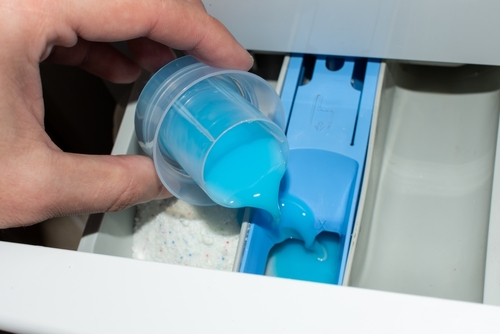
Many Gen Z households are skipping fabric softener because dermatologists often note it can irritate sensitive skin. The fragrance additives also make some users wary. You’ll find a lot of them opting for unscented or hypoallergenic laundry routines. Plus, dryer balls have gained popularity as a simple, reusable alternative.
Fabric softener is also viewed as an unnecessary step in an already pricey laundry process. This generation tends to favor streamlined routines and products that serve multiple functions. When they hear that softeners can reduce the moisture-wicking ability of activewear, that’s another dealbreaker. Taken together, it’s easy to see why the category is losing traction.
4. Traditional Dish Sponges
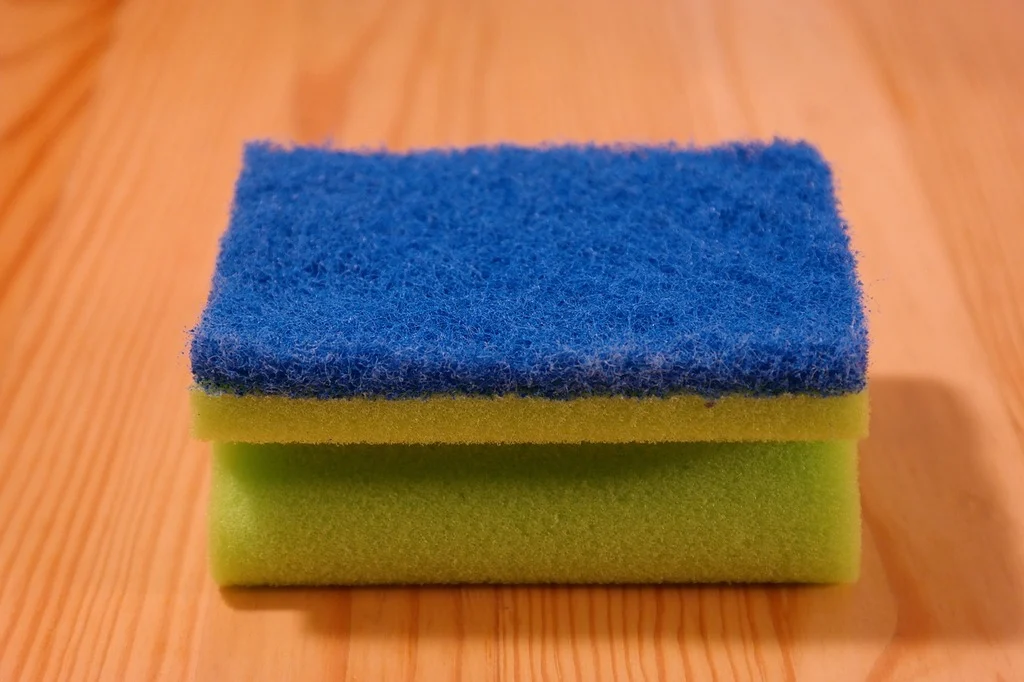
Gen Z shoppers are increasingly abandoning classic foam sponges because they can harbor bacteria. This concern isn’t new, but younger users are especially tuned in after seeing hygiene studies online. Silicone scrubbers and washable pads feel like safer, longer-lasting options. And since they dry faster, they’re viewed as more sanitary.
There’s also an aesthetic preference at play, as many newer alternatives fit minimal kitchen styles. Influencers frequently highlight sustainable materials, nudging younger buyers toward newer tools. The idea of replacing sponges every week feels wasteful when better options exist. So traditional sponges continue to lose ground in modern kitchens.
5. Chemical-Heavy All-Purpose Cleaners
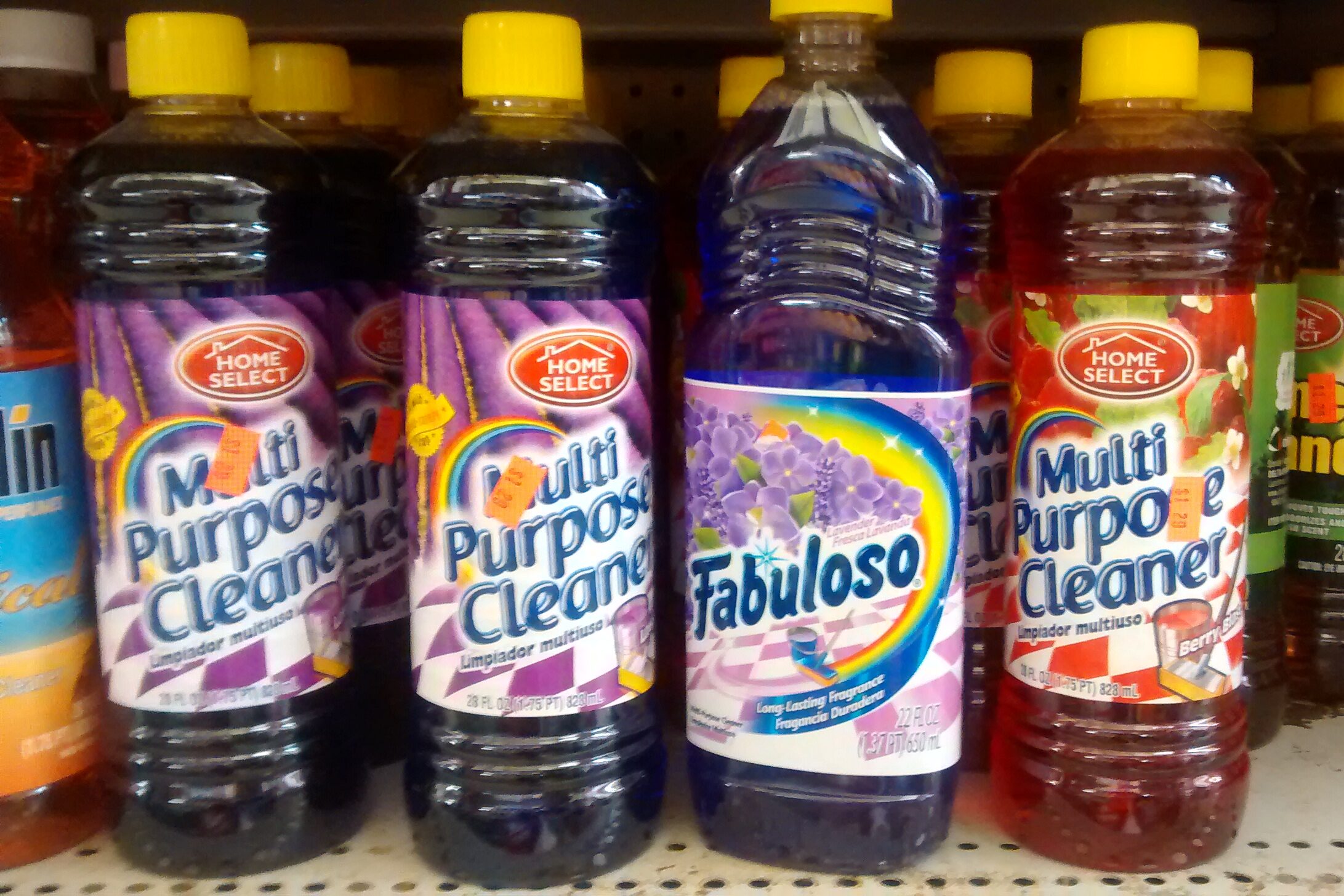
Gen Z tends to prefer “cleaner” cleaning products with simpler ingredient lists. This shift is backed by rising interest in non-toxic living and indoor air quality. Vinegar-based and plant-based cleaners get more attention on social feeds. The skepticism toward harsh chemicals has grown, especially among renters living in small spaces.
They’re also influenced by refillable cleaning systems that cut down plastic waste. This generation sees long-term cost savings in concentrates or tablets. Many feel better using products without synthetic fragrances that can trigger headaches. As a result, traditional chemical-heavy cleaners are becoming less appealing.
6. Dryer Sheets
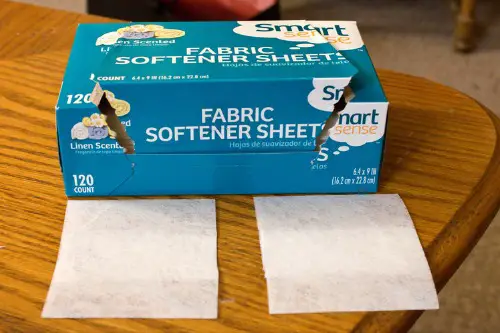
Dryer sheets are falling out of favor because they’re single-use and filled with synthetic fragrances. Gen Z has been quick to adopt wool dryer balls instead. The reusable option reduces waste and often shortens drying time. These benefits fit the group’s preference for efficiency and sustainability.
There’s also increasing awareness that dryer sheets can leave residue on clothing. People who wear a lot of activewear or technical fabrics especially dislike that effect. As conversations about indoor air quality continue, scented products get more pushback. Dryer sheets are an easy cut for anyone aiming for a cleaner laundry process.
7. Disposable Razors

Younger consumers frequently cite cost as a major reason for abandoning disposable razors. The price adds up quickly compared to safety razors or subscription-based refill handles. Many also believe that metal razors give a closer, smoother shave. Those who shave regularly see a big difference in long-term value.
Environmental concerns play a role, too, as disposable razors are notoriously difficult to recycle. Safety razors with replaceable blades generate far less waste. Tutorials online have normalized switching over, demystifying the learning curve. The more people share their success, the quicker disposables lose relevance.
8. Air Freshener Sprays

Some Gen Z renters say they’re phasing out classic aerosol air fresheners because of concerns about fragrance chemicals. They often choose open-air diffusers, essential oils, or charcoal bags instead. These alternatives feel more natural and less overpowering. And many want options that fit better with a minimalist or neutral home aesthetic.
Sprays are also seen as masking odors rather than addressing them. This generation gravitates toward solutions that improve air quality rather than cover it. Portable air purifiers and odor-absorbing materials have become more mainstream. As those options spread, traditional sprays get used less and less.
9. Cotton Balls
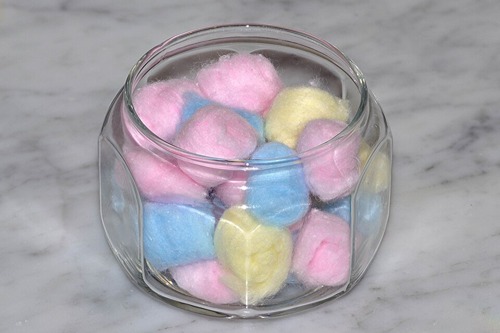
Cotton balls are becoming less common because reusable cotton rounds do the same job with less waste. Gen Z has embraced washable versions for skincare and makeup removal. The switch reflects both sustainability values and cost awareness. Over time, single-use products feel unnecessarily repetitive.
Another contributing factor is that liquid skincare routines have become more sophisticated. Reusable pads can hold product better and create less lint. Many users also say they prefer the softer texture of cloth alternatives. With skincare so central to Gen Z culture, the tools matter more than ever.
10. Aluminum Foil

Many Gen Z home cooks say they’re cutting back on aluminum foil as reusable baking mats become more accessible. These mats offer a long-lasting, nonstick surface without the need for constant replacements. Air fryer liners and silicone lids also reduce the need for foil. Since many apartments have small kitchens, reducing bulky roll storage is a bonus.
Environmental concerns also influence this shift. Producing aluminum takes significant energy, something widely discussed in sustainability circles. With food content creators promoting modern alternatives, the trend accelerates. As a result, foil is losing its old status as a kitchen staple.
11. Bleach

Bleach has a complicated reputation with younger consumers who prefer gentler disinfectants. Many associate it with strong fumes and potential fabric damage. Products marketed as safer or eco-friendly are gaining traction. Gen Z tends to favor solutions they see as lower-risk for pets and roommates.
There’s also a cultural shift toward milder cleaning agents that still meet hygiene needs. Multi-surface disinfectant sprays often feel simpler and less intimidating. Accessibility to fragrance-free, non-chlorine options has grown. With more choices available, bleach doesn’t feel as essential as it once did.
12. Disposable Mop Pads
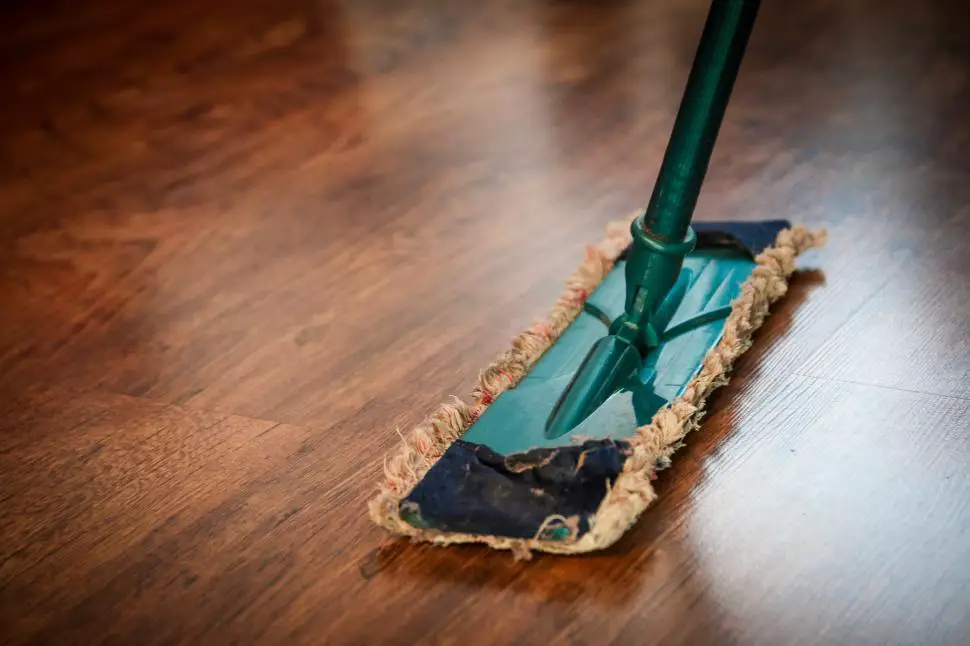
Disposable mop pads are being replaced by reusable microfiber versions in many Gen Z households. The cost of constantly buying refills doesn’t align with budget-conscious cleaning habits. Plus, reusable pads are easy to toss into the laundry with towels. With cleaning content trending online, reusable tools are often highlighted.
Younger renters also like mops that work on multiple floor types without separate products. Reusable systems offer more flexibility and less plastic packaging. Seeing the waste pile up after just one cleaning session can be discouraging. These factors collectively push disposable pads out of the picture.
13. Plastic Food Storage Containers

Plastic food containers are losing popularity to glass versions, especially among Gen Z meal-preppers. Concerns about BPA and chemical leaching drive part of the shift. Glass containers also last longer and handle reheating better. Many find them more visually appealing for fridge organization.
With social media filled with pantry-restock and fridge-reset videos, the look of food storage matters more. Glass containers photograph better and scratch less over time. They also don’t retain odors the way plastic does. As aesthetics blend with practicality, plastic slowly falls behind.
14. Single-Use Plastic Water Bottles
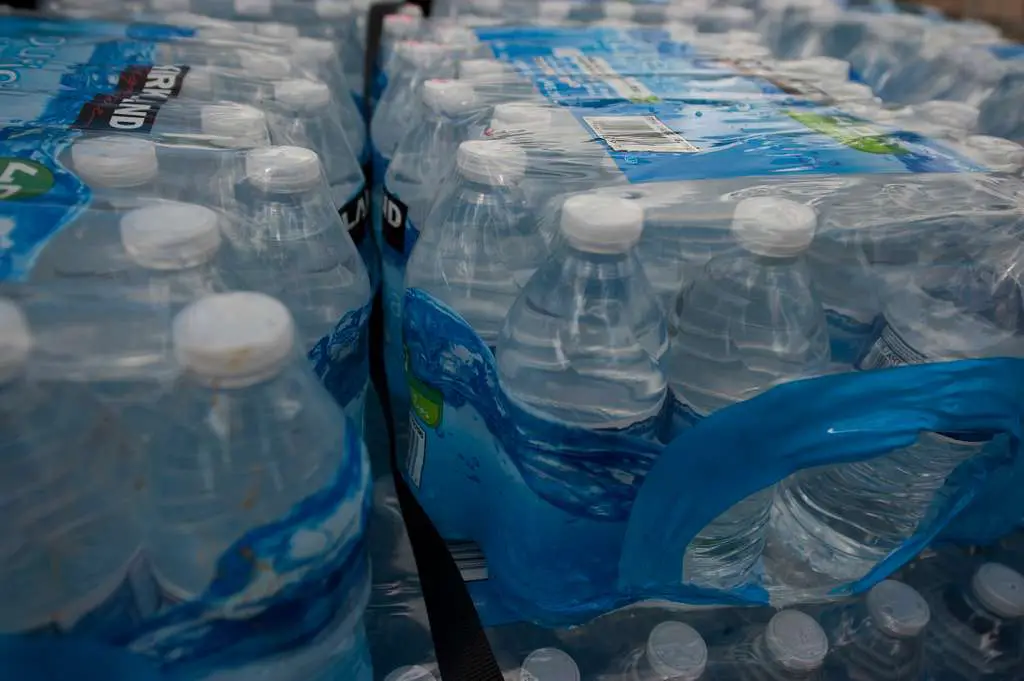
Many Gen Z consumers say they’re cutting back on single-use plastic water bottles because they want to reduce unnecessary waste. Reusable bottles have become a staple, making disposables feel outdated. There’s also growing awareness about microplastics, which keeps this category under scrutiny. Plus, the cost of constantly buying bottled water adds up, which Gen Z would rather avoid.
Another factor is the rise of hydration apps and health-tracking habits that pair well with reusable containers. People in this age group also tend to trust filtered water systems more than they used to. Many colleges and workplaces now have refill stations, which makes using bottled water less convenient. As the infrastructure shifts, this product is naturally being phased out.
This post 14 Household Products Gen Z Plans To Abandon Next Year was first published on Greenhouse Black.
