
1. Leaving the Engine Idling at Campsites

Many longtime RVers say extended idling is becoming a thing of the past because it wastes fuel and creates unnecessary noise. Modern RV engines don’t need long warm-up times like older models did. Campgrounds are also implementing stricter noise and emissions rules that discourage the habit. As more people become aware of environmental impacts, idling simply feels outdated.
RVers also note that idling can annoy neighbors, especially in packed campgrounds. Many camping areas now have designated quiet hours that make the practice even less acceptable. Newer battery systems and solar setups reduce dependence on engine power, too. With better alternatives available, idling is losing its practical purpose.
2. Ignoring Weight Limits
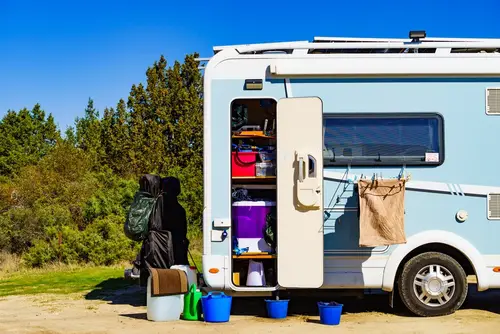
Longtime RVers say the trend of overloading rigs is disappearing because more owners understand the real safety risks. Exceeding weight limits can lead to tire blowouts, brake failure, and dangerous sway. Today’s RVers have easier access to online tools and manufacturer guidelines that explain proper loading. As a result, people are more careful and informed than before.
Weigh stations at rallies and campgrounds have also helped educate the community. Many RV shops now offer weight checks as part of routine maintenance, which encourages better compliance. Insurance companies have become stricter about weight-related incidents, raising awareness even further. Because of all this, ignoring weight limits doesn’t make sense anymore.
3. Using Paper Maps Exclusively

Veteran RVers say relying solely on paper maps is fading out because digital navigation tools are far more practical. Apps now include real-time traffic, low-clearance warnings, and road-condition updates that paper maps can’t match. Many RVers appreciate that these tools help avoid hazards specific to large vehicles. As more travelers adopt them, using only paper feels risky.
That said, paper maps still have their place as backups. But people aren’t depending on them as their primary navigation method anymore. The ease of updating digital maps makes them much more reliable long-term. Because of these advantages, exclusive map use is becoming rare.
4. Leaving Lights on All Night
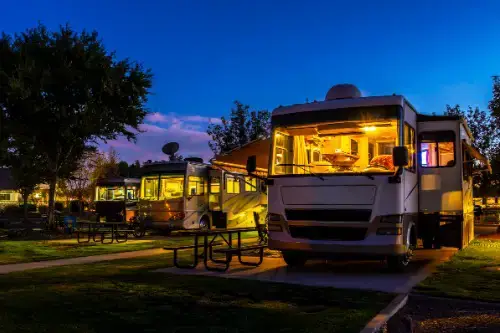
RVers who’ve been around for decades say leaving lights on throughout the night is going away because newer rigs are designed to be more energy efficient. LED lighting reduces power draw, so there’s less need to flood an area with bright illumination. Many campgrounds now enforce rules about minimizing light pollution. Travelers also value darker environments for better stargazing and sleep.
Security lights with motion sensors have become popular, making constant lighting unnecessary. Solar-powered options reduce the need for overnight electrical use altogether. People are also more mindful of wildlife impacts from excessive lighting. For these reasons, all-night lighting just isn’t common anymore.
5. Skipping Pre-Trip Inspections
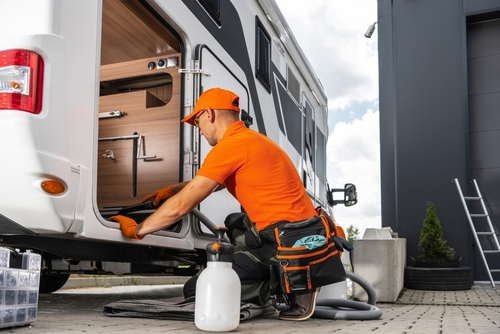
Longtime travelers say skipping pre-trip inspections is an old habit that’s nearly gone because awareness around safety has increased. Many RVers now check tires, brakes, fluid levels, and hitch connections consistently. They know that a few minutes of inspecting can prevent hours of roadside trouble. It’s become part of responsible RV ownership.
The rise of social media groups and online tutorials has reinforced the importance of these routines. More RV parks and dealerships also offer checklists for new owners. With more people sharing breakdown stories, the message has become clear. Skipping inspections just feels avoidable and unnecessary.
6. Running Generators All Day
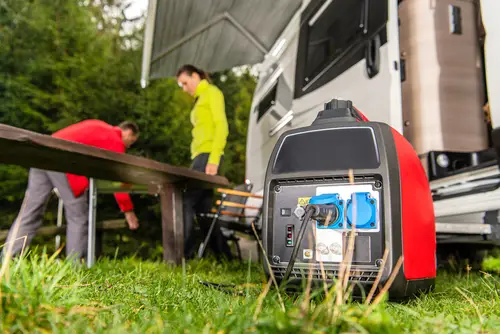
Using generators nonstop is a trend veteran RVers expect to disappear because modern power solutions are more efficient. Solar panels and lithium batteries provide quiet, reliable power without the constant hum of a generator. Many campgrounds also have noise regulations that limit generator use. RVers are becoming more considerate about the impact on neighbors.
Fuel costs are another reason people are changing their habits. Generators can be expensive to run, especially during long stays. Portable power stations also offer cleaner alternatives. With so many energy options, constant generator use feels excessive.
7. Hogging Dump Stations
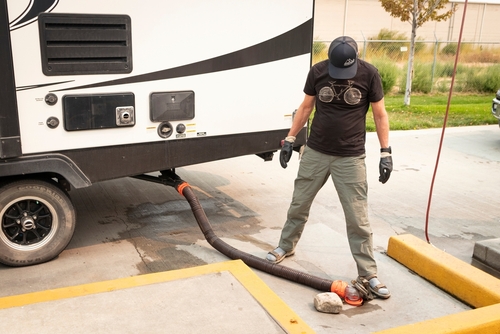
Experienced RVers say hogging dump stations is going away because more people understand campground etiquette. Taking too long causes long lines and unnecessary frustration. Newer RVs have more efficient waste systems that speed up the process. Travelers also plan ahead better than they used to.
Online discussions have emphasized the importance of courtesy at shared facilities. Some campgrounds have installed multiple dump stations to reduce congestion. RVers today are more aware of peak hours and avoid contributing to delays. With better awareness, hogging a station simply isn’t acceptable anymore.
8. Parking Without Considering Slide-Outs
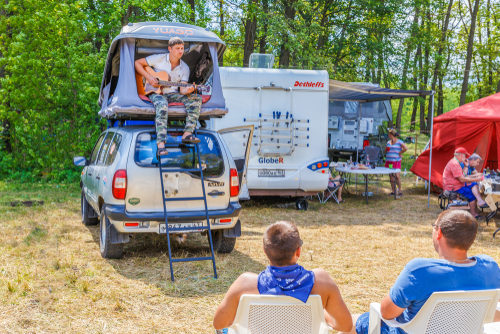
Longtime RVers say parking too close to others without checking slide-out clearance is a habit fading fast. Many new RVers are taught early on to check spacing before settling in. Damaging someone’s rig or blocking pathways has serious consequences. Campgrounds also post clear rules about space usage.
More RVers use apps that show typical slide-out widths and site dimensions. People are becoming more aware of how their setup affects neighbors. As rigs get larger, good planning has become essential. Because of this, careless parking is less common.
9. Ignoring Campground Quiet Hours
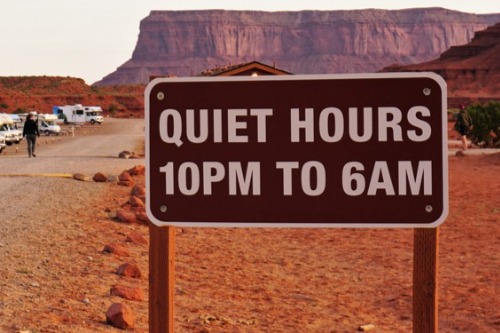
Breaking quiet hours is a trend many RVers expect to vanish because communities are more vocal about respecting shared spaces. Modern campgrounds enforce rules consistently to create a peaceful environment. Travelers today value relaxation as much as adventure. People don’t tolerate late-night noise the way they once did.
Enforcement has improved due to campground apps and enhanced communication with staff. Many parks also have stricter guidelines to prevent disturbances. Word travels quickly online when a campground doesn’t maintain order. As a result, ignoring quiet hours has become socially unacceptable.
10. Using Campfires for All Cooking
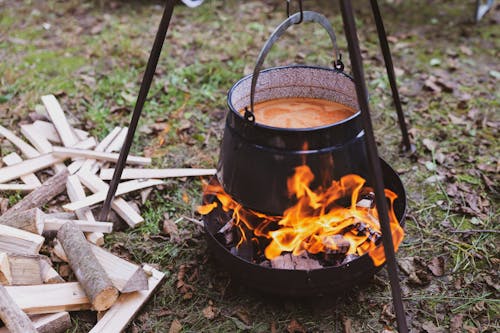
Longtime RVers say cooking everything over a campfire is becoming rare because portable stoves are more efficient and safer. Many regions also have fire bans due to wildfire risk. With weather changes and drier conditions, open flames aren’t as dependable. People have adapted by using compact propane or electric cooking tools.
Campgrounds now encourage minimizing fire use except for designated pits. Portable grills give RVers more control over temperature and cooking time. Cleanup is faster and easier than dealing with ash and smoke. All these factors make all-fire cooking feel outdated.
11. Rushing Through Setups and Breakdowns
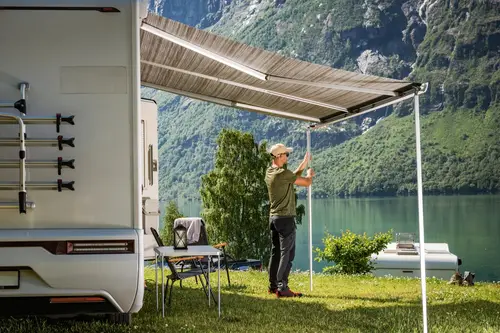
Veteran RVers say rushing through setup or breakdown is fading out because owners are more cautious about avoiding mistakes. A hurried setup can lead to leveling issues, unstable connections, or equipment damage. Travelers understand the value of taking their time. It’s become a best practice to follow a detailed checklist.
People are also more aware of the stress that rushing creates, especially on long trips. Slower routines reduce the chance of leaving something behind. Online forums emphasize safe, methodical steps. Because of this shift, rushing is no longer the norm.
12. Treating RV Parks Like Free Storage
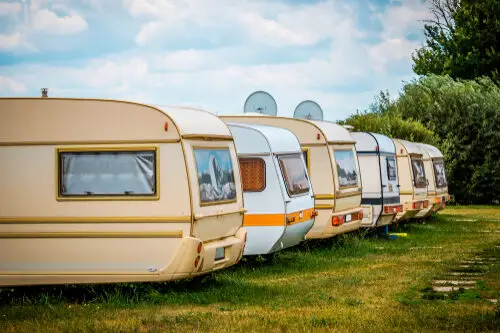
Longtime RVers say treating campgrounds as long-term storage lots is fading fast due to new reservation systems. Many parks now enforce maximum stay limits to keep sites available. Travelers appreciate this because it prevents overcrowding. More RVers are planning ahead instead of leaving rigs parked indefinitely.
Online booking platforms have made it easier for campgrounds to track usage. Seasonal pricing has also discouraged unnecessary long-term stays. As demand grows, parks prioritize visitors who are actively using their sites. This shift has reduced the old habit of treating campgrounds as storage yards.
This post 12 Road-Habit Trends Longtime RVers Expect to Fade Out Completely was first published on Greenhouse Black.
