
1. Maximalist Murals
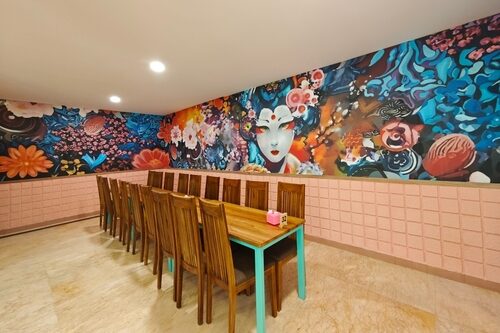
Oversized murals had a big moment on social media, but designers say they may feel visually overwhelming by 2026. As rooms trend toward calmer palettes, full-wall scenes can start to feel like sensory overload instead of a statement. Many homeowners also find murals difficult to change without major repainting or resurfacing. Because of that permanence, experts say they’re likely to fall out of favor as people look for more flexible décor choices.
The main reason these murals may age poorly is their specificity. A giant floral or jungle motif can date a room quickly once the trend cycle shifts. Designers increasingly recommend removable wallpapers or framed art as alternatives. These give you a similar expressive feel without committing to a wall-sized theme that might feel passé in a year.
2. Ultra-Minimalist All-White Rooms
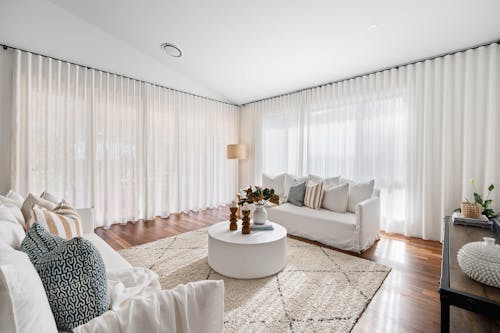
All-white rooms once felt chic and gallery-like, but now many designers say they can look cold and impractical. By 2026, the shift toward warmth and texture will make stark minimalism seem sterile. Homeowners also report that maintaining pure white surfaces is difficult in lived-in homes. That combination of high maintenance and low coziness means this trend may fade fast.
Another issue is that these spaces tend to look flat in photographs and real life. Without color variation, natural light can wash everything out. Designers predict more layered neutrals—like creams, beiges, and taupes—taking over instead. These tones still feel airy but create depth that all-white rooms lack.
3. Faux Industrial Details
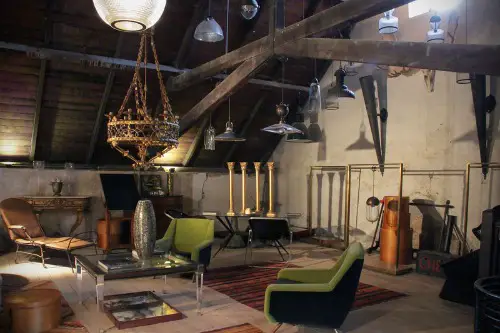
The industrial look had a long run, but the mass-produced versions are starting to feel predictable. Faux brick, faux concrete, and imitation pipes often look less authentic than intended. Designers note that these materials rarely develop the patina that makes true industrial spaces appealing. Without that natural aging, the trend can feel artificial and dated.
By 2026, the emphasis will shift toward real, tactile materials. Homeowners increasingly want finishes that tell a story rather than mimic one. Raw wood and genuine metal fixtures age more gracefully and add longevity to a space. As a result, the faux approach will likely fall out of favor.
4. Overt Farmhouse Signage
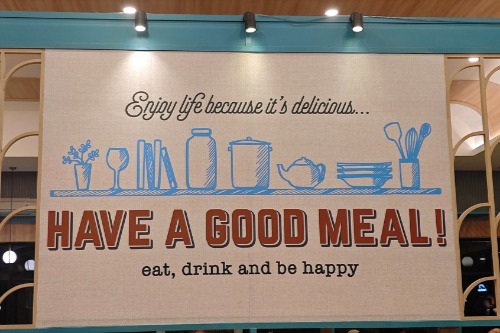
Farmhouse décor once felt cozy, but the mass-produced signs and slogans have become overly familiar. Designers say that abundance has turned the style into a theme rather than a personal design choice. When every home has identical sayings, the uniqueness disappears. By 2026, these elements may read as dated rather than charming.
The problem is how quickly these signs saturated both stores and homes. Their repetitiveness makes them easy to tire of. Designers suggest using rustic elements through materials instead of literal signage. Natural wood, ceramic pieces, and vintage finds feel more timeless.
5. All-Gray Interiors
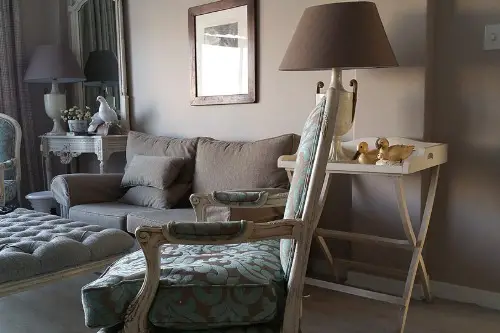
Gray dominated for years, but designers say the color is losing its hold as tastes warm up. Entire gray rooms can feel flat and even gloomy, especially in lower light. The pandemic years boosted demand for cozier hues, making pure gray palettes less appealing. By 2026, overly gray spaces may look like remnants of a previous design era.
Part of the issue is that gray doesn’t always complement evolving trends in textiles and furniture. Warmer woods and earthy fabrics clash with cool gray tones. Designers predict more balanced neutrals taking over instead. These create a softer, more inviting atmosphere without locking a room into one cool-toned palette.
6. Fast-Fashion Furniture
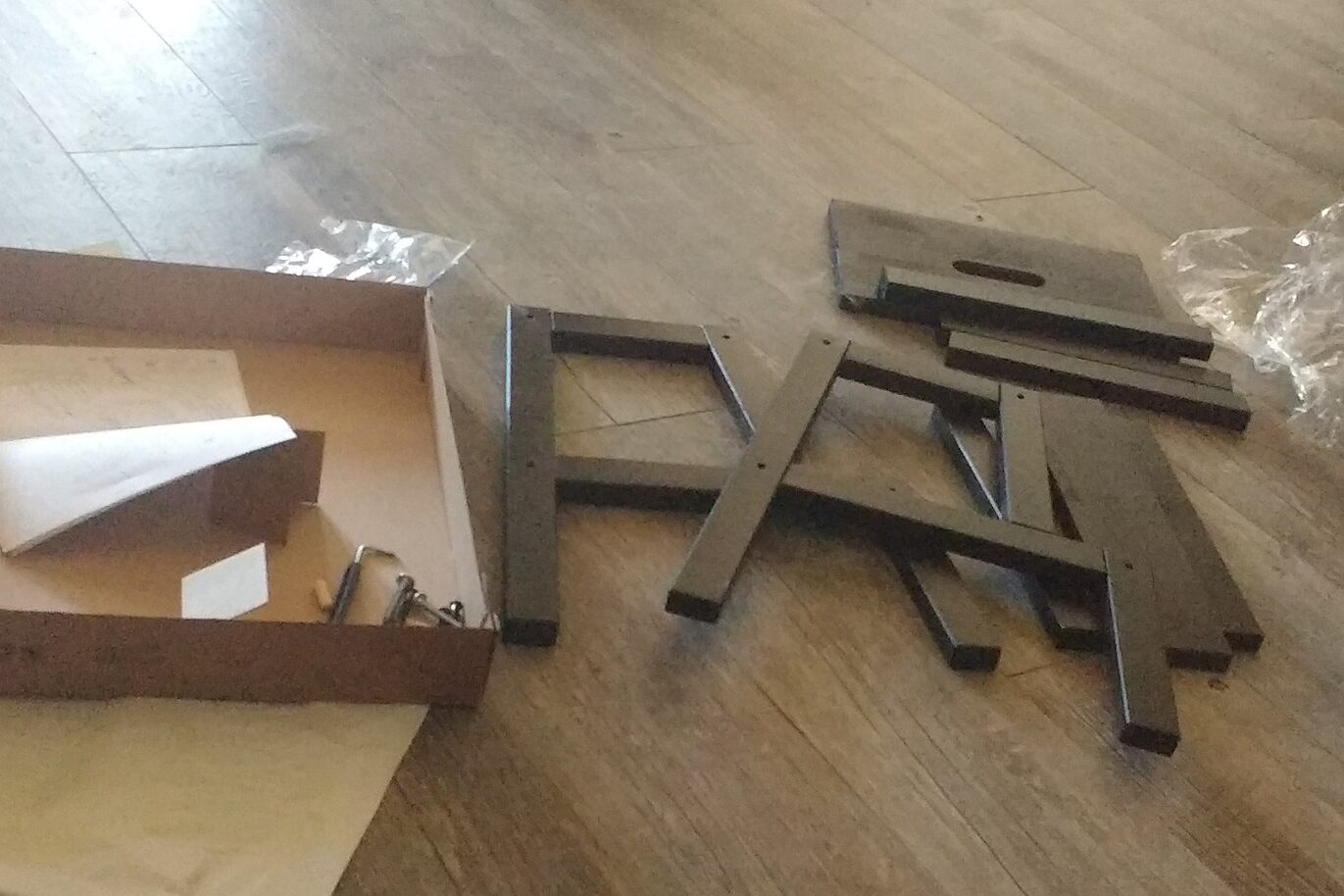
Ultra-cheap, particleboard-heavy furniture became popular for its convenience, but designers say it often wears poorly. Pieces can chip, sag, or discolor quickly, making them look tired far sooner than expected. As sustainability becomes a bigger focus, disposable furnishings seem increasingly impractical. By 2026, this throwaway mentality may be widely out of style.
The biggest issue is durability. When items only last a few years, they create both waste and frustration. Designers recommend investing in fewer but higher-quality pieces that age well. These choices save money long-term and help a space look intentional rather than temporary.
7. Busy Pattern Layering
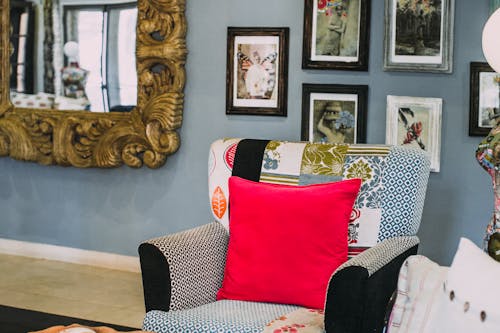
Maximal pattern mixing became a trend for those wanting bold personality, but it’s easy to overdo. Too many clashing prints can make a room feel chaotic instead of curated. Designers say homeowners sometimes underestimate how visually fatiguing heavy patterns can be. As a result, this style may feel overwhelming by 2026.
The longevity issue comes from balance. Patterns can be timeless, but only when thoughtfully combined. When every surface competes for attention, the design ages quickly. Experts predict people will pivot toward selective pattern use that highlights rather than overwhelms.
8. Neon LED Strip Lighting
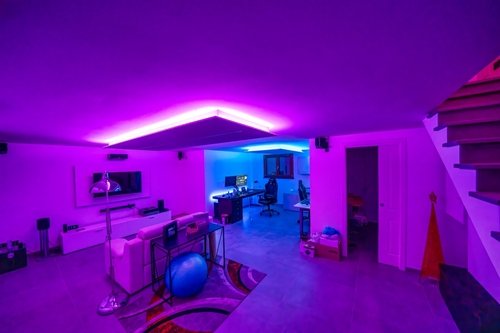
LED strip lighting surged thanks to gaming setups and TikTok décor videos, but designers say it doesn’t always translate well to grown-up spaces. The bright neon glow can make rooms feel more like clubs than homes. Over time, the harsh lighting can distort wall colors and décor choices. By 2026, this style may be seen as a teenage trend rather than a lasting design choice.
These lights are also tricky to blend with traditional furnishings. Their futuristic look clashes with warmer, more organic design styles gaining popularity. Designers anticipate a shift toward softer ambient lighting instead. Table lamps and warm LEDs create a more sophisticated, calming mood.
9. Highly Themed Rooms
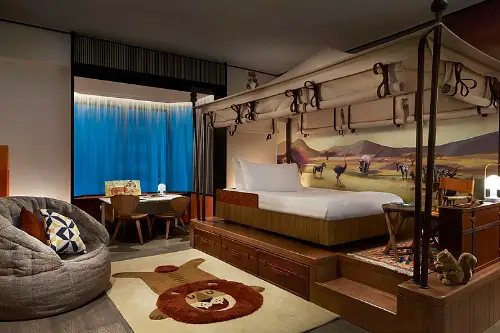
From coastal everything to mid-century replicas, fully themed rooms had a moment. Designers caution that these spaces age quickly because they feel more like sets than homes. The lack of personalization makes trends fade faster. By 2026, hyper-specific themes may feel too contrived.
The risk is in going all-in. A few themed pieces can be charming, but floor-to-ceiling motifs limit flexibility. Designers suggest incorporating themes subtly rather than literally. This approach keeps your space adaptable as styles evolve.
10. Open Shelving in Kitchens
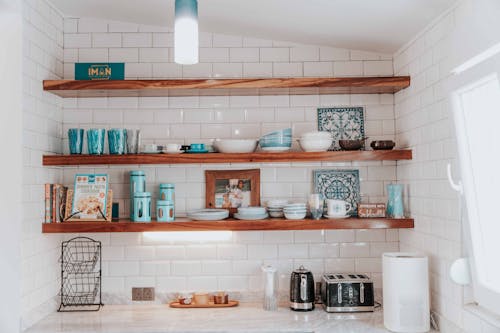
Open shelving looked airy and modern, but many homeowners discovered it’s high maintenance. Dust and grease accumulate quickly, requiring constant cleaning. Designers now say the look can seem impractical rather than stylish. By 2026, kitchens may shift back toward closed storage for ease and longevity.
Another issue is visual clutter. Unless items are perfectly styled, shelves can make kitchens feel messy. Designers predict that partial open storage may stick around, but full-wall open shelving will decline. Closed cabinets simply age better and suit more lifestyles.
11. Wall-to-Wall Mirrors
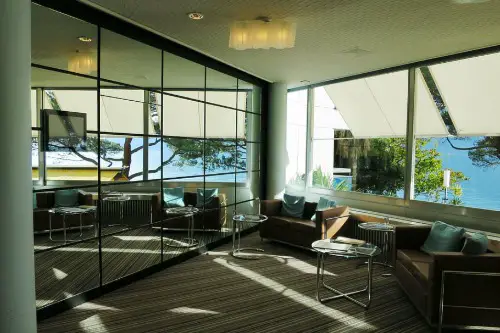
Mirrored walls once felt glamorous and space-expanding, but they’re becoming less appealing. Large mirrors reflect clutter and can amplify visual noise in a room. They also show wear easily, including scratches and aging of the silver backing. By 2026, designers expect these statement installations to seem outdated.
The problem is that mirrors date rooms to specific design eras. They were prominent in the ’80s and early 2010s, making them recognizable to trend cycles. Designers now prefer strategic mirror placement instead of full coverage. This still enhances light without overwhelming a space.
12. Matching Furniture Sets
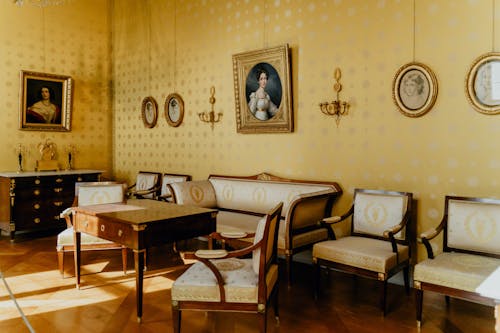
Perfectly matched sets once felt polished, but designers say they now appear overly coordinated. Homes today lean toward layered, collected looks rather than uniformity. Matching every piece can make a room feel impersonal and flat. By 2026, this rigid approach may seem old-fashioned.
The issue lies in limited flexibility. When all pieces are tied to each other, swapping one disrupts the entire aesthetic. Designers recommend mixing styles and materials for a more modern, curated feel. This approach ages better and makes updates easier.
13. Oversized Bouclé Everything
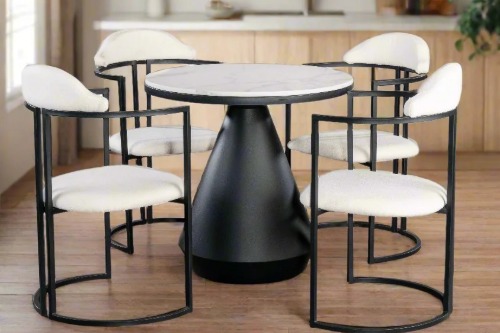
Bouclé furniture exploded in popularity, but designers warn it may be nearing oversaturation. While cozy, the texture doesn’t always hold up to heavy wear and can mat or fuzz over time. Rooms filled with too much bouclé can also look monotonous. By 2026, the overuse of this fabric may look like a moment rather than a movement.
The problem is that bouclé became a default choice instead of an accent. When every store and home features the same texture, it loses its novelty. Designers predict it will remain as a detail but not a dominant material. Mixing in varied textiles will help spaces feel more timeless and balanced.
This post 13 Décor Trends Designers Say Will Age the Worst by 2026 was first published on Greenhouse Black.
