
1. Sorting Food Scraps for Municipal Compost
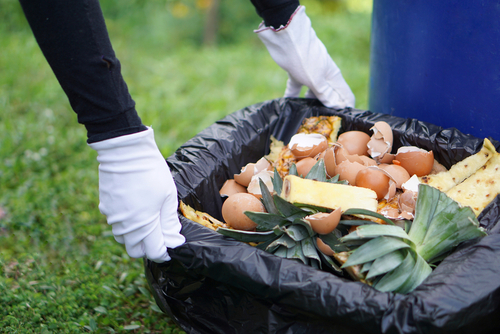
More cities are expanding organics recycling programs, and sustainability groups expect mandatory food-scrap sorting to become standard. The big push comes from the fact that food waste in landfills releases methane, a potent greenhouse gas. By triaging scraps at home, households can shrink their climate footprint with minimal lifestyle disruption. Cities can also turn that waste into useful compost for public landscaping projects.
Advocates say this will likely roll out alongside curbside compost bins, making the transition easier. Municipalities experimenting with these systems have reported lower landfill costs, which gives them added incentive. Clear labeling on bins and mobile reminders can help residents adjust without frustration. Many pilot programs show that compliance improves steadily when households get simple tools like countertop pails.
2. Weekly Energy-Use Checkups
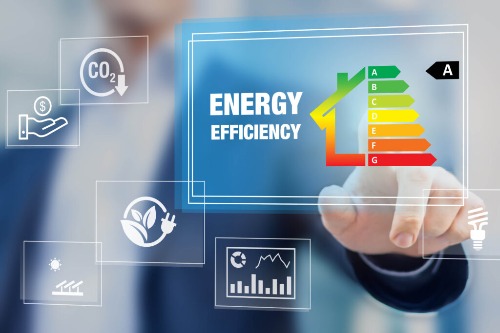
Reviewing your electricity use once a week may sound fussy, but experts think it’ll become a mainstream habit. Utilities are rolling out detailed energy dashboards that make tracking straightforward. When people can see spikes from appliances like dryers or space heaters, they often shift usage to off-peak times. That shift helps stabilize the grid and rewards consumers with lower bills.
Some regions already offer small rebates for consistent off-peak behavior, which could lead to future requirements. Sustainability analysts argue that voluntary tracking today will prepare households for possible mandates tomorrow. They also point out that weekly checkups uncover faulty appliances sooner. In the long run, catching those issues early prevents energy loss and saves money.
3. Using Refillable Household Cleaners

Refill stations for cleaning products are showing up in grocery stores, and experts predict they’ll become a requirement for reducing plastic waste. Liquid cleaners account for a surprising portion of single-use bottles in household trash. Switching to concentrated refills can cut that dramatically. It also reduces shipping emissions because concentrates are lighter and smaller.
Sustainability groups expect local governments to offer incentives before considering mandates. Early trials in Europe suggest that refill compliance grows quickly when stores make the process painless. Brands are starting to redesign packaging specifically for long-term reuse. If that trend continues, refillable cleaners may be the default option within a couple of years.
4. Mandatory LED and Smart Bulb Adoption

Many regions already restrict older bulbs, and sustainability experts expect a near-universal LED requirement by 2026. LEDs use far less energy and last significantly longer, which reduces household waste. Smart bulbs add the benefit of automated shut-offs to prevent accidental overuse. With energy grids under pressure, these small changes add up fast.
Analysts note that costs have fallen dramatically, making adoption easier. Some utilities have even given away LED starter kits to accelerate the transition. Because smart bulbs help shift demand, they support grid modernization goals. Experts think these combined factors will eventually make LEDs the standard rather than the upgrade.
5. Dedicating a “No-Carbon” Cooking Day
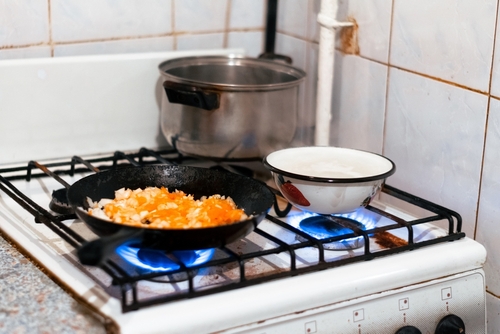
Sustainability groups say households will soon be encouraged—or required—to have one day each week where no gas appliances are used. This helps reduce dependence on fossil fuels without forcing a full system overhaul. Small shifts like choosing cold meals or using electric countertop devices can significantly lower emissions. Cities experimenting with this approach report measurable reductions during pilot programs.
The idea is less about strict enforcement and more about building awareness. Advocates say that once families realize how easy one day can be, they often add more. This creates momentum toward long-term electrification. It also teaches residents how to adapt during energy emergencies or air-quality alerts.
6. Daily Indoor Air-Quality Checks

Air-quality sensors are becoming affordable, and experts think they’ll soon be a standard household tool. Poor indoor air is linked to respiratory issues, especially in homes with gas stoves or limited ventilation. By doing quick daily checks, residents learn when to open windows or run purifiers. This habit can prevent long-term health problems and improve comfort.
Cities concerned about wildfire smoke or industrial pollution may require homes to monitor indoor levels. Some regions already issue alerts that recommend indoor actions, a system that could evolve into formal rules. Manufacturers are adding automatic alerts to make monitoring effortless. As these devices become more common, the daily check may feel as routine as checking the weather.
7. Limiting Shower Length with Timers

Water-stressed regions are pushing for shorter showers, and sustainability groups predict household timers will become mandatory. Long showers waste both water and the energy required to heat it. Timers help people build awareness about their usage without sacrificing comfort. Most families find they can cut several minutes without feeling rushed.
Drought-prone cities are already experimenting with incentives for homes that reduce water use. Researchers say these small shifts can significantly ease pressure on municipal systems. Some smart showers can track usage and offer gentle reminders. Advocates believe this combination of tech and habit-building will make shower timers a standard household tool.
8. Daily Refrigerator Inventory Checks
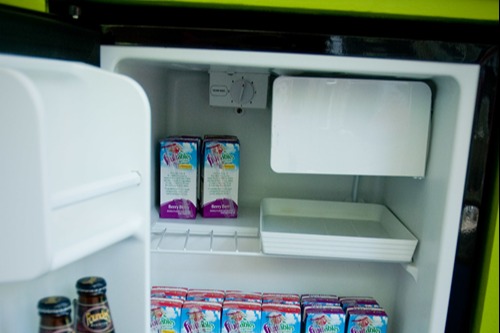
A quick look inside the fridge each day helps prevent food waste, and sustainability experts think this micro-habit will become widely recommended. Many households buy duplicates simply because they forget what they already have. Regular checks reduce spoilage and curb the environmental footprint of unnecessary purchases. It also saves families money in the long run.
Some cities are exploring waste-reduction programs that include food-tracking apps. These apps remind users when items are nearing expiration, which aligns with daily checkups. Sustainability analysts say these tools can cut household food waste dramatically. As adoption grows, daily inventory checks may become part of official community guidelines.
9. Routine Appliance “Idle Mode” Shutdowns
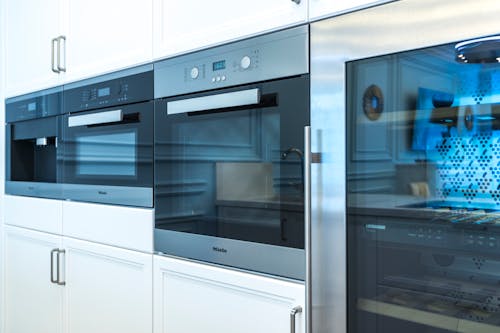
Many devices pull electricity even when not in use, something known as phantom load. Sustainability groups predict mandatory nightly “idle mode” shutdowns to curb this. Households can use smart plugs to automate the process and avoid the hassle of manual unplugging. The energy savings add up surprisingly quickly.
Utilities are increasingly concerned about unnecessary overnight load on the grid. Nighttime reductions support grid stability during extreme weather events. Some regions have already run pilot programs encouraging idle-mode cutoffs. Results show that households adjust easily once automation is set up.
10. Washing Clothes in Cold Water

Cold-water washing is already promoted by environmental organizations, and many expect it to become a standard requirement. Heating water accounts for a major chunk of energy use in laundry. Modern detergents are designed to work effectively in cold temperatures, making the habit painless. This reduces emissions and extends the life of fabrics.
Regions trying to meet climate targets may incentivize or mandate cold-water cycles for non-sanitary loads. Manufacturers are also updating machines to default to cold settings. These shifts point toward an inevitable household standard. Consumers benefit through lower utility bills and less clothing wear.
11. Collecting Greywater for Outdoor Use
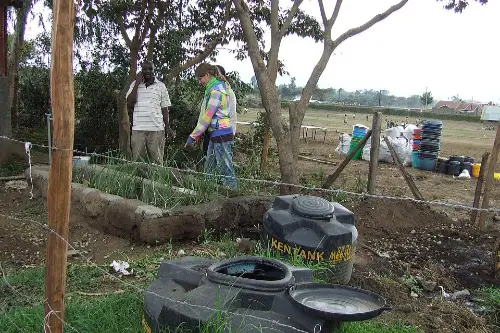
Greywater systems reuse lightly used water from sinks, showers, and laundry for gardening. Sustainability groups expect simplified, at-home greywater capture to become more common or even required in dry regions. This relieves pressure on municipal supplies and reduces household demand. Even small systems can irrigate gardens effectively.
Pilot programs show that homeowners adapt quickly when municipalities provide starter kits. Some cities already allow simple bucket-based systems without permits. Advocates argue these low-tech options could become a transitional requirement. As climates get drier, this habit helps households become more resilient.
12. Switching to Reusable Kitchen Towels

Paper towel waste is massive, and sustainability experts believe homes will move toward reusable cloths as a baseline requirement. This reduces both landfill waste and the emissions tied to paper production. Reusable towels can handle most daily spills with minimal effort. Many families find the transition surprisingly seamless once they build the habit.
Some governments have started offering small grants or discounts for households reducing paper waste. Retailers are also introducing cloth towel packs meant to replace disposable rolls entirely. Sustainability groups say widespread adoption could significantly cut household waste streams. By 2026, reusable towels may be viewed as a normal household essential rather than an eco-choice.
This post 12 Daily Home Habits Sustainability Groups Predict Will Be Mandatory by 2026 was first published on Greenhouse Black.
