
1. A Decorative Front Door Wreath for Every Season
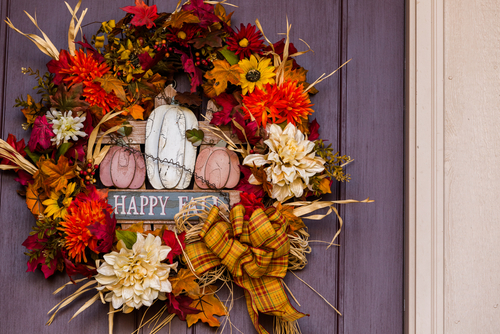
Boomers embraced seasonal wreaths as a cheerful nod to hospitality and tradition. They swapped them out for holidays, seasons, and special events. It was a simple way to show neighborhood pride. Wreaths helped make the home feel welcoming from the outside.
Gen Z is less likely to decorate with highly seasonal items. They often prefer minimal or modern exterior design. Some view seasonal décor as clutter or unnecessary spending. The ever-changing wreath rotation doesn’t carry the same emotional weight.
2. A Formal Dining Room
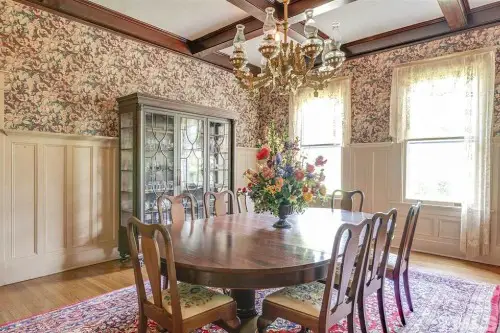
Boomers valued a designated dining room because it represented tradition and family gathering. Holiday meals, dinner parties, and special occasions centered around that space. Furniture was often purchased as matching sets meant to last decades. It was a room meant to impress guests as much as serve meals.
Gen Z tends to see formal dining rooms as wasted square footage. Many prefer open-concept spaces where eating, lounging, and cooking blend together. They’re more likely to invest in multifunctional furniture instead of heavy dining sets. The idea of a rarely used “special” room feels impractical to them.
3. A China Cabinet Filled With Fine Dishes
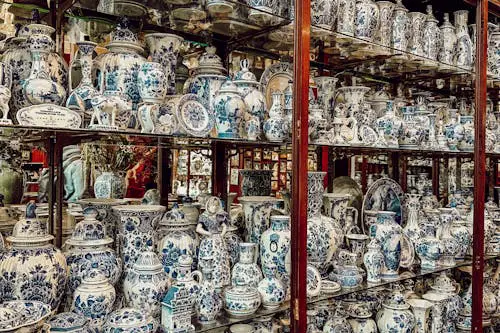
For Boomers, owning fine china signified adulthood and financial responsibility. Wedding registries often included full sets reserved for special occasions. Displaying them in a glass-front cabinet showed care and craftsmanship. It also reflected a time when formal entertaining was more common.
Gen Z rarely buys china because it’s fragile and requires storage space. They prioritize durable, everyday dishware instead. Many don’t host formal dinners, so they have little use for ornate sets. The china cabinet reads more like clutter than a status symbol.
4. A Two-Car Garage
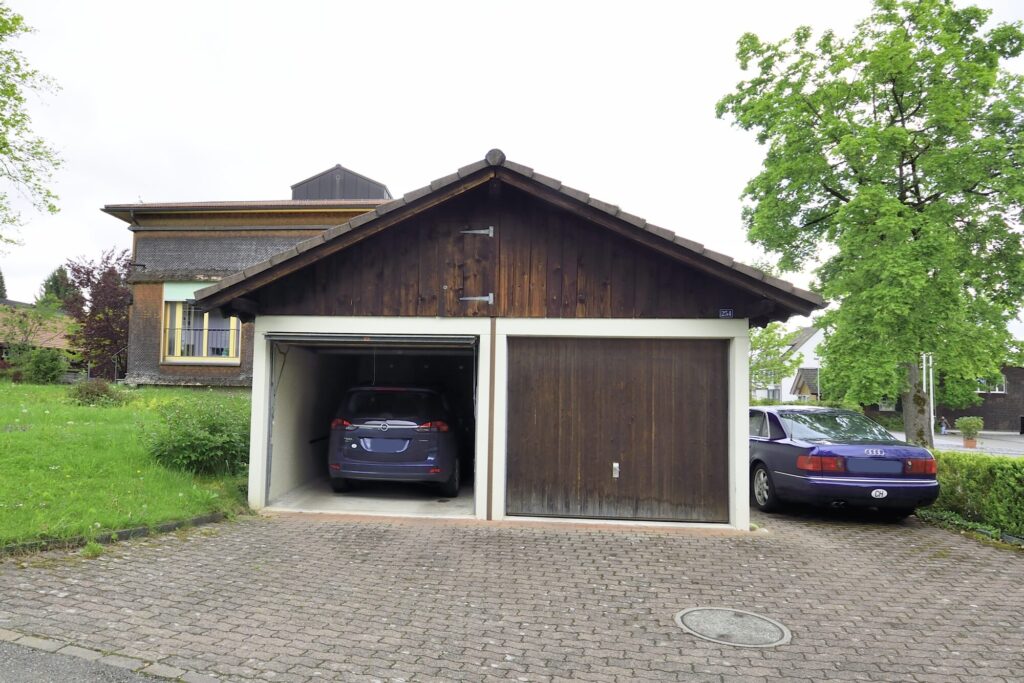
In suburban Boomer culture, a two-car garage represented upward mobility. It meant enough space for two vehicles plus tools, hobbies, or storage. For many families, the garage doubled as a workspace or project zone. It was both practical and symbolic of middle-class comfort.
Gen Z is less tied to car-centric living, especially in walkable or transit-friendly areas. Some prefer smaller homes or apartments where a garage isn’t expected. Others prioritize experiences over possessions and don’t need extra storage. The garage no longer carries the same automatic prestige.
5. Wall-to-Wall Carpeting
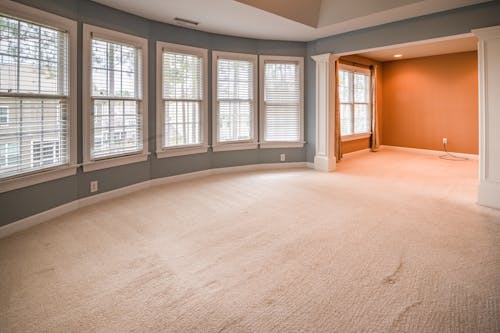
Boomers embraced plush carpeting because it felt cozy and upscale compared to older hardwood floors. It added insulation, warmth, and a sense of uniformity throughout the home. Carpeted rooms were marketed as modern and family-friendly. It also aligned with mid-century design trends.
Gen Z tends to favor hardwood, laminate, or luxury vinyl plank for easier cleaning. Allergies and pet ownership make carpet less appealing to them. They often see carpet as outdated, especially in high-traffic areas. What once felt luxurious now feels impractical.
6. A Big Entertainment Center
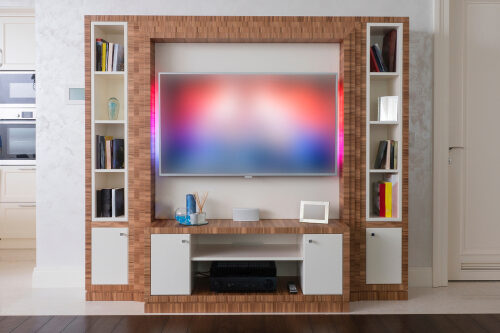
Boomers often invested in large wooden entertainment centers that housed TVs, DVDs, VHS tapes, and stereo equipment. These pieces were major furniture purchases that anchored the living room. They showed off technology as much as they contained it. The bigger and more built-in, the better.
Gen Z grew up with flat screens and streaming, so they don’t need bulky shelving. Minimalist TV mounts or small consoles make more sense for them. Media is digital, so there’s little need for physical storage. The entertainment center feels like a relic from another technological era.
7. A Riding Lawn Mower

For Boomers with larger yards, a riding mower symbolized convenience and suburban success. It meant you had enough property to justify the machine. These mowers also saved time and made yard work feel more manageable. Plus, they were often a point of pride among neighbors.
Gen Z leans toward smaller yards or landscaping that requires minimal mowing. They’re also more likely to hire out the job when possible. Eco-friendly alternatives like electric mowers appeal to them more. A large gas-powered riding mower feels excessive instead of impressive.
8. A Mailbox Customized for Curb Appeal

Boomers often upgraded their mailbox to reflect personality and polish. Decorative posts, brass numbers, and coordinated colors were common touches. A fancy mailbox was a small but noticeable nod to homeownership pride. It also reflected an era when mail delivery felt more central to daily life.
Gen Z receives most communication digitally, so mailboxes hold less meaning. They’re unlikely to spend money upgrading something rarely used. Many only check the mailbox occasionally, making aesthetics less important. The charm of a decorated mailbox doesn’t resonate the same way.
9. A Full Basement Bar
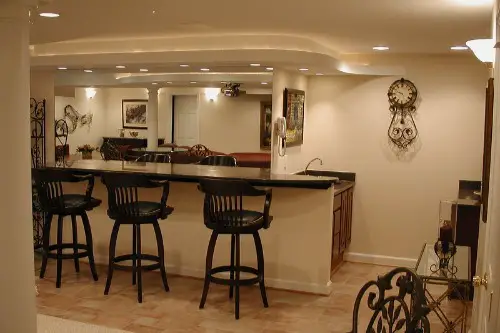
Boomers loved basement bars because they brought entertainment into the home. Having one signaled that you hosted gatherings and enjoyed socializing. Many bars included custom cabinetry, mirrored shelving, or built-in lighting. It was a fun, slightly glamorous DIY project of the time.
Gen Z prefers casual hangouts or outdoor spaces over full bar installations. They’re less likely to dedicate square footage to alcohol storage. Portable bar carts or simple shelves feel more flexible. The basement bar reads more like nostalgia than a modern necessity.
10. A Large Collection of Power Tools
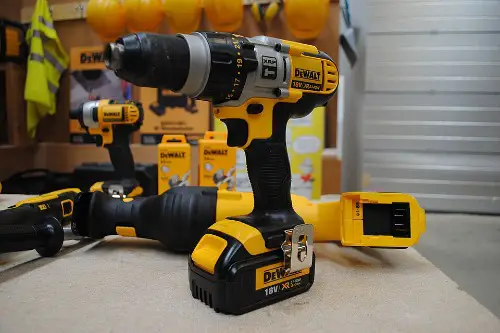
For Boomers, owning a full set of power tools meant competence and self-reliance. Home improvement was often approached DIY-style to save money. Tools represented readiness for repairs, renovations, and weekend projects. A well-stocked workshop was something to be proud of.
Gen Z often rents tools or hires professionals instead of buying everything themselves. Many live in smaller spaces where storage is limited. They prioritize convenience over owning a full tool arsenal. The idea of collecting tools for every need feels outdated.
11. Matching Washer-and-Dryer Sets
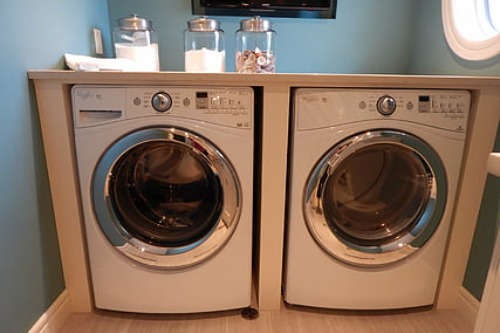
Boomers appreciated matched laundry appliances as a sign of order and stability. Buying a coordinated set showed investment in the home. These appliances were often a major purchase and maintained carefully. A matching pair symbolized domestic efficiency.
Gen Z tends to choose appliances based on price, reliability, or energy efficiency rather than matching aesthetics. They may inherit or buy secondhand units. Practicality outweighs coordination for them. The matched set no longer feels like a meaningful milestone.
12. A Perfectly Manicured Front Lawn
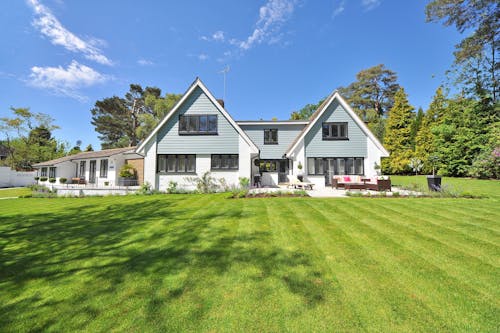
For Boomers, a lush, uniform lawn signaled stability, pride, and a certain level of financial comfort. Weekend mowing, edging, and fertilizing were almost suburban rituals. Neighborhoods often had unofficial standards, and people took note of who kept up. A pristine lawn wasn’t just landscaping—it was a public statement of diligence.
Gen Z, however, often sees lawns as expensive and environmentally unfriendly. Concerns over water usage and pesticide runoff make the classic lawn feel excessive. Many younger homeowners prefer native plants or low-maintenance ground cover instead. The old-school pride in lawn perfection simply doesn’t translate for them.
This post 12 Suburban Status Symbols Boomers Recognize Instantly — But Gen Z Doesn’t was first published on Greenhouse Black.
