
1. Stricter Pet Policies
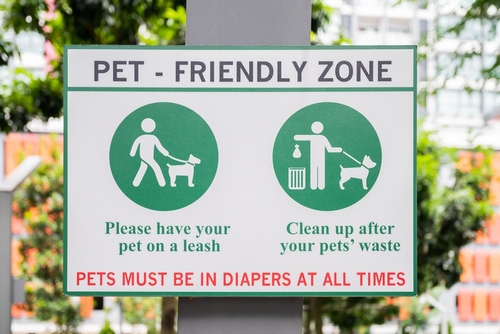
Many HOAs are likely to tighten rules around pets as complaints about noise and safety continue to rise. Boards may increase requirements for registration, behavior documentation, or designated walking routes. These changes are often motivated by conflicts among neighbors about barking or aggressive behavior. HOAs may feel more pressure to act as communities get denser.
Some neighborhoods may also introduce breed or size assessments that weren’t previously enforced. Others could impose fines for repeat violations like off-leash wandering or uncollected waste. These rules come from a desire to maintain a controlled and predictable environment. Even responsible pet owners might feel the impact if boards apply rules more uniformly.
2. Short-Term Rental Restrictions
With concerns about transient guests and neighborhood instability, HOAs are poised to get tougher on short-term rentals. Boards may roll out minimum lease lengths or require owners to register every guest. This kind of oversight often stems from complaints about noise, parking, or unfamiliar people entering shared areas. It’s also influenced by broader debates over the effect of vacation rentals on housing availability.
Communities may place caps on rental percentages to keep the owner-occupancy ratio high. They might also require landlords to take on more accountability for renter behavior. HOAs see this as a way to maintain property values and limit wear on amenities. Homeowners who rely on rental income may find these changes restrictive.
3. Exterior Modification Approvals
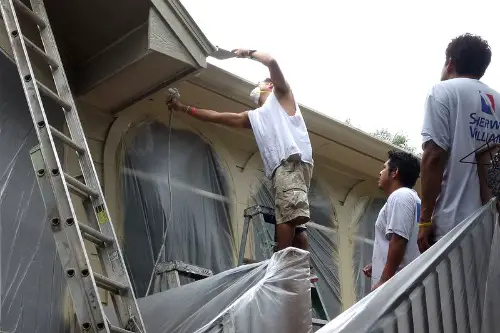
HOAs could start enforcing stricter standards for exterior changes as homeowners invest in more renovations. Boards often worry that mismatched paint, unapproved fencing, or unusual add-ons can disrupt a neighborhood’s cohesion. They may respond with longer approval timelines or more detailed design requirements. Homeowners who prefer individuality might collide with these expectations.
Solar panels, pergolas, and visible utility upgrades may become points of tension. Some HOAs may require more discreet placement or additional screening to maintain aesthetic standards. This isn’t always about rejecting upgrades but ensuring they visually align with the development. The result may be more paperwork and fewer spontaneous improvements.
4. Parking and Vehicle Storage Rules
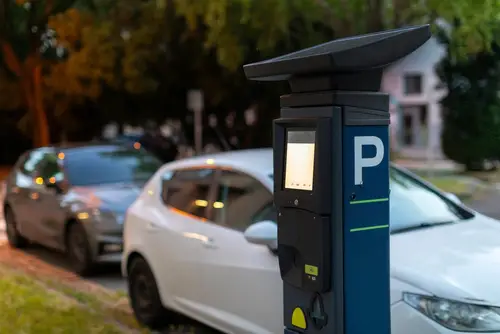
As household vehicle numbers grow, HOAs may tighten restrictions on parking in driveways, streets, or common areas. Boards often cite congestion, emergency-vehicle access, and appearances as their main concerns. RVs, boats, and oversized vehicles may face new rules or require special permissions. Enforcement could become quicker and more consistent than before.
Some communities may add digital tracking or stricter guest-parking limits. Homeowners with multiple cars might be pushed toward off-site storage. HOAs see this as a way to prevent clutter and maintain an orderly streetscape. These policies can feel intrusive for residents who depend on flexible parking.
5. Noise and Activity Curfews

Remote work and denser living conditions have led to increased noise sensitivity, prompting HOAs to consider firmer curfews. More explicit rules about music, outdoor gatherings, or late-night renovations may appear. Boards often argue that predictable quiet hours benefit the entire community. These policies can feel stricter than what some homeowners are used to.
Guest limits may also be revisited to reduce crowding and late-night disruptions. HOAs could require owners to log guests using digital portals for accountability. They may also introduce rules for home-based activities that create noise. Over time, these measures may reshape how residents socialize.
6. Décor and Exterior Appearance Rules

Visible clotheslines, oversized holiday decorations, and certain types of yard décor may be targeted for stricter oversight. HOAs typically justify this by aiming to keep neighborhoods tidy and consistent. As more people personalize their homes, boards may feel compelled to set sharper boundaries. Expectations for uniformity often become the deciding factor.
Increased restrictions could limit political signs, large flags, or elaborate lighting displays. Some communities may impose shorter time windows for decorations to be displayed. The motivation is to reduce visual clutter and avoid disputes among neighbors. Homeowners who enjoy creative expression may have less freedom than before.
7. Rules About Solar Panels and “Green” Upgrades
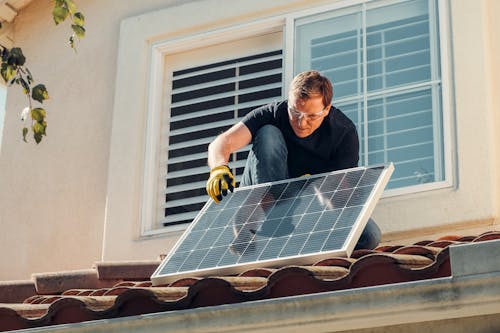
Even as renewable energy becomes more common, HOAs may still tighten rules to keep upgrades visually cohesive. Boards sometimes worry that panel placement or bulky hardware disrupts the architectural look. This could lead to stricter placement guidelines or mandatory color-matching. These decisions often reflect a desire to balance sustainability with aesthetics.
Homeowners may need to submit more detailed installation plans. Some communities might require ground-mounted systems instead of roof-mounted ones. Others could demand screening or additional modifications. These hurdles can slow adoption even when associations support environmental progress.
8. Landscaping and Yard-Upkeep Standards

HOAs are likely to enforce lawn maintenance more rigorously as drought concerns or messy yards become community issues. Owners might face specific requirements about mowing frequency, plant choices, or tree trimming schedules. Boards often argue that neat landscaping preserves curb appeal. Consistent upkeep can also reduce pest problems.
Rules may tighten around vegetable gardens, rain barrels, or native-plant yards. Some HOAs may push back against unconventional landscaping styles that stand out too sharply. Homeowners who prefer low-maintenance or natural yards might feel constrained. This trend typically stems from efforts to maintain visual harmony.
9. Common-Area Use Rules
Communities may impose more structured rules on pools, clubhouses, and shared amenities. Associations often deal with wear-and-tear issues, overcrowding, and liability concerns. As a result, reservations, guest limits, or time-restricted access may increase. Fines for improper use could also become more common.
Cleaning requirements or restrictions on food, alcohol, or large gatherings may be enforced more tightly. HOAs may argue this protects amenities from damage and ensures fairness among residents. Homeowners who rely on these spaces for socializing might need to adapt. The experience may feel more regulated than before.
10. Oversight of Home-Based Businesses

As home-based businesses grow more common, HOAs may strengthen rules about traffic, signage, and noise. Boards often want to prevent residential areas from feeling commercial. This can lead to new restrictions on client visits or visible equipment. These measures usually aim to preserve the neighborhood’s character.
Some communities may require business registration or limit the number of permitted activities. Work that brings frequent visitors may become heavily scrutinized. Homeowners who expanded home-based work during recent years may find old rules newly enforced. This shift reflects an attempt to manage changing work habits.
11. Trash and Waste-Management Enforcement

HOAs could become more precise about when trash bins can be placed outside and how long they can remain visible. Boards often receive complaints about cluttered driveways or waste attracting pests. These concerns lead to very specific scheduling rules. Homeowners might experience quicker responses to even small violations.
Bulk items, recycling practices, and yard waste could face closer monitoring. Improper disposal may result in increased fines. The goal is to keep the neighborhood clean and avoid sanitation issues. Some residents may see this as beneficial, while others may feel the pressure of constant oversight.
12. Digital Compliance and Record-Keeping Requirements

As more HOAs adopt digital systems, residents may need to complete approvals, submissions, and payments online. Boards appreciate that these systems make tracking violations and records easier. This shift also reduces disputes about lost paperwork or miscommunication. It can streamline how rules are enforced.
Mandatory digital portals may become standard for guest registration, maintenance requests, or rule acknowledgments. This can make compliance feel more formal and immediate. Homeowners who aren’t tech-savvy might struggle with the transition. Still, many communities see this as a step toward transparency and consistency.
This post 12 Rules HOAs Are Poised To Crack Down On by 2026 was first published on Greenhouse Black.
