
1. DVD and Blu-ray Collections

Large DVD and Blu-ray collections are becoming outdated for millennials as streaming libraries expand. Physical discs take up space that many would rather use more intentionally. Even collectors find that many titles are now available digitally. And for the few that aren’t, discs are easy enough to store selectively instead of keeping hundreds.
Younger homeowners also appreciate not having to move heavy boxes of media every time they relocate. Many apartments lack storage, so downsizing collections feels practical. The convenience of accessing movies across devices is another big factor. Ultimately, keeping only favorites feels more aligned with their actual viewing habits.
2. Bulky Entertainment Centers
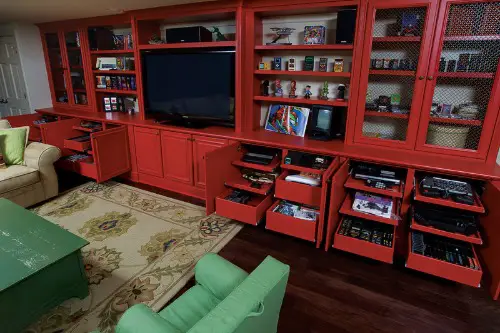
Millennials are finally ditching oversized entertainment centers that once housed chunky TVs and DVD racks. Many found they simply overwhelmed smaller apartments and urban living spaces. With sleeker screens and wall mounts becoming the norm, these massive pieces no longer make sense. The shift toward minimalism has also made visual clutter harder to justify.
Plus, the storage space these units offered is often unnecessary now that media has moved almost entirely online. Fewer physical discs mean there’s less to stash away behind heavy cabinet doors. The freed-up floor space often makes rooms feel instantly larger. For many, it’s an easy decision once they see the difference.
3. Formal China Sets
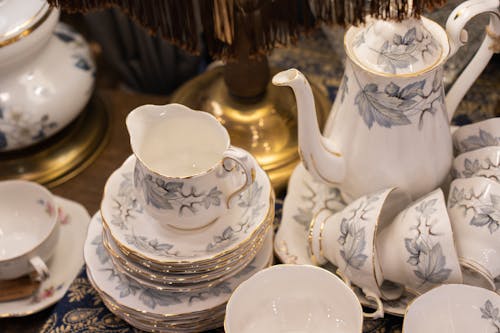
Lots of millennials are parting ways with heirloom china sets they’ve been storing for years. These pieces are beautiful, but many never actually use them. Formal dining has become less common as casual hosting becomes the preferred style. The cost and care required to maintain delicate china just don’t align with modern habits.
Many are choosing everyday dishware that’s durable, dishwasher-safe, and cohesive with their actual lifestyle. Space is also a major factor, as china cabinets aren’t exactly practical for small homes. Some donate or resell the sets so they can go to households that will appreciate them. Others keep a few sentimental pieces and release the rest.
4. Decorative Throw Pillows Overload
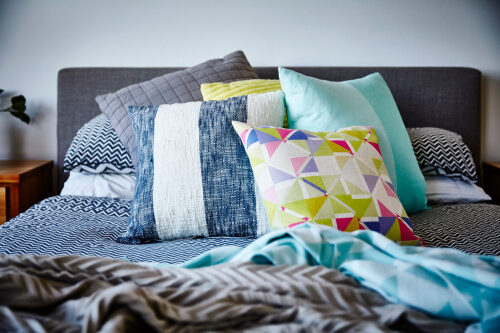
Millennials are paring down the once-popular mountain of decorative throw pillows. Many found that while they looked cute in photos, they were annoying to move every single day. Guests often tossed them aside anyway, making their purpose feel superficial. And washing or replacing them became yet another chore on an already long list.
Simpler designs make living spaces feel cleaner and less fussy. People are opting for a couple of high-quality pillows instead of a dozen cheap ones. Fewer pillows also mean easier upkeep and more functional seating. It’s comfort first, aesthetics second.
5. Single-Use Kitchen Gadgets

Items like banana slicers and avocado-specific tools are finding their way out of millennials’ kitchens. Many realized they were buying gadgets for novelty rather than functionality. These tools take up drawer space but rarely get used. A good knife often does the job faster and with less clutter.
Practicality has become a core value in millennial kitchens. Multi-use tools and minimalist cookware are the new standard. People are increasingly aware of unnecessary purchases, especially with rising costs of living. Decluttering these gadgets feels both financially and mentally freeing.
6. Ironing Boards
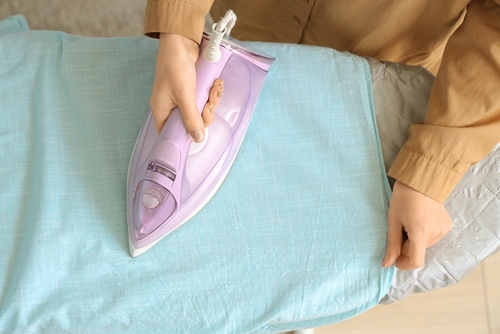
Ironing boards are disappearing in favor of handheld steamers and wrinkle-release sprays. Steaming is faster, easier, and requires much less storage space. Many millennials don’t wear heavily pressed clothing in day-to-day life. Casual fashion and work-from-home culture have changed wardrobe needs significantly.
Steamers also work better for delicate fabrics and quick touch-ups. They’re lightweight, portable, and don’t require setting up a full board. As a result, fewer people feel the need to keep bulky boards around. It’s one less item crowding closets or laundry areas.
7. Overly Themed Décor

The era of strict beach themes, farmhouse overload, or Paris-themed bedrooms is fading. Millennials are favoring more personalized and flexible design choices. Many found that themed décor aged quickly and needed constant updating. The result was more spending and more waste.
By choosing neutral or adaptable pieces, they can refresh a space without starting from scratch. It also allows for evolving tastes over time. Unique, meaningful items tend to hold up better than trendy ones. This approach supports both budget and longevity.
8. Massive Coffee Tables
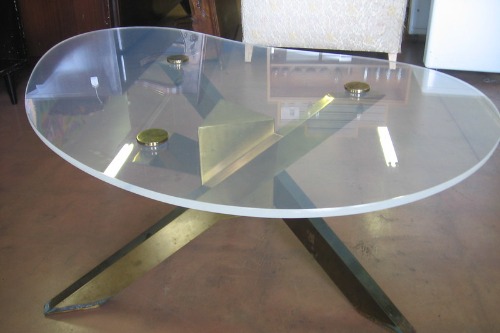
Huge, heavy coffee tables are being traded for smaller, more versatile options. Compact tables or nesting sets fit better with modern living spaces. Millennials appreciate being able to rearrange their furniture easily. And large tables often dominated rooms more than they served them.
Lightweight designs make cleaning and hosting simpler. Many prefer tables with built-in storage or adjustable heights. Functionality is now just as important as style. It’s about keeping the room open and flexible.
9. Spare Sets of Guest Bedding
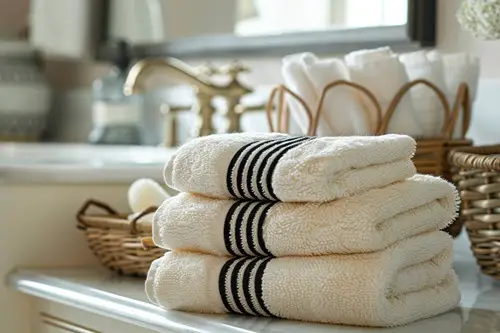
Keeping stacks of extra bedding “just in case” is becoming less common. Many millennials don’t regularly host overnight guests due to smaller homes. When visitors do stay, one extra set is usually plenty. The days of full linen closets stocked for hypothetical scenarios are fading.
Reducing these extras frees up valuable closet space. It also encourages more thoughtful purchasing. People are choosing quality over quantity in textiles. And storing only what’s used keeps household management simpler.
10. Giant Desktop Computers
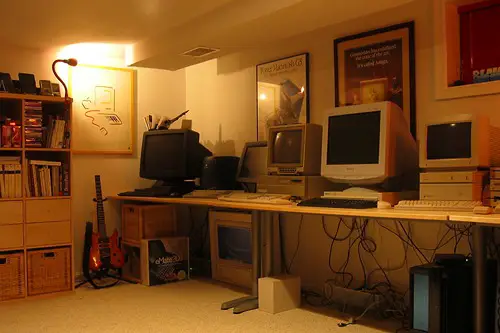
Bulky desktop setups are giving way to laptops and compact workstations. Many millennials don’t need the power of a traditional tower for everyday tasks. Smaller devices are more energy-efficient and portable. And fewer cords mean less visual clutter around the home.
Home offices benefit from the added space and streamlined design. Even gamers are opting for smaller rigs when possible. Remote workers appreciate gear that moves with them easily. The lighter footprint just fits modern living better.
11. Popcorn Ceilings

Millennials renovating older homes are quickly removing popcorn ceilings. These textured surfaces are known to trap dust and dim natural light. Many properties built before the 1980s also used materials that require professional removal. Because of this, popcorn ceilings have become more of a liability than a feature.
Smooth ceilings help spaces look brighter and more updated. They also allow for modern lighting installations. While removal can be costly, homeowners often find it boosts the home’s overall appeal. It’s a practical upgrade that pays off visually.
12. Towel Warmers
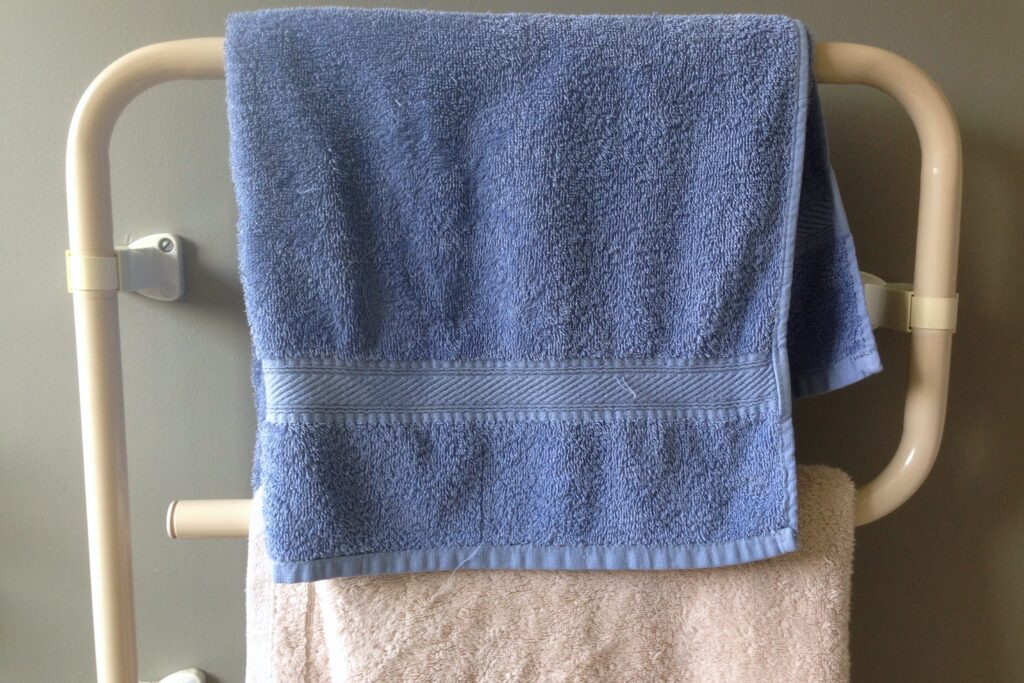
Towel warmers, once considered a small luxury, are being uninstalled or left unused. Millennials often find they aren’t necessary for day-to-day life. They consume energy without offering much practical benefit. For many, they became décor rather than functional fixtures.
People prefer simpler bathroom setups that require less maintenance. Warm towels sound nice, but most don’t see enough value to keep the devices. Removing them can also streamline bathroom design. It’s one less appliance to think about.
13. Specialized Cleaning Tools

Millennials are letting go of cleaning tools designed for just one task. A broom, mop, and multipurpose cleaner often do the job well enough. Extra gadgets take up space and rarely work better. Many people realized they were buying solutions to invented problems.
With smaller homes, every inch counts. Consolidating tools reduces clutter in utility closets. It also simplifies cleaning routines overall. The result is fewer purchases and less frustration.
14. Old Sports Equipment
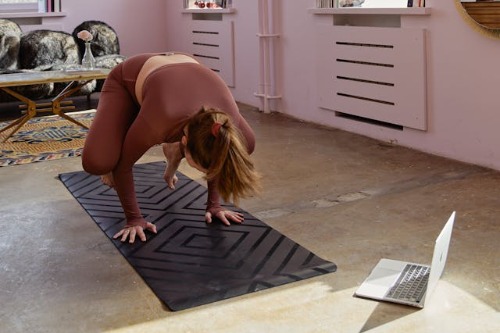
Dusty tennis rackets, unused skis, and forgotten yoga props are finally on the way out. Millennials are acknowledging when hobbies just didn’t stick. Keeping equipment for “someday” became more stressful than motivating. And storing bulky items only adds pressure in limited spaces.
Donating or selling these items lets someone else enjoy them. It also frees up room for activities they actually love. People are learning they don’t need gear to justify past interests. Letting go makes room—literally and emotionally—for new priorities.
This post 14 Home Items Millennials Are Finally Letting Go of Completely was first published on Greenhouse Black.
