
1. Leaving Items Outside for Days
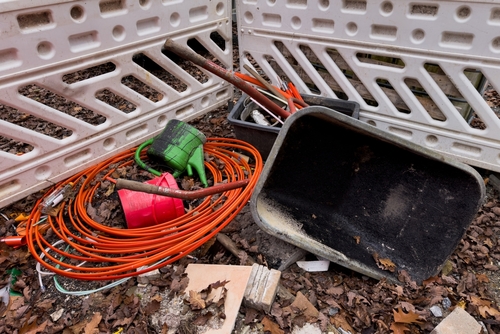
Things like bikes, sports gear, or tools left on your lawn or driveway can quietly flag you to the HOA. These items make the neighborhood look cluttered, and HOAs prioritize appearance. Even if the items are harmless, the HOA sees them as a sign of ongoing disorganization. Once they notice it’s happening repeatedly, they may issue a reminder.
Outdoor storage rules are usually very specific. The HOA may require everything to be stored in a garage or behind a fence. If your items are visible from the street, violations can stack up quickly. Keeping the area tidy helps avoid those notices.
2. Ignoring Trash Can Rules
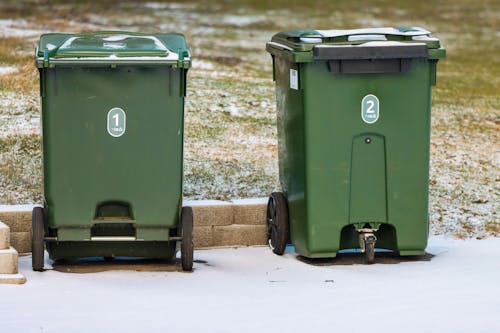
Many HOAs have specific times when trash bins can be set out, and missing that window can put you on the radar fast. Leaving bins out too early or too long draws attention because it affects curb appeal. Even if it’s just once or twice, the HOA may assume you’re ignoring the guidelines. It’s one of the easiest mistakes homeowners make because the rule feels minor.
The type of bins you use and where you store them can matter, too. Some HOAs require them to be hidden behind a fence or inside a garage. If yours are visible from the street, even accidentally, someone may report it. Once that happens, you might start receiving reminders you didn’t expect.
3. Parking Where You Shouldn’t
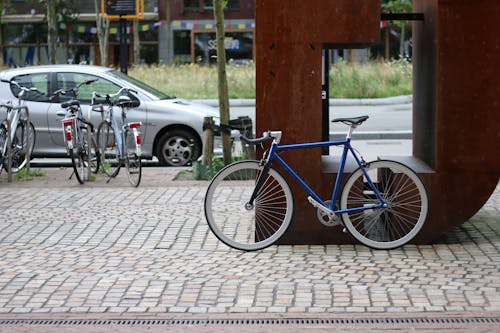
Parking in fire lanes, guest spots, or on the street overnight can put you under the HOA’s microscope. They often enforce parking rules strictly because improper parking can create safety concerns. Even if you’re just “running inside for a minute,” a board member or neighbor might document it. HOAs often rely on consistent enforcement, so they stick to the rules tightly.
Parking too many vehicles on your property can also trigger attention. Some HOAs limit how many cars can be visible in driveways. If you frequently rotate vehicles or host visitors, it can look like you’re skirting the rules. Over time, this pattern can lead the HOA to watch your home more closely.
4. Making Exterior Changes Without Approval
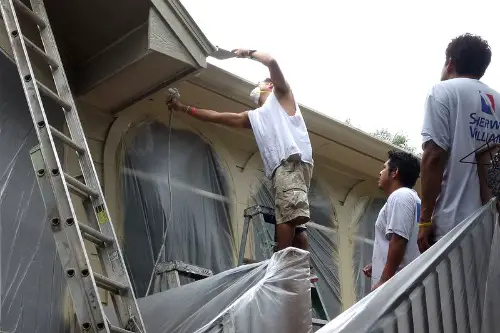
Painting your front door a new color or replacing hardware might seem harmless, but HOAs usually require prior approval. They maintain architectural consistency, and even small changes can disrupt that. If you skip the approval process, the HOA sees it as a sign you may ignore other guidelines. Once you’re on their radar for a visual change, they may review your property more thoroughly.
This issue becomes bigger when changes are irreversible or expensive to undo. Homeowners sometimes assume “it’s my house” gives them freedom, but HOAs operate under a contract you agreed to. Even if the change looks great, it’s the lack of paperwork that sets off alarms. A quick check-in with the board could prevent the entire issue.
5. Leaving Holiday Decorations Up Too Long
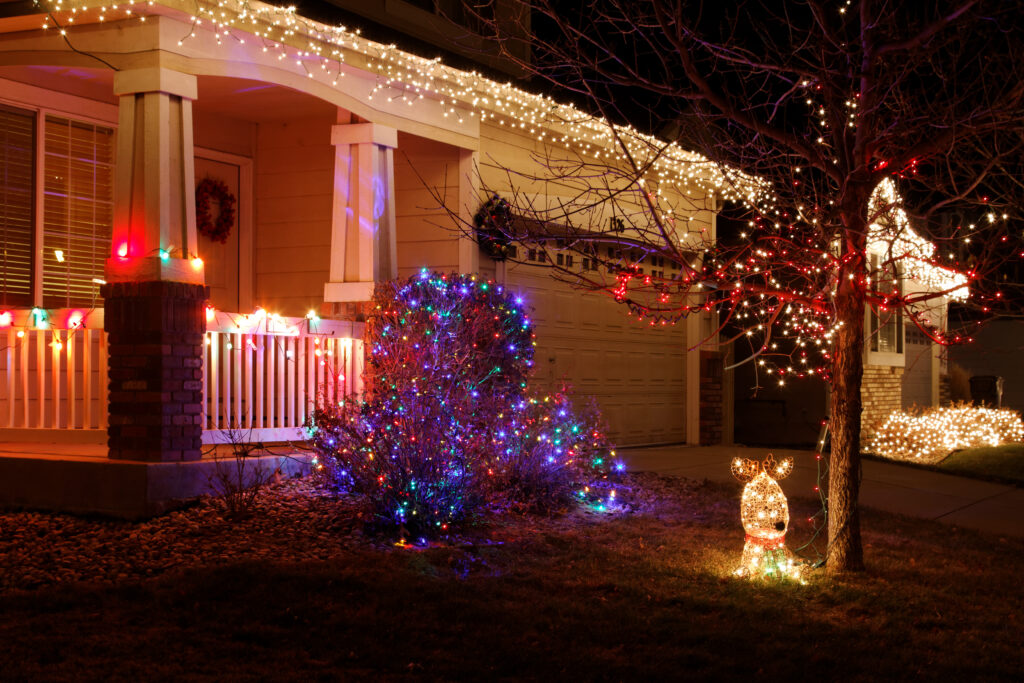
Seasonal decorations are fun, but many HOAs set time limits for how long they can stay up. Leaving them out past the deadline signals that you’re not keeping track of community rules. Even if it’s because life gets busy, the HOA might interpret it as neglect. Once they notice the decorations, they may start monitoring your compliance more closely.
Some decorations also create safety or light concerns, especially if they involve extension cords or bright displays. The HOA might step in to prevent potential hazards. They also want the neighborhood to look cohesive, so outdated decor stands out. Keeping track of removal dates helps avoid unwanted attention.
6. Allowing Your Pets to Roam or Make Noise

HOAs typically require pets to be leashed and supervised, and ignoring those rules can draw immediate complaints. A wandering dog or a frequently barking pet becomes a disturbance. Even if your pet is friendly, the HOA’s focus is on safety and peace. One complaint is often enough to get your name on their list.
Repeated noise issues, like barking early in the morning, can escalate things. HOAs often track patterns to determine if intervention is needed. If your neighbors mention it, the board will likely follow up. Addressing pet behavior early helps you avoid extra scrutiny.
7. Hosting Frequent Large Gatherings

HOAs often monitor neighborhood traffic, and large gatherings can raise concerns. Even if the events are harmless, an increase in parked cars and noise gets noticed quickly. Some HOAs have limits on the number of guests or the frequency of events. If your home becomes the regular hotspot, expect the HOA to take note.
These gatherings can also create wear and tear on shared spaces. Noise traveling late into the evening is another common complaint. Even if your guests behave well, the HOA might think you’re stretching the rules. Keeping events occasional helps maintain a low profile.
8. Letting Your Lawn Slide

When your grass gets a little too tall or patchy, it can quietly catch your HOA’s attention. Most HOAs outline basic landscaping expectations, and failing to meet them can trigger a warning. Even if you think a slightly scruffy lawn isn’t a big deal, it signals to the board that you might be overlooking maintenance rules. Once they notice one issue, they’re more likely to keep an eye on other parts of your property.
A lawn that looks neglected can also affect the overall appearance of the neighborhood, which HOAs take seriously. They often aim to maintain property values, so visible neglect feels like a red flag to them. Even leaving yard tools out for days can make things look disorganized. If your yard stands out in the wrong way, odds are the HOA will notice.
9. Not Maintaining Your Home’s Exterior

Peeling paint, worn siding, or a dirty driveway can all attract HOA attention. These issues suggest you’re delaying maintenance, which affects neighborhood aesthetics. Even if repairs are costly, HOAs expect them to be handled promptly. Letting them linger gives the board reason to follow up.
The same applies to broken lights or damaged fences. Small fixes become more noticeable over time. HOAs prefer preventive upkeep rather than reactive repairs. Addressing things early keeps you in good standing.
10. Installing Non-Approved Security Cameras or Lights
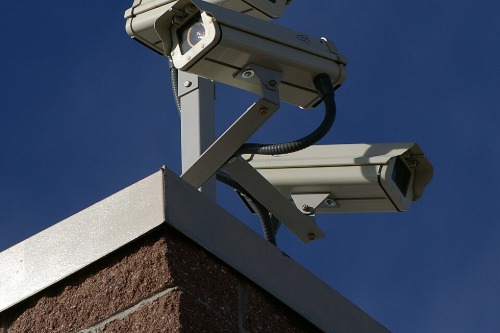
Many HOAs require approval before installing exterior cameras or lighting. They want to ensure devices don’t point into neighbors’ property or create excessive brightness. If you install equipment without permission, it suggests you’re bypassing the guidelines. Even well-intentioned upgrades can raise concerns.
Camera placement is especially sensitive because of privacy rules. Lights that flicker or shine too brightly can prompt complaints. The HOA will step in to avoid disputes among neighbors. Checking placement rules ahead of time keeps everything smooth.
11. Running a Business From Home

Not all HOAs allow home-based businesses, especially if they involve customer traffic. If the board notices frequent visitors or increased deliveries, they may investigate. Even if your work is quiet, the HOA may require prior approval. Failing to communicate about it can raise suspicion.
Some businesses also require signage or equipment, which HOAs typically restrict. Noise from machinery or regular shipments can disrupt the neighborhood rhythm. HOAs monitor these patterns closely because they impact community operations. Being transparent prevents misunderstandings.
12. Overdecorating or Adding Too Many Yard Ornaments

A few garden gnomes or flags are fine, but going overboard can catch the HOA’s eye. They want to maintain a consistent look throughout the neighborhood. If your decorations draw too much attention, they may be seen as out of compliance. HOAs often limit how many items can be visible from the street.
Wind chimes, flags, and ornamental lights can also create noise or light concerns. Too many objects can make your yard look cluttered. Even if it reflects your personality, the HOA may think it disrupts neighborhood harmony. Keeping decor simple helps you stay off their list.
This post 12 Common Behaviors That Quietly Put You on the HOA’s Radar was first published on Greenhouse Black.
