
1. Oversized Home Theaters
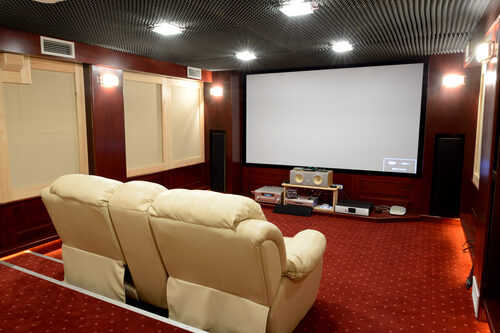
Many experts think massive, built-in home theaters will be tougher to sell as streaming habits shift toward smaller, more casual viewing spaces. Buyers are noticing that these dedicated rooms often take up valuable square footage they’d rather use flexibly. Real estate agents report that younger buyers especially see them as dated, even if they’re technically “luxury.” As lifestyles become more mobile and device-driven, big theater rooms start to feel like unnecessary relics.
Another reason these may become hard sells is energy consumption. Large projection systems, specialized lighting, and soundproofing can drive up utility costs. Maintenance can get pricey, especially when tech quickly becomes outdated. Potential buyers may not want the obligation of expensive upgrades just to keep the room relevant.
2. Whirlpool Tubs

Whirlpool tubs used to signal luxury, but buyers are increasingly prioritizing walk-in showers and spa-like simplicity instead. Some homeowners complain that these tubs take too long to fill and are awkward to clean. Health experts also point out that jets can harbor bacteria if not maintained regularly. This changing preference may make whirlpool tubs feel like more hassle than comfort.
In many markets, the square footage they occupy could be better spent on storage or expanded showers. Water-conscious buyers are thinking about conservation, too. A big tub that requires dozens of gallons might feel wasteful in regions facing periodic droughts. As efficiency becomes a bigger selling point, giant tubs start losing their appeal.
3. Windowless Home Gyms
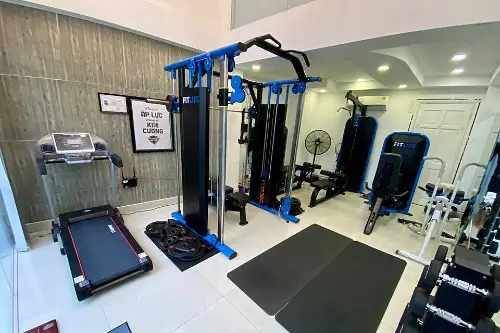
Dedicated workout rooms used to be trendy, but rooms without natural light often feel claustrophobic. Buyers are more interested in bright, multipurpose spaces that support various routines, from yoga to remote work. Windowless gyms can also trap odors and humidity, leading to long-term issues. Because of this, many people see them as design missteps rather than perks.
Ventilation becomes a problem when HVAC systems have to work overtime. Excess moisture can lead to mold concerns, which raises red flags for potential buyers. Real estate agents often find these rooms require extra explanation or staging to make them appealing. By 2026, the preference for adaptable, airy spaces may push these gyms down the desirability list.
4. Sunrooms Without Climate Control
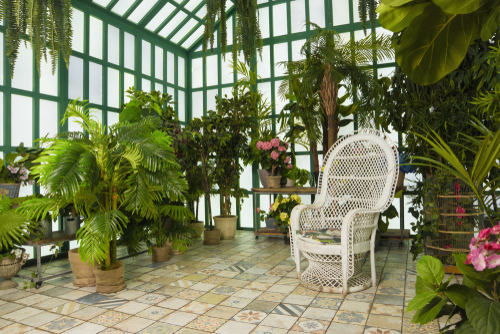
Sunrooms have visual appeal, but many lack proper heating and cooling. This makes them nearly unusable during temperature extremes. Buyers increasingly prefer livable square footage over novelty spaces they can’t enjoy year-round. The mismatch between aesthetics and functionality can make these rooms feel like wasted potential.
Retrofitting climate control can get expensive, which turns off budget-conscious buyers. Energy efficiency standards are also rising, and unconditioned sunrooms often fall short. Home inspectors sometimes note temperature leaks or poor insulation. All of this can make traditional sunrooms less attractive in the years ahead.
5. Elaborate Outdoor Kitchens
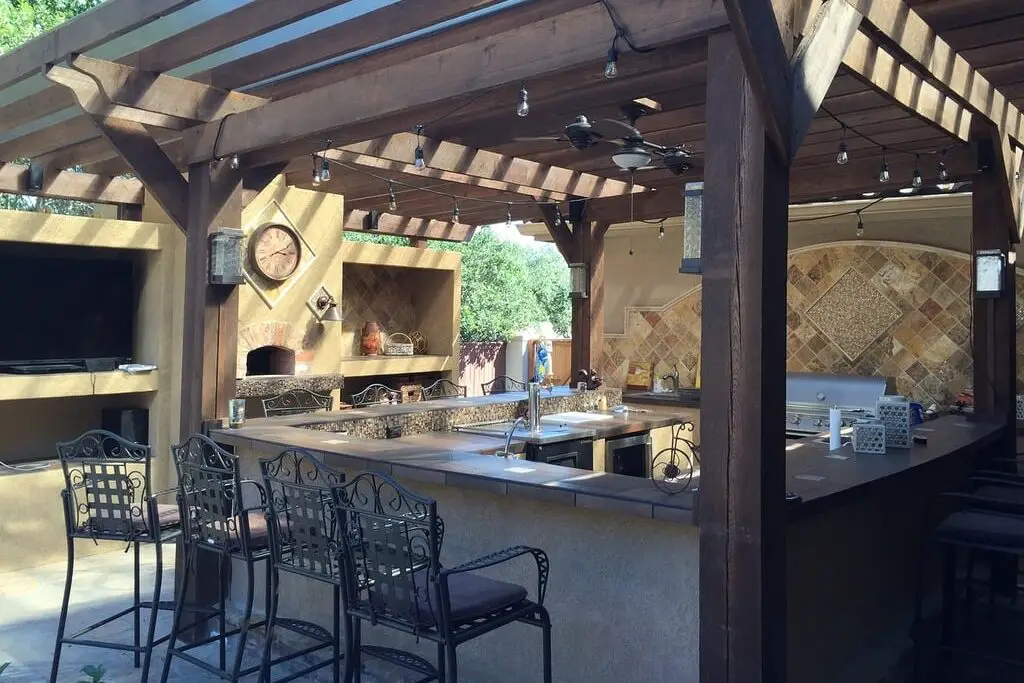
Outdoor kitchens boomed during the early 2020s, but experts say the trend is leveling off. Full setups with sinks, fridges, and pizza ovens are costly to maintain. In colder climates, these features see limited use and need winterizing. Buyers may think twice about inheriting a space that feels more like work than leisure.
Another issue is durability. Even high-end materials struggle against long-term weather exposure. Repairs can be expensive, and inconsistent maintenance leads to quick deterioration. As simpler, more flexible outdoor spaces rise in popularity, big kitchen installations may become tougher to justify.
6. Large Built-In Aquariums
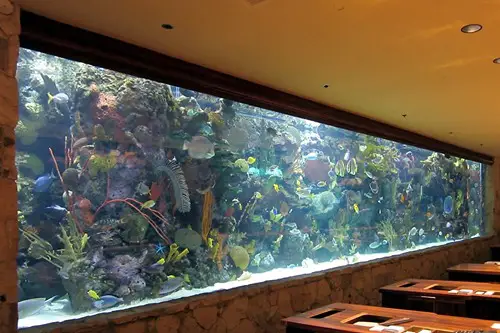
Built-in aquariums create a striking visual, but they come with high upkeep. Many buyers don’t want the responsibility of water testing, filtration checks, and specialized cleaning. If the tank houses exotic species, the maintenance becomes even more complicated. This level of commitment can scare away otherwise interested buyers.
There’s also the issue of structural weight. Large tanks can strain floors, especially in older homes. If a buyer doesn’t want the aquarium, removal can be costly and messy. By 2026, these installations might be viewed more as liabilities than luxuries.
7. Excessively Themed Rooms

Rooms themed around hobbies, movies, or sports can be fun for the current owner but hard to reimagine. Potential buyers often see them as renovation projects waiting to happen. Even detailed murals or custom-built furniture can feel limiting. The more specific the theme, the narrower the appeal.
Removing heavy customization isn’t always simple or cheap. Some themed rooms require patching, repainting, or even reconstruction. Buyers increasingly prefer neutral palettes they can personalize. As trends shift toward minimalism and flexibility, overly themed spaces may lose traction.
8. Indoor Water Features
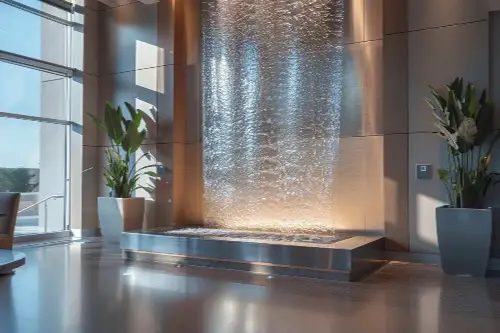
Indoor fountains and water walls once symbolized relaxation and luxury, but many buyers now view them as risk factors. They can cause moisture buildup, which leads to mold concerns. The pumps and filtration systems also require maintenance that many homeowners overlook. These features often create more stress than serenity.
Additionally, repairs can be costly if leaks occur. Water damage is one of the top issues buyers hope to avoid during inspections. Real estate professionals note that many buyers prefer low-maintenance features instead. As a result, indoor water installations may fall out of favor by 2026.
9. Garage Conversions Without Permits
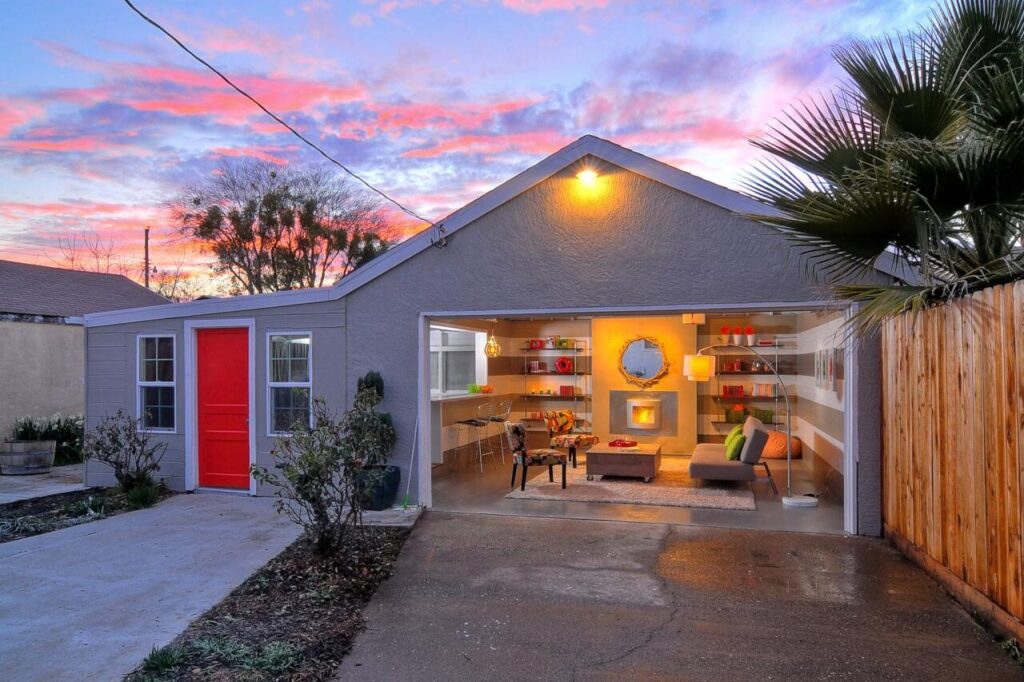
Some homeowners convert garages into offices or living rooms without proper permitting. Buyers generally worry about whether the work meets safety codes. Unpermitted changes can complicate insurance claims and resale value. This makes the space feel like a problem rather than a perk.
Reversing the conversion can cost thousands. Many buyers still prioritize garage storage, especially in suburban areas. Losing a functional garage can be a deal-breaker for people with multiple vehicles or outdoor gear. As regulations tighten, these unlicensed renovations may become even harder to sell.
10. High-Maintenance Landscaping

Elaborate gardens, water features, and specialty plants look beautiful but require constant upkeep. Many buyers today prefer low-water, low-maintenance yards. If a landscape demands weekly attention or specialized care, it can feel overwhelming. Busy households often pass on homes with demanding outdoor spaces.
Water restrictions in certain regions also contribute to declining appeal. Some cities offer incentives for drought-tolerant landscaping, nudging buyers away from high-maintenance yards. Garden pests and plant diseases can create ongoing headaches. These concerns may make complex landscapes harder to market.
11. Overly Smart Homes
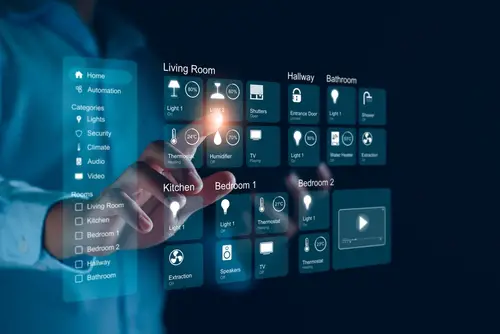
While smart features are useful, too much automation can intimidate buyers. Complicated systems for lighting, blinds, thermostats, and security can feel like tech overload. If the system isn’t user-friendly or requires subscription services, buyers may lose enthusiasm. Some even worry about long-term compatibility or cybersecurity risks.
Tech dates quickly, so outdated systems might need replacing soon after purchase. Repairs or upgrades can be expensive if the home relies heavily on proprietary hardware. Buyers often prefer simpler, modular smart devices they can replace easily. As a result, hyper-automated homes could become less appealing by 2026.
12. Built-In Hot Tubs on Upper Decks

Hot tubs installed on elevated decks pose structural and maintenance concerns. Many buyers worry about weight distribution and long-term safety. If the deck wasn’t reinforced properly, it can become a major liability. Home inspectors often flag these setups during evaluations.
Additionally, these tubs require regular cleaning and chemical balancing. Exposure to the elements means they deteriorate faster than ground-level versions. Repairs can be costly, especially if water damage spreads to the deck or siding. With more buyers prioritizing safety and simplicity, these additions may become tough sells soon.
This post 12 Home Additions Experts Believe Will Become “Hard Sells” by Late 2026 was first published on Greenhouse Black.
