
1. Saving Bacon Grease
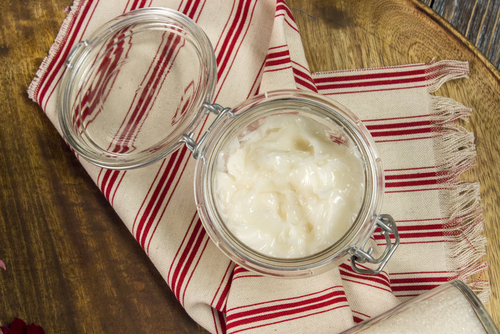
Grandparents often kept a tin of bacon grease by the stove, using it to flavor vegetables or fry eggs instead of opening a new stick of butter. This habit reduced food waste because every bit of fat was reused. It also cut down on the need for extra cooking oils, which were pricier and sometimes rationed during certain eras. Using bacon grease made meals richer, but it also reflected a mindset of making ingredients stretch.
This practice matters today because it shows how resourcefulness can become a natural part of everyday cooking. Instead of tossing edible byproducts, grandparents found ways to turn them into something useful. It’s a reminder that sustainability isn’t just about buying eco-products—it’s about using what you already have. That mindset still translates well in modern kitchens where food waste remains a big issue.
2. Line-Drying Laundry
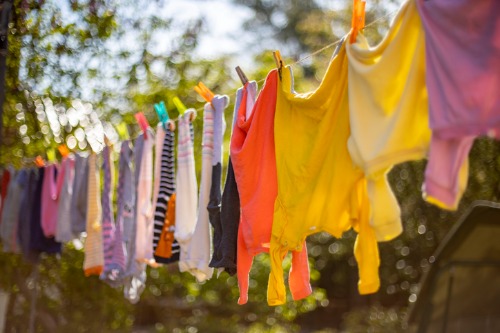
Line-drying clothes was standard because electric dryers were expensive luxuries. Hanging laundry outside saved energy long before energy efficiency became a household concern. It also helped clothing last longer by avoiding high-heat dryer cycles. Grandparents knew sunlight and a breeze could do the job just fine.
The reason it’s still relevant is that line-drying reduces electricity use without requiring any special equipment. It also gives clothes a naturally fresh smell that can’t be bottled. In many households, this single habit can significantly cut utility costs. It’s a simple example of how old-fashioned routines can still work beautifully.
3. Mending Clothes Instead of Replacing Them
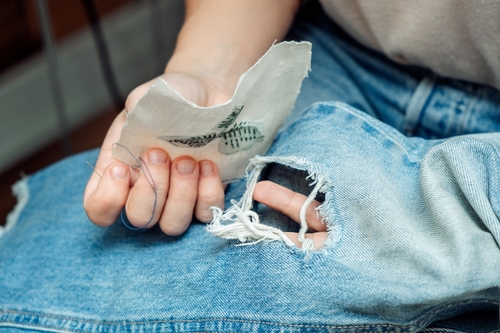
Grandparents patched knees, replaced buttons, and darned socks because new clothes weren’t purchased casually. This habit extended the life of garments, reducing waste and saving money. Many families maintained a sewing kit because repairs were expected, not optional. Clothing wasn’t disposable—it was maintained.
Today, repairing clothes matters more than ever as textile waste continues to rise. Learning a few basic mending skills can keep items in use for years. It also helps people buy less, which reduces both clutter and consumption. Grandparents’ careful habits offer a model for more sustainable wardrobes.
4. Reusing Glass Jars
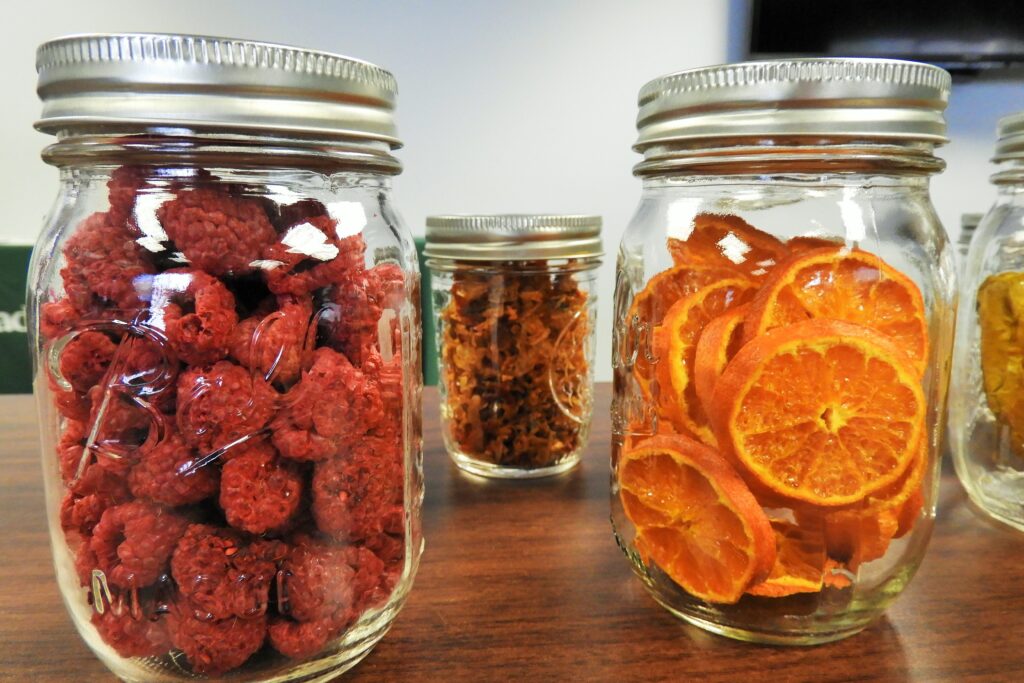
Before plastic containers were common, glass jars were saved to store leftovers, pantry staples, or homemade preserves. These jars were sturdy, washable, and endlessly reusable. A drawer full of mismatched jars was completely normal. Nothing went to the recycling bin if it still had a purpose.
This habit remains smart because glass is durable and doesn’t degrade after multiple uses. Reusing jars reduces the need for disposable containers and cuts packaging waste. It also helps keep kitchens organized without buying storage sets. Grandparents showed that “reusable” didn’t need to mean buying a special eco-friendly product.
5. Growing a Backyard Garden
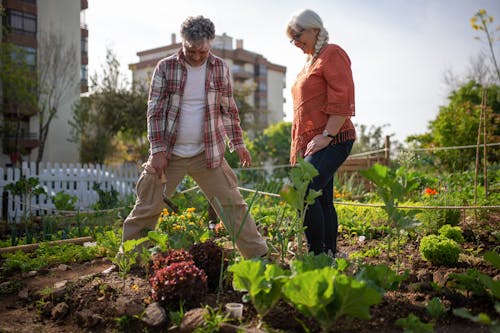
Whether large or small, many grandparents planted vegetables to supplement their groceries. It offered affordable access to fresh produce and reduced reliance on store-bought goods. Gardening also meant fewer trips to the market and less packaging waste. Even modest yards often had herbs, tomatoes, or beans.
The reasoning still holds because home gardens reduce carbon footprints by cutting transportation and packaging. Gardening also encourages seasonal eating, which aligns with modern sustainability ideals. It provides a sense of self-sufficiency that many people find appealing today. Grandparents’ gardens weren’t trendy—they were practical.
6. Saving and Reusing Wrapping Paper

It was common to carefully remove wrapping paper so it could be neatly folded for the next holiday or birthday. Tissue paper, ribbons, and even gift bags were saved for future gift-giving. This practice reduced spending on gift supplies. It also meant less paper went straight into the trash.
It’s a useful habit now because gift wrap often ends up in landfills due to dyes and coatings. Reusing materials cuts down on both waste and unnecessary shopping. It encourages creativity in how gifts are presented. Grandparents’ approach proves sustainability doesn’t have to be complicated.
7. Composting Kitchen Scraps
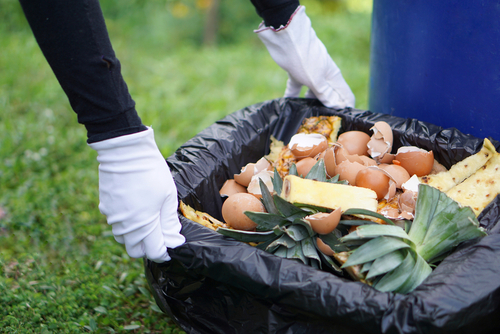
Many grandparents fed scraps to chickens, tossed peels into compost heaps, or used them to enrich garden soil. This reduced the amount of trash the household produced. It also gave them natural fertilizer for their gardens. Even families without formal compost systems often reused food waste in practical ways.
This practice is highly relevant because composting reduces methane emissions from landfills. It also enriches soil without relying on chemical fertilizers. Composting brings nature’s cycle full circle in a very low-tech way. Grandparents understood soil health long before it was a buzzword.
8. Making Homemade Cleaning Solutions
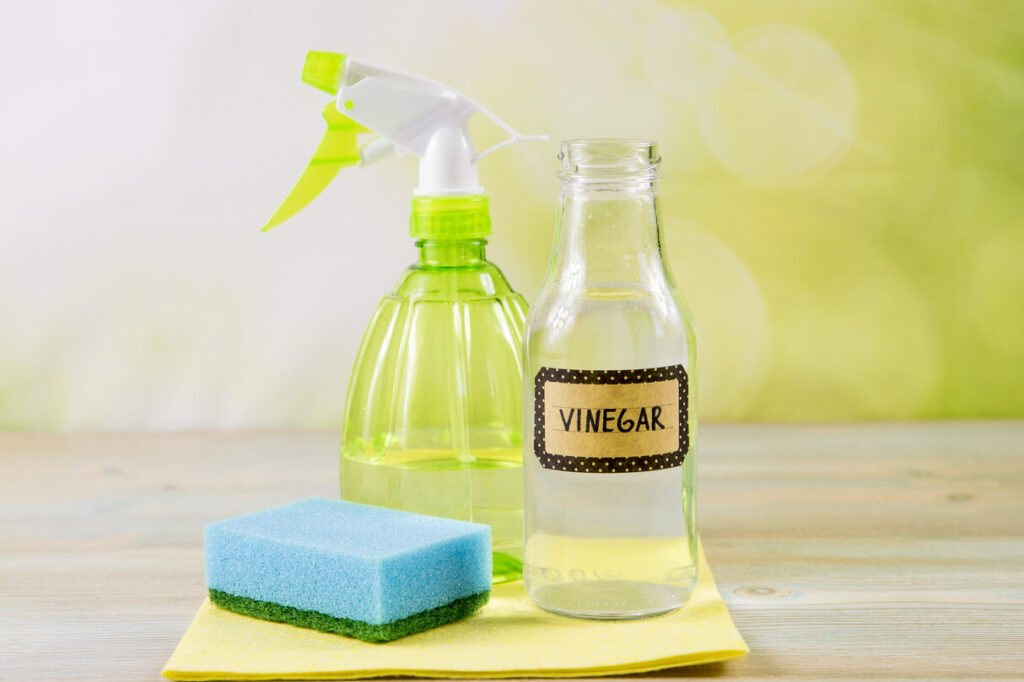
Grandparents often relied on vinegar, baking soda, and soap for most cleaning tasks. These ingredients were cheap, effective, and widely accessible. Store-bought cleaners were used sparingly or reserved for special jobs. Homes were kept clean without shelves full of specialty products.
This matters now because homemade cleaners reduce chemical waste and plastic packaging. They’re also budget-friendly and easy to customize. Many modern “eco-friendly” products mimic these simple ingredients. Grandparents proved you don’t need a dozen bottles to keep a house tidy.
9. Using Cloth Instead of Disposable Paper Products
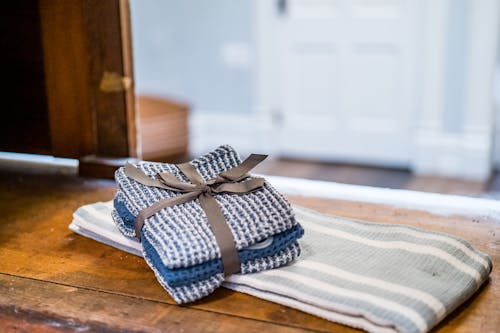
Before paper towels and napkins were widespread, families used cloth rags, tea towels, and fabric napkins. These items were washed and reused many times. Cloth held up well and reduced the need to constantly restock disposable products. It was simply the standard way to keep a home running.
The habit makes sense today because it dramatically reduces household waste. Cloth alternatives last for years and require minimal effort to maintain. Choosing reusable products also saves money over time. Grandparents showed that durable goods often outperform disposables.
10. Buying Secondhand by Default
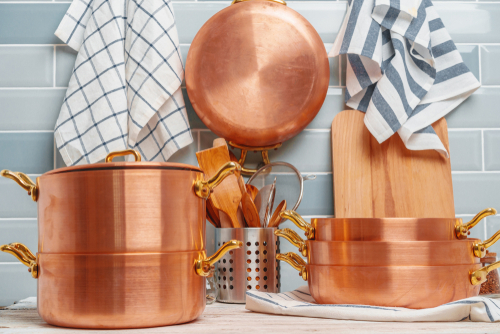
Whether it was furniture, clothing, or kitchenware, many grandparents bought used because it was more affordable. Thriftiness was a necessity, not a trend. Hand-me-downs were valued and used until they truly wore out. Many families kept items in rotation for decades.
This habit aligns perfectly with modern circular economy principles. Buying secondhand keeps useful items out of landfills. It also reduces demand for new manufacturing. Grandparents’ preference for used goods is a model of low-impact living.
11. Keeping Appliances and Tools for Decades

Grandparents often expected appliances to last, and they maintained them with care. Repairs were common, and replacement was a last resort. Many tools were built to be serviceable, not disposable. This meant fewer resources used over a lifetime.
This mindset still helps reduce waste and consumption. Repairing rather than replacing extends product life and minimizes environmental impact. It also saves money and preserves well-built items. Grandparents valued longevity, and that value still pays off today.
12. Cooking in Bulk and Using Leftovers Intentionally
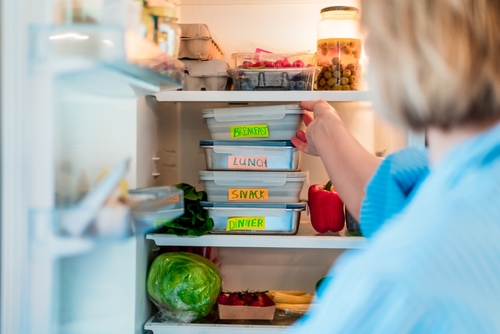
Making large batches ensured nothing went to waste, and meals could stretch for days. Leftovers were transformed into soups, casseroles, or sandwiches. This reduced food costs and time spent cooking throughout the week. It also prevented half-used ingredients from going bad.
This strategy is sustainable because it minimizes food waste and energy use. Cooking once for multiple meals uses fewer resources than cooking from scratch daily. It also encourages creative meal planning. Grandparents mastered efficiency in the kitchen, and it still works.
13. Using Hand-Me-Down Furniture for Generations
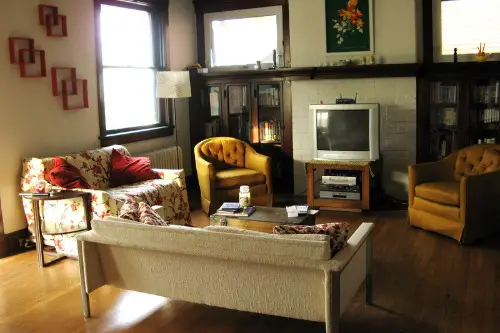
Furniture was built to last and often stayed in families for decades. Pieces were repaired, refinished, or repurposed instead of discarded. Many homes had items with long histories, each repaired multiple times. Buying new furniture was rare unless absolutely necessary.
This habit reduces consumption because long-lasting furniture lowers demand for new production. Older pieces often have higher-quality craftsmanship that stands the test of time. Reusing furniture keeps wood and materials out of landfills. Grandparents’ approach shows that “buy it once” can be one of the most sustainable choices.
This post 13 Resource-Saving Ideas Grandparents Practiced Long Before Eco-Trends was first published on Greenhouse Black.
