
1. Keeping Too Many Decorative Items Out at Once
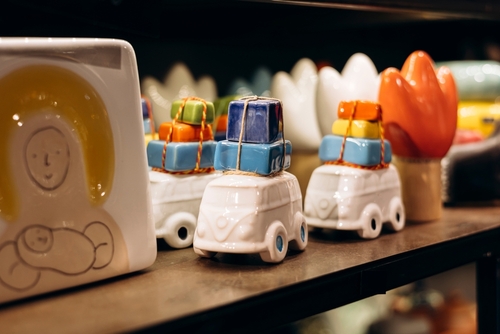
Even beautiful décor loses impact when there’s simply too much of it. When every shelf, table, and corner is filled, nothing gets a moment to shine. Your eye treats the excess as clutter rather than personality. Too many items also make cleaning difficult, which can make the whole room look neglected.
This habit often sneaks up on people who love collecting things, because each piece feels special on its own. But collectively, they can overwhelm the scale of a room. Editing down doesn’t mean erasing your style—it means curating it so it’s actually visible. A few standout pieces can feel intentional instead of chaotic.
2. Letting Surfaces Become Catch-All Zones
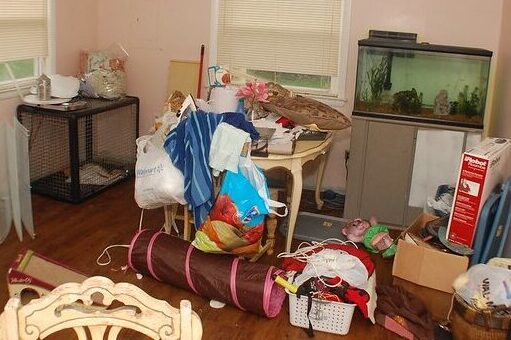
It’s surprisingly easy for flat surfaces to become “temporary” storage, and that habit instantly makes a room feel chaotic. When keys, chargers, and random mail stack up, the clutter reads as visual noise even if it’s not technically dirty. This happens because the eye doesn’t know where to land, so everything looks busier than it is. Over time, surfaces begin to feel smaller and less functional, even if the items could be tucked away in seconds.
The real issue is that catch-all piles grow without you noticing, which makes the space appear messier every day. Once a surface becomes a dumping ground, it conditions you to keep adding to it. That’s why a simple daily reset can drastically change how tidy a room feels. Just clearing a single counter can shift the whole mood of a space.
3. Relying on Poor Lighting or Harsh Bulbs
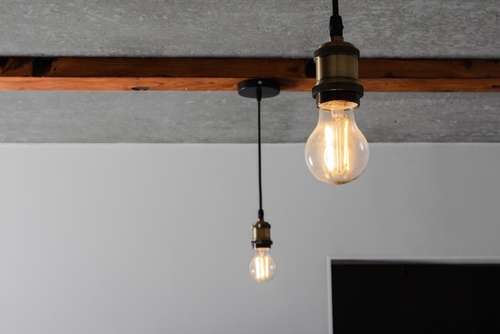
Bad lighting can make even a clean room feel grimy or cluttered. When shadows pool in corners, the space naturally looks heavier. On the flip side, extremely harsh white bulbs can highlight every flaw and object, making things feel busier. Lighting affects mood and clarity more than people realize.
Without layered lighting—like a mix of overhead, task, and ambient sources—the space feels unbalanced. This imbalance draws attention to random objects instead of the room as a whole. Warm, diffused light helps soften visual clutter and create cohesion. Just swapping bulbs or adding a lamp can change the entire vibe.
4. Using Rugs That Are Too Small
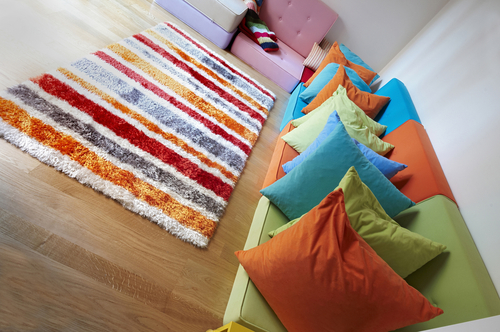
A too-small rug makes furniture look like it’s floating awkwardly, which disrupts the visual boundaries of a room. That lack of grounding creates a scattered look, even if everything is technically tidy. A properly sized rug anchors pieces and makes the layout feel intentional. It also makes the room feel more spacious and organized.
People often choose small rugs because they seem more practical or affordable, but the effect can be the opposite. When the rug doesn’t connect the furniture, the whole layout reads as mismatched. Larger rugs bring unity, which reduces the feeling of clutter. It’s a simple design fix with an outsized impact.
5. Ignoring Cable Management

Visible cables immediately introduce a sense of disorder. Even a few tangled cords can pull attention away from an otherwise clean setup. They also break up clean lines, which designers rely on to keep spaces feeling calm. Cable clutter is one of the most distracting forms of visual noise.
The reason this matters is that cords follow irregular paths, so the eye bounces around them. This makes the room feel more chaotic than it actually is. Simple solutions like clips, covers, and routing strips can dramatically tidy the space. Hiding cords doesn’t just look better—it reduces cognitive clutter.
6. Hanging Art Too High or Too Low
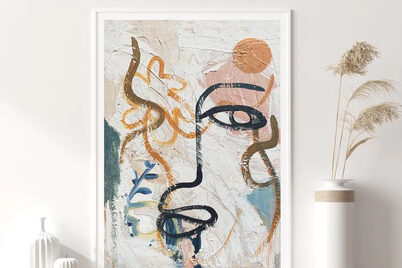
Improperly placed wall art throws off the balance of a room instantly. When pieces float too close to the ceiling or sag too low, they draw attention in an uncomfortable way. Your brain registers that something feels “off,” and that contributes to a messier impression. Consistent visual height matters more than most people think.
Correcting art height brings harmony to the wall, which makes everything else feel more organized. The general guideline is to center art at eye level, which is around 57 inches from the floor. This creates a natural focal point that’s easy to take in. When art feels intentional, the whole room benefits.
7. Letting Décor Block Functional Pathways
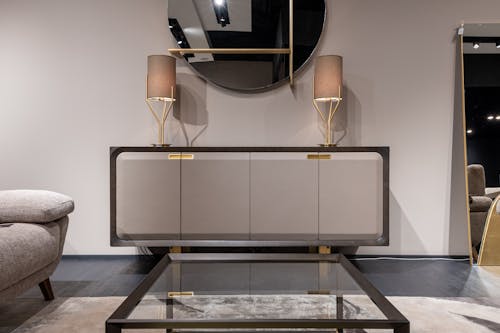
When furniture or décor interrupts natural traffic flow, the room feels cramped and disordered. Even a small obstruction makes movement feel awkward. This signals to the brain that the layout isn’t working. Functional flow is one of the biggest contributors to how tidy a space feels.
Because people get used to their layout, they sometimes don’t notice that an item is in the way. But guests can instantly sense when something feels off. Clearing pathways makes the home feel more open and purposeful. It’s a practical shift that can make a room appear instantly cleaner.
8. Neglecting the Entryway Drop Zone
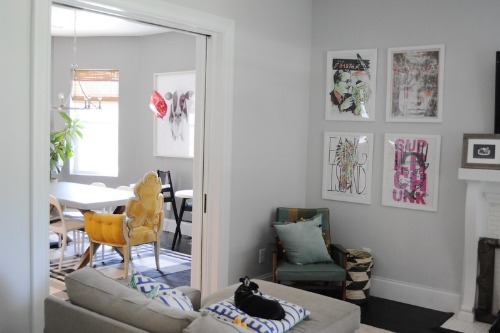
The entryway is often the first place clutter gathers, and it sets the tone for the whole home. Shoes, bags, and jackets can pile up surprisingly quickly. When the first thing you see is chaos, the rest of the home feels messy by association. A disorganized entry makes even clean rooms feel less pulled together.
Creating simple systems here—hooks, baskets, or a small console—can make a huge difference. Once each item has a place, it stops spreading into the rest of the house. A tidy entry also makes daily routines smoother. It’s the one spot where organization pays off immediately.
9. Using Too Many Small Storage Containers

Tiny bins and boxes seem like they should help with organization, but too many can actually add clutter. When each container is visible, the space feels busier. The small shapes create a patchwork effect that draws unnecessary attention. It becomes storage overwhelm instead of storage clarity.
Larger, consolidated storage makes the eye read the area as calmer and more streamlined. Fewer containers also mean fewer labels, lids, and color variations competing for attention. Choosing a cohesive set simplifies the visual field. It helps the space feel intentionally organized rather than over-managed.
10. Leaving Blankets and Pillows Mismatched or Unstyled
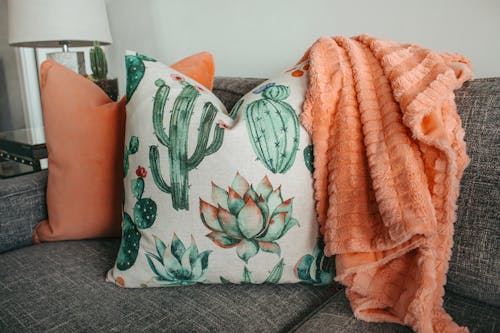
Throw pillows and blankets can make a space cozy, but when they’re unstyled, they can look chaotic. A pile of crooked or mismatched textiles reads as clutter. Overstuffed cushions or rumpled throws can dominate the sofa visually. Even small fabric details can shift the entire feel of a living space.
Taking a moment to fluff or fold makes the room instantly cleaner. Cohesive colors also help everything feel more put-together. Textiles are powerful visual elements, so they influence how tidy a room appears. A simple styling refresh goes a long way.
11. Overcrowding Bookshelves
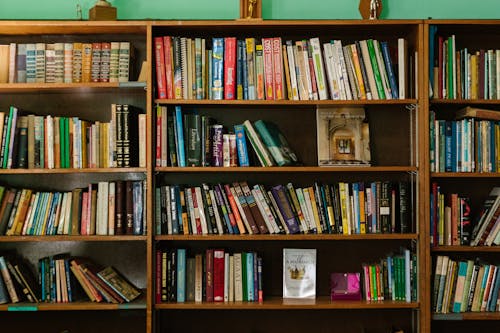
Bookshelves naturally draw the eye, and when they’re stuffed to the brim, they overwhelm the room. Even if everything is lined up, a jammed shelf looks visually heavy. This creates the impression of clutter even when the items are neatly arranged. Shelves need breathing room just like surfaces do.
Editing your collection or mixing in décor pieces can lighten the look. Negative space gives the eye a moment to rest. This contrast makes the shelves feel thoughtfully styled instead of overloaded. Curated shelves feel organized, while crowded ones feel messy.
12. Leaving Laundry Baskets or Hampers Overflowing
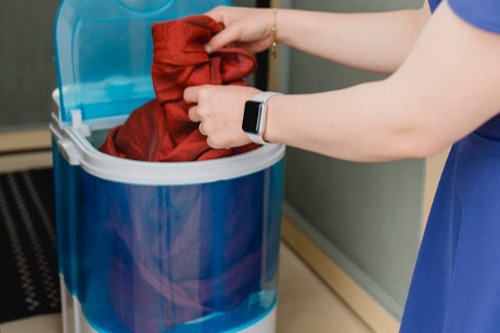
Overflowing laundry is one of the quickest ways to increase visual clutter. Even if it’s contained in a basket, the pile signals disorder. Clothing has irregular shapes and colors, which naturally looks chaotic. This makes the whole room feel less clean, even if it’s otherwise spotless.
Keeping up with laundry or using lidded hampers makes a huge difference. A simple cover hides the visual mess instantly. Even reducing the capacity so loads get done sooner can help. Managing laundry visually helps the entire home feel more composed.
13. Not Maintaining Consistent Color Themes
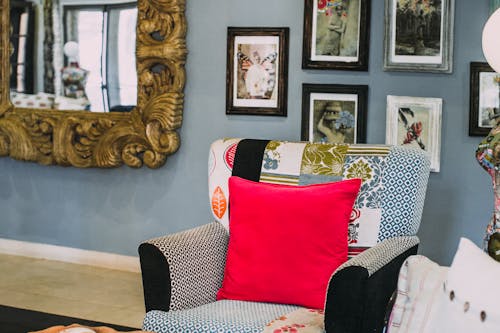
A room with a jumble of unrelated colors tends to look less organized. When the palette jumps around, the eye has too much to process. This creates a sense of disorder even if everything is in its place. Consistency helps a room feel calm and intentional.
Sticking to a few main colors creates visual continuity. It doesn’t have to be monochromatic—just cohesive. When colors relate to each other, the whole space feels cleaner. It’s a simple design principle that makes any room look more polished.
This post 13 Décor Habits That Make Any Space Look Messier Than It Is was first published on Greenhouse Black.
