
1. Plastic Ghost Chairs
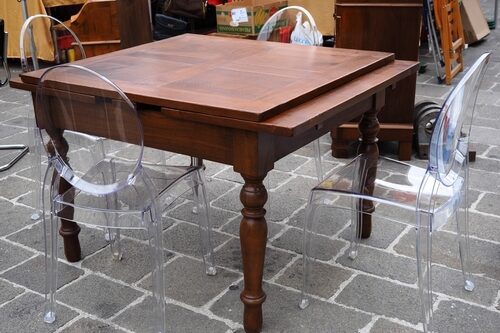
Ghost chairs felt futuristic when they first hit mainstream decor, but their novelty has dimmed. The clear acrylic scratches easily, making them look worn quickly. Many people found them uncomfortable for long use. They also clash with warmer, earthy palettes that dominate now.
They feel outdated because they represent the colder, ultra-modern phase of the early 2010s. Interiors have shifted toward more tactile, cozy materials. Their transparency can make a space feel sterile rather than open. Designers now lean toward wood, upholstered seats, or mixed-material options instead.
2. Ladder Shelves
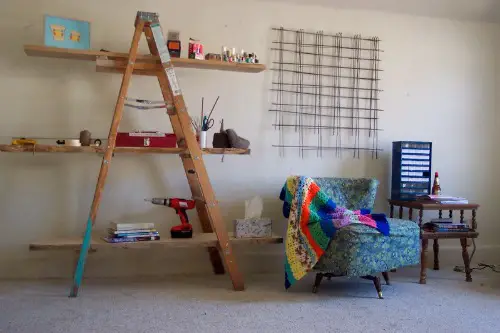
Ladder shelves were once a go-to small-space solution, but their popularity saturated the market fast. Their leaning design, once charmingly casual, now feels slightly unstable and overplayed. Many versions were made cheaply, which didn’t help their longevity. The trend also lost steam as more modular shelving options emerged.
They feel dated because they lock a room into a very specific mid-2010s look. People realized they weren’t as functional as traditional shelving, especially for heavier items. They also became the default backdrop for influencer “shelfies,” which fatigued the trend. Today, designers favor built-ins or streamlined wall units instead.
3. Word Art Signs
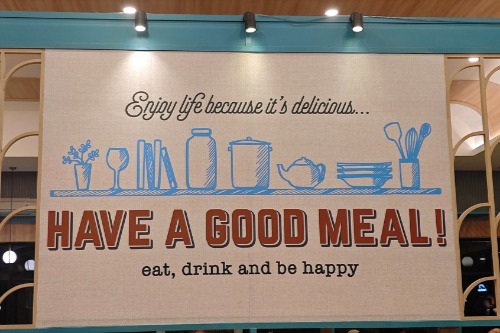
Signs reading “Live Laugh Love” or “Gather” were once everywhere, but repetition made them lose charm quickly. Their sentimentality felt forced, especially when mass-produced. Many homeowners replaced them as tastes shifted toward understated decor. The aesthetic leans heavily into farmhouse tropes that no longer dominate.
They feel dated because they prioritize messaging over design quality. Interior styles have moved toward art that adds visual interest instead of literal statements. The scripted fonts became cliché and instantly timestamp a room. Most people now prefer subtle, abstract, or personal artwork instead.
4. Sliding Barn Doors
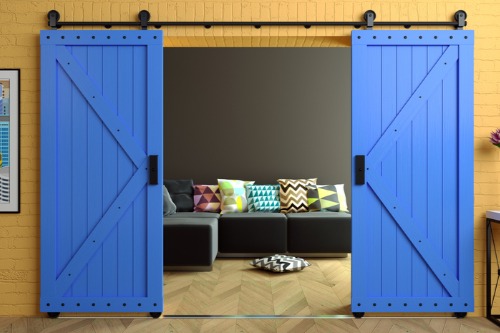
Sliding barn doors were a defining feature of the farmhouse boom, but their rustic hardware feels out of sync with current trends. They can be loud both visually and literally, especially in smaller homes. Their installation often sacrifices privacy because they don’t seal tightly. Over time, the novelty of having a “statement door” has worn off.
They’re considered dated because they instantly evoke a very specific era of HGTV-inspired design. Many homeowners found the look clashed with anything not fully rustic. As more contemporary and quiet minimalist styles rise, barn doors stick out awkwardly. Pocket or paneled doors offer a cleaner alternative now.
5. Chevron Everything
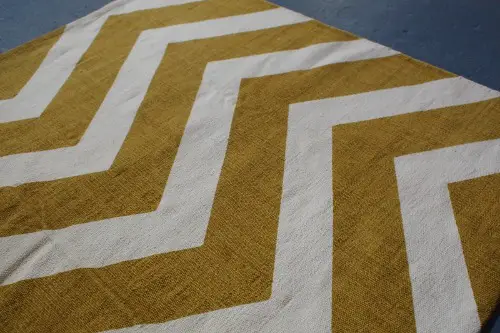
Chevron prints once felt bold and graphic, but they were used excessively. Rugs, curtains, pillows, and bedding all featured the same zig-zag pattern. This turned a fun motif into visual noise. The more it spread, the less special it became.
Chevron feels dated because it froze decor in a 2012–2016 style moment. People grew tired of its repetitive rhythm, which can make rooms feel chaotic. Designers now prefer subtler patterns or organic shapes. A single chevron accent still works, but entire rooms built around it look stuck in the past.
6. Shiplap Walls
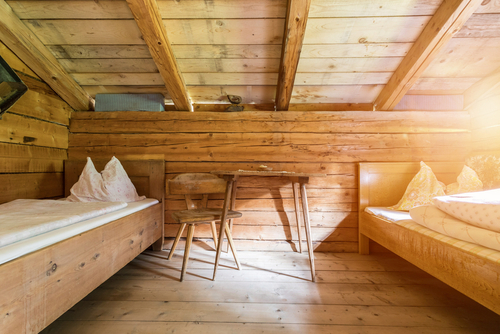
Shiplap exploded thanks to the farmhouse craze, but the rustic texture doesn’t pair well with newer design directions. It quickly became a default feature rather than a thoughtful choice. Many people used it even when their home’s architecture didn’t suit it. Once it hit big-box stores, it lost its uniqueness.
It feels dated because designers shifted toward smoother, quieter wall treatments. Plaster finishes, wallpaper, and natural wood paneling have replaced the white-washed shiplap look. The aesthetic is closely tied to a single design moment that has since cooled. As a result, shiplap now reads more theme-y than timeless.
7. Macramé Wall Hangings
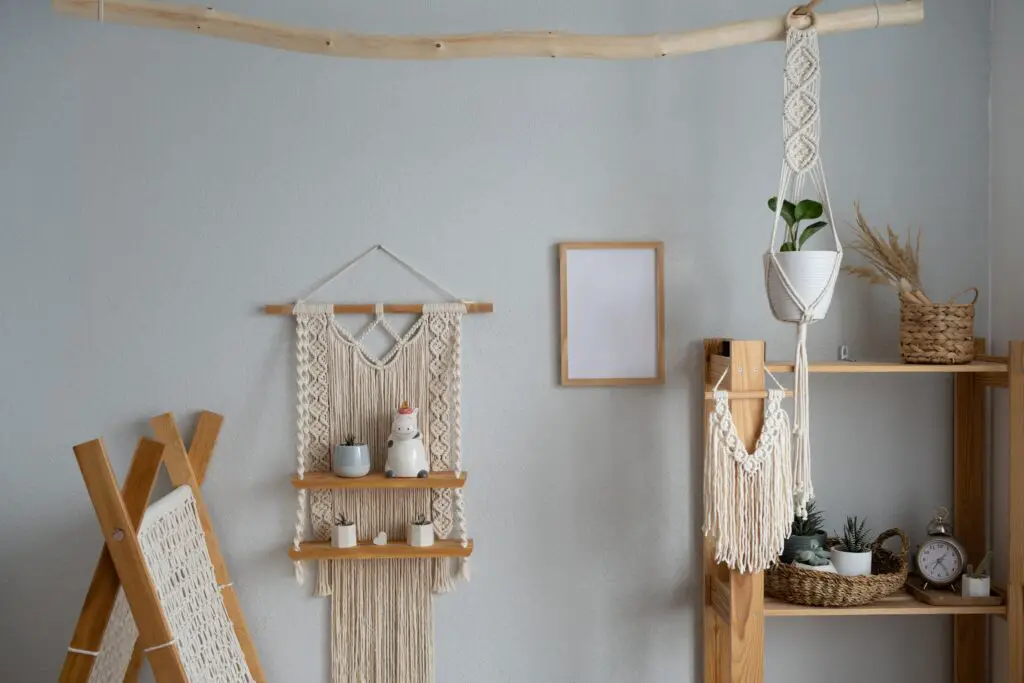
Macramé had a huge revival during the boho-chic wave, but the look has been everywhere to the point of feeling predictable. The charm it once had now reads more like a crafty relic than a modern accent. Many pieces were mass-produced despite their “handmade” aesthetic, which watered down their appeal. As interiors shift toward cleaner lines, macramé’s knotted texture can feel overly busy.
The reason it feels dated is that it became a default filler piece rather than something chosen with intention. People bought them because they were trendy, not because they suited their space. As a result, they often clash with newer minimalist trends. You’ll rarely see designers using them in fresh projects today.
8. Faux-Fur Throws
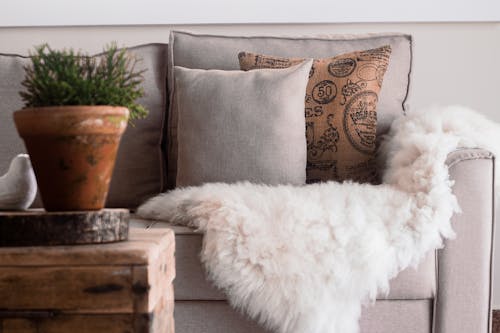
Faux-fur throws were once the ultimate “glam cozy” accessory, but they’ve started to feel a little theatrical. Their texture doesn’t blend well with more natural, organic materials trending today. They also shed more than people expect, making them less practical. Overuse in staged homes diluted their sense of luxury.
They feel dated because they’re tied to a very specific glam aesthetic that’s no longer dominant. Many people now prefer boucle or chunky-knit textiles for a softer, more timeless feel. The heavy, shiny fur look can read as artificial in modern spaces. As a result, they’ve moved from chic to slightly over-the-top.
9. Mirrored Furniture
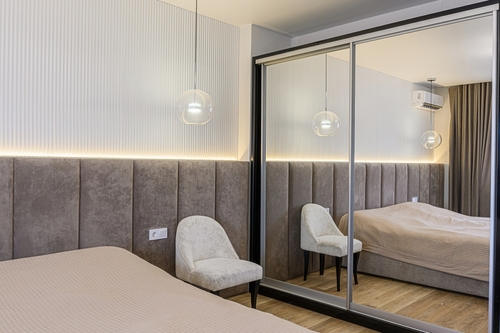
Mirrored nightstands and dressers once added sparkle, but they now feel like relics of a glam-decor era. They smudge easily and require constant cleaning. Their reflective surfaces can overwhelm a room. Over time, the look became more associated with inexpensive imitations than true luxury.
The reason they feel dated is that design has moved toward matte finishes and natural textures. Mirrored furniture doesn’t blend well with newer earth-tone palettes. Many people realized it ages a room in a very specific way. Today, subtle metallic accents are preferred over full reflective surfaces.
10. Oversized Faux Succulents
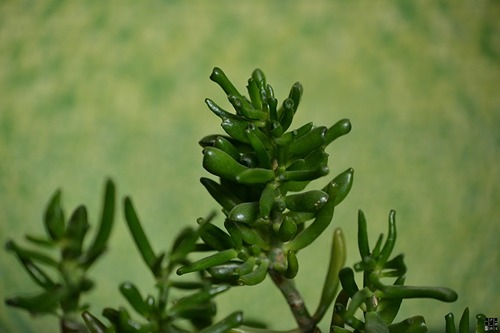
The faux succulent trend exploded because it offered greenery without maintenance, but quality varied widely. Many pieces looked plasticky, especially larger ones. They became a default shelf filler, which diluted their charm. Their ubiquity made them easy to spot as fake.
They feel dated because they evoke a time when “just add faux plants” was the rule. Current trends favor fewer, better-quality natural plants—or realistic faux options used sparingly. The bulky, oversized versions rarely look convincing. Interiors now focus on authenticity rather than décor shortcuts.
11. Industrial Pipe Shelving
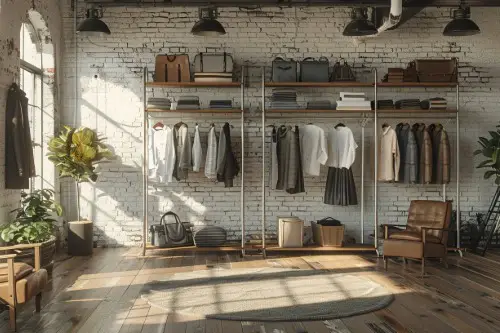
At first, industrial pipe shelving felt edgy and creative, but it became a DIY cliché. Many versions were heavy-looking and didn’t suit most homes. The exposed metal pipes often clashed with evolving tastes toward softness and warmth. Once bars and cafes adopted the look everywhere, it lost its novelty.
It feels dated because it’s stuck in the peak industrial-loft trend that’s since softened. Modern interiors incorporate industrial elements more subtly now. The literal pipe aesthetic looks overly constructed rather than stylish. Designers now prefer lighter, more refined shelving systems.
12. Giant “Gallery Wall” Collages
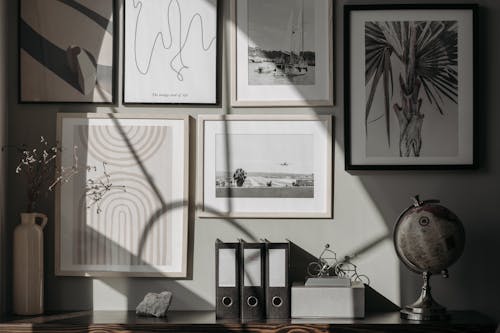
Huge gallery walls with dozens of frames once felt expressive, but they’re now seen as visually overwhelming. Many people put them up without curating the art, leading to cluttered results. The trend also became tied to influencer backdrops. As tastes lean toward simplicity, these walls can dominate too much.
They feel dated because design has shifted to fewer, larger statement pieces. A single oversized artwork can anchor a room more effectively. Gallery walls still work when thoughtfully arranged, but the maximalist approach isn’t as fresh. Today’s style leans toward breathing room rather than wall-to-wall compositions.
This post 12 “Trend” Pieces That Already Feel Uncomfortably Dated was first published on Greenhouse Black.
