
1. Cellular-Boosted Remote Work Spots

With hybrid work now normalized, RVers are actively choosing destinations known for strong cell coverage rather than just scenic beauty. This shift allows travelers to stretch trips into multi-week stays without sacrificing work commitments. Areas once dismissed as dead zones are now investing in better connectivity solutions. As a result, remote-friendly parks are becoming a new category of “must-see” stops.
This matters because the ability to earn an income while traveling has turned seasonal RVing into a year-round lifestyle. People aren’t just taking vacations; they’re relocating their office on wheels. Cellular boosters and Starlink-compatible sites add an extra layer of reliability. RVers now weigh upload speeds almost as heavily as campground views.
2. Electric-Ready Campgrounds
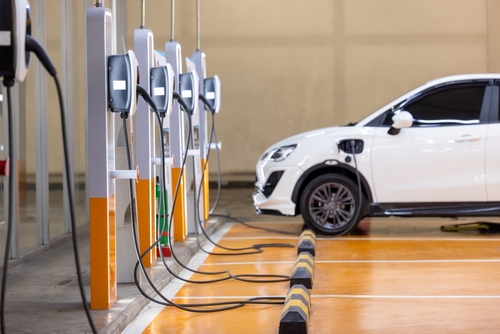
More RVers are prioritizing electric-ready campgrounds as charging infrastructure expands across national travel corridors. This trend is partly driven by the growing number of electric tow vehicles and electric Class B rigs entering the market. Travelers are seeking destinations where they can reliably plug in without planning complicated charging detours. As a result, more parks are upgrading their power layouts to stay competitive.
The reason this matters is that reliable access to power reduces range anxiety and increases destination flexibility. RVers can stay longer without worrying about limited charging options. Campgrounds that adopt fast-charging stations are becoming especially appealing for road trippers covering long distances. This shift is nudging the entire industry toward cleaner, tech-forward travel.
3. Rising Popularity of Smaller, Lighter Rigs
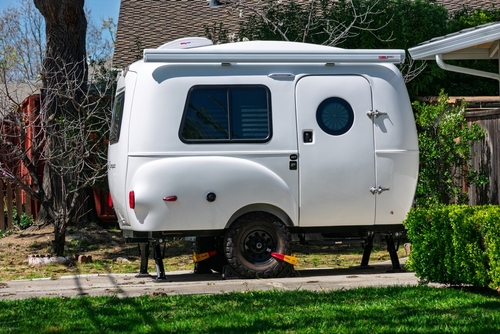
Lightweight travel trailers and micro-campers are gaining traction as fuel prices remain unpredictable. Many new RVers prefer rigs that can be towed with midsize SUVs instead of heavy-duty trucks. This makes road trips more accessible for younger buyers and downsizing retirees alike. Manufacturers are responding with clever floorplans that maximize comfort in compact spaces.
This is happening because people want flexibility without high operating costs. Smaller RVs are easier to store, maintain, and maneuver through tightly packed parks. Travelers also appreciate the reduced stress when navigating mountain passes or urban areas. The trend is making RV travel feel less intimidating for first-time owners.
4. Demand for Wellness-Centered Amenities
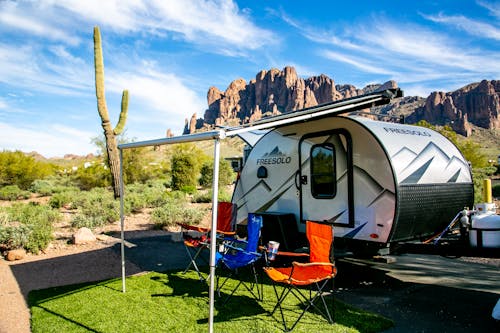
RVers are gravitating toward campgrounds offering yoga decks, walking trails, saunas, and even meditation yurts. This reflects a broader cultural push toward mental health and slower travel. People want trips that reset their stress levels instead of adding to them. As a result, wellness-focused campground packages are becoming more common.
This trend matters because RV vacations are no longer just about sightseeing or driving long miles. Travelers want restorative experiences built into the journey itself. Amenities that support stress relief help parks stand out in competitive regions. Ultimately, wellness offerings encourage longer stays and repeat visits.
5. Adult-Oriented Campgrounds
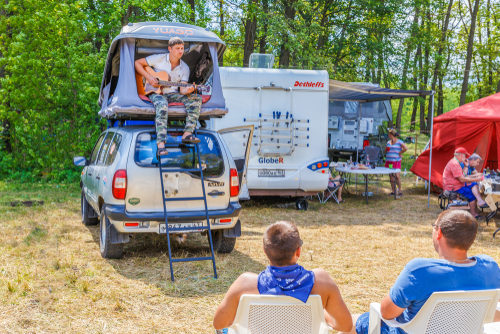
More RV resorts are marketing themselves specifically to adults seeking quieter environments. These parks offer amenities like wine tastings, upscale restaurants, and curated social events. RVers who want to avoid the noise and bustle of family-centric spots are responding enthusiastically. This is giving rise to a more segmented campground landscape.
It matters because expectations for campground experiences are becoming more personalized. Not every traveler wants playgrounds or packed swimming pools. Adult-oriented resorts cater to couples, retirees, and digital nomads looking for calm environments. This makes travel planning more tailored and enjoyable.
6. Eco-Friendly Park Certifications
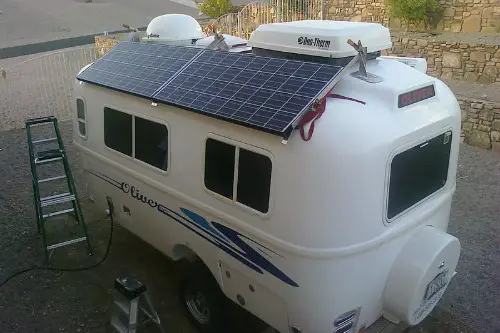
Campgrounds are adopting greener practices like solar arrays, greywater recycling, and native landscaping. Travelers increasingly check for environmental certifications before booking. RVers want to know that their stays contribute to conservation rather than resource strain. Parks with visible sustainability efforts are earning a stronger reputation.
This trend is important because eco-consciousness has become a mainstream travel priority. People appreciate seeing practical steps rather than vague “green” claims. RVers also value parks that operate efficiently, especially in drought-prone or high-use regions. Sustainable choices from parks build trust with environmentally aware travelers.
7. Reservation Systems with Real-Time Availability
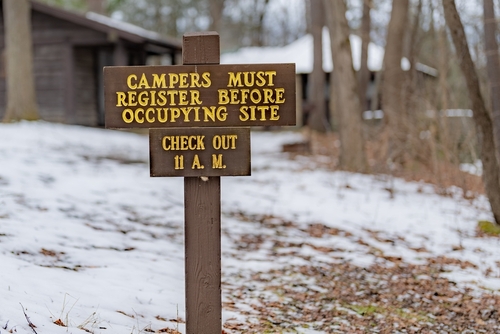
RVers are choosing parks with modern online booking tools over those requiring phone calls or guesswork. Real-time availability reduces frustration during peak seasons. These systems help travelers avoid long searches for last-minute sites. Parks with dynamic booking features are rising in popularity among tech-savvy RVers.
This shift matters because RV demand is still high and campsites can fill quickly. Clear booking systems help travelers plan responsibly without causing congestion. They also reduce no-shows and miscommunication for park operators. Ultimately, the convenience eases road-trip uncertainty.
8. Winter-Friendly Destinations
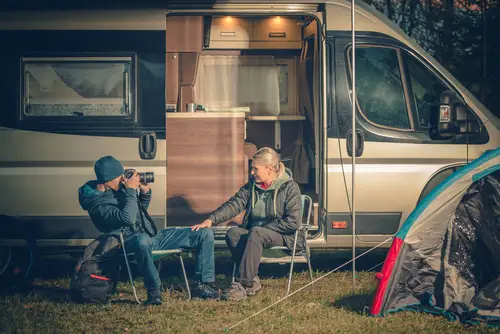
As more people full-time or extend their travel seasons, cold-weather camping has become far more common. RVers are seeking places with insulated sites, heated bathhouses, and reliable snow clearing. Regions that once saw only summer crowds are now promoting four-season tourism. This is diversifying travel patterns across the country.
This shift matters because it reduces overcrowding during warmer months. Travelers gain more flexibility without being tied to traditional summer schedules. It also encourages RV manufacturers to improve cold-weather packages and better insulation. Winter-friendly travel opens up new adventure possibilities year-round.
9. Culinary-Focused Travel Routes
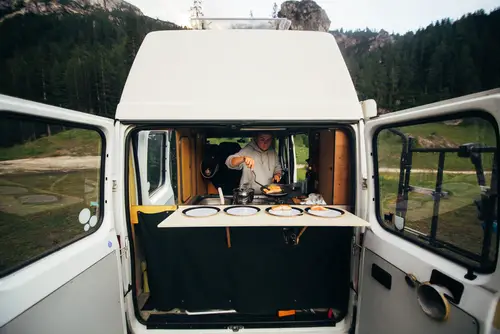
Food tourism is becoming a major driver for RV trip planning. RVers are building routes around craft breweries, local farm stands, and regional specialties. This turns road travel into a sensory experience rather than just a long drive. Campgrounds near food hubs are seeing increased demand.
This matters because eating local is a simple way to connect with regional culture. Travelers feel more immersed when they taste what an area is known for. Culinary routes also support small businesses, which strengthens local economies. For many RVers, the memorable meals become the highlight of the trip.
10. Longer Stays Over Fast Touring
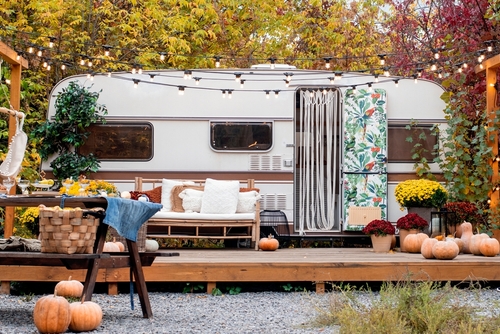
The “slow travel” mindset continues to grow among RVers in 2026. Instead of hopping from campground to campground, travelers are choosing basecamps for week-long or month-long stays. This helps reduce setup fatigue and travel costs. It also gives people time to genuinely explore an area.
This is happening because rushed travel often leaves people feeling tired rather than fulfilled. Longer stays create deeper experiences with local communities. RVers also enjoy the stability of getting to know one park’s amenities well. It turns trips into more relaxing and meaningful escapes.
11. Adventure-Skill Workshops at Campgrounds
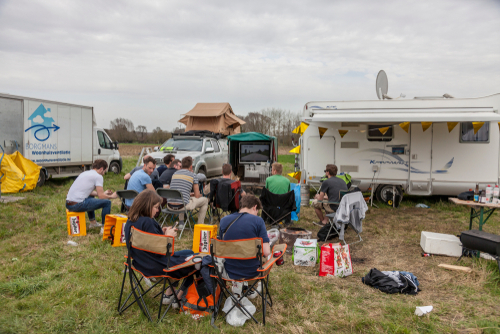
More RV parks are hosting workshops on outdoor skills, from paddleboarding to wilderness navigation. These offerings appeal to travelers who want hands-on learning during their trips. Families and solo travelers alike are signing up for guided experiences. Parks that include these activities are gaining a distinct edge.
This matters because people increasingly value experiences over passive sightseeing. Learning something new becomes part of the travel narrative. Workshops also help newcomers feel more confident in the outdoors. This shift encourages parks to invest in recreational programming.
12. Community-Driven Micro-Gatherings
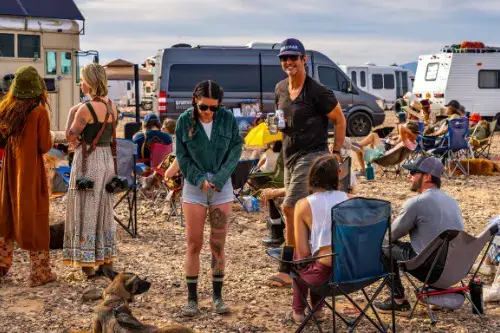
Small, themed meetups—such as van-life weekends, women’s travel circles, or regional camper clubs—are becoming more popular. RVers are prioritizing trips that include social connection with like-minded travelers. Micro-gatherings feel more intimate and manageable than giant rallies. Hosts are curating events that emphasize shared passions.
This trend matters because RVing can be isolating without intentional community-building. These gatherings help people form friendships that extend beyond the trip. They also encourage newer RVers to learn from more experienced travelers. The result is a more connected, supportive RV culture moving into 2026.
This post 12 Travel Trends Shifting the Priority List for RVers in 2026 was first published on Greenhouse Black.
