
1. Mid-Century Modern Dinnerware
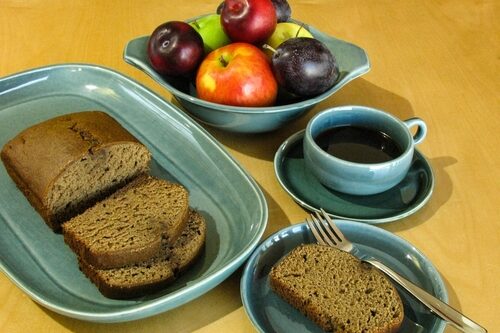
Mid-century dinnerware from makers like Franciscan, Russell Wright, and Vernonware often blends into the shelves because it looks modest and practical. Thrift store staff may not recognize hallmark glazes or shapes that identify collectible lines. Many patterns were widely produced, but certain colors and early editions now draw strong interest from design fans. Their value comes from a mix of nostalgia and the continued popularity of mid-century interiors.
These sets also remain highly usable, so people buy them for both everyday meals and curated table settings. Thrift stores frequently price them like generic dishware, creating opportunities to find overlooked treasures. Consistent glazing, era-specific hues, or clear backstamps often signal something special. Even single pieces can be valuable if they complete someone’s partial set.
2. Heavy Wool Blankets

Classic wool blankets—especially military surplus or heritage brands—often get tossed in with generic bedding. Many are densely woven, moth-resistant, and built to last for decades. Collectors look for labels from mills that have since closed, which boosts desirability. Their durability and craftsmanship make them far more valuable than the few dollars they’re usually priced at.
Outdoor enthusiasts love them because they stay warm even when damp, and homesteaders appreciate their insulating quality. Some blankets were produced in limited runs, making color variations or edge stitching patterns worth noting. Thrift stores often overlook manufacturer tags or original size markings that signal higher value. With proper cleaning, these blankets can be restored to near-original condition.
3. Cast Iron Cookware
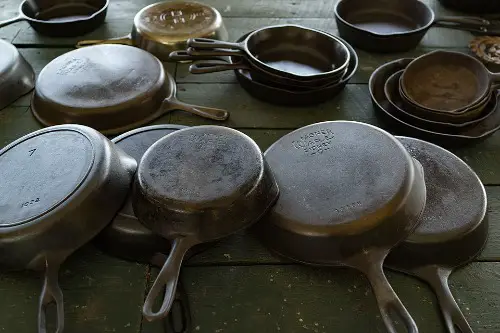
Vintage cast iron from makers like Wagner, Griswold, and older Lodge lines often gets priced like modern pans. Thinner walls, smoother interiors, and distinctive logos set these apart, but many staff don’t spot the cues. These early pieces heat more evenly than many contemporary options, which is why cooks seek them out. Their collectibility also comes from discontinued molds and regional variations.
Most cast iron can be rehabilitated even if it looks rusty or grimy. A little seasoning work can restore it to better-than-new performance, making a $10 pan worth many times more. Specialty pieces like waffle irons or cornbread molds can be especially valuable. Handles, lid shapes, and logo positioning help confirm authenticity.
4. Studio Pottery
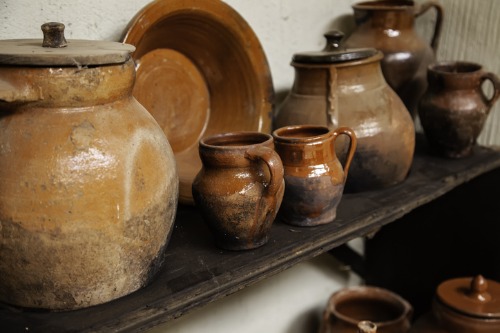
Hand-thrown pottery often looks “crafty” rather than collectible, so it gets mixed in with mass-produced ceramics. Many pieces carry the stamps of small regional studios or individual artists who built followings over time. Functional forms like mugs, pitchers, and vases are especially sought after when tied to recognizable potters. Because styles vary widely, interesting glazes or unusual shapes can signal something worth researching.
Thrift stores rarely check the bottom marks closely, so these slip by at low prices. Studio pottery from the 1960s–1980s is steadily gaining appreciation among collectors. Quality pieces are typically heavier, with more intentional glazing and finishing. A quick search of a signature can reveal surprising value.
5. Solid Wood Furniture
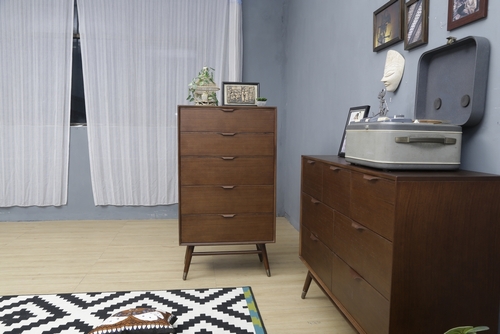
Small solid-wood tables, stools, and chairs often get undervalued because they look plain or outdated. Many thrift stores use blanket pricing on furniture, ignoring details like dovetail joints or hardwood construction. Older pieces from the mid-20th century often use woods that are more expensive today. Their sturdiness makes them ideal candidates for refinishing or light restoration.
Even a rough-looking piece can hide gorgeous grain under old varnish. Decorators love these items because they work in both vintage and modern interiors. Quality hardware and joinery often indicate expert craftsmanship. A solid-wood piece under $20 is almost always worth a second look.
6. Linen and Cotton Tablecloths
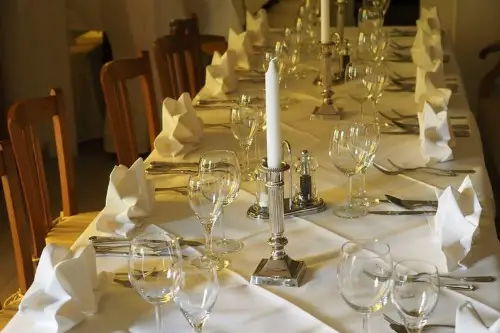
Many vintage tablecloths are folded and tossed into bins without inspection. Older linens were often made from higher-quality fibers than most modern versions. Embroidery, hand-stitching, and lace edging can indicate a time-consuming production process. These details give them both decorative and resale value.
Collectors look for unique prints from the 1940s–1960s and handwoven textures from even earlier. Thrift stores often overlook small maker’s tags or intact hemstitching. Many stains can be lifted with gentle cleaning methods, restoring pieces to display condition. Once cleaned, these textiles appeal to vintage decorators and entertainers alike.
7. Silver-Plated Flatware
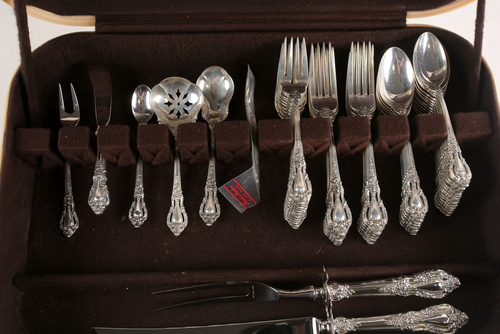
Silver-plated utensils frequently get lumped in with everyday kitchen cutlery. Many people assume that only sterling silver has value, but certain plated sets are collectible. Patterns from brands like Rogers, Oneida, or Community often have discontinued designs. They attract buyers looking to complete sets or replace missing pieces.
Thrift stores may overlook backstamps that identify patterns and production eras. Tarnish often hides decorative details that make sets appealing. With a quick polish, old flatware can look like new. Matching sets or ornate serving pieces can be surprisingly valuable.
8. Vintage Board Games
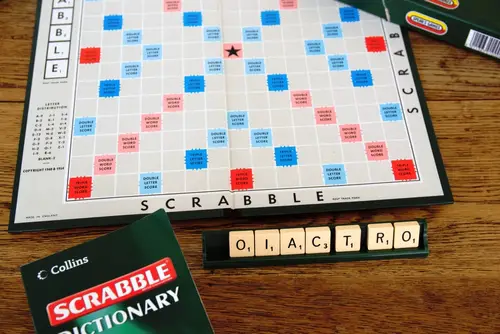
Older board games often end up on crowded shelves without being checked for completeness. Some editions have unique artwork, discontinued pieces, or regional variations. Collectors seek early versions of popular games like Monopoly, Clue, and Scrabble. Even partial sets can hold value if someone needs specific replacement parts.
Thrift stores usually price all games the same, regardless of edition or age. Boxes with original inserts or wooden components are particularly appealing. Many enthusiasts restore box corners or reprint instructions to revive old sets. Early print dates and rare artwork significantly boost interest.
9. Leather Bags

Well-made leather bags age slowly and often look better with use. Thrift shops sometimes miss brand stamps or assume older styles lack value. Many heritage brands produced limited runs or used higher-grade leather than most modern equivalents. Sturdy stitching and brass hardware hint at quality craftsmanship.
Condition issues like dryness or surface scuffs can usually be fixed with basic leather care. Once cleaned and conditioned, a bag can look dramatically more valuable. Collectors look for structured shapes, unique hardware, and maker’s marks. Classic leather goods stay in demand regardless of fashion trends.
10. Art Prints and Lithographs
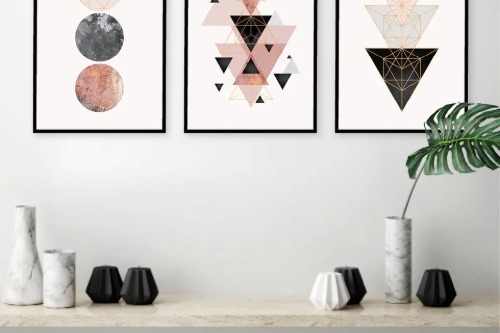
Framed prints often get priced by the frame rather than the art inside. Many shoppers overlook small inscriptions like “lithograph” or “artist proof.” Limited-edition prints from regional artists can hold notable value. Even mass-produced prints from well-known illustrators can be collectible if out of circulation.
Thrift stores rarely remove backing paper to check for gallery labels or signatures. Some lithographs were printed in short runs and have remained in good condition. Clean lines and well-preserved colors indicate quality printing methods. A modest frame can hide something worth researching.
11. Crystal Stemware
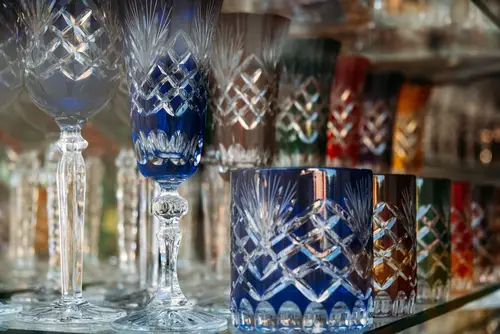
Crystal glasses often get mixed with regular glassware because they appear similar at a glance. However, crystal typically has more clarity and a signature “ring” when tapped. Many discontinued patterns from European and American makers attract collectors. Sets of four or more can be especially desirable.
Thrift store staff may not recognize etched markings or faint logos on the bases. Heavy weight and sharp faceting indicate higher quality. Chips are common but sometimes minimal enough not to affect value. Matching stem heights and bowl shapes help identify specific patterns.
12. Mechanical Watches
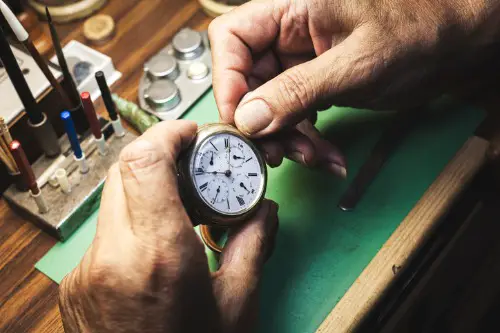
Older mechanical watches often wind up in display cases without careful evaluation. Brands like Timex, Bulova, and Seiko made durable models that still run with minor servicing. Certain vintage designs—like field watches or early automatic movements—are especially collectible. Even non-working watches can be valuable for parts.
Thrift shops rarely test watches beyond checking if the second hand moves. A quick cleaning or new strap can dramatically increase appeal. Back engravings can indicate limited editions or commemorative issues. Watch enthusiasts appreciate models with original dials and hands.
13. Brass Home Decor
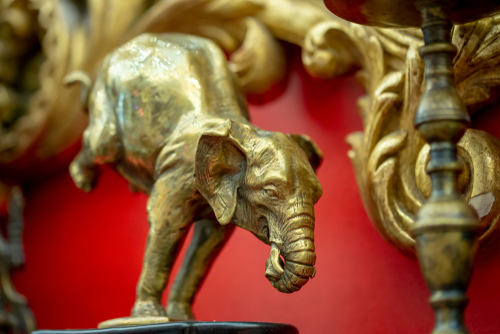
Brass items like candlesticks, trays, and bookends often look dull when tarnished. Many thrift stores treat them like generic metal decor and price them low. Solid brass has a weight and warmth that appeals to modern interior stylists. Some pieces were handcrafted or imported in small batches.
Tarnish can be polished away easily, revealing rich golden tones. Decorative motifs like animals or geometric shapes often point to collectible eras. Brass pieces mix well with many decorating styles, keeping demand strong. Even small items can have surprising resale value once restored.
This post 13 Legacy Items Thrift Stores Undervalue was first published on Greenhouse Black.
