
1. Copper plumbing

For much of the twentieth century, copper pipe was the gold standard for residential plumbing. It tolerated heat, resisted UV exposure, and had a well-understood lifespan. Properly installed copper can last 50 to 70 years or more in favorable water conditions. Its rigidity also made leaks easier to trace and repair.
PEX tubing replaced much copper because it is flexible, fast to install, and cheaper. It performs well in freezing conditions and reduces the number of fittings. Long-term performance is still being studied, especially regarding heat, chlorine, and UV exposure. PEX solves real problems, but it hasn’t yet earned copper’s century-long track record.
2. Plaster walls
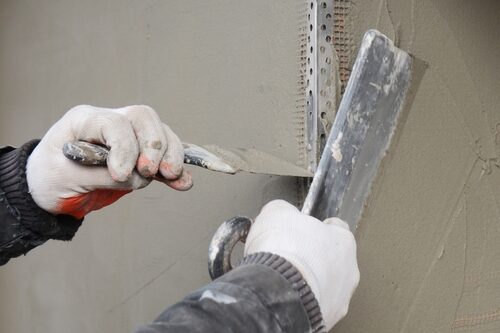
Traditional plaster walls were built up in multiple coats over wood or metal lath, creating a dense, rock-hard surface. That mass made walls quieter, more fire-resistant, and far less prone to everyday dents. In older homes, plaster also helped stabilize humidity by absorbing and releasing moisture slowly. When it was done right, it could last for a century with only minor repairs.
Drywall replaced plaster after World War II because it was cheaper, faster, and required less skilled labor. It made mass housing possible, which is a real benefit, but it also introduced softer walls that bruise easily. Modern drywall patches well, yet it rarely feels as solid as plaster once did. The trade-off was speed and cost over long-term toughness.
3. Solid wood cabinetry
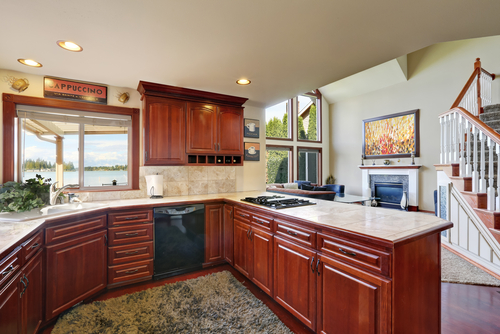
Older kitchens were often built with solid wood cabinet boxes, shelves, and face frames. Those boards could handle decades of weight, moisture swings, and repeated refinishing. If a hinge loosened or a shelf sagged, the wood usually held screws again after a simple repair. That repairability is a big reason many mid-century cabinets are still in service.
Today, particleboard and MDF dominate because they are inexpensive and dimensionally consistent. They perform fine in dry conditions but fail quickly when exposed to leaks or steam. Once these materials swell or crumble, repair is rarely practical. What replaced solid wood works for tight budgets, but not for multi-decade use.
4. Cast iron bathtubs

Cast iron bathtubs were coated in thick porcelain enamel and weighed several hundred pounds. That weight made them incredibly rigid, quiet, and resistant to flexing or cracking. The enamel surface resisted scratches and stains far better than most modern finishes. Many are still usable a hundred years later with only reglazing.
Acrylic and fiberglass tubs replaced cast iron because they are lighter and cheaper to install. They also fit better with modern framing and one-person installation. However, they can flex underfoot and show wear within a couple of decades. Convenience won, but longevity took a hit.
5. Slate roofing
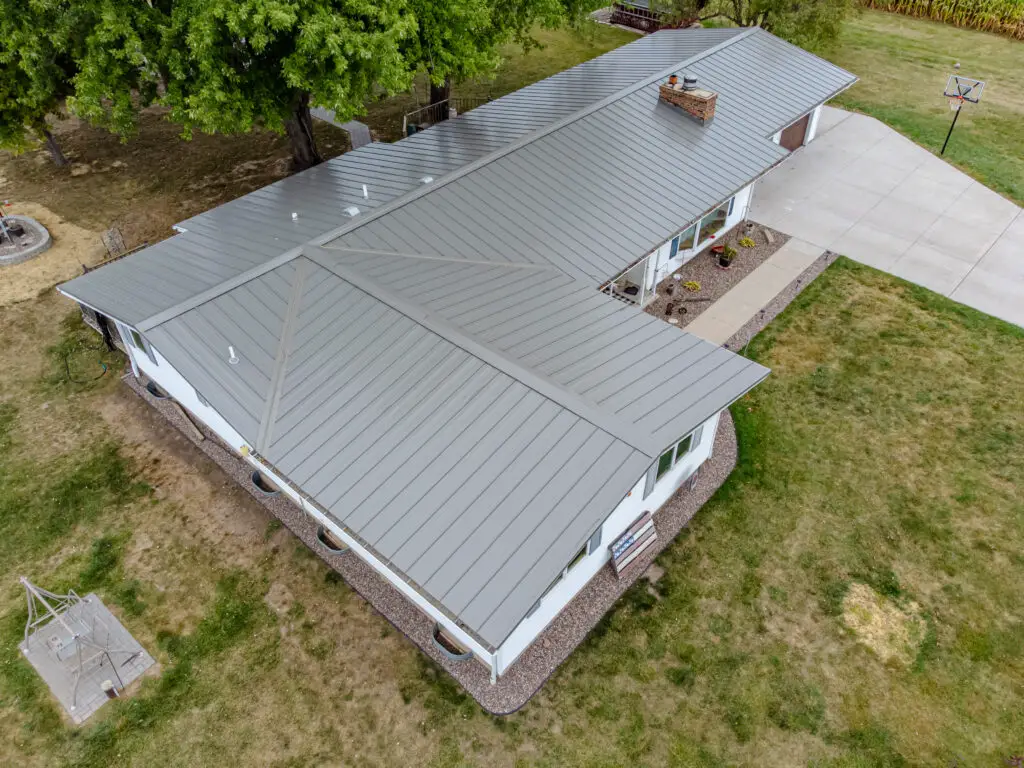
Slate roofs were once a sign that a house was meant to outlive its first few owners. Individual stone tiles can last 75 to 150 years when properly installed. They resist fire, insects, and weather in ways manufactured materials struggle to match. Many historic neighborhoods still rely on their original slate.
Asphalt shingles replaced slate because they cost far less and are easier to install. They also require less structural support, which simplifies construction. Even high-quality architectural shingles typically last 20 to 30 years. The shift traded generational durability for affordability and speed.
6. Old-growth lumber framing
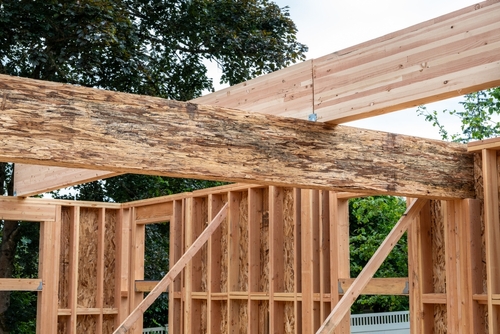
Older homes were framed with old-growth lumber cut from slow-growing trees. That wood was denser, more stable, and less prone to warping or twisting. Carpenters could span longer distances with fewer engineered solutions. The result was framing that aged predictably over decades.
Modern construction relies on fast-growth lumber and engineered products like OSB and LVLs. These materials are efficient and environmentally responsive to limited forests. They work well when kept dry but can degrade quickly if moisture intrudes. The replacement is smart for scale, but not as forgiving over time.
7. Steel windows
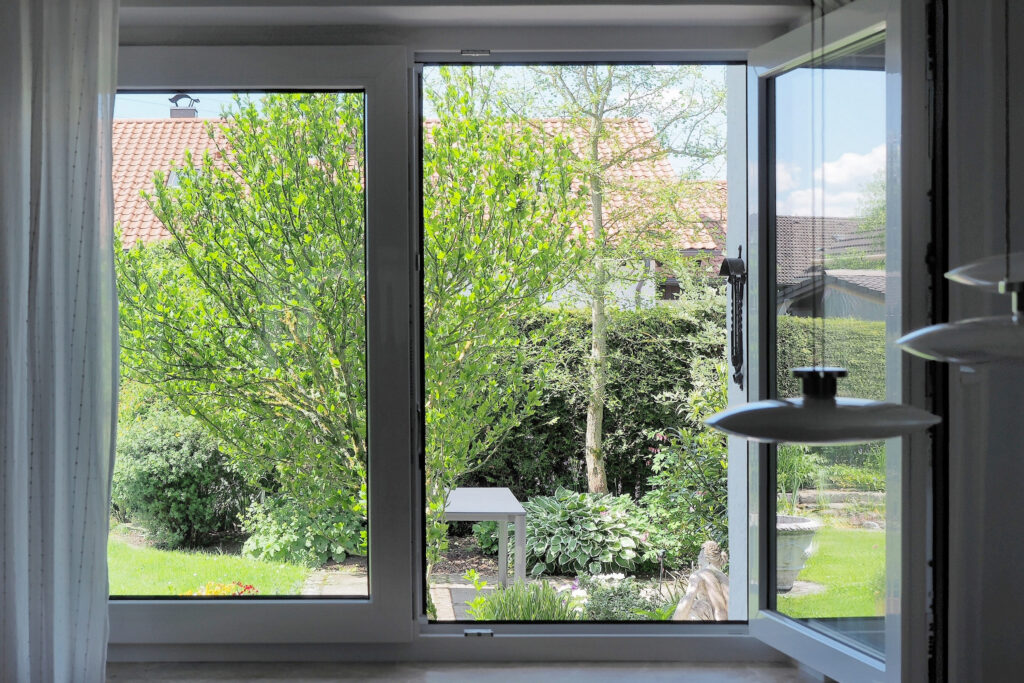
Early steel windows used thin but strong metal profiles that held large panes securely. They resisted UV damage and could be repaired, repainted, and reglazed repeatedly. Many still function smoothly after nearly a century. Their durability helped offset their poor thermal performance.
Vinyl windows replaced steel because they insulate better and cost less upfront. They are also easy to mass-produce and install. Over time, vinyl can warp, fade, or become brittle from sun exposure. Energy efficiency improved, but service life often shortened.
8. True linoleum flooring
Original linoleum was made from linseed oil, cork dust, and natural resins. That composition created a resilient, antimicrobial surface that aged gracefully. With basic care, it could last 40 years or more. Many people confuse it with vinyl, but they are very different materials.
Vinyl flooring replaced linoleum because it is cheaper and easier to print with patterns. It also tolerates moisture better in the short term. However, vinyl can dent, tear, and lose wear layers over time. The replacement prioritized versatility over long-term resilience.
9. Hardwood floors
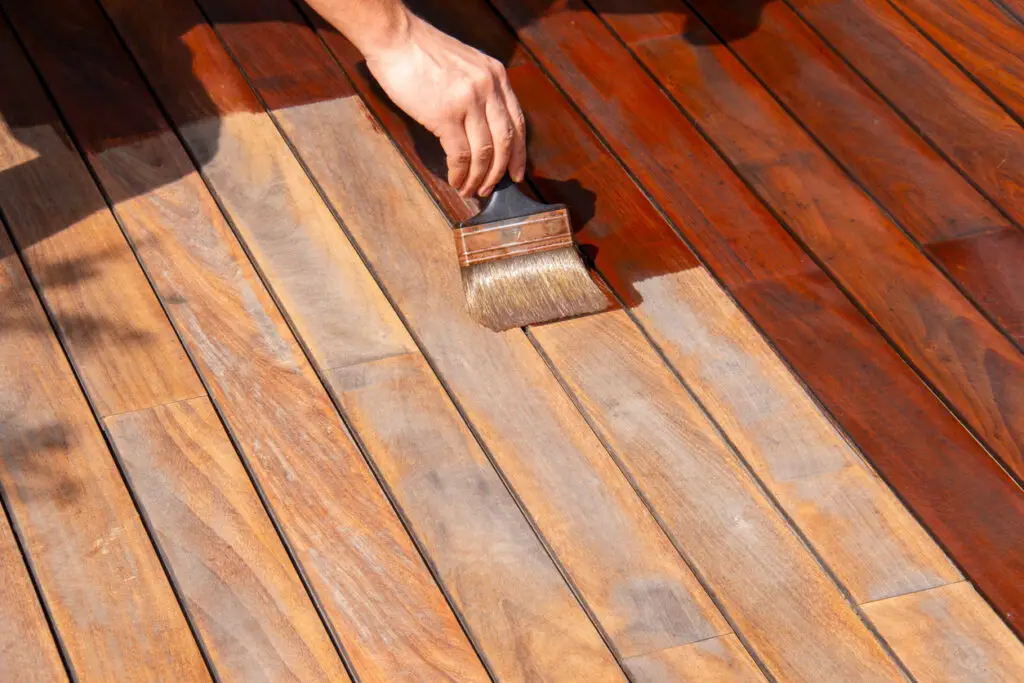
Solid hardwood floors were once standard in main living spaces. They could be sanded and refinished multiple times over their lifespan. That ability allowed floors to survive changing tastes and heavy wear. Many century-old homes still have their original boards.
Laminate and luxury vinyl plank replaced hardwood because they cost less and install faster. They also handle pets and moisture better on the surface. Once the wear layer fails, replacement is usually the only option. The swap favors convenience over renewal.
10. Masonry fireplaces
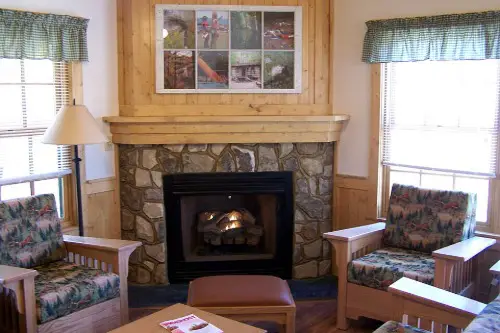
Traditional masonry fireplaces were built from brick, stone, and clay flue liners. They were heavy, permanent structures integrated into the house. When maintained, they could last as long as the building itself. Their mass also helped regulate indoor temperature.
Prefabricated zero-clearance fireplaces replaced them to save space and cost. They install quickly and meet modern efficiency standards. However, many have a service life measured in decades, not generations. The replacement works well, but it is fundamentally disposable.
11. Mortar-set tile installations
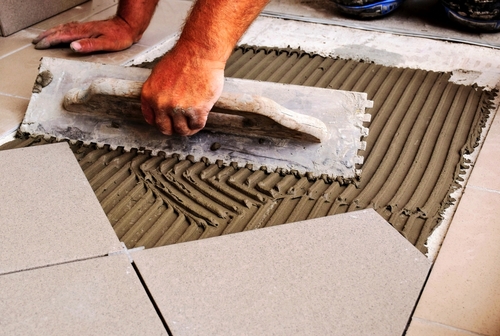
Older tile installations were often set into thick mortar beds over metal lath. Those beds created flat, rigid surfaces that resisted movement. Cracked tiles were less common because the substrate barely flexed. Many original bathrooms still have intact tile for this reason.
Modern tile is usually installed over cement board or foam backer with thinset. This system is faster and uses far less material. It depends heavily on perfect installation to avoid cracks. The replacement saves labor, but reduces built-in tolerance.
This post Home Materials That Used to Mean “Built to Last” — and What Replaced Them was first published on Greenhouse Black.
