
1. Corelle Butterfly Gold Dinnerware

If you grew up eating weeknight dinners off Butterfly Gold plates, you’re not alone. Introduced in 1970 and produced through the late 1990s, this pattern was practically indestructible and wildly popular in family kitchens. Collectors like it because it’s instantly recognizable and deeply tied to everyday life rather than special occasions. Complete sets in good condition are getting harder to find as many pieces were used until they literally wore out.
There’s also a strong nostalgia factor at play with Butterfly Gold. It represents a time when households prioritized durability and consistency over trends. Younger collectors often seek it out to recreate the look of their childhood kitchens. That emotional pull, combined with discontinued production, is what’s driving its quiet rise in value.
2. CorningWare Blue Cornflower Casserole Dishes
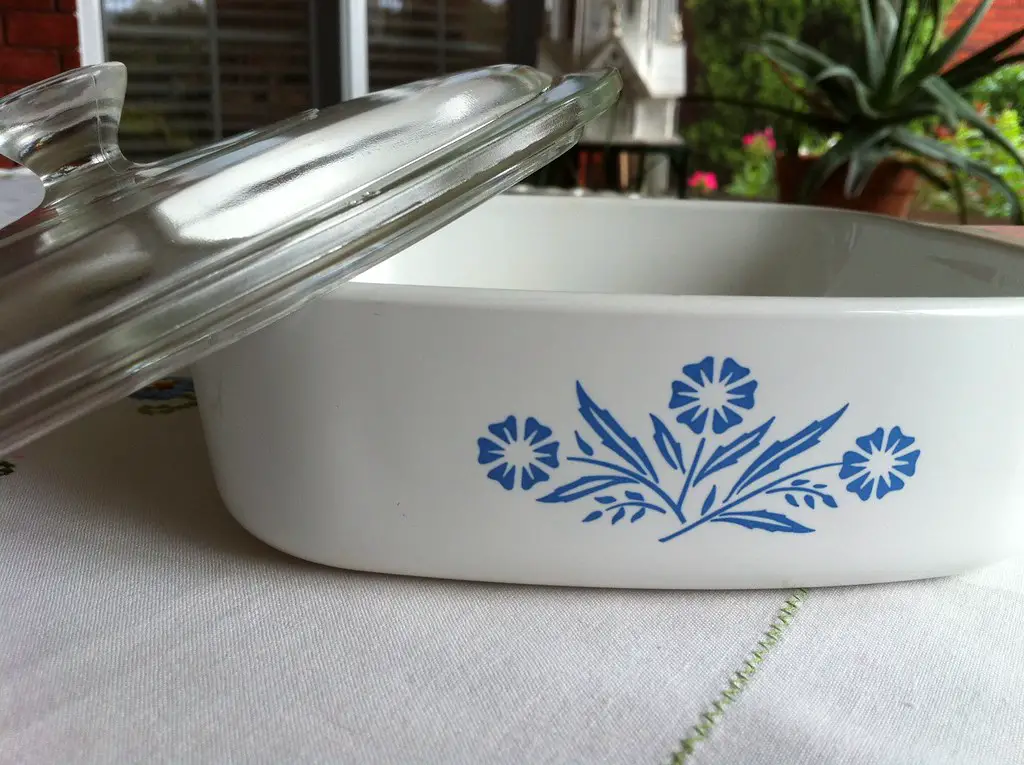
The Blue Cornflower pattern was a staple in kitchens from the 1960s through the 1980s, and many families kept using it well into the 90s. These dishes were known for going straight from oven to table, which made them incredibly practical. Collectors value them because early and mid-era pieces were made in the U.S. and are extremely durable. The simple floral design has also aged surprisingly well.
Another reason for their collectibility is survival rate. Many pieces cracked or broke over decades of heavy use, so intact lids and matching sets matter. People are also drawn to the nostalgia of shared meals and potlucks. That emotional association adds value beyond the dish itself.
3. Pyrex Patterned Mixing Bowls
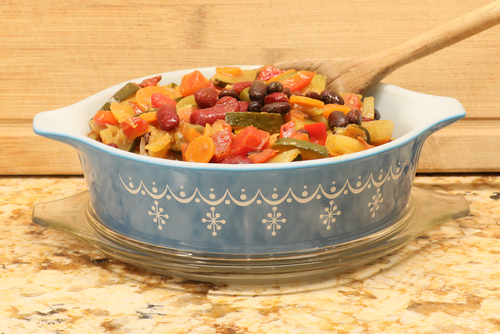
Pyrex mixing bowls were a kitchen workhorse throughout the 70s, 80s, and into the 90s. Patterns like Old Orchard, Woodland, and Early American were once so common they blended into the background. Today, collectors hunt for specific colors and designs that were only produced for a few years. Condition is especially important because scratches and fading lower desirability.
What makes these bowls collectible is the combination of function and design. They were meant to be used daily, not displayed behind glass. That makes pristine examples feel special now. Their association with home baking and family recipes adds an extra layer of appeal.
4. Sony Walkman Cassette Players
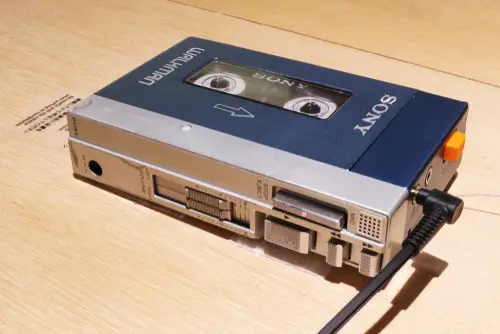
The Sony Walkman defined portable music in the 1980s and remained popular well into the 1990s. It changed how people experienced music by making it personal and mobile. Collectors seek original models because Sony’s build quality was high and designs were iconic. Early versions in working condition are especially desirable.
Another reason for their collectibility is cultural impact. The Walkman is tied to the rise of mixtapes and personal soundtracks for daily life. It also represents a major technological shift before digital music. That historical significance keeps demand steady.
5. VHS Rewinders
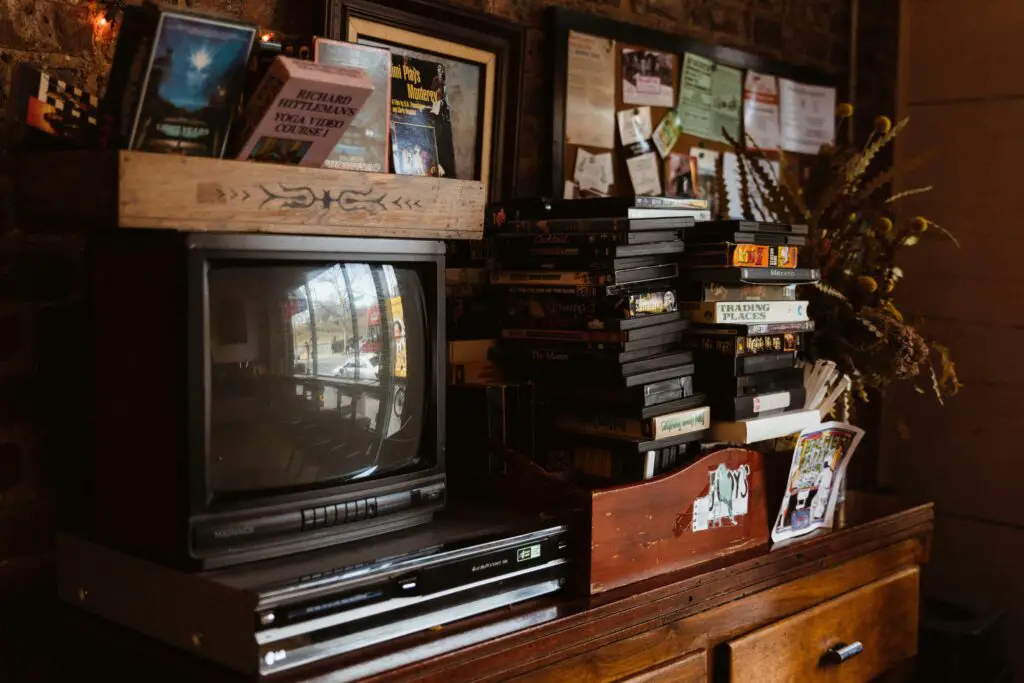
VHS rewinders were a small but memorable household accessory in the 80s and 90s. They were used to save wear on VCRs and often came in novelty shapes like cars or spaceships. Collectors enjoy them because they’re quirky and instantly recognizable. Many were cheaply made, so surviving examples are fewer than you’d expect.
Their appeal also comes from how specific they are to a moment in time. Once DVDs arrived, rewinders became obsolete overnight. That short window of relevance makes them fascinating to collectors. They’re tiny snapshots of how people cared for their tech.
6. Tupperware Servalier Bowls

Tupperware was everywhere in the 1980s and 90s, especially the pastel-colored Servalier bowls. These sets were often purchased at home parties, making them part of a shared social experience. Collectors like original sets with matching lids and intact seals. Certain colors are harder to find and more desirable.
The collectibility also comes from brand loyalty. Tupperware was known for quality and longevity, and many pieces are still usable. The retro colors fit well with current design trends. That blend of nostalgia and function keeps interest high.
7. Landline Push-Button Telephones
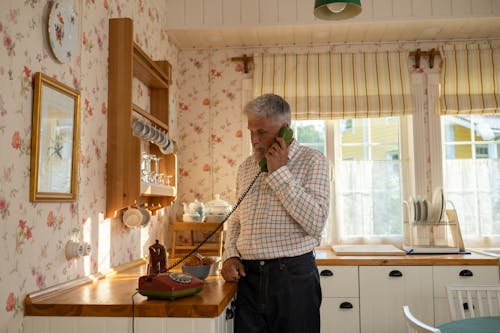
Push-button phones replaced rotary models in many homes during the late 70s and 80s. By the 90s, styles ranged from wall-mounted kitchen phones to see-through novelty designs. Collectors focus on unusual colors, shapes, or branded models. Fully functional units are especially appealing.
These phones are collectible because they mark a transition in communication. They represent the era just before mobile phones became common. For many people, they’re tied to memories of long cords and shared family calls. That emotional connection matters to collectors.
8. Magnavox and RCA Console TVs
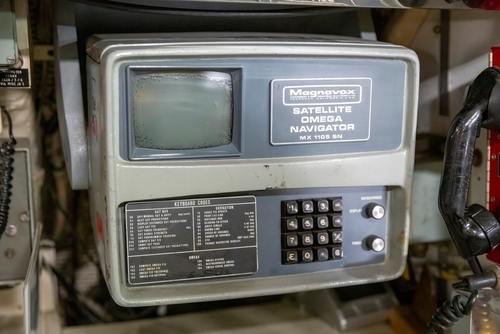
Large wooden console televisions were still common in the early 1980s. Brands like Magnavox and RCA dominated living rooms with furniture-style designs. Collectors today often value them for aesthetics rather than usability. Mid-century styling overlaps with current design trends.
Another reason they’re collectible is craftsmanship. These consoles were built like furniture, not disposable electronics. While many no longer work, the cabinets themselves are desirable. They serve as time capsules of how entertainment fit into the home.
9. Strawberry-Themed Kitchen Accessories
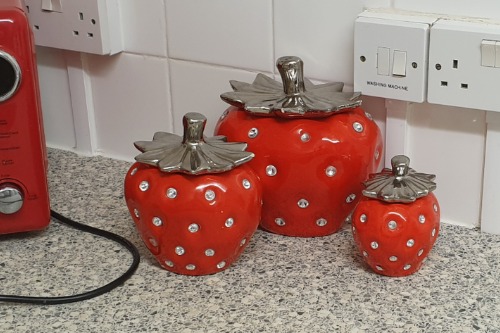
Strawberry motifs exploded in popularity during the 1980s. You could find them on canisters, towels, wall clocks, and even wallpaper. Collectors now seek cohesive sets or standout pieces from well-known manufacturers. The design is instantly tied to that decade.
What drives collectibility is the boldness of the trend. It was unapologetically decorative and very of its time. Many items didn’t survive kitchen wear and tear. That scarcity makes intact pieces more appealing today.
10. Plastic Step Stools with Storage
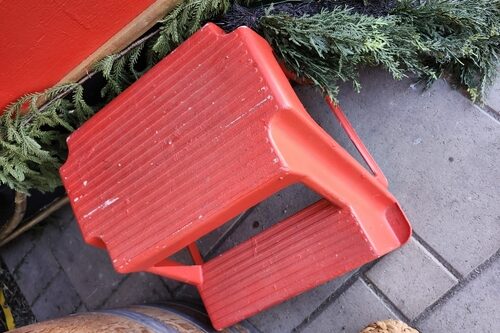
These plastic step stools were common in bathrooms and kids’ rooms throughout the 80s and 90s. Many doubled as storage containers, making them practical and space-saving. Collectors look for bright colors and original decals. Cracks and fading significantly affect value.
They’re becoming collectible because they reflect everyday design thinking of the era. Functionality was paired with playful aesthetics. Many people remember using them as kids. That personal nostalgia boosts interest.
11. Electric Can Openers
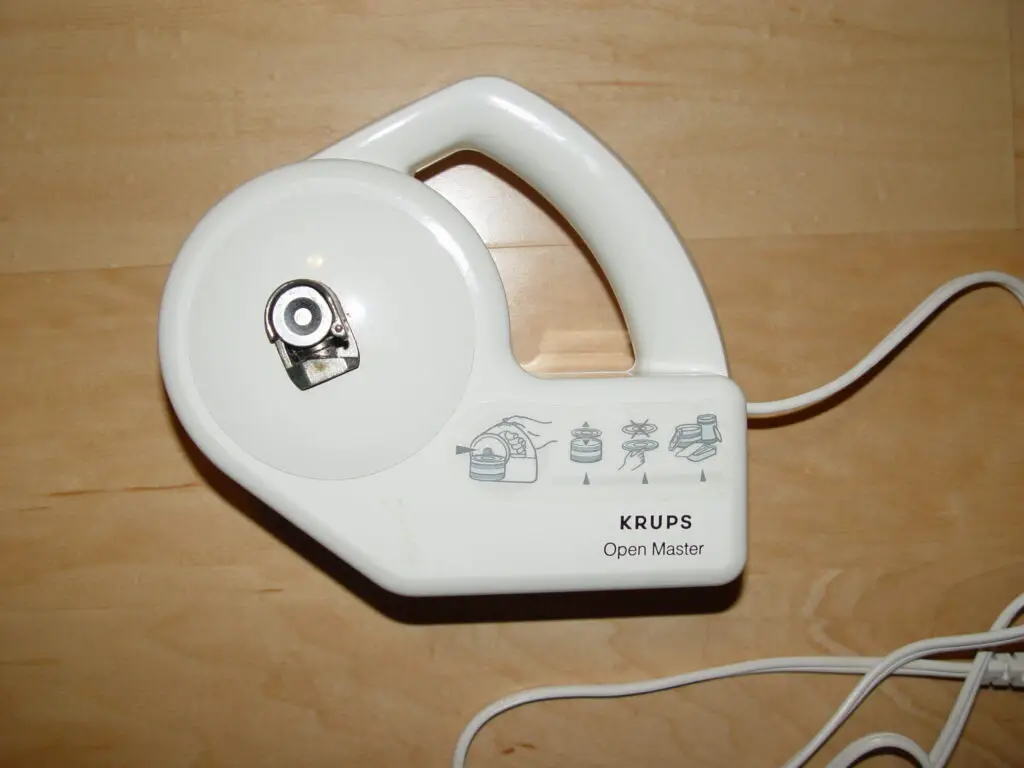
Electric can openers were a countertop staple in many 80s and 90s kitchens. Brands like Black & Decker and Hamilton Beach produced durable models with distinctive designs. Collectors value ones that still work and retain original parts. Color and style also matter.
These appliances are collectible because they symbolize convenience-focused kitchen tech. They were once considered essential, not optional. As minimalist kitchens became popular, many were discarded. That makes surviving examples more interesting now.
12. Novelty Wall Clocks
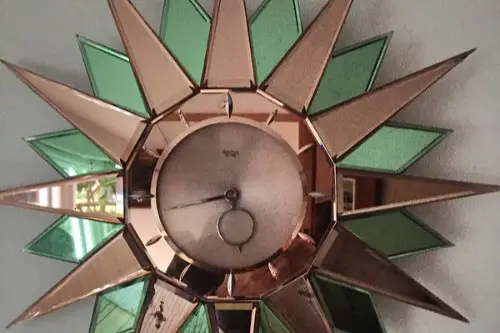
Wall clocks shaped like cats, sunbursts, or geometric art were popular household décor in the 80s and 90s. Many were battery-operated and made from plastic or lightweight metal. Collectors seek clocks with working mechanisms and intact hands. Unusual designs tend to be the most valuable.
Their appeal lies in personality. These clocks were meant to make a statement, not blend in. They reflect how playful home décor became during that period. That expressive quality resonates with collectors today.
13. Cookie Jars from the 1980s and 1990s
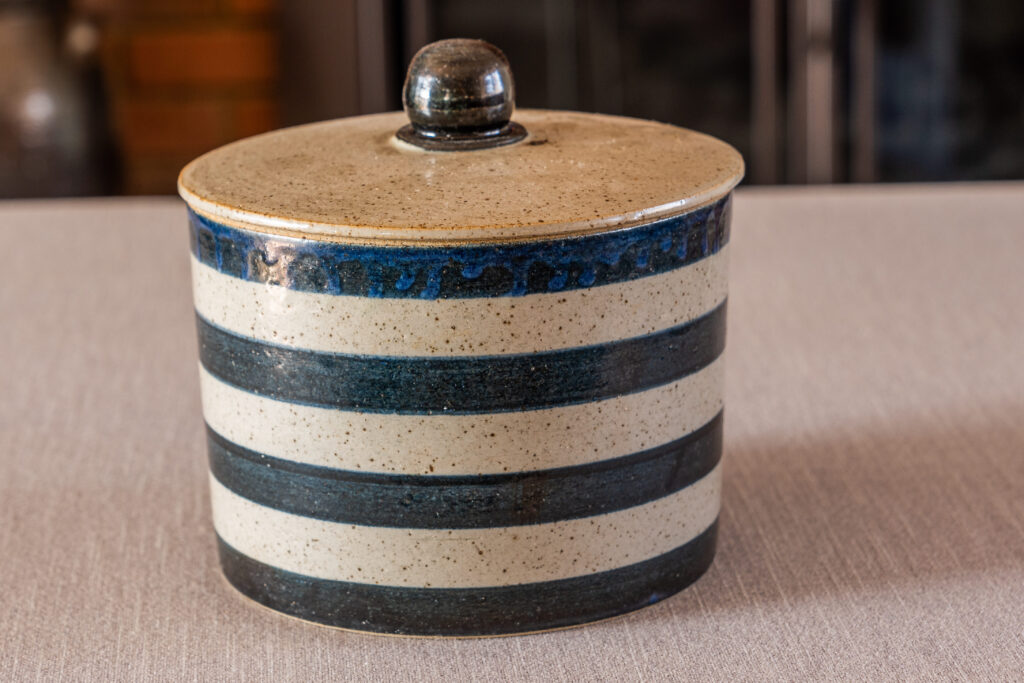
Cookie jars were both functional and decorative, especially in the 80s and 90s. Themes ranged from cartoon characters to country-style kitchens. Collectors focus on recognizable brands, licensed characters, and undamaged lids. Chips and cracks can significantly affect value.
These jars are collectible because they sat at the center of family kitchens. They’re tied to routines, treats, and everyday comfort. Many were broken over time, making intact examples rarer. That combination of memory and scarcity fuels their appeal.
14. Floral Sofa Slipcovers
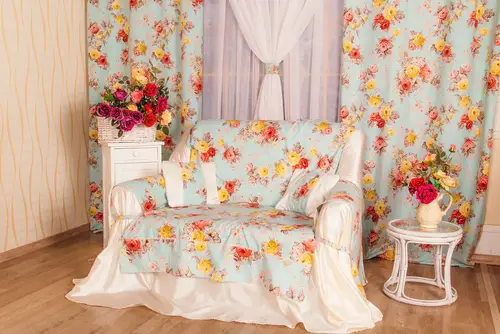
Floral slipcovers were a common sight in living rooms throughout the 1980s and early 1990s. They were used to protect furniture while also refreshing a room without buying a new couch. Collectors now look for original fabric patterns that haven’t been altered or resized. The louder and more period-specific the print, the better.
These slipcovers are becoming collectible because most were used until they frayed or faded. Few people thought to save them once styles changed. They reflect a time when home décor was layered and intentionally busy. That distinct look is exactly what draws interest today.
15. Ceramic Bathroom Accessory Sets
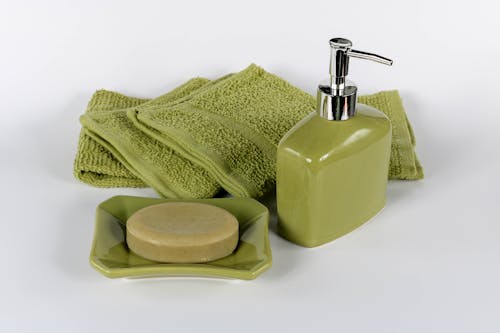
Matching ceramic bathroom sets were popular gifts and household staples in the 80s and 90s. Soap dispensers, toothbrush holders, and tumblers often came in coordinated colors or themes. Collectors value complete sets with minimal chips or crazing. Pastel colors and sculpted designs tend to attract the most attention.
Their collectibility comes from how disposable they once seemed. Most sets were broken up over time as pieces cracked or were replaced. Finding all components together is now uncommon. They offer a snapshot of how bathrooms were styled as cohesive spaces.
16. Electric Blanket Controllers
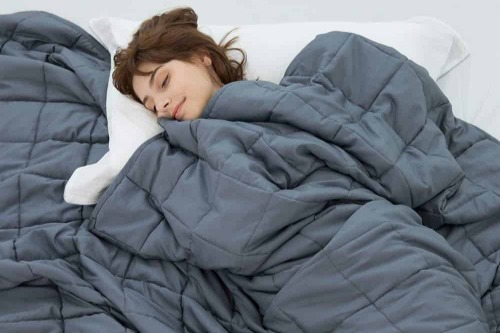
Electric blankets were widely used in colder climates during the 1980s and 90s. The controllers, with their chunky buttons and sliding switches, are what collectors focus on. Original cords and intact labels are especially important. Safety recalls mean many were thrown away.
These controllers are collectible because they represent outdated home technology. Modern versions look very different and lack the same tactile design. They remind people of winter routines and shared beds. That familiarity adds to their appeal.
17. Decorative Tissue Box Covers

Tissue box covers were a small but consistent décor item in many homes. They came in ceramic, wood, or padded fabric designs to match room themes. Collectors now seek novelty shapes or designs tied to specific trends. Condition matters since many were exposed to moisture.
Their appeal lies in how intentional even minor décor choices once were. Nothing was left plain or undecorated. These covers reflect that mindset clearly. As minimalist trends dominated later, most were discarded.
18. Alarm Clocks with Flip Numbers

Flip clocks were common on nightstands through the late 70s and 80s. The mechanical flipping numbers gave them a distinct sound and movement. Collectors look for working mechanisms and uncracked cases. Original packaging increases value.
They’re collectible because they straddle analog and digital design. The motion feels physical in a way modern screens don’t. Many people associate them with school mornings and bedtime routines. That emotional tie keeps interest alive.
19. Plastic Picnic Ware Sets
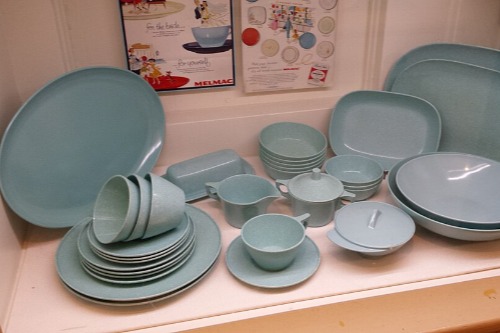
Reusable plastic plates and cups were often stored specifically for outdoor meals. Sets from the 80s and 90s featured bold colors or textured finishes. Collectors prefer complete stacks without warping or staining. Original carriers are a bonus.
These items are becoming collectible due to their durability and design. Many survived decades of use but were eventually replaced by disposable options. They represent casual family gatherings and vacations. That lifestyle connection matters.
20. Electric Fondue Pots
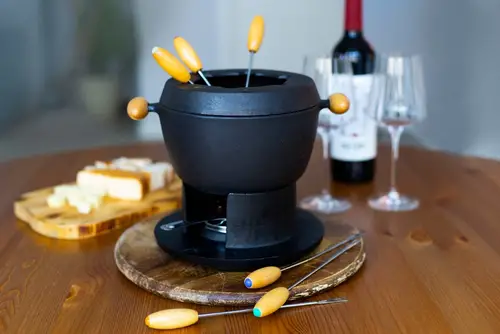
Fondue enjoyed a revival in the late 1970s and remained popular into the 80s. Electric fondue pots were common wedding gifts and party essentials. Collectors look for original forks and temperature controls. Bright colors and boxy designs are especially desirable.
Their collectibility is tied to social entertaining trends. Fondue represented interactive dining at home. Once those trends faded, many pots went unused. Now they feel charmingly retro.
21. Wooden Magazine Racks
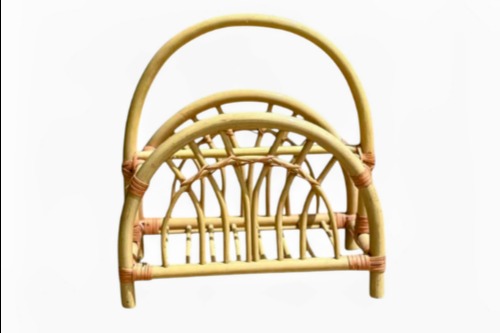
Magazine racks were once necessary furniture pieces in living rooms. Wooden versions with carved or slatted designs were popular in the 80s. Collectors value solid construction and unique shapes. Signs of repair can reduce appeal.
These racks are collectible because the need for them disappeared. As print media declined, so did the furniture that supported it. They symbolize a slower, analog household rhythm. That contrast adds interest today.
22. Novelty Light Switch Covers
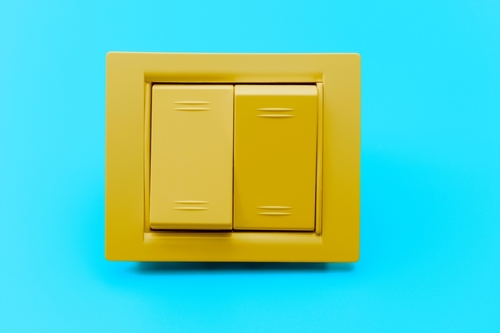
Light switch covers were often themed to match children’s rooms or kitchens. Designs included animals, sports, and cartoon styles. Collectors look for uncracked plastic and intact screw holes. Sets from licensed brands are especially sought after.
Their appeal comes from how personalized homes once felt. Even functional details were customized. Most covers were replaced during renovations. That makes original ones harder to find now.
23. Portable Electric Fans
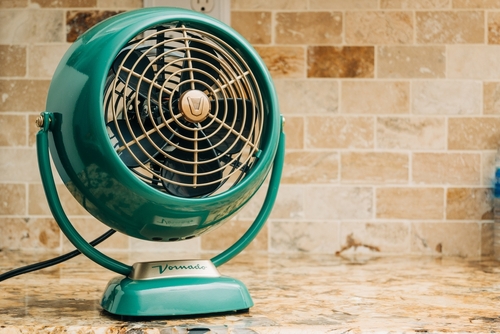
Box fans and small oscillating fans were common household items in the 80s and 90s. Many featured square frames and bold logo badges. Collectors prefer working motors and intact grills. Early plastic colors are especially appealing.
These fans are collectible because of their utilitarian design. They were built to last and often did. Modern fans look sleeker but less distinctive. That visual difference drives interest.
24. VHS Storage Towers

Tall plastic or wooden towers designed to hold VHS tapes were once essential. They helped organize growing movie collections in family rooms. Collectors value intact units without cracks or warping. Brand-name towers tend to do better.
Their collectibility comes from their obsolescence. Once tapes disappeared, so did the need for these towers. They’re physical reminders of home movie nights. That memory adds value.
25. Decorative Bread Boxes
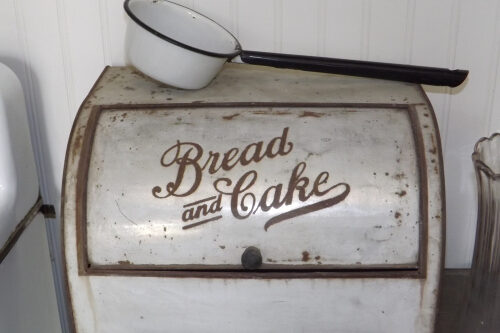
Bread boxes were common countertop items in 80s kitchens. Designs ranged from metal to ceramic with painted motifs. Collectors look for rust-free metal or unchipped ceramic. Country-style designs are especially popular.
They’re becoming collectible because they fell out of use. Changing eating habits made them unnecessary. Many were discarded during remodels. Surviving ones now feel nostalgic.
26. Electric Knife Sets
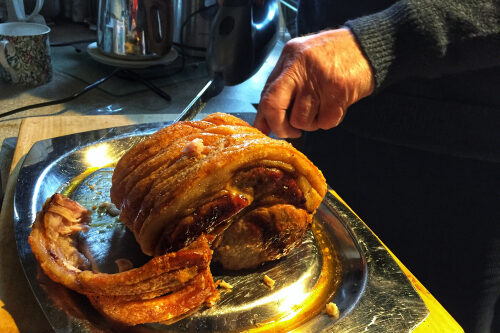
Electric carving knives were often reserved for holidays and special meals. Sets usually included a storage case and multiple blades. Collectors seek complete sets with original cords. Brand reputation plays a role in value.
Their appeal lies in how specialized they were. They represent a time when single-use appliances were common. Many were stored away and forgotten. That limited wear helps today’s collectors.
27. Acrylic Refrigerator Organizers
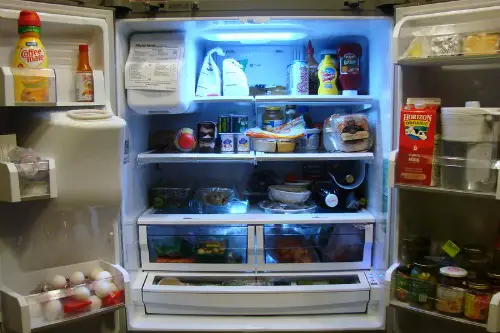
Clear acrylic bins and egg holders were popular fridge accessories. They promised organization before built-in fridge features improved. Collectors look for unclouded plastic and intact edges. Matching sets are preferred.
These items are collectible because they reflect early organization trends. They were marketed as modern and efficient. Over time, plastic wear led to disposal. Intact examples are now harder to find.
28. Novelty Doorstops
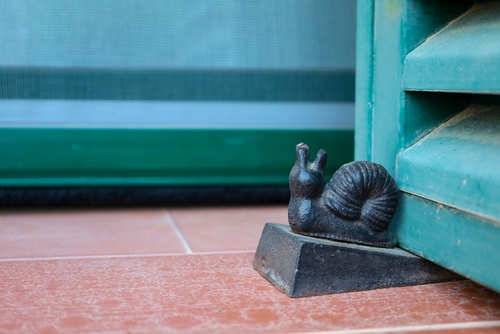
Doorstops shaped like animals, houses, or cartoon figures were common. They added personality to otherwise plain spaces. Collectors seek heavy, intact examples with minimal paint loss. Regional or handmade styles stand out.
Their collectibility comes from durability paired with charm. Many stayed in place for decades. Others were lost during moves. They’re small but expressive pieces of home life.
29. Plastic Laundry Hampers with Lids
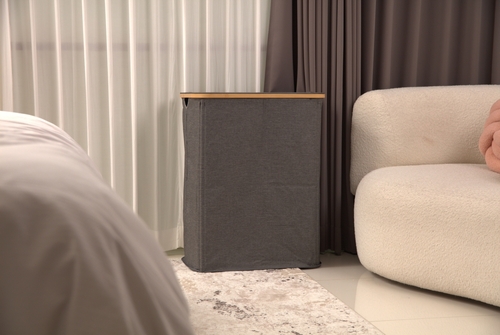
Tall plastic hampers were a staple in bedrooms and bathrooms. Many featured vented sides and snap-on lids. Collectors look for bright colors and intact hinges. Cracks significantly reduce value.
They’re becoming collectible because they’re rarely kept long-term. Most were replaced once damaged. They reflect practical design from the era. That authenticity appeals to collectors.
30. Electric Shoe Polishers
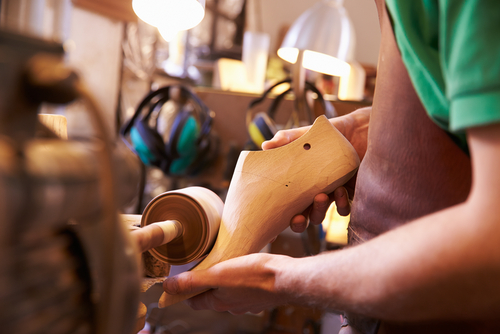
Electric shoe polishers were marketed as convenience tools in the 80s. They often had bulky bases and rotating brushes. Collectors value working motors and original packaging. They’re less common than expected.
Their appeal lies in how specific they were. Modern lifestyles made them unnecessary. Many were barely used before being stored away. That novelty increases interest now.
31. Decorative Phone Message Pads

Before voicemail, message pads sat next to landline phones. Designs often matched kitchen or hallway décor. Collectors look for unused or lightly used pads. Original backing boards add value.
These pads are collectible because they’re tied to communication habits. They represent shared households and missed calls. Once answering machines became common, they disappeared. That short lifespan adds rarity.
32. Wooden TV Trays
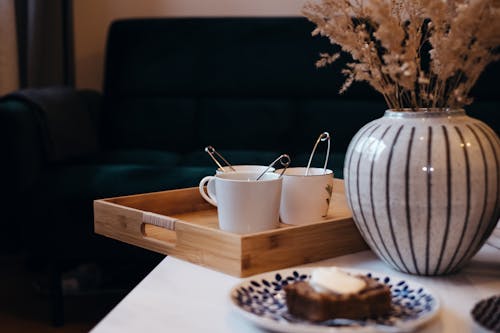
Folding TV trays were common for casual meals. Wooden sets with matching stands were especially popular. Collectors seek complete sets with minimal warping. Original finishes matter.
They’re becoming collectible because eating habits changed. Dedicated dining spaces declined. Many trays were damaged or mismatched over time. Complete sets are now appealing.
33. Plastic Drawer Organizers
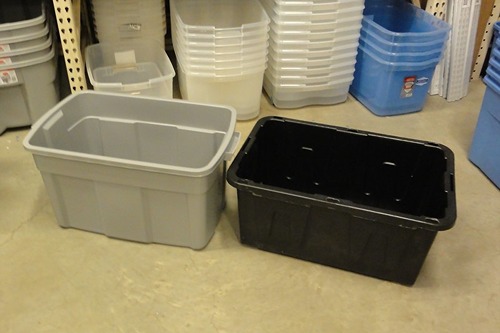
Drawer organizers helped manage kitchen and office clutter. Designs were simple but often color-coded. Collectors prefer unwarped plastic and intact corners. Early modular systems are especially interesting.
Their appeal comes from early home-organization culture. They predate modern container trends. Many were replaced as drawers changed sizes. Survivors feel oddly specific to their era.
34. Novelty Ice Cube Trays
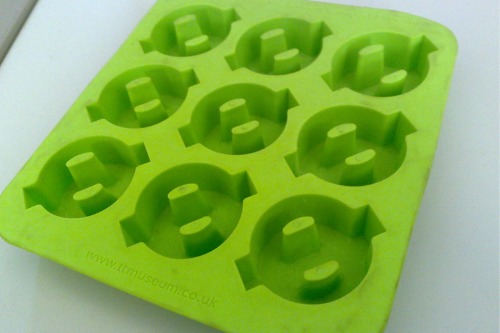
Ice cube trays in the 80s and 90s went beyond basic shapes. They formed spheres, letters, or themed designs. Collectors seek flexible trays without cracking. Original packaging helps value.
These trays are collectible because they reflect playful design. They were inexpensive and often discarded. Few people saved them intentionally. That makes themed versions desirable now.
35. Electric Popcorn Makers

Countertop popcorn makers were popular for home movie nights. Air poppers and oil-based models were both common. Collectors look for clean interiors and intact lids. Brand names influence value.
Their collectibility is tied to family entertainment. Popcorn was part of the ritual. As microwaves took over, many machines were retired. That shift makes them nostalgic.
36. Decorative Kitchen Canisters
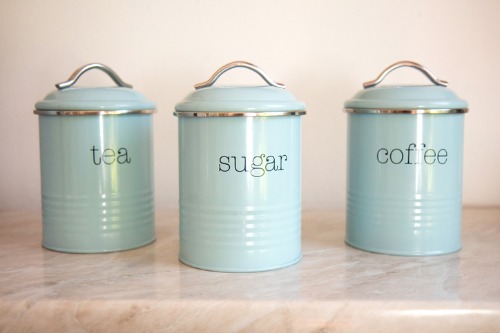
Matching canister sets labeled for flour, sugar, and coffee were kitchen staples. Designs ranged from country themes to bold graphics. Collectors seek complete sets with tight-fitting lids. Chips and fading affect value.
They’re collectible because they once defined countertop style. Many sets were split up over time. Full sets are now harder to find. Their visual impact remains strong.
37. Early Cordless Telephones
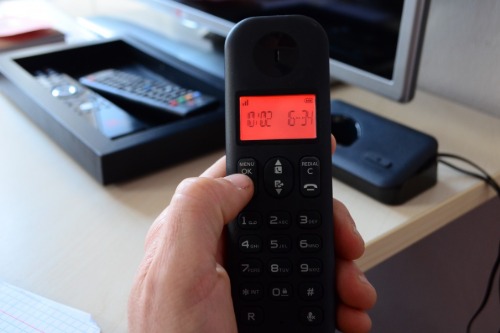
Cordless phones became common in the late 80s and early 90s. Early models were bulky with external antennas. Collectors prefer working units with charging bases. Original manuals increase appeal.
These phones are collectible because they mark a major shift. They bridged the gap between wired and mobile communication. Many were replaced quickly as technology improved. That short relevance boosts interest.
This post 37 Household Items From the 80s and 90s That Are Quietly Becoming Collectible was first published on Greenhouse Black.
