
1. Holiday Yard Inflatable Limits
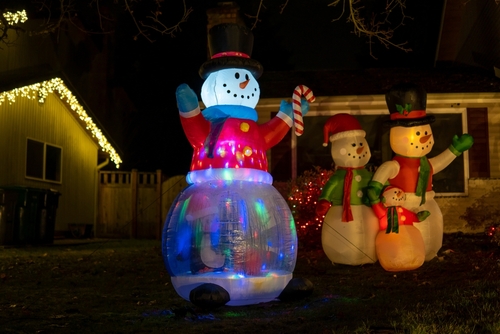
Inflatable decorations may be fun, but several HOAs are limiting their size and presence. Oversized inflatables visible from the street are being cited as disruptive or tacky. Communities are updating rules to limit how many you can have and when they’re allowed. This comes from resident feedback that big blow-ups feel juvenile or garish.
Boards want to maintain a particular aesthetic standard, and inflatables often push it. So even seasonal decor is subject to fine if it exceeds guidelines. Homeowners are learning there’s a difference between holiday spirit and HOA violations.
2. Trash Bin Timing
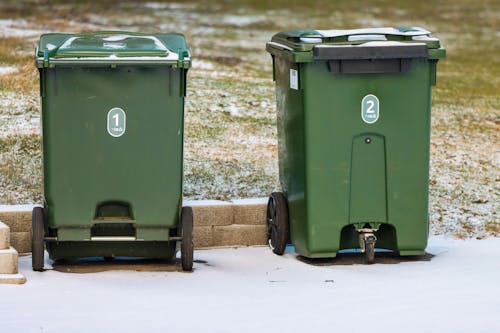
Believe it or not, HOAs are cracking down on how long trash bins sit at the curb. Historically neighbors tolerated bins out for a day or two, but now many covenants specifically limit placement to collection day only. Boards are issuing warnings and fines when bins are visible too early or too late. If you’re used to setting bins out over a weekend, expect a notice.
This behavior gets enforced because exposed bins are regularly cited as “unsightly” in resident surveys. The idea is to keep streets looking clean and tidy at all times, not just on pickup day. It’s also an issue of uniformity — neighbors don’t want to see mismatched trash containers undermining the visual standard. So even this mundane habit is under scrutiny.
3. Holiday Lights After a Set Date
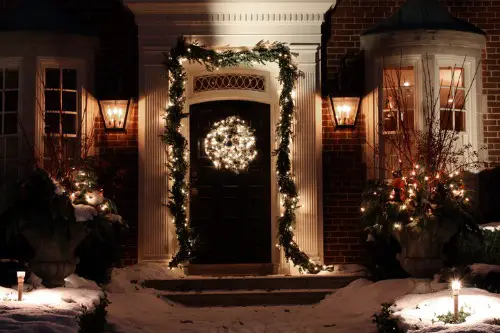
You might think holiday lights spread cheer, but many HOAs enforce strict take-down dates. Seasonal decor that lingers past the allowed window is a common trigger for violation letters. Boards defend this by saying prolonged displays look messy or out of place. Residents are often given specific cut-off dates in the community rules.
It’s not that people are against festive spirit — it’s about consistency across houses. If one home leaves lights up into spring, others start doing it too, and suddenly the aesthetic evolves in a direction the covenants didn’t anticipate. That’s how boards justify enforcement. So if you enjoy late Valentine’s lights, check your rules.
4. Paint Colors Within Approved Palettes
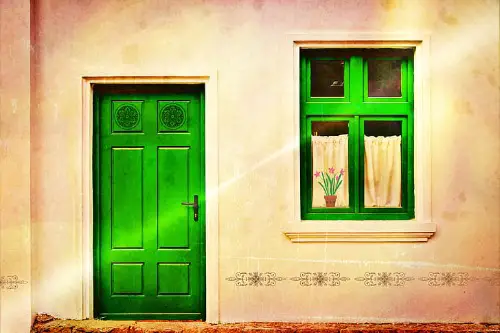
Exterior paint colors are a perennial HOA enforcement point, and it’s getting stricter. Many associations now require homeowners to choose from a predetermined palette and get approval before painting. A fresh, unique color might seem like self-expression, but boards argue it disrupts the cohesion of the neighborhood. Homeowners who skip approval are getting warnings and, in some cases, fines.
The reason this persists is that home exteriors have a very visible impact on neighborhood branding. Real estate agents often market with phrases like “well-maintained” — and uniform paint schemes factor into that. So HOAs see enforcement as protecting values, not just aesthetics. Even subtle shade changes can draw attention.
5. Parking in Driveways Only
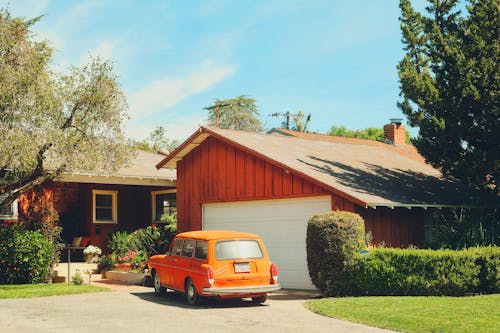
Street parking used to be casual, but many HOAs are tightening limits. Long-term parking of boats, RVs, or trailers on the street is increasingly prohibited, and even cars can’t be parked in the wrong place. Boards argue that parked vehicles narrow streets and impede emergency access. Residents are now getting cited if they don’t shift vehicles to their own driveways or designated areas.
This rule is often justified around safety and flow, not just looks. During peak hours, congested streets can become hazards for kids and pedestrians. So enforcement isn’t just about appearances — it’s also about liability. That’s why you’ll see letters about vehicle placement more often now.
6. Door and Window Hardware Standards
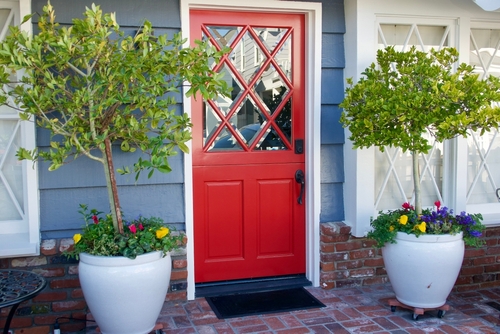
Even small details like doorknobs, shutters, and window trim are under inspection in some associations. HOAs with “architectural standards” expect these features to remain consistent with original design guidelines. If you replace hardware with something deemed incompatible, you might hear from the board. This stems from a desire to protect the original architectural vision of the community.
Homeowners who assumed small changes were fine are surprised when they get violation notices. Boards say that a dozen different styles of door hardware disrupt visual unity. So they enforce conformity on details many thought were personal preference. You may need approval before replacing your front door handle after all.
7. Fence Height and Style Compliance
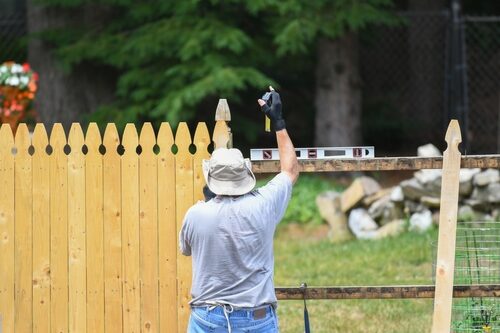
Fences are another big ticket item in enforcement trends. If a homeowner erects a fence that exceeds the height limit or deviates from approved materials, the HOA may require removal or modification. Boards argue that inconsistent fences create a patchwork look that undermines the neighborhood’s character. Increasingly, inspectors patrol common areas and report infractions.
Even if neighbors don’t complain, the board can act because these rules are written into covenants. Homeowners who wanted privacy suddenly find themselves revising plans to meet specific picket or panel choices. That’s because the rules usually exist to balance privacy with aesthetics. As a result, fence enforcement is becoming less optional.
8. Pet Waste and Leash Rules
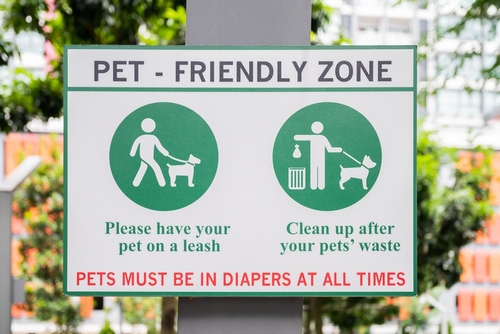
Communities are cracking down on pet etiquette with real consequences. People letting dogs roam or leave waste on lawns without picking up are getting cited more regularly. Many HOAs now have designated enforcement agents monitoring common areas. The trend reflects increasing resident frustration with untended messes and safety concerns.
It’s not just about cleanliness — off-leash animals can lead to confrontations or injuries. Boards justify enforcement as a quality-of-life measure. So if you’re used to flexible pet rules, check your community’s expectations.
9. Satellite Dish Placement

Satellite dishes used to be put wherever reception was best, but that convenience is fading in many HOAs. Associations are enforcing rules about placement — usually low to the ground or hidden from street view. This is partly tied to aesthetics and partly due to new federal regulations that still allow HOAs to set reasonable restrictions. Homeowners are finding that unapproved placements can trigger notices.
It’s especially common in communities with strict exterior guidelines. Boards argue that dishes sticking up on roofs or front yards hurt curb appeal. So even technology upgrades now require a review. Expect more scrutiny here as people replace equipment.
10. Lawn and Landscape Perfection
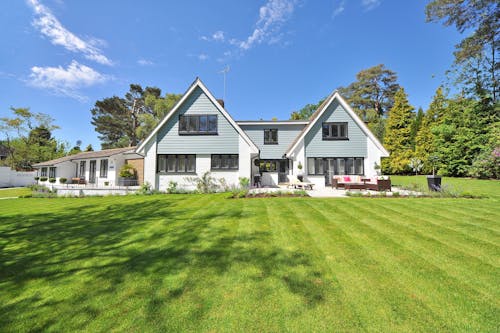
HOAs are increasingly enforcing rules around lawn maintenance because unruly yards are seen as the biggest visual blight in a community. If grass grows too tall, weeds pop up, or flowerbeds go unkempt, neighbors complain — and boards respond. Many communities now have scheduled inspections with fines issued shortly after a first notice. Homeowners are waking up to the fact that natural growth doesn’t cut it anymore.
The reason behind this trend is that property values are tied to curb appeal. Even one neglected lawn can, in the board’s view, drag down the look of the entire subdivision. This means residents who once enjoyed laissez-faire landscaping are now hearing from management companies. It’s driven by both buyer expectations and resale statistics showing neat yards correlate with quicker sales.
11. Window Covering Uniformity

The interiors of your home might be private, but what shows through your windows isn’t off-limits. HOAs are enforcing standards about blinds, curtains, and coverings visible from outside. Mismatched or brightly colored coverings can trigger a warning from an architectural committee. The board rationale is that inconsistent window treatments disrupt the harmony of the neighborhood facade.
This enforcement is rooted in long-standing design covenants that many new buyers overlook. Residents assume interior choices are personal, but once they’re visible from the street, they fall under the HOA’s visual guidelines. So even your living room blinds could be a compliance issue.
This post Everyday Behaviors That HOAs Are Starting to Enforce Hard was first published on Greenhouse Black.
